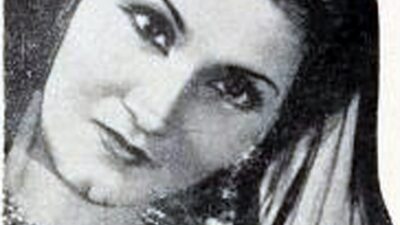
कलाकार विंग · कलाकार-पट्टिका · Artist Plate
नूर जहाँ
Noor Jehan
जन्म1926 — Kasur, Punjab (now Pakistan)
निधन2000 — Karachi, Pakistan
जीवन-पट्टी
The Life Specimen| नाम | नूर जहाँ · Noor Jehan |
|---|---|
| जन्म | 1926 — Kasur, Punjab (now Pakistan) |
| निधन | 2000 — Karachi, Pakistan |
| भूमिकाएँ | गायक · अभिनेत्री · Playback Singer |
| सक्रिय वर्ष | 1935–2000 |
| राष्ट्रीयता | British India (pre-1947); Pakistani (post-1947) |
| विधाएँ | फ़िल्मी · रोमांटिक · Classical-inspired · क़व्वाली · Ghazal-Inflected |
| भाषाएँ | urdu · hindi-urdu · hindi |
पट्टिका-लेख
The Monographजीवनी Biography
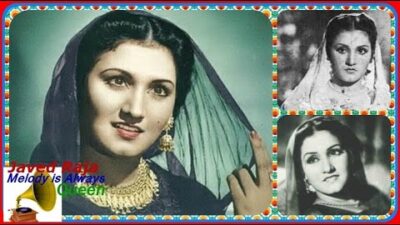
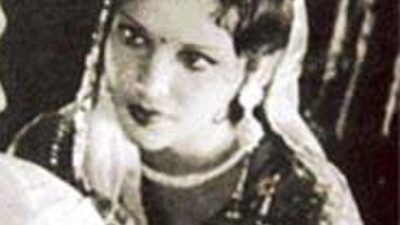
नूर जहाँ दक्षिण एशियाई संगीत के इतिहास में सबसे महत्त्वपूर्ण आवाज़ों में से एक हैं। 1926 में क़सूर में अल्लाह वसाई के नाम से जन्मी, वह 1930 के दशक की शुरुआत में ही 'बेबी नूर जहाँ' के नाम से मंच पर प्रदर्शन कर रही थीं, लाहौर की संगीत-थिएटर परंपरा में प्रशिक्षित। 1930 के दशक के अंत तक वह ग्रामोफ़ोन के लिए रिकॉर्ड कर रही थीं, और 1941 तक वह सोहराब मोदी की 'सिकंदर' सहित प्रमुख बॉम्बे प्रस्तुतियों में नज़र आ चुकी थीं। बॉम्बे में उनका विभाजन-पूर्व करियर (1942–1947) उस काल की किसी भी महिला गायिका का सबसे शानदार था — उन्होंने गाया, अभिनय किया, और अंततः निर्देशन भी किया, 1940 के दशक के मध्य में हिंदी फ़िल्म संगीत की प्रमुख महिला आवाज़ बन गईं। विभाजन के बाद उन्होंने पाकिस्तान चुना, जहाँ उन्होंने एक गायिका के रूप में अपना करियर पुनः बनाया और पाँच दशकों के लिए पाकिस्तानी संगीत की निर्विवाद महारानी 'मल्लिका-ए-तरन्नुम' बन गईं। उनकी आवाज़, अपनी व्यापकता, शक्ति और भावनात्मक प्रत्यक्षता के लिए उल्लेखनीय, दक्षिण एशियाई गायकों की हर बाद की पीढ़ी के लिए प्रशिक्षण-भूमि थी।
अंग्रेज़ी में पढ़ें · Read in English
Noor Jehan is among the most consequential voices in the history of South Asian music. Born Allah Wasai in Kasur in 1926, she was performing on stage as a child by the early 1930s under the name 'Baby Noor Jehan', trained in Lahore's musical theatre tradition. By the late 1930s she was recording for gramophone, and by 1941 she had appeared in major Bombay productions including Sohrab Modi's Sikandar. Her pre-Partition career in Bombay (1942–1947) was the most spectacular of any female singer of the period — she sang, acted, and eventually directed, becoming the dominant female voice of Hindi film music in the mid-1940s. After Partition she chose Pakistan, where she rebuilt her career as a singer and became 'Mallika-e-Tarannum' — Queen of Melody — the undisputed queen of Pakistani music for five decades. Her voice, remarkable for its range, power and emotional directness, was the training ground for every subsequent generation of South Asian vocalists.
प्रारंभिक जीवन Early Life
अल्लाह वसाई एक संगीत-परिवार में क़सूर (पंजाब) में जन्मी थीं — उनके पिता वाद्ययंत्र बजाते थे और कई भाई-बहन प्रदर्शन करते थे। उनकी असाधारण आवाज़ को जल्दी पहचानकर परिवार लाहौर आ गया जहाँ उन्हें पंजाब की लोक और थिएटर परंपरा के साथ हिंदुस्तानी शास्त्रीय संगीत में प्रशिक्षण मिला। वह लगभग सात-आठ साल की उम्र से 'बेबी नूर जहाँ' के रूप में पेशेवर प्रदर्शन कर रही थीं, लाहौर थिएटर और पंजाबी फ़िल्मों में।
अंग्रेज़ी में पढ़ें · Read in English
Allah Wasai was born in Kasur (Punjab) to a musical family — her father played instruments and several siblings performed. Recognising her prodigious voice early, the family moved to Lahore where she received training in classical Hindustani music alongside the folk and theatre repertoire of Punjab. She was performing professionally as 'Baby Noor Jehan' from around age seven or eight, appearing in Lahore theatre and Punjabi films.
करियर Career
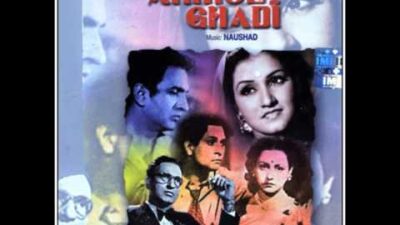
नूर जहाँ का हिंदी फ़िल्म करियर 1940 के दशक की शुरुआत में शुरू हुआ जब वह बॉम्बे आईं। ग़ुलाम हैदर के साथ उनके सहयोग — जिन्होंने उनके लाहौर के हिट भी बनाए थे — ने 1940 के दशक के मध्य के कुछ सबसे यादगार गीत दिए। वह अपने अधिकार में एक प्रमुख अभिनेत्री भी बनीं। बॉम्बे कलाकार के रूप में उनका शिखर मेहबूब ख़ान की 'अनमोल घड़ी' (1946) और उनकी अपनी निर्देशकीय शुरुआत 'चनवे' (1951, पाकिस्तान) के साथ आया। 1947 के बाद वह पाँच दशकों तक ग़ज़ल, फ़िल्मी गीत और नज़्मों के माध्यम से पाकिस्तानी संगीत की परिभाषित आवाज़ थीं।
अंग्रेज़ी में पढ़ें · Read in English
Noor Jehan's Hindi film career began in earnest in the early 1940s when she moved to Bombay. Her collaborations with Ghulam Haider — who had also produced her Lahore hits — produced some of the most memorable songs of the mid-1940s. She also acted in her own right, becoming a leading actress. Her pinnacle as a Bombay performer came with Mehboob Khan's Anmol Ghadi (1946) and her own directorial debut Chanway (1951, Pakistan). After 1947 she was the defining voice of Pakistani music through ghazals, film songs and nazms for five decades.
विरासत Legacy
भारत में नूर जहाँ को हिंदी सिनेमा के विभाजन-पूर्व दशक की सर्वश्रेष्ठ महिला आवाज़ के रूप में याद किया जाता है — वह मानक जिस पर लता मंगेशकर और उनके उत्तराधिकारियों को मापा गया (और जिनसे वे प्रेरित हुईं)। पाकिस्तान में वह एक राष्ट्रीय प्रतीक हैं, 'मल्लिका-ए-तरन्नुम', जिनकी 2000 में मृत्यु पर राष्ट्रीय शोक का समय था। उनकी रिकॉर्डिंग दोनों देशों में लगातार प्रचलन में हैं, और वह कुछ विभाजन-पूर्व कलाकारों में से एक हैं जिनका संगीत समकालीन उपमहाद्वीप में वास्तव में जीवित है।
अंग्रेज़ी में पढ़ें · Read in English
In India, Noor Jehan is remembered as the pre-eminent female voice of Hindi cinema's pre-Partition decade — the standard by which Lata Mangeshkar and her successors were measured (and by whom they were inspired). In Pakistan, she is a national icon, 'Mallika-e-Tarannum', whose death in 2000 prompted a period of national mourning. Her recordings are continuously in circulation in both countries, and she remains one of the few pre-Partition artists whose music is genuinely alive in the contemporary subcontinent.
गायन-शैली Musical Style
नूर जहाँ की आवाज़ ने लाहौरी शास्त्रीय प्रशिक्षण (हिंदुस्तानी राग, ठुमरी, ग़ज़ल) को पंजाब की मौखिक परंपरा की लोक-शक्ति के साथ जोड़ा — एक संयोजन जिसने उन्हें अधिकांश समकालीनों की तुलना में व्यापक अभिव्यक्ति-सीमा दी। वह अत्यधिक नाज़ुकपन (मुजरा-शैली अलंकरण) और कच्ची गूँजने वाली शक्ति (बाहरी प्रदर्शन प्रक्षेपण) दोनों की क्षमता रखती थीं। उनकी सुर-नियंत्रण की क्षमता किंवदंती थी। उन्होंने अपने दृष्टिकोण को 'दिल से बाहर की तरफ़ गाना' बताया, कलकत्ता स्कूल की स्टूडियो-तकनीक प्रधानता को अस्वीकार करते हुए।
अंग्रेज़ी में पढ़ें · Read in English
Noor Jehan's voice combined the Lahori classical training (Hindustani ragas, thumri, ghazal) with the folk power of Punjab's oral tradition — a union that gave her a wider expressive range than most contemporaries. She was capable of extreme delicacy (mujra-style ornamentation) and raw carrying power (outdoor performance projection). Her pitch control was legendary. She described her own approach as 'singing from the heart outward', refusing the studio-technique primacy of the Calcutta school.
तालीम, विधाएँ और भाषाएँ
Training · Genres · Languagesविधाएँ · Genres
भाषाएँ · Languages Sung
अन्य विवरण
More Details- Birth Year
- 1926
- Death Year
- 2000
- Active Years
- 1935–2000
Early Life
अल्लाह वसाई एक संगीत-परिवार में क़सूर (पंजाब) में जन्मी थीं — उनके पिता वाद्ययंत्र बजाते थे और कई भाई-बहन प्रदर्शन करते थे। उनकी असाधारण आवाज़ को जल्दी पहचानकर परिवार लाहौर आ गया जहाँ उन्हें पंजाब की लोक और थिएटर परंपरा के साथ हिंदुस्तानी शास्त्रीय संगीत में प्रशिक्षण मिला। वह लगभग सात-आठ साल की उम्र से 'बेबी नूर जहाँ' के रूप में पेशेवर प्रदर्शन कर रही थीं, लाहौर थिएटर और पंजाबी फ़िल्मों में।
Allah Wasai was born in Kasur (Punjab) to a musical family — her father played instruments and several siblings performed. Recognising her prodigious voice early, the family moved to Lahore where she received training in classical Hindustani music alongside the folk and theatre repertoire of Punjab. She was performing professionally as 'Baby Noor Jehan' from around age seven or eight, appearing in Lahore theatre and Punjabi films.
Career
नूर जहाँ का हिंदी फ़िल्म करियर 1940 के दशक की शुरुआत में शुरू हुआ जब वह बॉम्बे आईं। ग़ुलाम हैदर के साथ उनके सहयोग — जिन्होंने उनके लाहौर के हिट भी बनाए थे — ने 1940 के दशक के मध्य के कुछ सबसे यादगार गीत दिए। वह अपने अधिकार में एक प्रमुख अभिनेत्री भी बनीं। बॉम्बे कलाकार के रूप में उनका शिखर मेहबूब ख़ान की 'अनमोल घड़ी' (1946) और उनकी अपनी निर्देशकीय शुरुआत 'चनवे' (1951, पाकिस्तान) के साथ आया। 1947 के बाद वह पाँच दशकों तक ग़ज़ल, फ़िल्मी गीत और नज़्मों के माध्यम से पाकिस्तानी संगीत की परिभाषित आवाज़ थीं।
Noor Jehan's Hindi film career began in earnest in the early 1940s when she moved to Bombay. Her collaborations with Ghulam Haider — who had also produced her Lahore hits — produced some of the most memorable songs of the mid-1940s. She also acted in her own right, becoming a leading actress. Her pinnacle as a Bombay performer came with Mehboob Khan's Anmol Ghadi (1946) and her own directorial debut Chanway (1951, Pakistan). After 1947 she was the defining voice of Pakistani music through ghazals, film songs and nazms for five decades.
Legacy
भारत में नूर जहाँ को हिंदी सिनेमा के विभाजन-पूर्व दशक की सर्वश्रेष्ठ महिला आवाज़ के रूप में याद किया जाता है — वह मानक जिस पर लता मंगेशकर और उनके उत्तराधिकारियों को मापा गया (और जिनसे वे प्रेरित हुईं)। पाकिस्तान में वह एक राष्ट्रीय प्रतीक हैं, 'मल्लिका-ए-तरन्नुम', जिनकी 2000 में मृत्यु पर राष्ट्रीय शोक का समय था। उनकी रिकॉर्डिंग दोनों देशों में लगातार प्रचलन में हैं, और वह कुछ विभाजन-पूर्व कलाकारों में से एक हैं जिनका संगीत समकालीन उपमहाद्वीप में वास्तव में जीवित है।
In India, Noor Jehan is remembered as the pre-eminent female voice of Hindi cinema's pre-Partition decade — the standard by which Lata Mangeshkar and her successors were measured (and by whom they were inspired). In Pakistan, she is a national icon, 'Mallika-e-Tarannum', whose death in 2000 prompted a period of national mourning. Her recordings are continuously in circulation in both countries, and she remains one of the few pre-Partition artists whose music is genuinely alive in the contemporary subcontinent.
Musical Style
नूर जहाँ की आवाज़ ने लाहौरी शास्त्रीय प्रशिक्षण (हिंदुस्तानी राग, ठुमरी, ग़ज़ल) को पंजाब की मौखिक परंपरा की लोक-शक्ति के साथ जोड़ा — एक संयोजन जिसने उन्हें अधिकांश समकालीनों की तुलना में व्यापक अभिव्यक्ति-सीमा दी। वह अत्यधिक नाज़ुकपन (मुजरा-शैली अलंकरण) और कच्ची गूँजने वाली शक्ति (बाहरी प्रदर्शन प्रक्षेपण) दोनों की क्षमता रखती थीं। उनकी सुर-नियंत्रण की क्षमता किंवदंती थी। उन्होंने अपने दृष्टिकोण को 'दिल से बाहर की तरफ़ गाना' बताया, कलकत्ता स्कूल की स्टूडियो-तकनीक प्रधानता को अस्वीकार करते हुए।
Noor Jehan's voice combined the Lahori classical training (Hindustani ragas, thumri, ghazal) with the folk power of Punjab's oral tradition — a union that gave her a wider expressive range than most contemporaries. She was capable of extreme delicacy (mujra-style ornamentation) and raw carrying power (outdoor performance projection). Her pitch control was legendary. She described her own approach as 'singing from the heart outward', refusing the studio-technique primacy of the Calcutta school.
अभिलेख-सार
Discography Summary| संग्रह में गीत | 24 — नीचे जुड़े हुए पन्नों में सूचीबद्ध |
|---|---|
| कुल ज्ञात रिकॉर्डिंग | 8 — 8 संग्रह में उपलब्ध |
| रिकॉर्डिंग-काल | 1941–1947 · पहला सत्र 1941 |
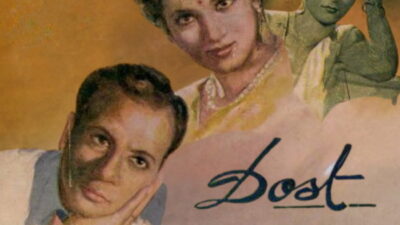
| फ़िल्में व डिस्क | Zeenat 1945 · Anmol Ghadi 1946 · Sikandar 1941 · Humayun 1945 · Mirza Sahiban 1947 · Jugnu 1947 |
| प्रमुख भूमिका | गायक |
| नित्य सहयोगी | Ghulam Haider · Tanveer Naqvi · Hafeez Jalandhari · Naushad |
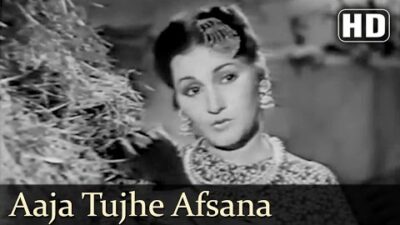
| हस्ताक्षर-गीत | Aahen Na Bhareen Shikwe Na Kiye · Awaz De Kahan Hai · Aaja Tujhe Afsana Judai Ka Sunayen · Yahan Badla Wafa Ka |
| स्रोत | derived from the HindiGeet song archive |
जुड़े हुए पन्ने
Connected Plates · The Graph Made Visibleअटलस में कोई पन्ना अकेला नहीं — नूर जहाँ से उनके गीत, फ़िल्में, घराना, समकालीन और युग, सब यहाँ से खुलते हैं।
हस्ताक्षर-गीत · Signature Songs
साझा कीजिए · Share this Plate