कहानियाँ विंग · कहानी · Behind The Scenes · 1945
एक फ़िल्म, तीन दिग्गज: 'बड़ी माँ' में नूर जहाँ और एक 15 साल की लड़की
One Film, Three Legends: Noor Jehan and a 15-Year-Old Girl in Badi Maa
1945 की एक फ़िल्म में हिंदी सिनेमा की दो सबसे बड़ी आवाज़ें पहली और आखिरी बार एक साथ थीं
प्रकाशित8 September 2026
आमुख
1945 का भारत — द्वितीय विश्वयुद्ध अपने अंतिम चरण में। मास्टर विनायक की 'बड़ी माँ' उसी माहौल की युद्धकालीन देशभक्ति की फ़िल्म थी। उस साल नूर जहाँ हिंदी फ़िल्म संगीत की निर्विवाद रानी थीं — 'ज़ीनत', 'गाँव की गोरी' और 'बड़ी माँ', तीनों में अलग रंग। पर फ़िल्म की असली ऐतिहासिक महत्ता कहीं और थी: इसमें एक 15 साल की गायिका भी थी जिसने 'माता तेरे चरणों में' गाया और एक छोटी भूमिका निभाई — लता मंगेशकर, और उन्हीं के साथ उनकी छोटी बहन आशा भोसले। एक ही फ़्रेम में एक युग का अंत और दूसरे का आरंभ।
अंग्रेज़ी में पढ़ें · Read in English
India in 1945, with the Second World War in its last phase, and Master Vinayak making Badi Maa — a wartime patriotic picture shaped by that moment. Noor Jehan was then the undisputed queen of Hindi film music, singing in Zeenat, Gaon Ki Gori and Badi Maa in the same year, each in a different register. But the film's real historical weight lies elsewhere: it also carried a 15-year-old singer who performed 'Mata Tere Charnon Mein' and played a small role — Lata Mangeshkar — alongside her younger sister Asha Bhosle. One film holds the end of one era and the beginning of the next.
युद्धकाल और 'बड़ी माँ' का जन्म
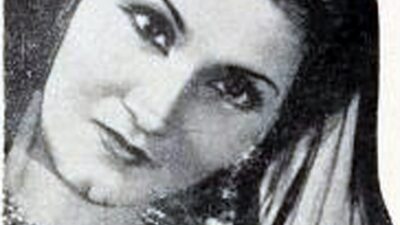
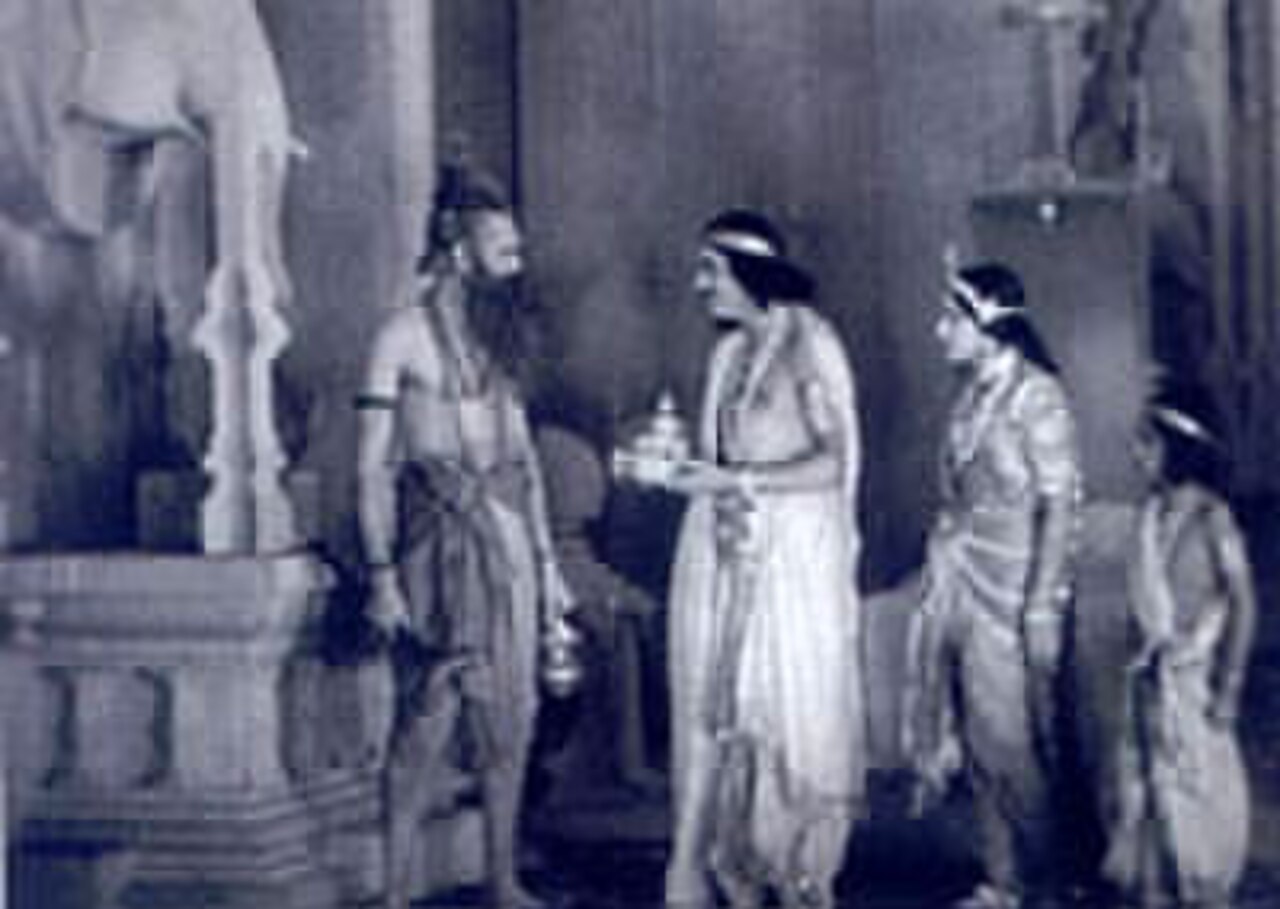
1945 का भारत — द्वितीय विश्वयुद्ध अपने अंतिम चरण में था। बॉम्बे के फ़िल्म स्टूडियो भी उस माहौल से अछूते नहीं थे। मास्टर विनायक — मराठी सिनेमा के एक अग्रणी निर्देशक — ने एक ऐसी फ़िल्म बनाई जो कहानी के स्तर पर युद्धकालीन देशभक्ति की बात करती थी। 'बड़ी माँ' को आलोचकों ने प्रचारवादी कहा, पर दर्शकों ने खूब पसंद किया — वह साल की तीसरी सबसे बड़ी हिट बनी। और इसका कारण था उसका संगीत, जिसे के. दत्त ने बनाया और जिसमें उस साल की सबसे शानदार आवाज़ें थीं।
अंग्रेज़ी में पढ़ें · Read in English
India in 1945 — World War II was in its final phase, and Bombay's film studios were not untouched by that atmosphere. Master Vinayak — a pioneering director of Marathi cinema — made a film that at its story level dealt with wartime patriotism. Badi Maa was called propagandistic by critics, but audiences loved it enormously — it became the third-highest-grossing film of the year. And the reason was its music, composed by K. Datta, featuring some of that year's most extraordinary voices.
नूर जहाँ: अपने चरम पर, अपने अंत के क़रीब
1945 में नूर जहाँ हिंदी फ़िल्म संगीत की निर्विवाद रानी थीं। उन्होंने उस साल 'ज़ीनत', 'गाँव की गोरी' और 'बड़ी माँ' के लिए गाया — और तीनों में उनकी आवाज़ अलग-अलग रंग में थी। 'बड़ी माँ' में उन्होंने चार गीत गाए: इंतज़ार का दर्द, प्रेम की असफल खोज, वियोग की वेदना। पर दो साल बाद विभाजन होगा। 1947 में नूर जहाँ पाकिस्तान चली जाएँगी और हिंदी सिनेमा के साथ उनका यह अध्याय सदा के लिए बंद हो जाएगा।
अंग्रेज़ी में पढ़ें · Read in English
In 1945, Noor Jehan was the undisputed queen of Hindi film music. She sang that year for Zeenat, Gaon Ki Gori and Badi Maa — her voice in a different register for each. In Badi Maa she sang four songs: the pain of waiting, the failed search for peace in love, the ache of separation. But two years later, Partition would come. In 1947 Noor Jehan would leave for Pakistan, and her chapter with Hindi cinema would close forever.
एक 15 साल की लड़की और उसके पहले क़दम
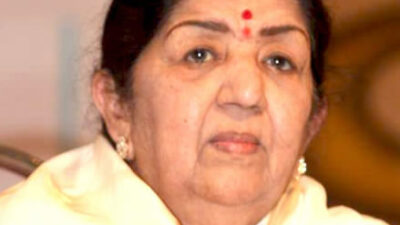
पर 'बड़ी माँ' की असली ऐतिहासिक महत्ता यह थी कि इस फ़िल्म में एक और गायिका थी — बस 15 साल की, अभी अपनी शुरुआत की तलाश में। उनका नाम था लता मंगेशकर। उन्होंने 'माता तेरे चरणों में' गाया और एक छोटी भूमिका भी निभाई। इसी फ़िल्म में उनकी छोटी बहन आशा भोसले ने भी एक छोटी-सी भूमिका की। उस वक्त किसी को नहीं पता था कि यह 15 साल की लड़की दो साल बाद उस रिक्तता को भरेगी जो नूर जहाँ के जाने से पैदा होगी — और अगले पाँच दशक हिंदी सिनेमा की आवाज़ बनेगी।
अंग्रेज़ी में पढ़ें · Read in English
But Badi Maa's true historical significance lay in another singer present in the film — just 15 years old, still searching for her breakthrough. Her name was Lata Mangeshkar. She sang 'Mata Tere Charnon Mein' and played a small acting role. In this same film, her younger sister Asha Bhosle also had a minor part. At the time, nobody knew that this 15-year-old girl would, two years later, fill the void left by Noor Jehan's departure — and would become Hindi cinema's defining voice for the next five decades.
इतिहास का वह अनमोल लम्हा
'बड़ी माँ' (1945) इसलिए अनूठी है क्योंकि इसमें एक ही साथ नूर जहाँ और लता मंगेशकर दोनों थीं — एक अपने चरम पर, दूसरी अपनी शुरुआत में। यह हिंदी संगीत इतिहास का वह अनमोल सतत-बिंदु है जहाँ एक युग का अंत और दूसरे का आरंभ एक ही फ़िल्म के फ्रेम में दिखता है।
अंग्रेज़ी में पढ़ें · Read in English
Badi Maa (1945) is unique because it contained both Noor Jehan and Lata Mangeshkar — one at her peak, one at her very beginning. This is Hindi music history's rare continuity point where the end of one era and the beginning of another appear within the same film's frame. Watching this film, you know — even while watching it — that you are glimpsing a golden moment in a much larger history.
परिचय
IdentityEpithet
1945 की एक फ़िल्म में हिंदी सिनेमा की दो सबसे बड़ी आवाज़ें पहली और आखिरी बार एक साथ थीं
In one 1945 film, Hindi cinema's two greatest voices were together for the first and last time
अन्य विवरण
More Details- नूर जहाँ
- लता मंगेशकर
- आशा भोसले
- मास्टर विनायक
- Wikipedia – Badi Maa (1945 film)
- MySwar.co – Badi Maa (1945) song listing
- Songs of Yore – Best songs of 1945
Key Figures
References
कहानी-नमूना
The Story Specimen| शीर्षक | एक फ़िल्म, तीन दिग्गज: 'बड़ी माँ' में नूर जहाँ और एक 15 साल की लड़की · One Film, Three Legends: Noor Jehan and a 15-Year-Old Girl in Badi Maa |
|---|---|
| श्रेणी | Behind The Scenes |
| प्रकार | विशेष लेख |
| प्रकाशित | 8 September 2026 — admin |
| वर्ष | 1945 |
और कहानियाँ
More Stories from the Atlas

साझा कीजिए · Share this Plate