कहानियाँ विंग · कहानी · Recording History · 1909
वैक्स पर टैगोर: जब कविता मिली ग्रामोफोन से
Tagore on Wax: When Poetry Met the Gramophone
रवीन्द्रनाथ टैगोर की आवाज़ ने 1909 में ग्रामोफोन को कला का माध्यम कैसे बनाया
प्रकाशित31 March 2026 पाठ९ मिनट का पाठ
आमुख
कवि रिकॉर्डिंग स्टूडियो में कदम रखते हैं
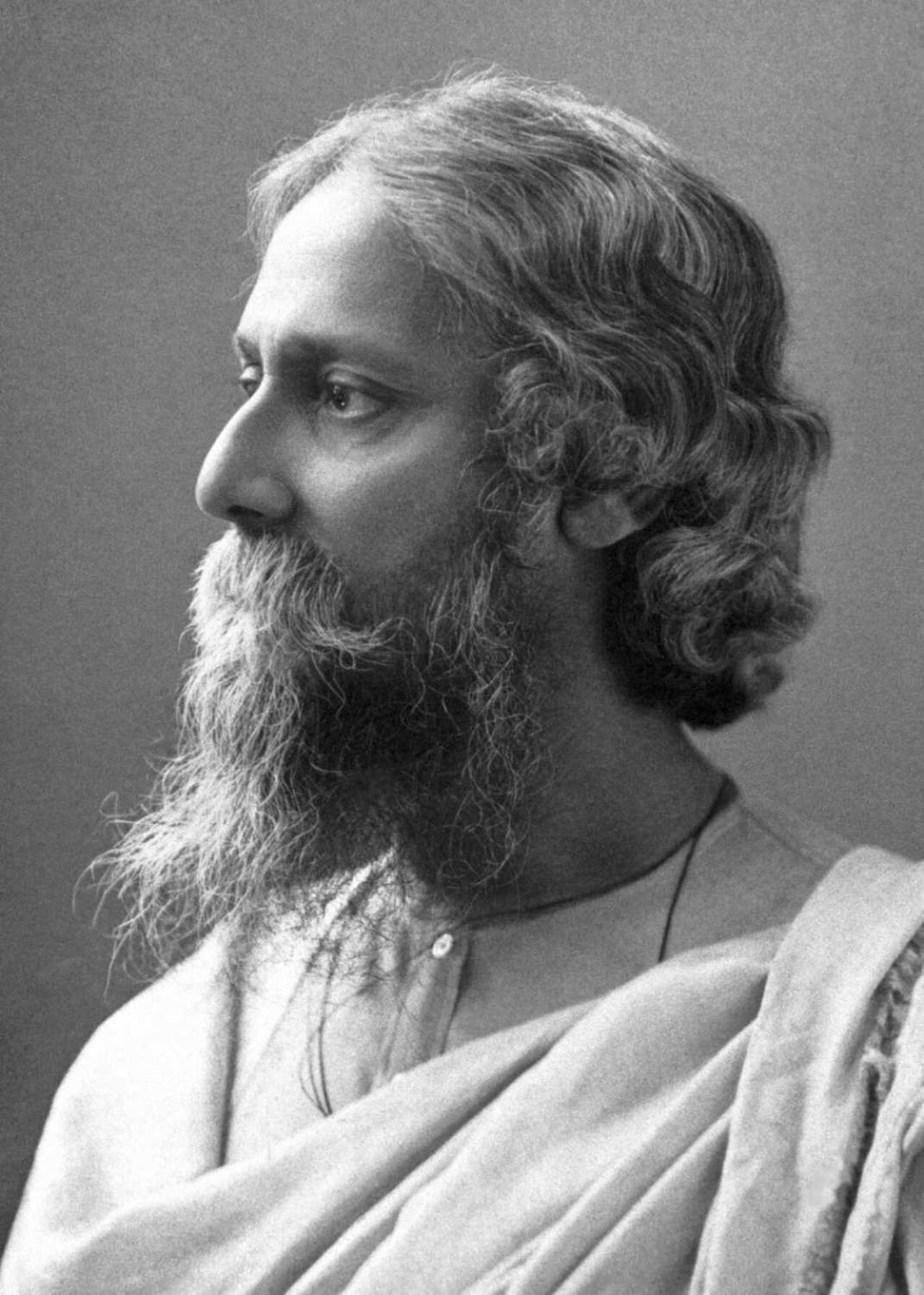
The Poet Steps Into the Recording Studioआठ सालों तक, ग्रामोफोन भारतीय संगीत को पकड़ रहा था—दरबारी गायक, सड़क के संगीतकार, गणिकाएं, सभी को मोम में अमर कर रहा था। लेकिन बंगाल के ड्राइंग रूम में, एक संदेह की परछाई पड़ी रहती थी। क्या यह मशीन सच में भारतीय संगीत की आत्मा को पकड़ सकती है? क्या वह सिर्फ ध्वनि नहीं, बल्कि अर्थ को भी संरक्षित कर सकती है? ये संदेह 1909 में पूरी तरह जाता रहा जब रवीन्द्रनाथ टैगोर—पहले से ही कवि और दार्शनिक के रूप में मनाए जाते—रिकॉर्डिंग स्टूडियो में आए अपने रवीन्द्र संगीत को डिस्क पर दर्ज करने के लिए। जिस आदमी को बंगाली बुद्धिजीवी वेदों की परंपरा का उत्तराधिकारी मानते थे, वह अपनी मौजूदगी से ही घोषणा कर रहे थे: ग्रामोफोन कला के लायक है।
अंग्रेज़ी में पढ़ें · Read in English
For eight years, the gramophone had been capturing Indian music—court singers, street performers, courtesans, and folk musicians all immortalized in wax. Yet in drawing rooms across Bengal, a shadow of skepticism lingered. Could a machine truly capture the soul of Indian music? Could it preserve not just sound, but meaning? These doubts evaporated in 1909 when Rabindranath Tagore, already celebrated as a poet and philosopher, walked into the recording studio to commit his Rabindra Sangeet (songs composed by Tagore) to disc. The man whom Bengali intellectuals revered as a successor to the Vedic tradition was, by his very presence, declaring: the gramophone is worthy of art.
ध्वनि का आध्यात्मिक आयाम
The Spiritual Dimension of Soundटैगोर की रचनाएं उन हल्के-फुल्के ठुमरियों और दादरों से मौलिक रूप से अलग थीं जो भारतीय ग्रामोफोन उत्पादन पर राज कर रहे थे। उनके गीत बंगाल के आध्यात्मिक पुनरुद्धार आंदोलन में निहित थे, जो शास्त्रीय संगीत सिद्धांत को दार्शनिक जिज्ञासा के साथ मिलाते थे। हर गीत एक ध्यान था—आज़ादी पर, भक्ति पर, प्रकृति की दिव्यता पर। जब टैगोर ने रिकॉर्डिंग हॉर्न में 'राग संगीत — पुरन' गाया, तो वह अभिजात्य या दरबारी संरक्षकों के लिए प्रदर्शन नहीं कर रहे थे। वह चिरकाल को संबोधित कर रहे थे। ग्रामोफोन, जो संगीत हॉल प्रदर्शनियों में एक जिज्ञासा के रूप में शुरू हुआ था, अचानक आध्यात्मिक संप्रेषण के एक साधन में बदल गया। पुणे में एक मध्यवर्गीय मराठी लिपिक अब अपने घर में सुन सकता था बंगाल के सबसे महान जीवंत कवि की आवाज़ और दर्शन, खसखसाती मोम के माध्यम से। वह तकनीक जिसे औद्योगिकों और व्यापारियों ने मनोरंजन के लिए डिज़ाइन किया था, अब कुछ अधिक गहन हो गई थी।
अंग्रेज़ी में पढ़ें · Read in English
Tagore's compositions differed fundamentally from the lighter thumris and dadras that had dominated Indian gramophone output. His songs were rooted in Bengal's spiritual renewal movement, blending classical music theory with philosophical inquiry. Each song was a meditation—on freedom, on devotion, on nature's divinity. When Tagore sang 'Raga Sangit — Puran' into the recording horn, he was not performing for aristocrats or court patrons. He was addressing eternity. The gramophone, which began as a curiosity at music hall exhibitions, was suddenly transformed into an instrument of spiritual transmission. A middle-class Marathi clerk in Pune could now hear, in his own home, the voice and philosophy of Bengal's greatest living poet, mediated through crackling wax. The technology that industrialists and merchants had designed for entertainment had become something far more profound.
बुद्धिजीवी वर्ग की स्वीकृति
The Intellectual Blessingटैगोर से पहले, भारत में ग्रामोफोन उद्योग एक निश्चित रक्षात्मक व्यावहारिकता के साथ काम करता था। हां, वे गंभीर संगीत रिकॉर्ड करते थे—ख़याल गायक, दरबारी संगीतकार—लेकिन अंतर्निहित तर्क वाणिज्यिक था: रिकॉर्ड बिकते थे क्योंकि लोगों को वे पसंद थे। मनोरंजन ने खुद को न्यायसंगत ठहराया। टैगोर की भागीदारी के साथ, एक उलटफेर हुआ। अब बुद्धिजीवी और सामाजिक सुधारक जिन्होंने पहले ग्रामोफोन को एक अश्लील तकनीक के रूप में खारिज किया था, अब इसे सौंदर्यात्मक और दार्शनिक आधार पर बचाव करते पाए जाते थे। अगर रवीन्द्रनाथ टैगोर माध्यम पर विश्वास करते थे, तो माध्यम विश्वास के लायक था। बंगाली पत्रिकाओं में लेख भारतीय संगीत विरासत को संरक्षित करने में ग्रामोफोन की भूमिका पर बहस करने लगे। विश्वविद्यालयों ने ग्रामोफोन रिकॉर्ड्स को मनोरंजन उत्पाद के रूप में नहीं, बल्कि प्राथमिक ऐतिहासिक दस्तावेज़ के रूप में देखना शुरू किया। 1909 में कैद की गई आवाज़ केवल एक प्रदर्शन नहीं थी—यह एक संग्रह था, एक सांस्कृतिक विरासत जिसे भविष्य की पीढ़ियां प्राप्त करेंगी।
अंग्रेज़ी में पढ़ें · Read in English
Before Tagore, the gramophone industry in India operated with a certain defensive pragmatism. Yes, they recorded serious music—Khayal singers, court musicians—but the implicit logic was commercial: records sold because people enjoyed them. Entertainment justified itself. With Tagore's participation, a reversal occurred. Now, intellectuals and social reformers who had previously dismissed the gramophone as a vulgar technology found themselves defending it on aesthetic and philosophical grounds. If Rabindranath Tagore trusted the medium, then the medium was trustworthy. Essays appeared in Bengali journals debating the role of the gramophone in preserving India's musical heritage. Universities began to see gramophone records not as entertainment products, but as primary historical documents. The voice captured in 1909 was not merely a performance—it was an archive, a cultural inheritance that future generations would access.
ब्रिटिश भारत में लहर प्रभाव
The Ripple Effect Across British Indiaटैगोर के रिकॉर्डिंग निर्णय का प्रभाव बंगाल से बहुत दूर तक गूंजा। मुंबई के ग्रामोफोन कंपनी कार्यालयों में, बिक्रय प्रबंधकों ने सक्रिय रूप से शास्त्रीय संगीतकारों और विद्वान संगीतकारों को भर्ती करना शुरू कर दिया, यह स्वीकार करते हुए कि बाजार गंभीर कला को मूल्य देता था। भारत भर के गायक—लाहौर के दरबारी संगीतकारों से लेकर मद्रास के कर्नाटक स्वामी तक—अब रिकॉर्डिंग को एक अस्थायी नवीनता के रूप में नहीं, बल्कि अपने संगीत की अमरता सुनिश्चित करने के एक वैध तरीके के रूप में देखने लगे। कलकत्ता, मुंबई और मद्रास जैसे शहरों में बुद्धिजीवी वर्ग ग्रामोफोन सोसायटियां बनाने लगे, रिकॉर्ड किए गए प्रदर्शन का अध्ययन ग्रंथों के रूप में करते हुए। कुछ शुरुआती संगीतविद, तकनीक की खसखसाती ध्वनिक सीमाओं पर ध्यान देते हुए, ग्रामोफोन जो पूरी तरह कैप्चर नहीं कर सकता था उसे संरक्षित करने के लिए संकेत प्रणालियां विकसित करने लगे—अलंकरण की सूक्ष्मताएं, सूक्ष्मतर स्वर भिन्नताएं जो भारतीय शास्त्रीय संगीत को परिभाषित करती थीं। विडंबना यह है कि रिकॉर्डिंग तकनीक की अपूर्णता ने संगीत से गहरी सैद्धांतिक जुड़ाव को प्रेरित किया।
अंग्रेज़ी में पढ़ें · Read in English
Tagore's decision to record reverberated far beyond Bengal. In Bombay's Gramophone Company offices, sales managers began to actively recruit classical musicians and scholarly composers, recognizing that the market valued serious art. Singers across India—from Lahore's court musicians to Madras's Carnatic masters—now saw recording not as a transient novelty, but as a legitimate way to ensure their music's immortality. The intellectual class in cities like Calcutta, Bombay, and Madras began to form gramophone societies, studying recorded performances as texts. Some early musicologists, noting the crackling acoustic limitations of the technology, began to develop notational systems to preserve what the gramophone could not fully capture—the nuances of ornamentation, the microtonal variations that defined Indian classical music. Paradoxically, the recording technology's imperfection drove a deeper theoretical engagement with music itself.
विरासत: ग्रामोफोन एक सांस्कृतिक संस्था के रूप में
Legacy: The Gramophone as Cultural Institution1910 तक, टैगोर के 1909 रिकॉर्ड्स वैधता के तावीज़ बन गए थे। जब भारत भर में संगीत संरक्षक खुलने लगे—कलकत्ता, मुंबई, मद्रास में—टैगोर के रिकॉर्ड्स पाठ्यक्रम में प्रदर्शित थे। दिल्ली के एक स्कूल में एक छात्र दूर रियासत में किसी गुरु से नहीं, बल्कि स्कूल के ग्रामोफोन पर एक रिकॉर्ड से शास्त्रीय संगीत सीख सकता था। संगीत ज्ञान का यह लोकतंत्रीकरण, टैगोर के रिकॉर्डिंग निर्णय द्वारा बोया गया, बीसवीं सदी भर में भारतीय संगीत जीवन को पुनः आकार देगा। कवि ने मशीन को अर्थ का उपहार दिया था। बदले में, मशीन ने उसकी आवाज़ को नहीं, बल्कि यह विचार संरक्षित किया कि भारतीय संगीत संरक्षण के योग्य था, अध्ययन के योग्य था, सम्मान के योग्य था। रिकॉर्डिंग उद्योग, जिसे एक बार अश्लील मनोरंजन का पारक्षेपक माना जाता था, सांस्कृतिक स्मृति की एक संस्था बन गया था। और यह सब तब शुरू हुआ जब एक कवि स्टूडियो में आए और 'हां' कहा।
अंग्रेज़ी में पढ़ें · Read in English
By 1910, Tagore's 1909 recordings had become talismans of legitimacy. When music conservatories began to open across India—in Calcutta, Bombay, Madras—Tagore's recordings featured in curricula. A student in a Delhi school could learn classical music not from a guru in a distant princely state, but from a record on the school's gramophone. This democratization of musical knowledge, seeded by Tagore's decision to record, would reshape Indian musical life across the twentieth century. The poet had given the machine a gift of meaning. In return, the machine preserved not just his voice, but the very idea that Indian music was worth preserving, worth studying, worth honoring. The recording industry, once seen as a purveyor of frivolous entertainment, had become an institution of cultural memory. And it all began when one poet stepped into the studio and said yes.
परिचय
IdentityEpithet
रवीन्द्रनाथ टैगोर की आवाज़ ने 1909 में ग्रामोफोन को कला का माध्यम कैसे बनाया
How Rabindranath Tagore's voice legitimized the gramophone as an art form in 1909
कहानी-नमूना
The Story Specimen| शीर्षक | वैक्स पर टैगोर: जब कविता मिली ग्रामोफोन से · Tagore on Wax: When Poetry Met the Gramophone |
|---|---|
| श्रेणी | Recording History |
| प्रकार | Narrative |
| पाठ-समय | ९ मिनट का पाठ |
| प्रकाशित | 31 March 2026 — admin |
| वर्ष | 1909 |
| टैग | Tagore · legitimacy · poetry · voice recording · art validation |
और कहानियाँ
More Stories from the Atlas

साझा कीजिए · Share this Plate