कहानियाँ विंग · कहानी · Social History · 1909
गणिका से उद्यमी तक: महिला रिकॉर्डिंग कलाकारों ने आर्थिक शक्ति कैसे पकड़ी
From Courtesans to Entrepreneurs: How Female Recording Artists Seized Economic Power
ग्रामोफोन ने 1909 में महिला संगीतकारों के लिए अभूतपूर्व आर्थिक एजेंसी बनाई, संगीत में लिंग संबंधों को पुनः आकार दिया।
प्रकाशित31 March 2026 पाठ९ मिनट का पाठ
आमुख
संरक्षण प्रणाली को तोड़ना
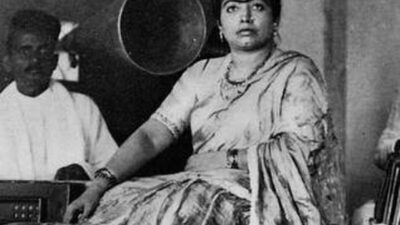
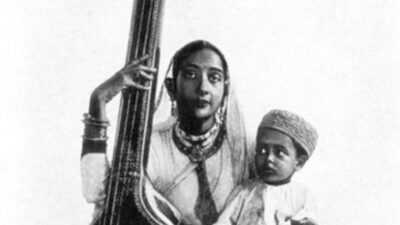
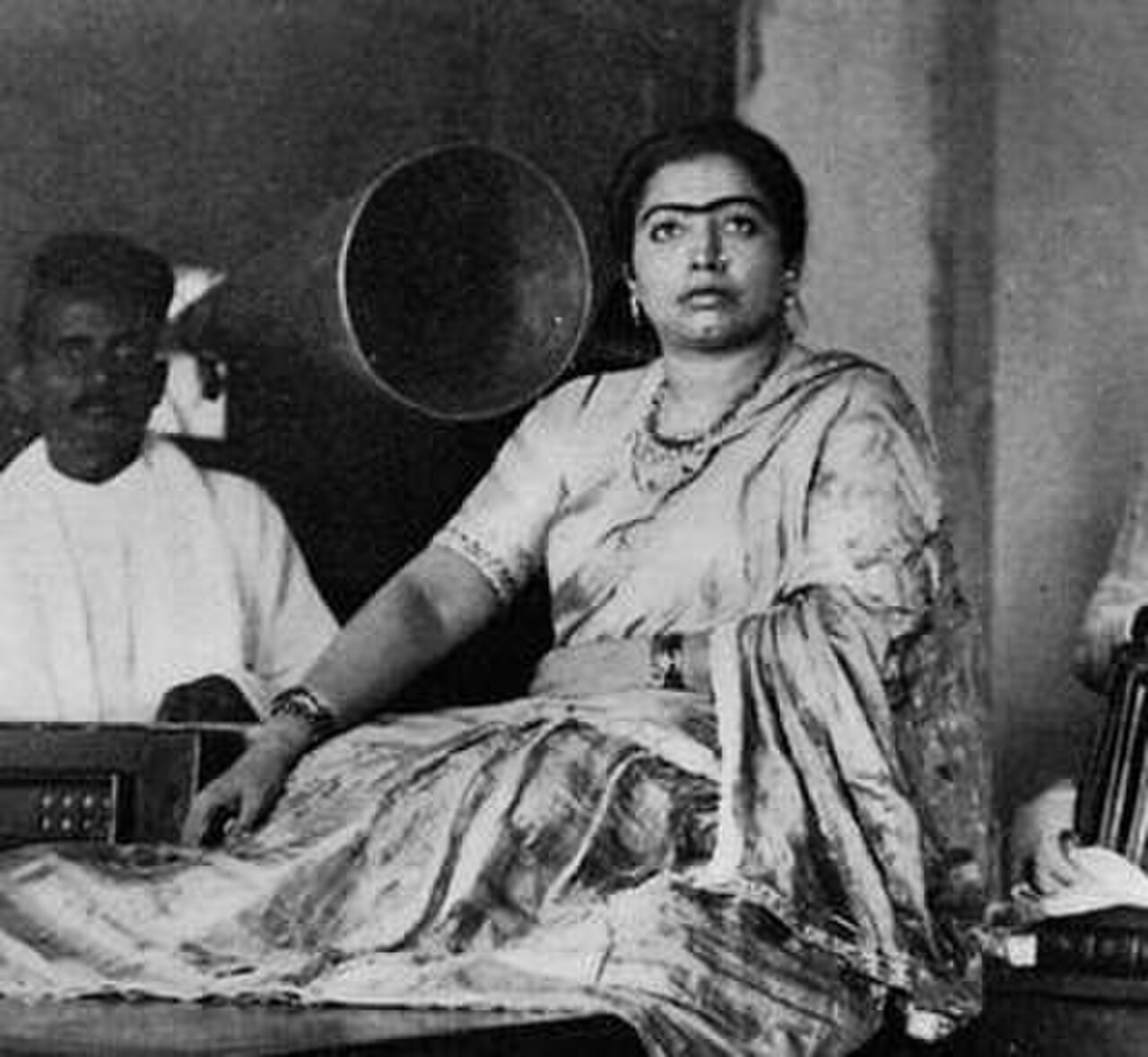
Breaking the Patronage Systemपूर्व-ग्रामोफोन संगीत दुनिया पूरी तरह संरक्षण के चारों ओर संरचित थी। एक महिला संगीतकार—चाहे एक गणिका हो, कलात्मक महत्वाकांक्षाओं वाली गणिका हो, या एक संगीत परिवार की महिला हो—पूरी तरह एक संरक्षक की उदारता पर निर्भर थी। एक रईस, एक जमींदार, एक व्यापारी राजकुमार एक संगीतकार या ट्रूप को बनाए रखते थे, प्रदर्शन और सामाजिक प्रतिष्ठा के बदले में। संगीतकार की आय, उसका आवास, यहां तक कि उसकी सामाजिक स्थिति सभी संरक्षक की सद्भावना के माध्यम से मध्यस्थ थे। इस प्रणाली के महिलाओं के लिए गहरे परिणाम थे। एक महिला संगीतकार, परिभाषा के अनुसार, अपने संरक्षक की संपत्ति थी। उसे उधार दिया जा सकता था, बेचा जा सकता था, संरक्षकों के बीच स्थानांतरित किया जा सकता था। उसके पास अपने शेड्यूल, उसके प्रदर्शन पर कोई नियंत्रण नहीं था। गौहर जान जैसी सबसे प्रतिभाशाली, सबसे प्रसिद्ध गायिकाएं भी इस ढांचे के भीतर काम करती थीं। लेकिन ग्रामोफोन ने इस प्रणाली में एक दरार बनाई। पहली बार, एक महिला संगीतकार अपनी कला से सीधे आय उत्पन्न कर सकती थी, एक जीवित संरक्षक के बिचौलिए के बिना। रिकॉर्ड बिक्रय रॉयल्टी बनाई। रॉयल्टी ने धन बनाया। धन ने आजादी बनाई। 1909 तक, गौहर जान, जंकी बाई इलाहाबाद और ज़ोहरा बाई अग्रेवाली भारत में सबसे अमीर महिलाओं में से थीं—इसलिए नहीं कि उन्होंने अच्छी शादी की थी या संपत्ति विरासत में पाई थी, बल्कि इसलिए कि उन्होंने ग्रामोफोन कंपनी के साथ अनुबंध बातचीत की थी और अपने प्रदर्शन के अधिकारों के मालिक थीं। वह उद्यमी बन गए थे।
अंग्रेज़ी में पढ़ें · Read in English
The pre-gramophone music world was entirely structured around patronage. A female musician—whether a courtesan, a courtesan with artistic ambitions, or a woman from a musical family—depended entirely on the generosity of a patron. A nobleman, a zamindar, a merchant prince would maintain a musician or troupe, in return for performances and social prestige. The musician's income, her housing, even her social standing were all mediated through the patron's goodwill. This system had profound consequences for women. A female musician was, by definition, the property of her patron. She could be loaned, sold, transferred between patrons. She had no control over her schedule, her repertoire, or the terms of her performance. Even the most talented, most celebrated singers like Gauhar Jaan operated within this framework. But the gramophone created a rupture in this system. For the first time, a female musician could generate income directly from her art, without the intermediation of a living patron. Record sales created royalties. Royalties created wealth. Wealth created independence. By 1909, Gauhar Jaan, Janki Bai Allahabad, and Zohra Bai Agrewali were among the wealthiest women in India—not because they had married well or inherited property, but because they had negotiated contracts with the Gramophone Company and owned the rights to their own performances. They had become entrepreneurs.
अकल्पनीय की बातचीत: अनुबंध और रॉयल्टी
Negotiating the Unthinkable: Contracts and Royalties1909 में ग्रामोफोन कंपनी की मानक प्रथा अभी भी बड़े पैमाने पर तुरंत थी। भुगतान, अनुबंध या रॉयल्टी के लिए कोई स्थापित उद्योग मानक नहीं थे। जब एक संगीतकार स्टूडियो में चला गया, तो कंपनी एक फ्लैट शुल्क दिया—रिकॉर्डिंग सत्र के लिए एक राशि, जिसकी स्वामित्व कंपनी के साथ रही। दरबारी संस्कृति में एम्बेड किए गए पुरुष संगीतकारों के लिए, यह स्वीकार्य था। उनके संरक्षकों से आय के अन्य स्रोत थे। महिला संगीतकारों के लिए, हालांकि, गणना अलग थी। एक एकल फ्लैट भुगतान केवल एक बार की आय का प्रतिनिधित्व नहीं करता था, बल्कि दीर्घकालीन धन के संभावित नुकसान का प्रतिनिधित्व करता था। गौहर जान को दर्ज करें, गायक जो युग को परिभाषित करेंगी। 1909 तक, गौहर जान अनुभवी और प्रसिद्ध होने के लिए काफी प्रसिद्ध थीं कि बेहतर शर्तों की मांग की जा सके। उन्होंने रॉयल्टी की बातचीत की—हर बिकने वाले रिकॉर्ड का एक प्रतिशत। यह एक उद्योग में एक कट्टरपंथी मांग थी जहां कंपनी सभी रिकॉर्ड किए गए सामग्री के स्वामित्व को मान लिया। लेकिन गौहर जान का लाभ था: वह भारत में सबसे अधिक रिकॉर्ड किए गए कलाकार थे, और उपभोक्ता विशेष रूप से नाम से उसके रिकॉर्ड्स के लिए पूछे। कंपनी सहमत हुई। गौहर जान के साथ रॉयल्टी व्यवस्था पर सहमत होकर, ग्रामोफोन कंपनी ने अनजाने में एक पूर्वानुमान बनाया। अन्य महिला रिकॉर्डिंग कलाकार—जंकी बाई, ज़ोहरा बाई—तुरंत पालन करते थे, फ्लैट शुल्क स्वीकार करने के बजाय लाभ का हिस्सा के लिए बातचीत करते थे। कुछ ने मांग की और जीता कि कौन से टेक रिलीज किए जाएंगे इसको मंजूरी देने का अधिकार, आर्थिक नियंत्रण के साथ कलात्मक नियंत्रण प्राप्त किया। ये अनुबंध, कंपनी संग्रह में संरक्षित, भारत में महिलाओं द्वारा श्रम समझौतों की बातचीत के कुछ शुरुआती दस्तावेज़ उदाहरणों का प्रतिनिधित्व करते हैं।
अंग्रेज़ी में पढ़ें · Read in English
The Gramophone Company's standard practice in 1909 was still largely improvisational. There were no established industry standards for payments, contracts, or royalties. When a musician walked into the studio, the company offered a flat fee—a sum for the recording session, ownership of which remained with the company. For male musicians embedded in court culture, this was acceptable. They had other sources of income from their patrons. For female musicians, however, the calculation was different. A single flat payment represented not merely a one-time income, but a potential loss of long-term wealth. Enter Gauhar Jaan, the singer who would come to define the era. By 1909, Gauhar Jaan was experienced enough and famous enough to demand better terms. She negotiated for royalties—a percentage of every record sold. It was a radical demand in an industry where the company assumed ownership of all recorded material. But Gauhar Jaan had leverage: she was the most recorded artist in India, and consumers specifically asked for her records by name. The company relented. By agreeing to royalty arrangements with Gauhar Jaan, the Gramophone Company inadvertently created a precedent. Other female recording artists—Janki Bai, Zohra Bai—followed suit, negotiating for a share of profits rather than accepting flat fees. Some demanded and won the right to approve which takes would be released, gaining artistic control alongside economic control. These contracts, preserved in company archives, represent some of the earliest documented instances of women negotiating labor agreements in India.
सांस्कृतिक प्राधिकार में परिवर्तित धन
Wealth Transformed into Cultural Authority1909 तक महिला रिकॉर्डिंग कलाकारों द्वारा जमा किए गए धन के व्यक्तिगत समृद्धि से परे परिणाम थे। आर्थिक आजादी के साथ सांस्कृतिक अधिकार आया। गौहर जान, एक बार केवल एक प्रसिद्ध मनोरंजनकार जो संरक्षक की खुशी पर निर्भर था, अब नई रचनाओं को कमीशन कर सकती थीं। वह चुन सकती थीं किन कवियों के साथ काम करना है, किन संगीत निर्देशकों के साथ सहयोग करना है, कौन से गीत गाना है। वह निम्नतर सामग्री को अस्वीकार कर सकती थीं। वह नवाचारों की मांग कर सकती थीं। 1909 में, गौहर जान ने विशेष रूप से ग्रामोफोन के लिए कई मूल रचनाओं को कमीशन किया—गीत जिन्हें उसकी आवाज़ की क्षमताओं को प्रदर्शित करने और रिकॉर्डिंग माध्यम की ध्वनिक गुणों के अनुरूप डिज़ाइन किया गया। यह रचनात्मक नियंत्रण था जो पुरुष संगीतकार केवल तभी का आनंद लेते थे जब वह दरबार सेटिंग्स में ख़याल मास्टर थे। जंकी बाई, अपनी रॉयल्टी द्वारा सशक्त, छोटे गायकों को मेंटर करने लगे, प्रशिक्षण और प्रभाव की एक वंश स्थापित करते थे। ज़ोहरा बाई एक स्वाद निर्माता बन गईं, किन साथियों को उसके साथ प्रदर्शन करेंगे यह चुनते हुए, प्रभावी रूप से अपनी कलात्मक टीमों को नियंत्रित करते थे। पहली बार, महिला संगीतकार केवल अन्य लोगों के दृष्टिकोण (संरक्षक, संगीत निर्देशक, संगीतकार) को निष्पादित नहीं कर रहे थे बल्कि सक्रिय रूप से भारतीय संगीत संस्कृति को आकार दे रहे थे। यह सांस्कृतिक प्राधिकार सामाजिक क्षेत्र में विस्तारित हुआ। अमीर रिकॉर्डिंग कलाकारों को एक आदर के साथ व्यवहार किया जाने लगा जो पहले केवल दरबारी संगीतकारों के लिए संरक्षित था। समाचारपत्र साक्षात्कार उन्हें मनोरंजनकार के रूप में मानने से कलाकार और सांस्कृतिक आंकड़े के रूप में मानने तक बदल गए। भारतीय शहरों में युवा लड़कियां अच्छी तरह शादी करने की नहीं बल्कि अच्छी तरह गाने की आकांक्षा करने लगीं—खुद रिकॉर्डिंग कलाकार बनने के लिए।
अंग्रेज़ी में पढ़ें · Read in English
The wealth accumulated by female recording artists by 1909 had consequences far beyond personal enrichment. With financial independence came cultural authority. Gauhar Jaan, once merely a celebrated entertainer dependent on a patron's pleasure, could now commission new compositions. She could choose which poets to work with, which music directors to collaborate with, which songs to sing. She could reject inferior material. She could demand innovations. In 1909, Gauhar Jaan commissioned several original compositions specifically for the gramophone—songs designed to showcase her voice's capacities and suited to the acoustic properties of the recording medium. This was creative control of a kind that male musicians only enjoyed if they were Khayal masters working in court settings. Janki Bai, empowered by her royalties, began to mentor younger singers, establishing a lineage of training and influence. Zohra Bai became a tastemaker, selecting which accompanists would perform with her, effectively controlling her own artistic teams. For the first time, female musicians were not merely executing the visions of others (patrons, music directors, composers) but actively shaping Indian musical culture. This cultural authority extended into the social sphere. Wealthy recording artists began to be treated with a deference previously reserved for court musicians. Newspaper interviews shifted from treating them as entertainers to treating them as artists and cultural figures. Young girls in Indian cities began to aspire not to marry well, but to sing well—to become recording artists themselves.
अकहा क्रांति
The Unspoken Revolutionमहिला रिकॉर्डिंग कलाकारों के आर्थिक मुक्ति के बारे में उल्लेखनीय क्या है यह है कि इस समय कितना कम चर्चा थी। मिंटो-मॉर्ले सुधारों के विपरीत, जो समाचारपत्रों और परिषदों में जोर से बहस थे, ग्रामोफोन द्वारा सक्षम लिंग संबंधों में परिवर्तन शांत से, लगभग अदृश्य रूप से हुआ। यह कट्टरपंथी था—महिलाएं अमीर हो रही थीं, महिलाएं अनुबंध बातचीत कर रही थीं, महिलाएं अपने कलात्मक उत्पादन को नियंत्रित कर रही थीं—फिर भी इसे केवल एक व्यावसायिक लेनदेन के रूप में माना जाता था। शायद यही है कि यह इतना प्रभावी क्यों था। क्योंकि कोई गहरे रूपांतरण पर ध्यान नहीं दे रहा था, इसके लिए कोई संगठित प्रतिरोध नहीं था। एक महिला संगीतकार शांत से धन और प्राधिकार जमा कर सकती थीं बिना इसे पारंपरिक लिंग विचारधारा के खिलाफ न्यायसंगत किए। ग्रामोफोन, वह पश्चिमी तकनीक जो ब्रिटिश कंपनियों द्वारा उत्पादित थी, अनजाने में भारत में महिलाओं की आर्थिक मुक्ति का एक साधन बन गया। राजनीतिक आंदोलन या नारीवादी वक्तृता के माध्यम से नहीं, बल्कि वाणिज्य के सरल यांत्रिकी के माध्यम से: यदि आपकी आवाज़ रिकॉर्ड्स बेचती है, तो आप उस आवाज़ के अधिकार के मालिक हैं। 1910 तक, जब 1909 के रूपांतरकारी वर्ष पर धूल बैठ गई, भारतीय संगीत दुनिया शांत से पुनः व्यवस्थित हो गई थी। महिला संगीतकार अधिक अमीर, अधिक प्रभावशाली और पहले से कहीं अधिक स्वतंत्र थीं। और यह रूपांतरण पूरी बीसवीं सदी के लिए भारतीय संगीत—और भारतीय महिलाओं—के भविष्य को आकार देगा।
अंग्रेज़ी में पढ़ें · Read in English
What is remarkable about the economic emancipation of female recording artists is how little it was discussed at the time. Unlike the Minto-Morley Reforms, which were debated loudly in newspapers and councils, the shift in gender relations enabled by the gramophone happened quietly, almost invisibly. It was radical—women becoming wealthy, women negotiating contracts, women controlling their own artistic output—yet it was treated as merely a business transaction. Perhaps this is why it was so effective. Because no one was paying attention to the deeper transformation, there was no organized resistance to it. A female musician could quietly accumulate wealth and authority without having to justify it against traditional gender ideology. The gramophone, that Western technology produced by British companies, inadvertently became an instrument of women's economic liberation in India. Not through political agitation or feminist rhetoric, but through the simple mechanics of commerce: if your voice sells records, you own the right to that voice. By 1910, when the dust had settled on the transformative year of 1909, the Indian music world had been quietly rearranged. Female musicians were wealthier, more influential, and more independent than ever before. And this transformation would shape the future of Indian music—and Indian women—for the entire twentieth century.
परिचय
IdentityEpithet
ग्रामोफोन ने 1909 में महिला संगीतकारों के लिए अभूतपूर्व आर्थिक एजेंसी बनाई, संगीत में लिंग संबंधों को पुनः आकार दिया।
The gramophone created unprecedented economic agency for women musicians in 1909, reshaping gender relations in music.
कहानी-नमूना
The Story Specimen| शीर्षक | गणिका से उद्यमी तक: महिला रिकॉर्डिंग कलाकारों ने आर्थिक शक्ति कैसे पकड़ी · From Courtesans to Entrepreneurs: How Female Recording Artists Seized Economic Power |
|---|---|
| श्रेणी | Social History |
| प्रकार | Narrative |
| पाठ-समय | ९ मिनट का पाठ |
| प्रकाशित | 31 March 2026 — admin |
| वर्ष | 1909 |
| टैग | women musicians · economic independence · gender relations · recording industry · female agency |
और कहानियाँ
More Stories from the Atlas

साझा कीजिए · Share this Plate