कहानियाँ विंग · कहानी · Music History · 1934
घर का परदा उठाया
When the Screen Turned Homeward
प्रकाशित20 June 2026
आमुख
1934 में रणजीत मूवीटोन की 'गुणसुंदरी' — चंदुलाल शाह निर्देशित, गोहर अभिनीत — ने हिंदी सिनेमा को पौराणिक देवलोक से उठाकर समसामयिक घरेलू जीवन में उतारा। 1927 की मूक फ़िल्म की सवाक् रीमेक, जो चौदह सप्ताह चली — और जिसके कुएँ-आँगन के गीत बताते थे कि भारतीय दर्शक अपनी कहानियाँ भी सुनना चाहता था।
अंग्रेज़ी में पढ़ें · Read in English
In 1934 Ranjit Movietone's Gunsundari — directed by Chandulal Shah, starring Gohar — lifted Hindi cinema out of the mythological heavens and set it down in contemporary domestic life. A talkie remake of the 1927 silent that ran for fourteen weeks, its well-and-courtyard songs showed that Indian audiences wanted to hear their own stories too.
देवताओं से घर की ओर
From the gods to the home1933 की हिंदी सिनेमा देवलोक में विचर रही थी — 'राजरानी मीरा', 'पूरन भगत', 'महाभारत', 'रामायण' — परदे पर कृष्ण-भक्ति, महाकाव्य-युद्ध, राजपूत संतें। फिर 1934 में रणजीत मूवीटोन से आई 'गुणसुंदरी', और कैमरा उस आँगन में उतर गया जो हर दर्शक का अपना था। कोई राजमहल नहीं, कोई देवकथा नहीं — बस एक घर, एक पति जो मद और मनमानी में डूबा है, और एक पत्नी जो अपने परिवार को बिखरने से बचाने के लिए सब-कुछ सहती है। यह केवल एक कथा नहीं थी — यह हिंदी सिनेमा का एक नया पता था। चंदुलाल शाह ने यही कहानी सात वर्ष पहले 1927 में मूक फ़िल्म के रूप में कही थी — और वह फ़िल्म रिकॉर्ड-तोड़ सफलता बनी थी। जब सवाक् युग आया, उन्होंने उसी कहानी को नई आवाज़ दी। इस बार गुणसुंदरी न सिर्फ़ दिखाई देती थी — वह गाती भी थी, बोलती भी थी। और उसके गीत देवस्तुति नहीं थे, वे घर-आँगन के गीत थे — जल भरने की राह, गागर की छलक, पतझड़ की बीतती ऋतु।
अंग्रेज़ी में पढ़ें · Read in English
In 1933 Hindi cinema had been wandering among the gods — Rajrani Meera, Puran Bhagat, Mahabharat, Ramayana — Krishna-devotion, epic battles, Rajput saints on screen. Then in 1934 came Ranjit Movietone's Gunsundari, and the camera descended into a courtyard every viewer recognised as their own. No royal palace, no divine narrative — only a household, a husband sunk in drink and willfulness, and a wife who endures everything to keep her family from falling apart. This was not merely a story: it was Hindi cinema announcing a new address.
Chandulal Shah had told the same story seven years earlier, in 1927, as a silent film — and it had been a record-breaking success. When the sound era arrived, he gave that story a new voice. Now Gunsundari was not merely visible: she sang, she spoke. And her songs were not hymns to the gods — they were songs of the courtyard: the journey to fetch water, the brimming clay pot, the season of falling leaves.
रणजीत की 'सोशल' — एक कारखाना और एक दृष्टि
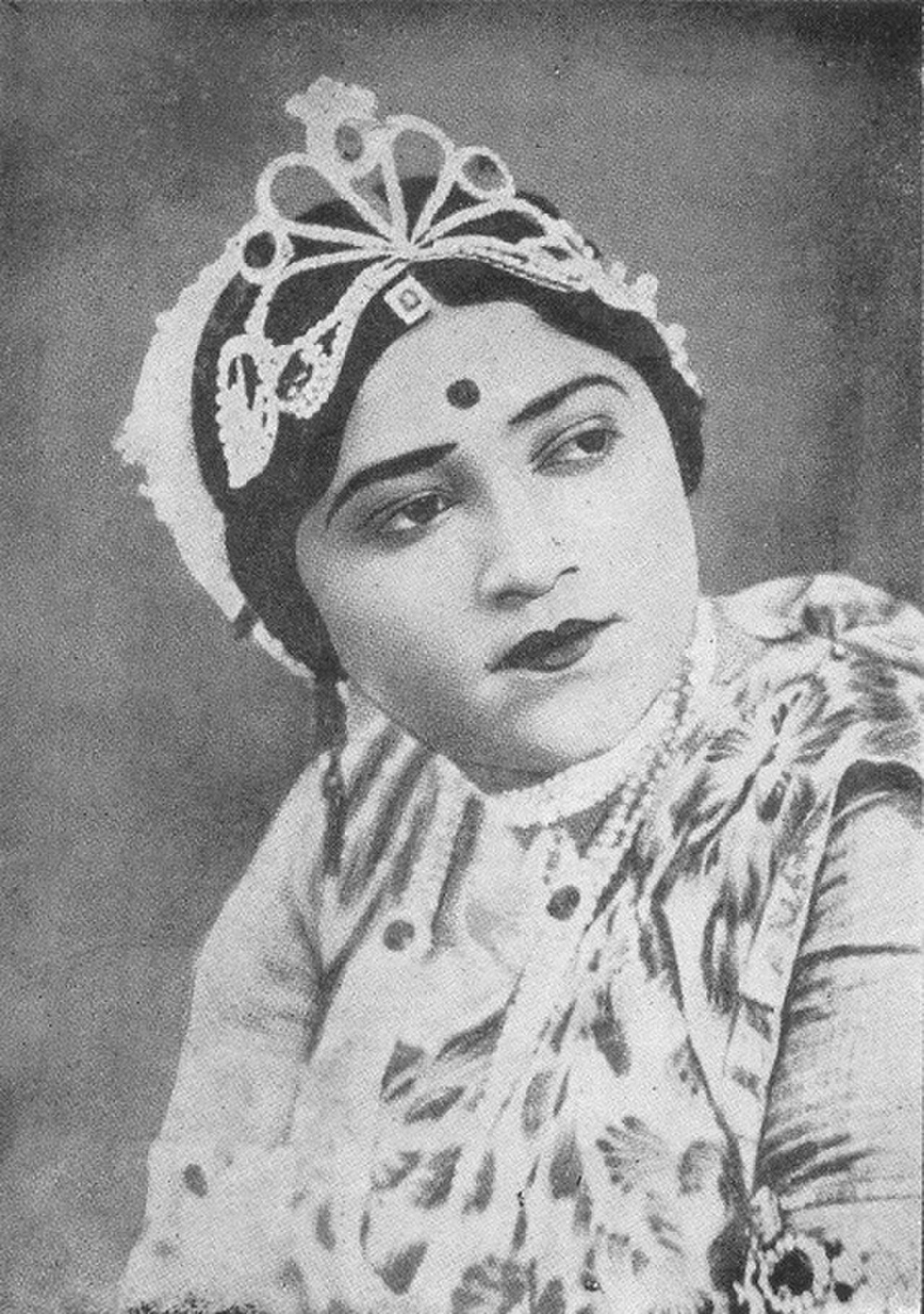
Ranjit's 'social' — a factory and a visionरणजीत मूवीटोन उन दिनों बंबई की सबसे बड़ी और सबसे व्यवस्थित फ़िल्म मशीन थी। 1932 तक इस बैनर ने उनतालीस फ़िल्में बना ली थीं — अधिकांश सामाजिक नाटक। 1930 के दशक में वह वर्ष में छह फ़िल्में देता था, तीन सौ से अधिक कलाकार और तकनीशियन उसके पेरोल पर थे। 'सोशल' — यानी समसामयिक, घरेलू, विवाह-परिवार-नारी-जीवन पर केंद्रित फ़िल्म — रणजीत की विशेषता थी। इस ढाँचे में गोहर मामाजीवाला का स्थान असाधारण था। वह न केवल रणजीत की प्रमुख अभिनेत्री थीं, बल्कि चंदुलाल शाह की जीवन-संगिनी और स्टूडियो की सह-स्वामिनी भी। 'भावनाओं की रानी' कहलाने वाली गोहर ने ही पहले 1927 में और फिर 1934 में गुणसुंदरी की भूमिका निभाई — एक ऐसी स्त्री जिसकी सहनशक्ति और गरिमा में दर्शक अपनी माँ, बहन, पत्नी को देखते थे। 'गुणसुंदरी' चौदह सप्ताह तक चली — उस दौर में यह असाधारण सफलता थी।
अंग्रेज़ी में पढ़ें · Read in English
Ranjit Movietone was in those years the most organised and productive film machine in Bombay. By 1932 the banner had made thirty-nine films — most of them social dramas. Through the thirties it released roughly six films a year, with more than three hundred artists and technicians on its payroll. The 'social' — the contemporary, domestic film centred on marriage, family and the lives of women — was Ranjit's speciality.
Within this structure, Gohar Mamajiwala occupied an extraordinary place. She was not merely Ranjit's lead actress but Chandulal Shah's life partner and the studio's co-owner. Known as 'the Queen of Emotions,' it was Gohar who played Gunsundari both in 1927 and again in 1934 — a woman whose endurance and dignity made audiences see their own mothers, sisters and wives on screen. Gunsundari ran for fourteen weeks — extraordinary success for the era.
घरेलू गीत — नई आवाज़, नई दुनिया
Domestic songs — a new voice, a new worldपार्श्वगायन अभी दशकों दूर था। 'गुणसुंदरी' (1934) में गोहर स्वयं गाती थीं — रेवाशंकर मारवाड़ी और गंगाप्रसाद पाठक के संगीत में। और ये गीत पौराणिक फ़िल्मों की धुनों से बिल्कुल अलग थे। 'जल भरने को मैं गई थी साँवरिया', 'गागरी छलक न जाय गोरी गागरी', 'चलो पतझड़ रुत बीत गई' — ये शीर्षक ही बताते हैं कि कहानी कहाँ उतर आई है: कुएँ पर, आँगन में, मौसम के बदलाव में। विरह, प्रतीक्षा, गृहस्थी की थकान और उसकी अपनी लय — ये भाव हिंदी गीत की परंपरा में पुराने हैं, लोकगीत में सदियों से हैं। लेकिन परदे पर, आधुनिक महानगर के सिनेमाघर में, इन्हें सुनना एक नया अनुभव था। जो दर्शक देवताओं के गीत सुनने आते थे, वे अब अपनी कथाएँ सुन रहे थे — और पहचान का वह आनंद, वह दर्पण-सुख, 'सोशल फ़िल्म' की असली शक्ति बन गया। 'गुणसुंदरी' की यह सफलता बताती है कि भारतीय दर्शक पुराण-कथाओं के साथ-साथ अपना घर-आँगन भी परदे पर देखना चाहता था। चंदुलाल शाह ने 1927 में यह भाँप लिया था; 1934 में उन्होंने उसे सवाक् रूप दिया। आने वाले दशकों में 'सामाजिक फ़िल्म' हिंदी सिनेमा की रीढ़ बनी — और उस रीढ़ की एक शुरुआती कड़ी यहाँ, 1934 की गुणसुंदरी में, ढूँढी जा सकती है।
अंग्रेज़ी में पढ़ें · Read in English
Playback singing was still decades away. In Gunsundari (1934) it was Gohar herself who sang — to the music of Rewashankar Marwadi and Gangaprasad Pathak. And these songs were entirely unlike the devotional melodies of the mythological films. 'Jal Bharne Ko Main Gayi Thi Sanwariya', 'Gagari Chhalak Na Jaay Gori Gagari', 'Chalo Patjhad Rut Beet Gayi' — the very titles tell you where the story has landed: at the well, in the courtyard, in the turning of seasons.
Longing, waiting, the weariness of housekeeping and its own quiet rhythms — these feelings are ancient in the Hindi song tradition, centuries old in folk music. But to hear them in a modern city cinema hall was a new experience. The audiences who had come to hear the songs of the gods were now hearing their own stories — and that pleasure of recognition, that mirror-joy, became the true power of the social film.
The success of Gunsundari signals that Indian audiences wanted to see not only gods and epics on screen but also their own courtyards and kitchens. Chandulal Shah had sensed this in 1927; in 1934 he gave it voice. In the decades to come the 'social film' became the spine of Hindi cinema — and one of the earliest joints of that spine can be found here, in the Gunsundari of 1934.
परिचय
IdentityEpithet
1934 — Gunsundari and Hindi cinema's turn toward the domestic
कहानी-नमूना
The Story Specimen| शीर्षक | घर का परदा उठाया · When the Screen Turned Homeward |
|---|---|
| श्रेणी | Music History |
| प्रकार | विशेष लेख |
| प्रकाशित | 20 June 2026 — admin |
| वर्ष | 1934 |
और कहानियाँ
More Stories from the Atlas
साझा कीजिए · Share this Plate
यह पन्ना आगे बढ़ाइए
सवाल-जवाब
Questions & Answers'गुणसुंदरी' (1934) को 'सोशल फ़िल्म' क्यों कहते हैं? · Why is Gunsundari (1934) called a 'social film'?
'सोशल' उन फ़िल्मों को कहते थे जो पौराणिक या ऐतिहासिक विषयों की जगह समसामयिक, घरेलू जीवन — विवाह, परिवार, नारी की स्थिति — पर केंद्रित हों। 'गुणसुंदरी' में कोई देवकथा नहीं, कोई राजमहल नहीं — बस एक साधारण गृहस्थ परिवार, एक उपेक्षित पत्नी, और उसकी कथा। यही इसे 'सोशल' बनाता है।
The 'social film' was the term for films centred on contemporary, domestic life — marriage, family, the situation of women — rather than mythological or historical subjects. Gunsundari contains no divine narrative and no royal court — only an ordinary household, a neglected wife, and her story. That is what makes it a social film.
क्या चंदुलाल शाह ने वाकई 'गुणसुंदरी' की कहानी दो बार परदे पर रखी? · Did Chandulal Shah really put the Gunsundari story on screen twice?
हाँ — पहले 1927 में मूक फ़िल्म के रूप में, जब सिनेमाघर में केवल तस्वीरें चलती थीं और संवाद नहीं। वह फ़िल्म असाधारण रूप से सफल रही। फिर 1934 में, जब सवाक् युग आ चुका था, उन्होंने उसी कहानी को आवाज़ और गीत दिए — और नई पीढ़ी के दर्शकों ने उसे फिर उतनी ही गर्मजोशी से अपनाया।
Yes — first in 1927 as a silent film, when only images moved on screen and dialogue was absent. That film was extraordinarily successful. Then in 1934, when the sound era had arrived, he gave the same story voice and song — and a new generation of audiences embraced it with equal warmth.