कहानियाँ विंग · कहानी · Music History · 1934
देवताओं से परे — 1934 का 'सामाजिक' सिनेमा और उसके गीत
Beyond Gods and Kings — The Reformist Social Film of 1934
प्रकाशित20 June 2026
आमुख
1934 में हिंदी सिनेमा ने देवलोक छोड़कर समाज का रुख़ किया — प्रेमचंद के उपन्यास पर बनी 'सेवा सदन', रणजीत की 'गुणसुंदरी', और न्यू थिएटर्स की 'चंदीदास' ने मिलकर एक ऐसी शैली को जन्म दिया जिसमें स्त्री की पीड़ा, घर का संघर्ष और सुधार की आकांक्षा थी — और जिसके गीत मंदिर से उतरकर गली और आँगन में आ बसे।
अंग्रेज़ी में पढ़ें · Read in English
In 1934 Hindi cinema left the heavens for society — Seva Sadan (based on Premchand's novel), Ranjit's Gunsundari, and New Theatres' Chandidas together gave birth to a genre in which women's suffering, domestic struggle and the hope for reform found voice — and whose songs descended from the temple to the street and the courtyard.
पुराण का परदा और उसके पार
The mythological screen — and beyond itहिंदी बोलती फ़िल्म के पहले तीन-चार वर्ष देवताओं, राजाओं और संतों के थे। पौराणिक और भक्ति फ़िल्में स्टूडियो की रीढ़ थीं — दर्शक परिचित कथाएँ चाहते थे, और निर्माता जानते थे कि भजन और स्तुति-गीत बिकते हैं। लेकिन 1930 के दशक के मध्य तक एक नई भूख उठ रही थी। औपनिवेशिक शहरों — बम्बई, कलकत्ता, लाहौर — में पढ़ी-लिखी पीढ़ी थी जो अपने समय की कथाएँ चाहती थी: घर के भीतर का संघर्ष, स्त्री की दुर्दशा, विधवापन का अभिशाप, कोठे की ज़िंदगी, और उस सबके बीच सुधार की सम्भावना। इस माँग का उत्तर जिस शैली ने दिया, उसे 'सामाजिक' (social) कहा गया — एक शब्द जो उर्दू-हिंदी फ़िल्म-संसार में एक पूरी वैचारिक प्रतिबद्धता का नाम बन गया।
अंग्रेज़ी में पढ़ें · Read in English
The first few years of Hindi talkie cinema belonged to gods, kings and saints. Mythological and devotional films were the industry's spine — audiences wanted familiar stories, and producers knew that bhajan and stuti sold. But by the mid-1930s a new hunger was rising. In the colonial cities — Bombay, Calcutta, Lahore — there was an educated generation that wanted the stories of its own time: the struggle inside the home, the plight of women, the curse of widowhood, life in the kothas, and the possibility of reform amid it all. The genre that answered this demand was called the 'social' — a word that, in the Urdu-Hindi film world, became the name of an entire ideological commitment.
प्रेमचंद की सुमन, रणजीत की गुणसुंदरी
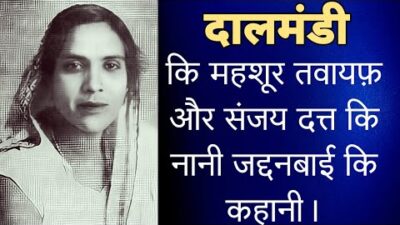
Premchand's Suman, Ranjit's Gunsundari1934 में दो फ़िल्मों ने इस उभरती हुई शैली को परिभाषित किया। मुंशी प्रेमचंद के उपन्यास 'बाज़ार-ए-हुस्न' (हिंदी में: 'सेवा सदन', प्रकाशित 1919) पर बनी फ़िल्म 'सेवा सदन' — जिसे नानूभाई वकील ने निर्देशित किया और जद्दनबाई (नर्गिस की माँ) ने अभिनय किया — उस कथा को परदे पर लाई जो एक सम्मानित परिवार की स्त्री सुमन की यात्रा थी: टूटा विवाह, कोठे की दुनिया, और अंततः देह-व्यापार की दुनिया छोड़कर 'सेवा सदन' नामक आश्रय में आना। प्रेमचंद ने स्वयं इस फ़िल्म के संवाद लिखे — यह हिंदी साहित्य और सिनेमा के बीच का एक ऐतिहासिक मिलन था। उसी वर्ष रणजीत मूवीटोन की 'गुणसुंदरी' — चंदूलाल शाह की 1927 की मूक फ़िल्म का सवाक् रूपांतरण — ने घरेलू मेलोड्रामा की एक नई भाषा रची: पितृसत्ता से जूझती, संयुक्त परिवार के भीतर अपना स्थान खोजती, बिना किसी देवीय हस्तक्षेप के — सिर्फ़ एक स्त्री के धैर्य और नैतिकता के बल पर। 185 मिनट की यह फ़िल्म 14 हफ़्ते चली — उस दौर का असाधारण कीर्तिमान।
अंग्रेज़ी में पढ़ें · Read in English
Two films in 1934 defined this emerging genre. The film Seva Sadan — directed by Nanubhai Vakil and starring Jaddanbai (mother of Nargis), based on Premchand's novel Bazaar-e-Husn (published in Hindi as Seva Sadan in 1919) — brought to the screen the story of Suman, a woman from a respectable family whose journey takes her through a broken marriage and the world of the kotha before she finds refuge in a shelter for destitute women. Premchand himself wrote the dialogues — a historic meeting of Hindi literature and cinema, even though he was reportedly unhappy with the adaptation. That same year, Ranjit Movietone's Gunsundari — Chandulal Shah's talkie remake of his own 1927 silent film — forged a new language for domestic melodrama: a woman navigating patriarchy and the pressures of the joint family, without any divine intervention, sustained only by her own patience and moral strength. The 185-minute film ran for fourteen weeks — an extraordinary record for its day.
गीत जो मंदिर से उतरे
Songs that descended from the templeयह 'सामाजिक' परिवर्तन केवल कथा का नहीं था — वह गीत का भी था। पौराणिक फ़िल्मों के भजन और स्तुतियाँ, जिनमें राग और तान की शास्त्रीय अनुशासनबद्धता थी, अब घरेलू दृश्यों की ज़रूरत के अनुसार ढलने लगे। 'सेवा सदन' के गीतों में स्त्री-जीवन की कोमलता थी — आधा श्रृंगार, आधा करुणा। उसी वर्ष न्यू थिएटर्स, कलकत्ता की 'चंदीदास' (निर्देशक: नितिन बोस) में के.एल. सहगल ने एक नई आवाज़ का परिचय दिया — एक आवाज़ जो शास्त्रीय राग पर टिकी तो थी, पर जिसमें शहरी अकेलेपन और मानवीय प्रेम की वह धुन थी जो मंदिर में नहीं, गली के मोड़ पर जन्म लेती है। 'प्रेम नगर में बनाऊँगी घर मैं' जैसे गीत ने सहगल को राष्ट्रीय ख्याति दी — और साथ ही यह भी सिद्ध किया कि सामाजिक फ़िल्म का गीत, पौराणिक फ़िल्म के गीत से कम लोकप्रिय नहीं हो सकता, बल्कि शायद अधिक। 'गुणसुंदरी' में रेवाशंकर मारवाड़ी और गंगाप्रसाद पाठक के दस गीत थे — शास्त्रीय और भक्ति तत्त्वों का सम्मिश्रण, पर कथा के भीतर घर की स्त्री की आवाज़ बनकर। उर्दू ग़ज़ल की तर्ज़ पर बने शहरी गीत अब परदे पर आ रहे थे — कोठे की रात, टूटे सपने, और उस सबके बीच मानवीय गरिमा की तलाश।
अंग्रेज़ी में पढ़ें · Read in English
This 'social' shift was not only of story — it was of the song itself. The bhajans and stutis of mythological films, disciplined by classical raag and taan, now began reshaping themselves to the needs of domestic scenes. The songs of Seva Sadan carried the tenderness of women's lives — half shringar, half karuna. That same year, New Theatres' Chandidas (director: Nitin Bose) introduced K.L. Saigal's voice to a nationwide audience — a voice rooted in classical raag but carrying the urban solitude and human love that is born not in a temple but at a street corner. Songs like 'Prem Nagar Mein Banaoongi Ghar Main' brought Saigal national fame, and proved that the social film's song need not be less popular than the mythological's — perhaps it could be more so. Gunsundari's ten songs by Rewashankar Marwadi and Gangaprasad Pathak blended classical and devotional elements but gave them voice as the inner speech of a woman inside a home. Urban songs modelled on the Urdu ghazal were arriving on screen — the night of the kotha, broken dreams, and amid it all the search for human dignity.
परिचय
IdentityEpithet
When the screen left the heavens for the street, and the song descended from temple to home
कहानी-नमूना
The Story Specimen| शीर्षक | देवताओं से परे — 1934 का 'सामाजिक' सिनेमा और उसके गीत · Beyond Gods and Kings — The Reformist Social Film of 1934 |
|---|---|
| श्रेणी | Music History |
| प्रकार | विशेष लेख |
| प्रकाशित | 20 June 2026 — admin |
| वर्ष | 1934 |
और कहानियाँ
More Stories from the Atlas

साझा कीजिए · Share this Plate
यह पन्ना आगे बढ़ाइए
सवाल-जवाब
Questions & Answersहिंदी सिनेमा में 'सामाजिक' फ़िल्म की शैली क्या थी और वह 1930 के दशक में क्यों उभरी? · What was the 'social' film genre in Hindi cinema and why did it emerge in the 1930s?
'सामाजिक' फ़िल्में वे थीं जो देवताओं या ऐतिहासिक राजाओं की नहीं, बल्कि समकालीन समाज की कथाएँ कहती थीं — स्त्री की दुर्दशा, विधवापन, कोठे की दुनिया, घरेलू संघर्ष और सुधार। 1930 के दशक के मध्य तक शहरी, शिक्षित दर्शक अपने समय की कथाएँ चाहते थे, और प्रेमचंद जैसे साहित्यकारों का प्रभाव था — इसीलिए यह शैली उभरी और जड़ पकड़ी।
'Social' films were those that told stories not of gods or historical kings but of contemporary society — women's suffering, widowhood, the world of the kotha, domestic struggle and reform. By the mid-1930s an urban, educated audience wanted stories of its own time, and the influence of writers like Premchand was felt — this is why the genre emerged and took root.
1934 के 'सामाजिक' गीत पौराणिक गीतों से कैसे अलग थे? · How were the 'social' songs of 1934 different from mythological songs?
पौराणिक फ़िल्मों के गीत मुख्यतः भजन, स्तुति और आरती के रूप में थे — शास्त्रीय रागों में बँधे, देव-स्तवन के भाव से भरे। 'सामाजिक' फ़िल्मों के गीत घर के आँगन में उतरे: उर्दू ग़ज़ल की तर्ज़ पर, श्रृंगार और करुणा के मिश्रण के साथ, और मानवीय प्रेम व पीड़ा की भाषा में — जो शहरी दर्शक के दिल के क़रीब थी।
Mythological songs were primarily bhajans, stutis and aartis — bound to classical raags, full of devotional feeling toward the divine. The songs of 'social' films descended to the domestic courtyard: modelled on the Urdu ghazal, blending shringar and karuna, in the language of human love and suffering — closer to the heart of the urban audience.