कहानियाँ विंग · कहानी · Music History · 1934
सीता और वेनिस
Seeta and Venice
प्रकाशित20 June 2026
आमुख
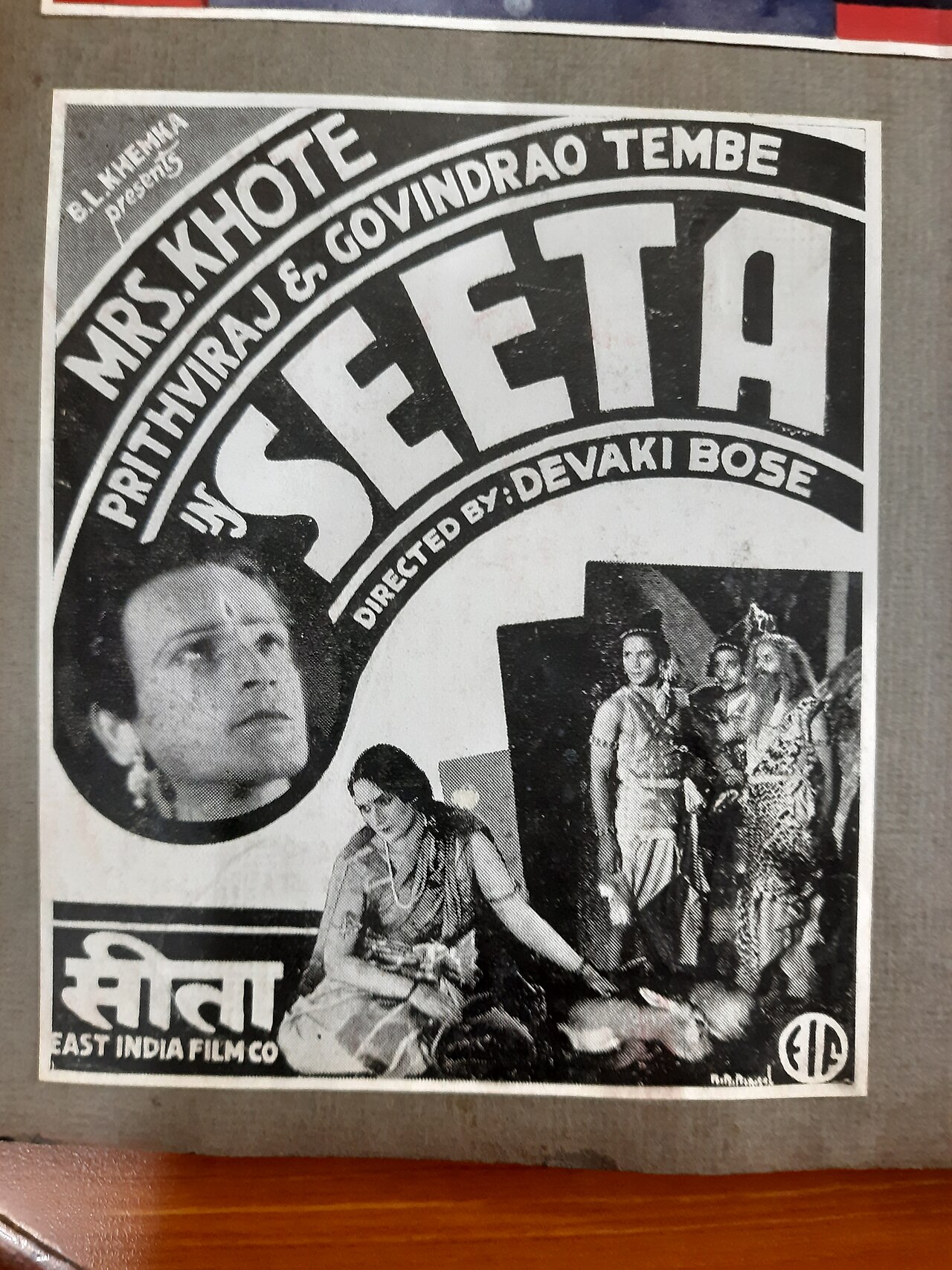
ईस्ट इंडिया फ़िल्म कंपनी की 1934 की फ़िल्म 'सीता' — देवकी कुमार बोस निर्देशित, पृथ्वीराज कपूर और दुर्गा खोटे अभिनीत — वेनिस के द्वितीय अंतरराष्ट्रीय फ़िल्म महोत्सव में मानद डिप्लोमा पाने वाली पहली भारतीय फ़िल्म बनी, और बोस पहले भारतीय निर्देशक जिन्हें अंतरराष्ट्रीय सम्मान मिला।
अंग्रेज़ी में पढ़ें · Read in English
The East India Film Company's 1934 film Seeta — directed by Debaki Kumar Bose and starring Prithviraj Kapoor and Durga Khote — became the first Indian film to receive an Honorary Diploma at the 2nd Venice International Film Festival, making Bose the first Indian director to earn international recognition.
कलकत्ते की एक फ़िल्म, एक पुरानी कथा
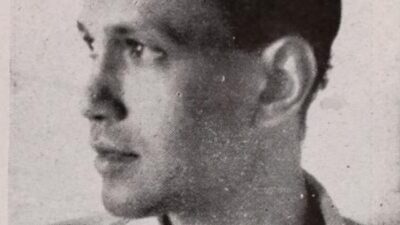
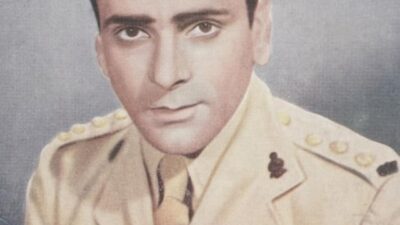
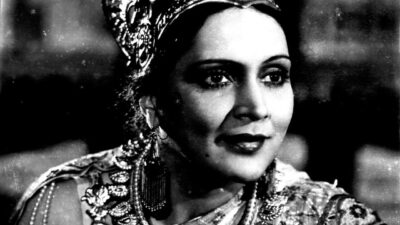
A Calcutta film, an ancient story1934 में ईस्ट इंडिया फ़िल्म कंपनी, कलकत्ता ने वह फ़िल्म बनाई जिसे आज भारतीय सिनेमा का पहला अंतरराष्ट्रीय प्रतिनिधि कहा जाता है। नाम था 'सीता' — रामायण की जिस कथा को भारत सहस्त्र वर्षों से जानता था, उसे देवकी कुमार बोस ने पहली बार एक सवाक् फ़िल्म के रूप में प्रस्तुत किया। पृथ्वीराज कपूर ने राम की भूमिका निभाई — लंबे, राजसी, उस युग की हिंदी परदे की सबसे प्रभावशाली उपस्थितियों में से एक। सीता की भूमिका दुर्गा खोटे ने की — वे मराठी रंगमंच से आई थीं, और उनकी आँखों में वह गरिमा थी जो एक देवी को मनुष्य बनाती है, मनुष्य को देवी नहीं। कश्मीर के जंगलों से गुज़रती वनवास-यात्रा, राजसी दरबार के दृश्य, और गीत — जो उस दशक में नई कला-विधा थी — सबने मिलकर एक ऐसी फ़िल्म बनाई जो अपने समय के भारत की सबसे महत्त्वाकांक्षी कलात्मक कृतियों में से थी।
अंग्रेज़ी में पढ़ें · Read in English
In 1934 the East India Film Company of Calcutta made the film that Indian cinema history now calls its first international representative. Its name was Seeta — the story that India had known for a thousand years, presented for the first time by director Debaki Kumar Bose as a full-length sound film. Prithviraj Kapoor played Ram — tall, regal, one of the most commanding presences on the Hindi screen of that decade. Durga Khote played Seeta — she had come from the Marathi stage, and her eyes held the dignity that makes a goddess human rather than a human divine. The forest exile through Kashmir's landscapes, the splendour of the court, and the songs — still a new art form in that decade — together produced one of the most ambitious artistic works that Indian cinema had yet attempted.
अगस्त 1934, वेनिस — और एक मानद डिप्लोमा
August 1934, Venice — and an Honorary Diplomaअगस्त 1934 में इटली के वेनिस नगर में द्वितीय अंतरराष्ट्रीय फ़िल्म महोत्सव आयोजित हुआ — वह महोत्सव जिसमें कैथरीन हेपबर्न की 'लिटिल वुमन' और 'मैन ऑफ़ अरान' जैसी श्रेष्ठ कृतियाँ प्रतिस्पर्धा में थीं। इन्हीं के बीच एक भारतीय फ़िल्म प्रदर्शित हुई — 'सीता'। महोत्सव के निर्णायकों ने 'सीता' को मानद डिप्लोमा (Honorary Diploma) से सम्मानित किया। यह भारतीय सिनेमा के इतिहास में पहली बार था कि किसी भारतीय फ़िल्म को किसी प्रमुख अंतरराष्ट्रीय महोत्सव में औपचारिक रूप से मान्यता मिली, और देवकी कुमार बोस उस उपलब्धि के पहले भारतीय निर्देशक बने। कलकत्ते के एक स्टूडियो से उठी एक राम-कथा वेनिस की लैगून तक पहुँची थी।
अंग्रेज़ी में पढ़ें · Read in English
In August 1934 the second Venice International Film Festival gathered in the lagoon city — a competition that included Katharine Hepburn's Little Women, Man of Aran, and other works of the first rank in world cinema. Among them screened an Indian film: Seeta. The festival jury awarded Seeta an Honorary Diploma. It was the first time in Indian cinema history that a film had received formal recognition at a major international festival, and Debaki Kumar Bose became the first Indian director to earn that distinction. A Ram-story from a Calcutta studio had reached the lagoons of Venice.
देवकी बोस — ध्वनि का शिल्पी
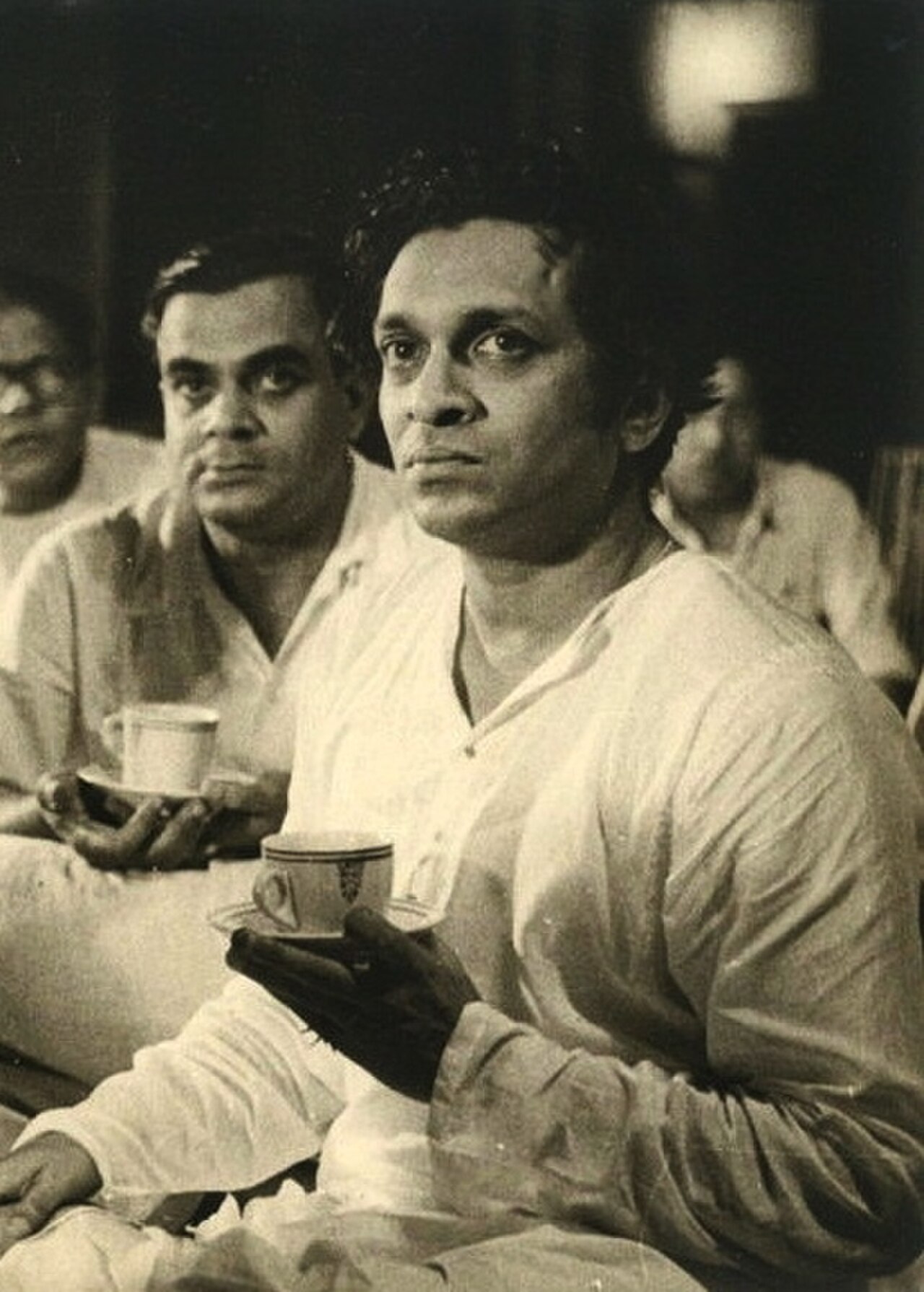
Debaki Bose — the craftsman of soundदेवकी कुमार बोस (1898–1971) उस पीढ़ी के निर्देशक थे जिन्होंने मूक फ़िल्मों से सवाक् फ़िल्मों की ओर संक्रमण को केवल एक तकनीकी बाधा नहीं, बल्कि एक नई काव्य-भाषा की संभावना के रूप में देखा। बंगाली और हिंदी — दोनों भाषाओं में उन्होंने ऐसी फ़िल्में बनाईं जिनमें गीत और संगीत कथानक के बाहर नहीं, भीतर बुने हुए थे। 'सीता' में उन्होंने संस्कृत-काव्य की लय को तत्कालीन फ़िल्म-संगीत की नई संभावनाओं से जोड़ा। वेनिस का डिप्लोमा उनके लिए व्यक्तिगत पुरस्कार से अधिक एक संकेत था — कि भारत की कथा-परंपरा विश्व-सिनेमा के साथ संवाद करने योग्य है। दुर्गा खोटे — जो आगे चलकर भारत की सबसे बहुमुखी और दीर्घकालिक अभिनेत्रियों में से एक बनीं — ने 'सीता' में वह भूमिका निभाई जिसने उन्हें राष्ट्रीय पहचान दी। पृथ्वीराज कपूर ने उसी वर्ष अपनी उपस्थिति से हिंदी सिनेमा को एक नई आकृति दी — और आने वाले दशकों में उनका नाम रंगमंच तथा सिनेमा दोनों का पर्याय बन गया।
अंग्रेज़ी में पढ़ें · Read in English
Debaki Kumar Bose (1898–1971) was a director of the generation that saw the transition from silent to sound film not as a technical obstacle but as the possibility of an entirely new poetic language. In both Bengali and Hindi, he made films in which song and music were woven into the narrative rather than appended to it. In Seeta he joined the rhythms of Sanskrit-epic poetry to the new possibilities of sound-film music. The Venice diploma meant to him more than a personal award — it was a signal that India's storytelling tradition was capable of dialogue with world cinema. Durga Khote — who would go on to become one of Indian cinema's most versatile and long-lasting actresses — played the role in Seeta that gave her national recognition. Prithviraj Kapoor in that same year gave Hindi cinema a new defining presence, and in the decades that followed his name became synonymous with both stage and screen.
परिचय
Identity- Epithet
- When an Indian Ram-story knocked on the door of world cinema
अन्य विवरण
More DetailsKey Figures
कहानी-नमूना
The Story Specimen| शीर्षक | सीता और वेनिस · Seeta and Venice |
|---|---|
| श्रेणी | Music History |
| प्रकार | विशेष लेख |
| प्रकाशित | 20 June 2026 — admin |
| वर्ष | 1934 |
और कहानियाँ
More Stories from the Atlas
साझा कीजिए · Share this Plate
यह पन्ना आगे बढ़ाइए
सवाल-जवाब
Questions & Answersभारत की पहली अंतरराष्ट्रीय पुरस्कार-विजेता फ़िल्म कौन-सी है? · Which is the first Indian film to win an international award?
'सीता' (1934) — देवकी कुमार बोस निर्देशित, ईस्ट इंडिया फ़िल्म कंपनी, कलकत्ता द्वारा निर्मित। इसे वेनिस के द्वितीय अंतरराष्ट्रीय फ़िल्म महोत्सव (अगस्त 1934) में मानद डिप्लोमा प्राप्त हुआ — किसी भारतीय फ़िल्म को प्रमुख अंतरराष्ट्रीय महोत्सव में मिली पहली औपचारिक मान्यता।
Seeta (1934), directed by Debaki Kumar Bose and produced by the East India Film Company, Calcutta. It received an Honorary Diploma at the 2nd Venice International Film Festival (August 1934) — the first formal recognition given to an Indian film at a major international festival.
'सीता' (1934) में राम और सीता की भूमिका किसने निभाई? · Who played Ram and Seeta in the 1934 film Seeta?
राम की भूमिका पृथ्वीराज कपूर ने निभाई और सीता की भूमिका दुर्गा खोटे ने। दोनों उस दशक के हिंदी सिनेमा के सबसे प्रतिष्ठित नाम थे।
Ram was played by Prithviraj Kapoor and Seeta by Durga Khote — two of the most distinguished names in Hindi cinema of that decade.