कहानियाँ विंग · कहानी · Music Theory
वसंत, वर्षा, और शाश्वतता: कैसे ग्रामोफ़ोन रिकॉर्ड्स ने भारत की ऋतु गीत परंपराओं को संरक्षित किया
Spring, Monsoon, and Eternity: How Gramophone Records Preserved India's Seasonal Song Traditions
1905 में, कजरी, होरी और बहार परंपराओं को डिस्क पर कैप्चर किया गया — अनुष्ठान संगीत को समय में जमा दिया गया और क्षणभंगुर लोक रूपों को विनाश से बचाया गया
प्रकाशित31 March 2026 पाठ९ मिनट का पाठ
आमुख
ध्वनि में अनुष्ठान वर्ष
The Ritual Year in Soundभारतीय कृषि समाज हमेशा ऋतुओं की लय से जुड़ा हुआ है। प्रत्येक ऋतु अपने उत्सव, समारोह, और अनुष्ठान लाती है — और प्रत्येक का अपना संगीत है। जब मानसून आते हैं, तो कजरी गाई जाती है, पारंपरिक रूप से महिलाओं द्वारा लंबी बारिश के दौरान गाई जाती है, अनुपस्थित प्रेमियों की खेड़ी बदली से भरी। वसंत खुशी की बहार ले आता है, होरी उत्सव, जहाँ निर्दोष हास्य आध्यात्मिक लालसा के साथ मिश्रित होता है। सामान्य ऋतु विविधताएँ व्यापक अरूप में कैप्चर की गई हैं जिसे बहार कहा जाता है, जिसका अर्थ है 'वसंत' या 'खिल रहे हैं', जो एकाधिक रागों के तत्व एकीकृत करते हैं ऋतु परिवर्तन की भावना को कैप्चर करने के लिए। ये 'शास्त्रीय' रूप नहीं हैं ख़याल या ग़ज़ल के अर्थ में। उनके पास दार्शनिक गहराई या राग-आधारित संगीत की टोनल जटिलता नहीं है। फिर भी उनके पास भारतीय जीवन के समान गहरे संबंध हैं। सदियों के लिए, गाँव की महिलाएँ माताओं और दादियों से कजरी सीखती हैं, परंपरा के माध्यम से गीत को पारित करती हैं। होरी गाँव में सामूहिक रूप से गाई जाती है, पूर्ण भागीदारी के साथ। ये अनुष्ठान संगीत हैं, व्यावहारिक प्रदर्शन नहीं। लेकिन अंतिम उन्नीसवीं सदी तक, शहरीकरण और ब्रिटिश सांस्कृतिक प्रभुत्व ने इन परंपराओं को खतरे में डाल दिया। युवा लोग शहरों को पलायन कर रहे थे। औपनिवेशिक स्कूल शिक्षा के लिए माता-पिता को संगीत प्रशिक्षण के बजाय अलग कर रहे थे। परंपरागत अनुष्ठान समय कम हो रहे थे। रेडियो अभी तक मौजूद नहीं था, इसलिए इन गीतों को संरक्षित करने का कोई तकनीकी साधन नहीं था। यदि परंपरा खो गई, तो यह पूरी तरह से गायब हो गई होगी।
अंग्रेज़ी में पढ़ें · Read in English
Indian agricultural society has always been bound to the rhythm of seasons. Each season brought its own festivals, celebrations, and rituals — and each had its own music. The monsoon brought the Kajri (sometimes spelled Kajari or Kajaria), songs traditionally sung by women during the long rains, filled with playful complaint about absent lovers and longing for their return with the harvest. Spring brought the Hori, exuberant celebrations of fertility and renewal, where ribald humor mixed with spiritual yearning. The general seasonal variations were captured in the broader form known as Bahar, meaning 'spring' or 'blossoming,' which incorporated elements of multiple raags to capture the feeling of seasonal transformation.
These weren't 'classical' forms in the sense that Khayal or Ghazal were. They didn't have the philosophical depth or the tonal complexity of raag-based khayal music. Yet they had an equally profound connection to Indian life. For centuries, village women had learned Kajri from mothers and grandmothers, passing the form down through oral tradition. The melodies, the rhythmic patterns, the lyrical themes — all evolved slowly over generations, shaped by the experiences and memories of ordinary people. The Hori was sung communally, with full participation from the village. It was participatory music, not professional performance.
But by the late nineteenth century, urbanization and British cultural dominance were threatening these traditions. Young people were leaving villages for cities. The traditional ritual occasions for singing — monsoon gatherings, spring celebrations — were becoming less common as village life was disrupted by colonial economy. There was a genuine risk that forms like Kajri and Hori, which existed only in oral tradition, would vanish forever.
गौहर जान और कजरी परंपरा
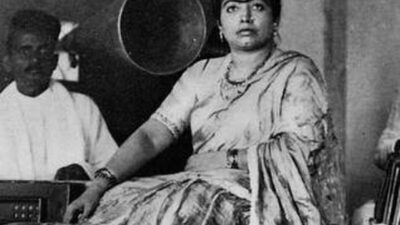
Gauhar Jaan and the Kajri Traditionगौहर जान कभी कजरी को नहीं गाया जैसे एक गाँव की महिला करती। उनकी कजरी रिकॉर्डिंग कला संगीत थीं — परिष्कृत, तकनीकी रूप से परिष्कृत, और शास्त्रीय परंपरा में प्रदर्शित। फिर भी 1905 की शुरुआत में 'कजरी सॉवना' रिकॉर्ड करते समय, वह कुछ क्रांतिकारी कर रहीं: वह एक लोक परंपरा को संगीत कक्षा में ले जा रहीं, इसे शास्त्रीय प्रशिक्षण के लेंस के माध्यम से रूपांतरित करते हुए अपनी आवश्यक संरक्षण के लिए। कजरी राग भैरवी पर बनाई गई है — एक राग विशेष रूप से मानसून मनोदशा के लिए सुविधाजनक। भैरवी अंतर्निहित उदास है, निचले टेट्राकॉर्ड के माध्यम से विशेषता अवरोहण लंबी बारिश की भावना को व्यक्त करते हुए और प्रतीक्षा की लालसा के साथ। लेकिन उस राग के भीतर, कजरी गायकें पारंपरिक रूप से सुधार के लिए कमरा छोड़ते हैं, लोक तत्वों को जोड़ने के लिए, एक प्रत्यक्षता की भावना के लिए जो आमतौर पर अधिक औपचारिक राग संगीत में मौजूद नहीं है। जब गौहर जान ने अपनी कजरी रिकॉर्ड किया, उसे एक समस्या का समाधान करना था: कैसे शास्त्रीय परिष्कार के कब्जे को बनाए रखते हुए लोक प्रामाणिकता को कैप्चर करें। उनका समाधान एक 'कला लोक' संस्करण बनाना था — पारंपरिक कजरी (अलगाववादी की खिलवाड़, मानसून कल्पना, साथी की वापसी के लिए लालसा) की भाषाई और विषयगत सामग्री बनाए रखते हुए, आवाज़ के परिष्कार के साथ प्रस्तुत किया गया जो उसे तुलनीय बनाता है। रिकॉर्डिंग उसे राग भैरवी का धीमा, ध्यानमग्न अन्वेषण शुरू करते हुए दिखाती है, टोनल संदर्भ स्थापित करते हुए, फिर क्रमिक रूप से विशेषता कजरी मधुर वाक्यांशों में चल रहे हैं। वह हर शब्द को स्पष्ट करती है, पूर्ण परिशुद्धता के साथ श्वास नियंत्रण करती है, और (gamakas और meends) को भावनात्मक प्रभाव गहरा करने के लिए उपयोग करती है बिना पाठ को समझौता किए। सबसे उल्लेखनीय, रिकॉर्डिंग कजरी को जीवंत परंपरा के रूप में कैप्चर करती है। यह एक संग्रहालय टुकड़े नहीं है, जातीय दूरी के साथ प्रदर्शित। यह कला का एक काम है, एक प्रतिभाशाली संगीतकार द्वारा बनाया गया, पूरी तरह से रूप की भावनात्मक सामग्री में संलग्न। 1905 के श्रोताओं को सुन सकते थे कि कजरी, सही तरीके से प्रदर्शन किया गया था, किसी भी शास्त्रीय रूप के समान — और पारंपरिक गाँव महिलाओं का संगीत, जब महान कला के माध्यम से ऊपर उठाया गया, किसी भी परिष्कृत संगीत परंपरा के बराबर प्रतिद्वंद्वी कर सकता है।
अंग्रेज़ी में पढ़ें · Read in English
Gauhar Jaan never sang Kajri as a village woman would have. Her Kajri recordings were art music — sophisticated, technically polished, and performed in the classical tradition. Yet in recording Kajri Sawnna in early 1905, she was doing something revolutionary: she was bringing a folk tradition into the concert hall, transforming it through the lens of classical training while preserving its essential character.
The Kajri is built on the raag Bhairavi — a raag particularly suited to monsoon mood. Bhairavi is inherently melancholic, with a characteristic descent through the lower tetrachord that evokes the long rains and the sense of waiting and longing. But within that raag, Kajri singers traditionally leave room for improvisation, for the addition of folk elements, for a directness of emotion that isn't always present in more formal raag music. When Gauhar Jaan recorded her Kajri, she had to solve a problem: how to capture both the classical sophistication of her training and the folk authenticity of the form.
Her solution was to create what might be called an 'art folk' version — maintaining the linguistic and thematic content of traditional Kajri (the playful complaint about separation, the monsoon imagery, the yearning for the beloved's return), while rendering it with the vocal sophistication that made her incomparable as a performer. The recording shows her beginning with a slow, meditative exposition of the raag Bhairavi, establishing the tonal context, and then gradually moving into the characteristic Kajri melodic phrases. She articulates every word, controls her breath with absolute precision, and uses ornamentation (gamakas and meends) to deepen the emotional impact without compromising the text.
Most remarkably, the recording captures the Kajri as a living tradition. It's not a museum piece, performed with ethnographic distance. It's a work of art, created by a genius musician, fully engaged with the form's emotional content. Listeners in 1905 could hear that the Kajri, when properly performed, was the equal of any classical form — and that traditional village women's music, when elevated through great artistry, could rival the most sophisticated musical traditions.
होरी संरक्षित
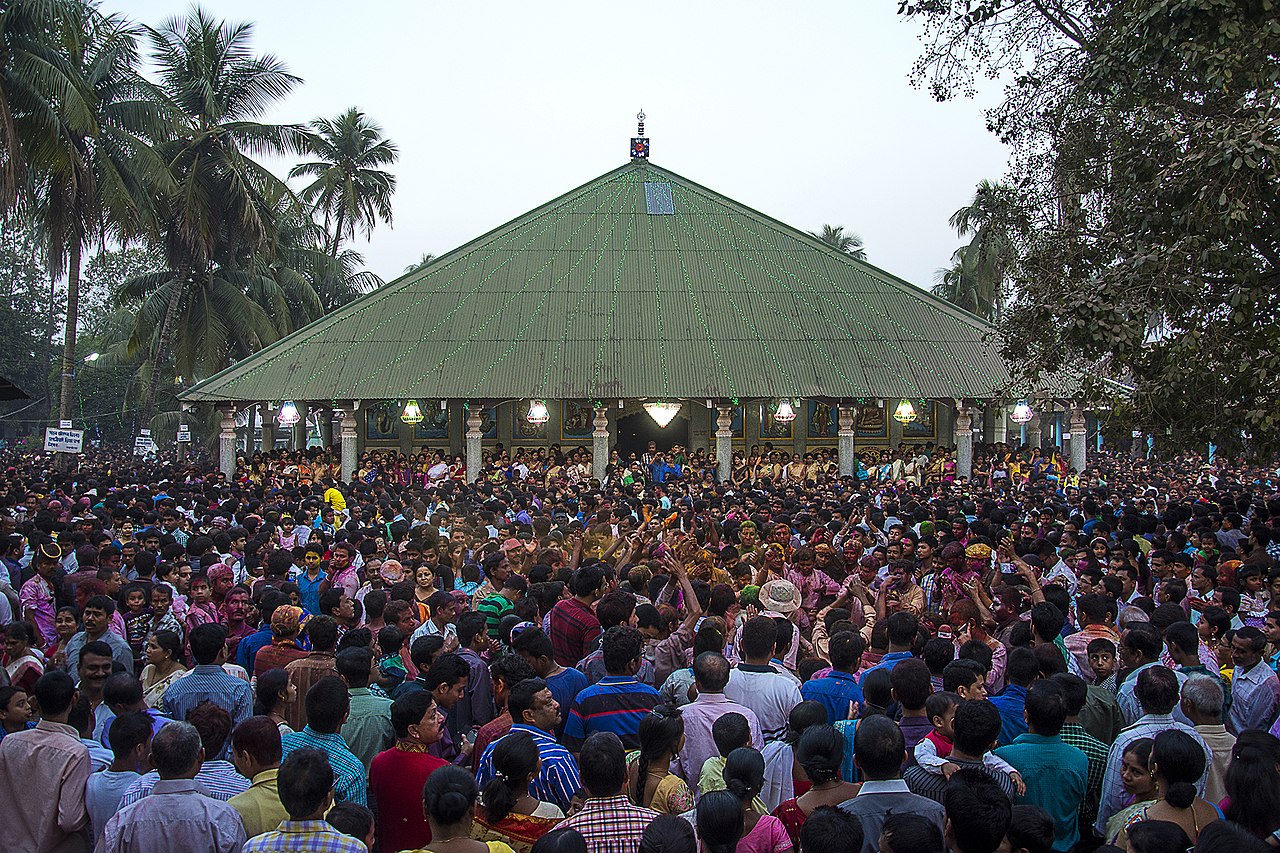
The Hori Preservedजंकी बाई की होरी रिकॉर्डिंग मौसमी संगीत के एक अलग आयाम को कैप्चर करती है। होरी, परंपरागत रूप से होली के दौरान गाई जाती है (वसंत का रंग त्योहार), कजरी से बहुत अलग चरित्र है। होरी उत्साही है, मनोरंजक, अक्सर खुले तौर पर यौन इसकी कल्पना और भाषा में। होली के दौरान महिलाएँ परंपरागत रूप से पुरुषों को छेड़ते हैं, मजाक करते हैं, नाटक करते हैं अपमान — एक अनुष्ठान स्थान बनाते हुए जहाँ सामाजिक पदानुक्रम अस्थायी रूप से उलट जाते हैं। संगीत इसे प्रतिबिंबित करता है: यह लय में आग्रहपूर्ण है, सामंजस्यपूर्ण रूप से उज्ज्वल (अक्सर राग काफ़ी या भैरव के प्रमुख समकक्ष रूपों का उपयोग करते हुए), और पाठ रूप से दोहरे अर्थों और वर्डप्ले के घने के साथ। जब जंकी बाई ने 1905 में 'होरी ब्रज की' गाया, वह कुछ कैप्चर करती है जो कभी पहले संरक्षित नहीं किया गया था: लोक समारोह की प्रामाणिकता। उसकी आवाज़, मजबूत और स्पष्ट, रूप की उत्साह साथ। रिकॉर्डिंग हमें सुनने में मदद करती है कि होरी कैसे जाना चाहिए — सीधेपन के साथ, हास्य के साथ, एक महिला की आवाज़ के साथ दावा करती है। 1905 में एक श्रोता के लिए, और निश्चित रूप से आज एक श्रोता के लिए, रिकॉर्डिंग होरी को एक जीवंत सांस्कृतिक अभ्यास के रूप में संरक्षित करती है, एक मृत परंपरा नहीं। फिर भी इन रिकॉर्डिंग में कुछ कड़वा है। वे परंपराओं को एक क्षण पर कैप्चर करते हैं जब वे खतरे में थीं। वास्तव में, एक पेशेवर रिकॉर्डिंग कलाकार ने महसूस किया कि वे मौसमी लोक रूपों को रिकॉर्ड करने की आवश्यकता थी यह सुझाव देता है कि उनकी जीवित रहने को लगातार नहीं माना जा सकता। ग्रामोफ़ोन रिकॉर्ड, मूल रूप से वाणिज्यिक शोषण के लिए एक उपकरण, संरक्षण का एक संग्रह बन गया — शहरीकरण और औपनिवेशिकवाद को नष्ट करने का एक तरीका।
अंग्रेज़ी में पढ़ें · Read in English
Janki Bai's recordings of Hori capture a different dimension of seasonal music. The Hori, traditionally sung during Holi (the spring festival of colors), has a character very different from the melancholic Kajri. Hori is exuberant, celebratory, often openly sexual in its imagery and language. Women singing Hori traditionally tease men, make jokes, engage in playful insults — creating a ritual space where social hierarchies are temporarily overturned. The music reflects this: it's rhythmically insistent, harmonically bright (often using raag Kafi or Bhairav's major equivalent forms), and textually dense with double meanings and puns.
When Janki Bai sang Hori Braj Ki in 1905, she was capturing something that had never before been preserved: the authenticity of folk celebration. Her voice, strong and clear, carries the exuberance of the form. The recording allows us to hear how Hori is meant to be sung — with directness, with humor, with the voice of a woman claiming agency within the ritual. For a listener in 1905, and certainly for a listener today, the recording preserves the Hori as a living cultural practice, not a dead tradition.
Yet there's something bittersweet about these recordings. They capture traditions at a moment when those traditions were under threat. The very fact that a professional recording artist felt the need to record seasonal folk forms suggests that their survival could no longer be taken for granted. The gramophone record, originally a technology for commercial exploitation of music, became an archive of cultural memory — a way of preserving practices that urbanization and colonialism were destroying.
मानसून राग और भावनात्मक भूगोल
Monsoon Raags and Emotional Geography1905 में रिकॉर्ड किए गए मौसमी परंपराएँ भारत की राग प्रणाली से अविभाज्य हैं। मानसून रूप (कजरी, मल्हार संस्करण) ऐसे रागों पर निर्मित हैं जो अंतर्निहित रूप से मानसून से जुड़े हैं। वसंत रूप (बहार, होरी) ऐसे रागों का उपयोग करते हैं जो वसंत की ऊर्जा और चमक को कैप्चर करते हैं। यह संयोग नहीं है। सदियों के पार, भारतीय शास्त्रीय संगीतकारों ने राग के माध्यम से भावनात्मक मैपिंग की एक गहरी प्रणाली विकसित की। प्रत्येक राग एक विशेष दिन का समय, एक विशेष ऋतु, एक विशेष भावनात्मक अवस्था के साथ जुड़ा हुआ था। राग प्रणाली बाहरी प्राकृतिक दुनिया को आंतरिक भावनात्मक अनुभव में अनुवाद करने के लिए एक रूपरेखा प्रदान करती है। जब गौहर जान ने 1905 में सरंग मल्हार गाया (शाब्दिक रूप से 'सरंग बारिश' — एक राग जिसका नाम स्वयं मानसून मनोदशा को संरक्षित करता है), वह एक परंपरा में भाग ले रहीं जो सदियों पीछे तक विस्तारित होती है — लेकिन वह भी कुछ पूरी तरह से नया बनाती है, क्योंकि उसकी राग की व्याख्या अद्वितीय थी, उसकी व्यक्तिगत कलात्मकता और ऐतिहासिक क्षण द्वारा आकार दिया गया। 1905 की रिकॉर्डिंग इस राग-मौसमी नेक्सस को पूरी तरह से संरक्षित करती है। हम सुन सकते हैं कि कैसे भैरवी उदासी और प्रतीक्षा को कोडित करता है, कैसे सरंग मल्हार मानसून आगमन की ध्वनि और भावना को कैप्चर करता है, कैसे काफ़ी वसंत की उत्साह और उर्वरता को व्यक्त करता है। रिकॉर्डिंग अनिवार्य रूप से भारत के भावनात्मक भूगोल का एक संगीत मानचित्र है — दिखा रहे हैं कि मानसून का मौसम मौसम और कृषि नहीं बल्कि भावना, ध्वनि के रूप में कैसे अनुभव किया गया होगा, संगीत।
अंग्रेज़ी में पढ़ें · Read in English
The seasonal traditions recorded in 1905 are inseparable from India's system of raags. The monsoon forms (Kajri, Malhar variants) are built on raags like Bhairavi and Sarang Malhar that are intrinsically connected to the monsoon season. The spring forms (Bahar, Hori) use raags like Kafi and Bhairav that capture the energy and brightness of spring.
This isn't coincidence. Over centuries, Indian classical musicians developed a profound system of emotional mapping through raag. Each raag was associated with a particular time of day, a particular season, a particular emotional state. The raag system provided a framework for translating the external natural world into internal emotional experience. When Gauhar Jaan sang Sarang Malhar (literally 'Sarang rains' — a raag whose name itself commemorates the monsoon) in 1905, she was participating in a tradition that extended back centuries — but she was also creating something entirely new, because her interpretation of the raag was unique, shaped by her individual artistry and historical moment.
The 1905 recordings preserve this raag-seasonal nexus perfectly. We can hear how Bhairavi encodes melancholy and waiting, how Sarang Malhar captures the sound and feeling of monsoon arrival, how Kafi expresses the exuberance and fertility of spring. The recordings are, in a sense, a musical map of India's emotional geography — showing how a regional farmer in the monsoon season would have experienced the world not just as weather and agriculture, but as feeling, as sound, as music.
स्मृति का संग्रह
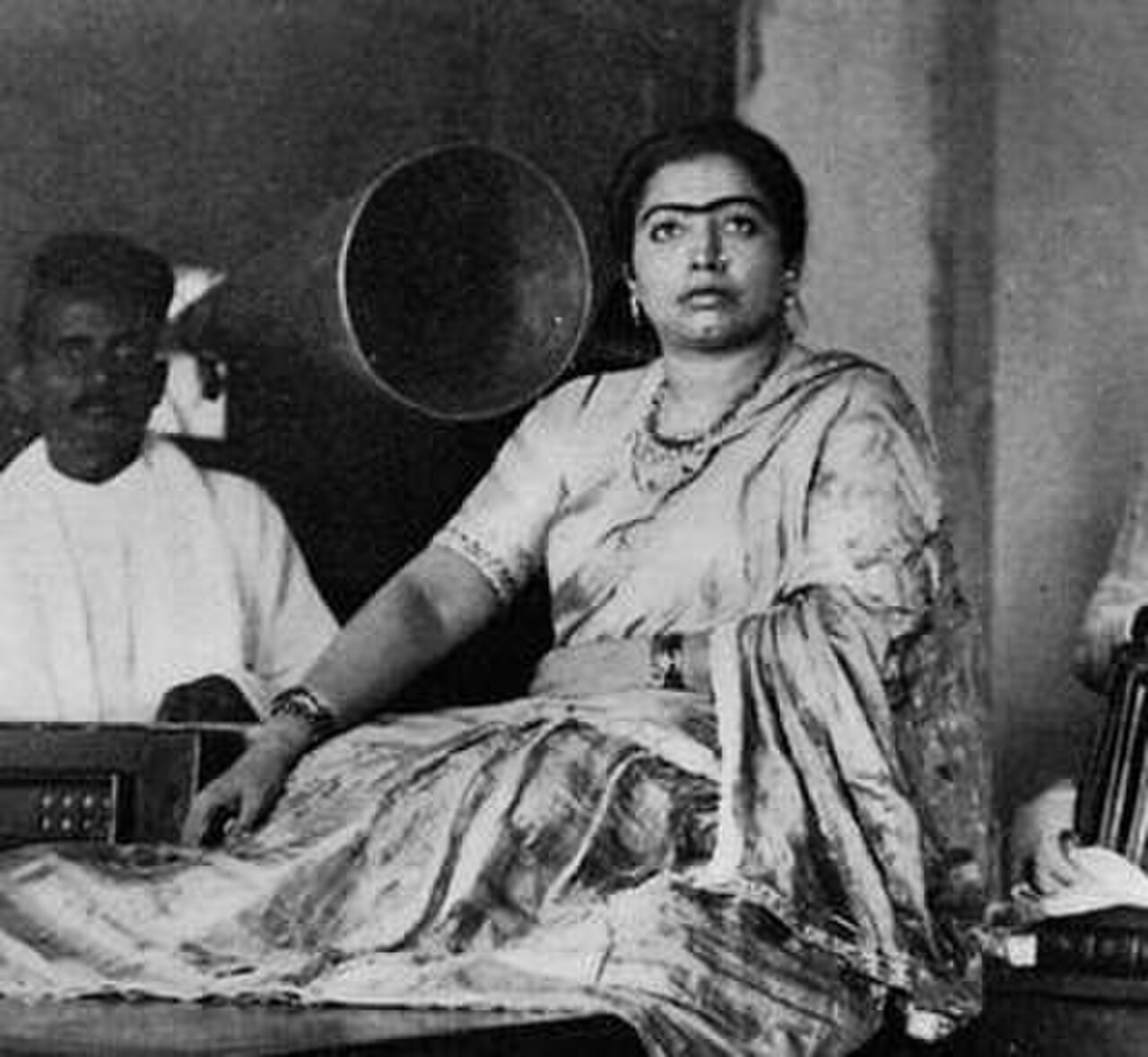
The Archive of Memory1905 की मौसमी रिकॉर्डिंग विशेष रूप से मूल्यवान हैं क्योंकि वे इन परंपराओं को प्रोफ़ाउंड सांस्कृतिक संक्रमण के एक क्षण में संरक्षित करती हैं। गाँव की महिलाएँ जो कजरी गाती थीं वह मौखिक परंपरा से सीखी थीं। लेकिन एक पीढ़ी के भीतर, वह मौखिक संचरण बाधित हो जाएगी। युवा महिलाएँ शहरों को पलायन करेंगी, संगीत के विभिन्न रूपों को अपनाएँगी, अपनी माताओं की प्रदर्शनी को खो देंगी। मौखिक परंपरा के बिना 1905 की रिकॉर्डिंग, वह हानि पूर्ण और अपरिवर्तनीय होती। इसके बजाय, गौहर जान, जंकी बाई, और अन्य रिकॉर्डिंग कलाकारों के धन्यवाद, परंपराओं को एक नया रूप में संरक्षित किया गया। ग्रामोफ़ोन रिकॉर्ड मौसमी संगीत गायन का सामाजिक संदर्भ को पुनः बना नहीं सकता — मानसून की सभा, महिलाओं की सामूहिक भागीदारी, अनुष्ठान कार्य। लेकिन वह संगीत स्वयं संरक्षित कर सकता था, मुखर तकनीकें, राग संरचनाएँ, भावनात्मक सामग्री। भविष्य की पीढ़ियाँ इन रिकॉर्डिंग से सीख सकती थीं कि परंपराएँ कैसे सुनी जानी चाहिए। उन्हें लाइव अनुष्ठान में भाग लेने की सामाजिक संदर्भ नहीं हो सकती, लेकिन उन्हें प्रामाणिकता सुनने का अवसर दिया जाता था। 1905 की मौसमी रिकॉर्डिंग इस प्रकार त्रासदी और मुक्ति दोनों का प्रतिनिधित्व करती हैं। वे दुःख दायक हैं क्योंकि वे उस क्षण को चिन्हित करते हैं जब मौखिक परंपरा अब अपने दम पर जीवित नहीं रह सकती थी — जब आध्यात्मिक परंपरा को जीवित रहने के लिए रिकॉर्डेड रूप में संरक्षित किया जाना था। लेकिन वे भी मुक्ति हैं, क्योंकि उनके बिना, कजरी, होरी, और अन्य मौसमी रूप पूरी तरह से इतिहास में खो जाते। ग्रामोफ़ोन रिकॉर्ड, वह सबसे वाणिज्यिक प्रौद्योगिकी, लुप्तप्राय परंपराओं के लिए एक सन्दूक बन गई।
अंग्रेज़ी में पढ़ें · Read in English
What makes the 1905 seasonal recordings particularly precious is that they preserve these traditions at a moment of profound cultural transition. The village women who sang Kajri had learned from oral tradition. But within a generation, that oral transmission would be disrupted. Young women would move to cities, would adopt different forms of music, would lose the repertoire of their mothers. Without the 1905 recordings, that loss would have been total and irreversible.
Instead, thanks to Gauhar Jaan, Janki Bai, and other recording artists, the traditions were preserved in a new form. The gramophone record couldn't recreate the social context of Kajri singing — the monsoon gathering, the women's communal participation, the ritual function. But it could preserve the music itself, the vocal techniques, the raag structures, the emotional content. Future generations would be able to learn from these recordings how the traditions were meant to sound. They could hear the authenticity of the form, even if they couldn't participate in the ritual context.
The 1905 seasonal recordings thus represent a kind of tragedy and salvation combined. They're tragic because they mark the moment when oral tradition could no longer survive on its own — when it needed to be preserved in recorded form to survive at all. But they're also salvation, because without them, the Kajri, the Hori, and the other seasonal forms would have been completely lost to history. The gramophone record, that most commercial of technologies, became an ark for endangered traditions.
परिचय
IdentityEpithet
1905 में, कजरी, होरी और बहार परंपराओं को डिस्क पर कैप्चर किया गया — अनुष्ठान संगीत को समय में जमा दिया गया और क्षणभंगुर लोक रूपों को विनाश से बचाया गया
In 1905, Kajri, Hori, and Bahar traditions were captured on disc — freezing ritual music in time and saving ephemeral folk forms from oblivion
कहानी-नमूना
The Story Specimen| शीर्षक | वसंत, वर्षा, और शाश्वतता: कैसे ग्रामोफ़ोन रिकॉर्ड्स ने भारत की ऋतु गीत परंपराओं को संरक्षित किया · Spring, Monsoon, and Eternity: How Gramophone Records Preserved India's Seasonal Song Trad… |
|---|---|
| श्रेणी | Music Theory |
| प्रकार | विशेष लेख |
| पाठ-समय | ९ मिनट का पाठ |
| प्रकाशित | 31 March 2026 — admin |
| टैग | folk_traditions · seasonal_songs · kajri · hori · bahar · 1905 · gauhar_jaan · janki_bai · raag · preservation |
इस कहानी में
In This Story · The Cast & Its Platesकहानी में आए नामों के अटलस में अपने पन्ने हैं — यहीं से यात्रा जारी रखिए।
विधाएँ-सूत्र · Vidhas
राग-सूत्र · Raags
शब्दकोश-सूत्र · Glossary
और कहानियाँ
More Stories from the Atlas

साझा कीजिए · Share this Plate