कलाकार विंग · कलाकार-पट्टिका · Artist Plate
पृथ्वीराज कपूर
Prithviraj Kapoor
जन्म1906 — समुंदरी, पंजाब (अब पाकिस्तान)
निधन1972
जीवन-पट्टी
The Life Specimen| नाम | पृथ्वीराज कपूर · Prithviraj Kapoor |
|---|---|
| जन्म | 1906 — समुंदरी, पंजाब (अब पाकिस्तान) · Samundri, Punjab (now Pakistan) |
| निधन | 1972 |
| भूमिकाएँ | अभिनेता |
| सक्रिय वर्ष | 1928–1972 |
| युग | Talkie Dawn |
| विधाएँ | फ़िल्मी |
पट्टिका-लेख
The Monographजीवनी Biography
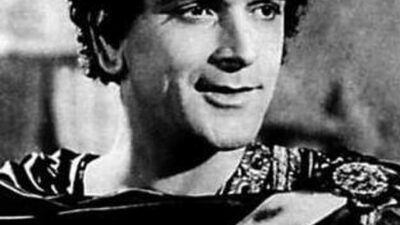
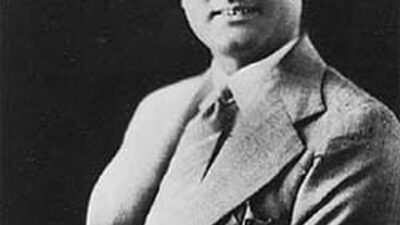
पृथ्वीराज कपूर (1906–1972) — भारतीय सिनेमा और रंगमंच के महान स्तंभ, और 'कपूर खानदान' के संस्थापक। पंजाब के समुंदरी में जन्मे, उन्होंने अपने करियर की शुरुआत 1928 में मूक फ़िल्मों से की। 1931 में उन्होंने 'आलम आरा' (भारत की पहली टॉकी) और 'द्रौपदी' में अभिनय किया। उनकी शक्तिशाली आवाज़ और प्रभावी व्यक्तित्व ने उन्हें तत्काल सवाक् युग का स्तंभ बना दिया। 1944 में उन्होंने मुंबई में पृथ्वी थिएटर्स की स्थापना की, जो अगले सोलह वर्षों तक चला और जहाँ उन्होंने पठान, दीवार, गद्दार जैसे नाटकों से राष्ट्रवादी विचारों को रंगमंच पर जीवंत किया। उनके पुत्र राज कपूर, शम्मी कपूर और शशि कपूर; और पोते ऋषि कपूर — सभी ने हिंदी सिनेमा में अपना नाम बनाया। 1969 में उन्हें दादासाहेब फाल्के पुरस्कार से सम्मानित किया गया।
प्रारंभिक जीवन Early Life
समुंदरी, पंजाब (अब पाकिस्तान) में जन्मे; अभिनय के लिए पेशावर और फिर बॉम्बे आए; 1928 में मूक फ़िल्मों से शुरुआत की, फिर सवाक् युग में सहज रूप से कदम रखा।
अंग्रेज़ी में पढ़ें · Read in English
Born in Samundri, Punjab (now Pakistan); moved to Peshawar and then Bombay to pursue acting; began in silent films in 1928 before transitioning seamlessly to sound.
विरासत Legacy
कपूर खानदान के संस्थापक; दादासाहेब फाल्के पुरस्कार (1969); पृथ्वी थिएटर्स के संस्थापक (1944); भारत की पहली टॉकी 'आलम आरा' में अभिनय किया।
अंग्रेज़ी में पढ़ें · Read in English
Patriarch of the Kapoor dynasty; Dadasaheb Phalke Award (1969); founder of Prithvi Theatres (1944); appeared in Alam Ara, India's first talkie.
गायन-शैली Musical Style
प्लेबैक गायन की बजाय अपनी शक्तिशाली, गूँजदार आवाज़ के लिए जाने जाते थे; रंगमंचीय प्रशिक्षण ने शुरुआती टॉकी में उनके संवाद-अदायगी को गहराई दी।
अंग्रेज़ी में पढ़ें · Read in English
Known for a powerful, resonant speaking voice rather than playback singing; his theatrical training gave depth to his dialogue delivery in early talkies.
सांस्कृतिक प्रभाव Cultural Impact
पृथ्वीराज कपूर ने एक साथ दो मोर्चों पर भारतीय संस्कृति को आकार दिया: एक अभिनेता के रूप में उन्होंने हिंदी सिनेमा को शुरुआत से ही एक प्रभावशाली व्यक्तित्व और शास्त्रीय गहराई दी, और पृथ्वी थिएटर्स की स्थापना से उन्होंने 1940-50 के दशक में उर्दू-हिंदी नाटक की परंपरा को जीवित रखा व कलाकारों की पीढ़ियाँ तैयार कीं। राज, शम्मी, शशि, ऋषि, रणबीर और करीना — चार पीढ़ियों तक फैले इस 'कपूर खानदान' जैसा कोई अन्य अभिनय-परिवार विश्व सिनेमा में नहीं है। पृथ्वी थिएटर्स के राष्ट्रवादी नाटक कम टिकट-मूल्य पर आम जनता के लिए प्रस्तुत किए जाते थे — यह लोक-कला को जन-सेवा मानने का एक दुर्लभ आदर्श था।
अंग्रेज़ी में पढ़ें · Read in English
Prithviraj Kapoor shaped Indian popular culture on two fronts simultaneously: as an actor he brought a commanding physical presence and classical gravitas to Hindi cinema from its earliest talkie days, and as the founder of Prithvi Theatres he kept alive a tradition of serious Urdu-Hindi stage drama through the 1940s and 1950s, training generations of performers. The Kapoor acting dynasty he established — spanning Raj, Shammi, Shashi, Rishi, Ranbir, and Kareena across four generations — is unmatched in the history of world cinema as a single family's sustained creative contribution. His patriotic plays at Prithvi Theatres, performed for low ticket prices to make theatre accessible to ordinary people, embody an ideal of popular art as public service.
तालीम, विधाएँ और भाषाएँ
Training · Genres · Languagesतालीम · Training
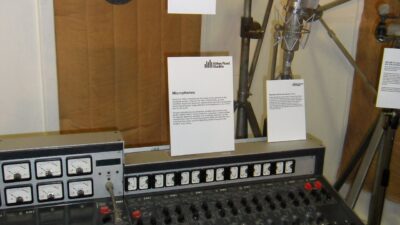
Studied at Edwards College, Peshawar, before moving to Bombay to pursue acting; trained under the established stage tradition of Parsi and Urdu theatre companies, which gave him a rigorous grounding in projection, verse declamation, and physical stagecraft — skills that translated powerfully to the microphone in the early talkie era.
विधाएँ · Genres
जीवन-रेखा
Career Highlights- 1931 'आलम आरा' (भारत की पहली टॉकी) और 'द्रौपदी' में अभिनय Appeared in Alam Ara (India's first talkie) and Draupadi
- 1944 मुंबई में पृथ्वी थिएटर्स की स्थापना Founded Prithvi Theatres, Bombay
- 1969 दादासाहेब फाल्के पुरस्कार — भारत का सर्वोच्च फ़िल्म सम्मान Dadasaheb Phalke Award — India's highest film honour
पुरस्कार एवं सम्मान
Awards & Recognition- सम्मान Dadasaheb Phalke Award (1969) — India's highest film honour, awarded by the Government of India, received in the final year of his life. Also awarded the Padma Bhushan (1954). Sangeet Natak Akademi awarded him recognition for his contributions to Indian theatre through Prithvi Theatres.
अन्य विवरण
More Details- Birth Year
- 1906
- Death Year
- 1972
- Active Years
- 1928–1972
Early Life
समुंदरी, पंजाब (अब पाकिस्तान) में जन्मे; अभिनय के लिए पेशावर और फिर बॉम्बे आए; 1928 में मूक फ़िल्मों से शुरुआत की, फिर सवाक् युग में सहज रूप से कदम रखा।
Born in Samundri, Punjab (now Pakistan); moved to Peshawar and then Bombay to pursue acting; began in silent films in 1928 before transitioning seamlessly to sound.
Legacy
कपूर खानदान के संस्थापक; दादासाहेब फाल्के पुरस्कार (1969); पृथ्वी थिएटर्स के संस्थापक (1944); भारत की पहली टॉकी 'आलम आरा' में अभिनय किया।
Patriarch of the Kapoor dynasty; Dadasaheb Phalke Award (1969); founder of Prithvi Theatres (1944); appeared in Alam Ara, India's first talkie.
Musical Style
प्लेबैक गायन की बजाय अपनी शक्तिशाली, गूँजदार आवाज़ के लिए जाने जाते थे; रंगमंचीय प्रशिक्षण ने शुरुआती टॉकी में उनके संवाद-अदायगी को गहराई दी।
Known for a powerful, resonant speaking voice rather than playback singing; his theatrical training gave depth to his dialogue delivery in early talkies.
अभिलेख-सार
Discography Summary| रिकॉर्डिंग-काल | 1931–1972 · पहला सत्र 1931 |
|---|---|
| फ़िल्में व डिस्क | Alam Ara 1931 · Draupadi 1931 · Seeta 1934 · Mughal-E-Azam 1960 |
| प्रमुख भूमिका | अभिनेता |
| नित्य सहयोगी | Ardeshir Irani |
| स्रोत | derived from the HindiGeet song archive |
साझा कीजिए · Share this Plate