कलाकार विंग · कलाकार-पट्टिका · Artist Plate
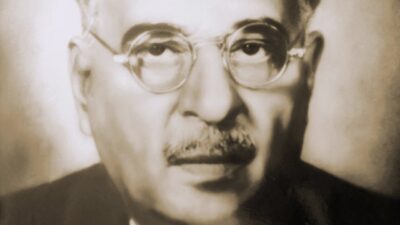
अर्देशिर ईरानी
Ardeshir Irani
जन्म1886 — पुणे
निधन1969
जीवन-पट्टी
The Life Specimen| नाम | अर्देशिर ईरानी · Ardeshir Irani |
|---|---|
| जन्म | 1886 — पुणे · Pune |
| निधन | 1969 |
| भूमिकाएँ | निर्देशक · निर्माता |
| सक्रिय वर्ष | 1920s–1950s |
| युग | Talkie Dawn |
| विधाएँ | फ़िल्मी |
पट्टिका-लेख
The Monographजीवनी Biography
अर्देशिर ईरानी (1886–1969) — भारतीय सवाक् सिनेमा के जनक। पुणे के पारसी परिवार में जन्मे अर्देशिर ने 1920 के दशक में मुंबई में इम्पीरियल मूवीटोन की स्थापना की। 14 मार्च 1931 को उन्होंने 'आलम आरा' प्रदर्शित की — भारत की पहली पूर्ण सवाक् हिंदी फ़िल्म। फ़िल्म में सात गीत थे जो सेट पर लाइव गाए गए; मुंबई के मैजेस्टिक सिनेमा में पहले शो के लिए उमड़ी भीड़ को काबू करने के लिए पुलिस बुलानी पड़ी थी। वे यहीं नहीं रुके: 1932 में उन्होंने 'आलम आरा' को गुजराती में रीमेक किया ('आलम आरा' गुजराती), भारत की पहली गुजराती टॉकी; 1935 में पहली भारतीय रंगीन फ़िल्म 'किसान कन्या' का निर्माण किया। मूक युग से सवाक् युग तक भारतीय सिनेमा का नेतृत्व करने वाले अर्देशिर ईरानी का नाम हर युग में उल्लेखनीय है।
प्रारंभिक जीवन Early Life
पुणे में पारसी परिवार में जन्मे; सिनेमा व्यवसाय में आने से पहले सेल्समैन के रूप में काम किया।
अंग्रेज़ी में पढ़ें · Read in English
Born in Pune into a Parsi family; worked as a salesman before entering the exhibition business and eventually film production.
विरासत Legacy
भारतीय टॉकी के जनक — 'आलम आरा' (1931) के निर्देशक, और भारत की पहली रंगीन फ़िल्म 'किसान कन्या' (1935) के निर्माता।
अंग्रेज़ी में पढ़ें · Read in English
Father of the Indian talkie — directed Alam Ara (1931), the first Hindi sound film, and produced India's first colour film, Kisan Kanya (1935).
गायन-शैली Musical Style
निर्देशक-निर्माता के रूप में उन्होंने सेट पर लाइव रिकॉर्डिंग की उस परंपरा का नेतृत्व किया जो भारतीय टॉकी की पहली पीढ़ी की पहचान बनी।
अंग्रेज़ी में पढ़ें · Read in English
As director-producer, he supervised the live on-set recording that defined the first generation of Indian talkies, insisting on naturalistic dialogue and song performance.
सांस्कृतिक प्रभाव Cultural Impact
14 मार्च 1931 को 'आलम आरा' के प्रदर्शन से अर्देशिर ईरानी ने भारतीय सिनेमा को मूक कला से एक गायन-कला में बदल दिया और गीत व संगीत को हिंदी फ़िल्म की पहचान बना दिया — यह विरासत आज भी जीवित है। पहली गुजराती टॉकी (1932) और पहली रंगीन भारतीय फ़िल्म (1935) से उन्होंने सिद्ध किया कि भारतीय सिनेमा तकनीकी नवाचार में पीछे नहीं है। उनके साहसिक निर्णयों ने उस संगीत परंपरा की नींव रखी जिसमें हर पीढ़ी के फ़िल्मकार काम करते आए हैं।
अंग्रेज़ी में पढ़ें · Read in English
Ardeshir Irani's release of Alam Ara on 14 March 1931 irrevocably transformed Indian cinema from a silent art form into a singing one, establishing song and music as the defining DNA of Hindi films for generations. By achieving the first Gujarati talkie (1932) and the first Indian colour film (1935), he demonstrated that technical ambition in Indian cinema need not trail Hollywood by decades. Every subsequent generation of Hindi filmmakers, from the Golden Era composers to today's Bollywood producers, works in a musical tradition his pioneering decisions made inevitable.
तालीम, विधाएँ और भाषाएँ
Training · Genres · Languagesतालीम · Training
No formal film or technical training is documented; Irani educated himself in cinema through hands-on exhibition work, importing and studying foreign equipment, and close observation of Hollywood production methods during visits abroad.
विधाएँ · Genres
जीवन-रेखा
Career Highlights- 1931 'आलम आरा' का निर्देशन — भारत की पहली हिंदी टॉकी Directed Alam Ara — India's first Hindi talkie
- 1932 पहली गुजराती टॉकी का निर्माण व निर्देशन Produced and directed the first Gujarati talkie
- 1935 'किसान कन्या' — भारत की पहली रंगीन फ़िल्म का निर्माण Produced Kisan Kanya — India's first colour film
पुरस्कार एवं सम्मान
Awards & Recognition- सम्मान No formal government award during his lifetime; recognised posthumously as the father of the Indian talkie by film historians and the Film Heritage Foundation. His contribution is commemorated annually on 14 March — the anniversary of Alam Ara's release — as a landmark date in Indian film history.
अन्य विवरण
More Details- Birth Year
- 1886
- Death Year
- 1969
- Active Years
- 1920s–1950s
Early Life
पुणे में पारसी परिवार में जन्मे; सिनेमा व्यवसाय में आने से पहले सेल्समैन के रूप में काम किया।
Born in Pune into a Parsi family; worked as a salesman before entering the exhibition business and eventually film production.
Legacy
भारतीय टॉकी के जनक — 'आलम आरा' (1931) के निर्देशक, और भारत की पहली रंगीन फ़िल्म 'किसान कन्या' (1935) के निर्माता।
Father of the Indian talkie — directed Alam Ara (1931), the first Hindi sound film, and produced India's first colour film, Kisan Kanya (1935).
Musical Style
निर्देशक-निर्माता के रूप में उन्होंने सेट पर लाइव रिकॉर्डिंग की उस परंपरा का नेतृत्व किया जो भारतीय टॉकी की पहली पीढ़ी की पहचान बनी।
As director-producer, he supervised the live on-set recording that defined the first generation of Indian talkies, insisting on naturalistic dialogue and song performance.
अभिलेख-सार
Discography Summary| रिकॉर्डिंग-काल | 1920s–1950s |
|---|---|
| फ़िल्में व डिस्क | Alam Ara 1931 · Kisan Kanya 1937 |
| रिकॉर्ड लेबल | Imperial Movietone |
| प्रमुख भूमिका | निर्देशक · निर्माता |
| नित्य सहयोगी | Ferozshah Mistri · Zubeida · Master Vithal |
| स्रोत | derived from the HindiGeet song archive |
साझा कीजिए · Share this Plate