
कहानियाँ विंग · कहानी · Cultural Context · 1910
अनजाने संग्रह: कैसे ग्रामोफोन ने अनजाने में लुप्त हो रही संगीत परंपराओं को संरक्षित किया
Unintended Archive: How the Gramophone Accidentally Preserved Endangered Musical Traditions
ग्रामोफोन, एक व्यावसायिक नवीनता के रूप में डिज़ाइन किया गया, विलुप्ति का सामना करने वाली शास्त्रीय और भक्तिपूर्ण परंपराओं के लिए एक जीवन रेखा बन गया।
प्रकाशित31 March 2026 पाठ९ मिनट का पाठ
आमुख
खतरा: गायब हो रही परंपराएं
The Danger: Disappearing Traditions1900 के दशक की शुरुआत तक, भारत की शास्त्रीय संगीत परंपराओं को एक अस्तित्वगत खतरे का सामना करना पड़ा जो कुछ लोगों ने समय पर मान्यता दी। संरक्षण प्रणाली जो सदियों से शास्त्रीय संगीत को बनाए रखती थी, टूट रही थी। जमींदार जिन्होंने दरबारी संगीतकारों को बनाए रखा था, ब्रिटिश औपनिवेशिक शासन के तहत शक्ति खो रहे थे। रियासतों के शाही दरबार, एक बार संगीत संरक्षण के केंद्र, तेजी से गरीब या अप्रासंगिक हो रहे थे। युवा लोग, आधुनिक पेशे और शहरी जीवन के लिए आकर्षित, शास्त्रीय संगीत की आवश्यकता वाली कठिन दशकों की प्रशिक्षा को छोड़ रहे थे। संगीत के कई रूप—कुछ राग परंपराएं, विशिष्ट ताल भिन्नताएं, विस्तृत अलंकरण शैलियां—केवल उम्रदराज संगीतकारों की स्मृति में मौजूद थे। जब ये संगीतकार मर जाते थे, तो उनका ज्ञान भी उनके साथ मर जाता था। कोई संकेत प्रणाली पर्याप्त सटीक नहीं थी जो भारतीय शास्त्रीय संगीत की सूक्ष्म क्रेडेशन को पकड़ सके। मौखिक प्रेषण प्रणाली, जो हजारों साल से संगीत ज्ञान को संरक्षित करती थी, टूट रही थी। 1910 तक, कई संगीतकार और विद्वान जानते थे कि कुछ कीमती चीज़ खो रही है—कि उनके पूर्वजों ने जो जटिल संगीत ब्रह्मांड बनाया था वह विघ्न-विघ्न में विघटित हो रहा था।
अंग्रेज़ी में पढ़ें · Read in English
By the early 1900s, India's classical music traditions faced an existential threat that few recognized at the time. The patronage system that had sustained classical music for centuries was collapsing. Zamindars who had maintained court musicians were losing power under British colonial rule. The royal courts of the princely states, once centers of musical patronage, were becoming increasingly impoverished or irrelevant. Young people, attracted to modern professions and city life, were abandoning the grueling decades-long training that classical music required. Many forms of music—certain raag traditions, specific taal variations, elaborate ornamentation styles—existed only in the memory of aging musicians. When these musicians died, their knowledge died with them. There was no notation system precise enough to capture the subtle gradations of Indian classical music. The oral transmission system, which had preserved musical knowledge for millennia, was breaking down. By 1910, many musicians and scholars were aware that something precious was being lost—that the intricate musical universe their ancestors had built was being dismantled, note by note.
अनजाने सावक के रूप में ग्रामोफोन
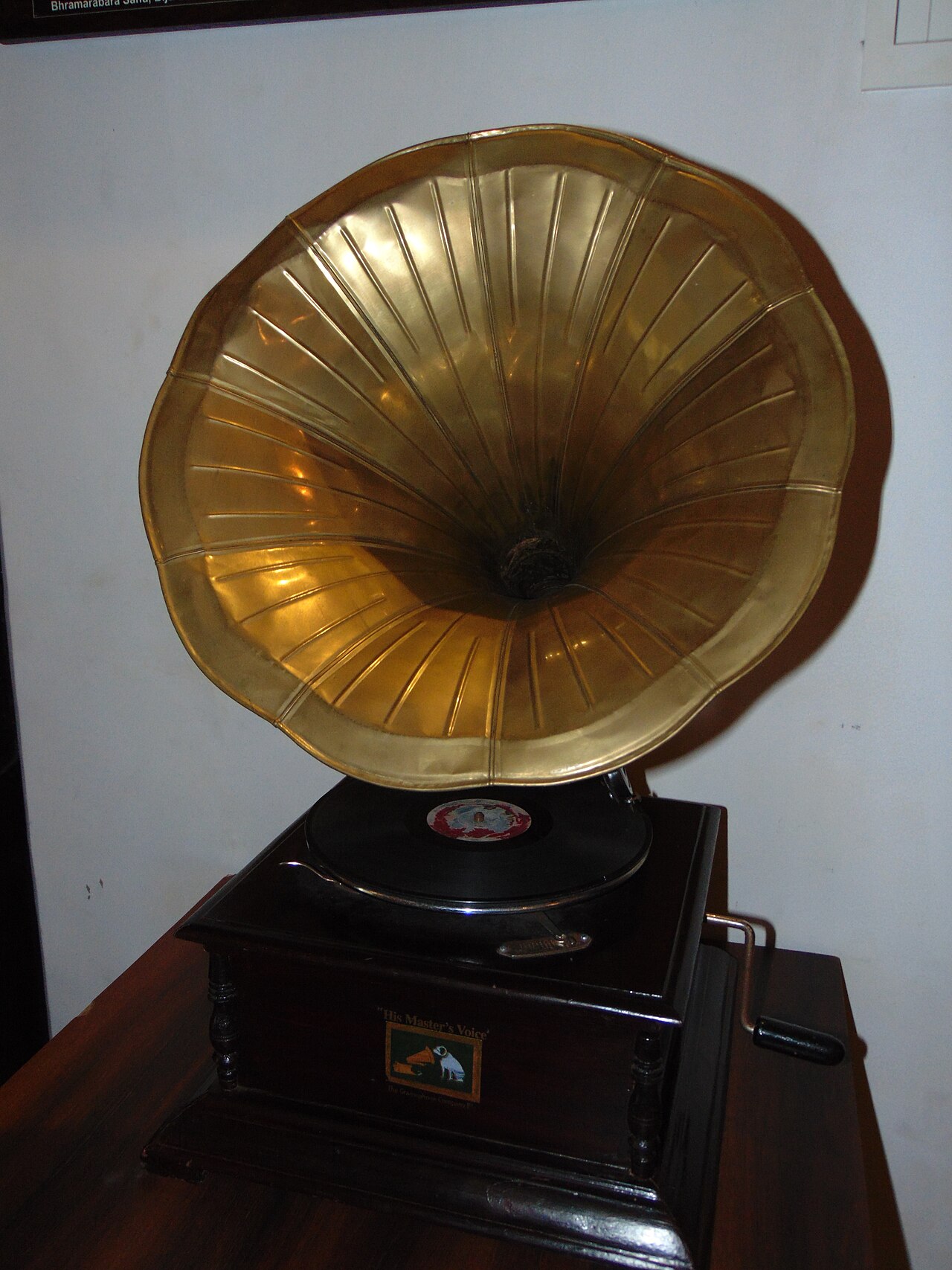
The Gramophone as Unintended Saviorग्रामोफोन कंपनी में कोई भी लुप्त हो रही संगीत परंपराओं को संरक्षित करने के लिए बाहर नहीं निकला। प्रेरणा पूरी तरह वाणिज्यिक थी—संगीत को रिकॉर्ड और बेचकर पैसा कमाने के लिए। फिर भी ग्रामोफोन, लगभग आकस्मिक रूप से, परंपराओं के लिए एक जीवन रेखा बन गया जो गायब हो रही थीं। जब एक बुज़ुर्ग ख़याल मास्टर 1905 में अपने प्रदर्शन को रिकॉर्ड करने के लिए सहमत हुआ, तो वह भविष्य के बारे में नहीं सोच रहा था। वह शुल्क ले रहा था, अपनी आय को पूरक करते हुए जब पारंपरिक संरक्षण फीका पड़ गया। फिर भी उसकी रिकॉर्डिंग, मोम में संरक्षित, कुछ अपरिहार्य बन गई: उसकी ख़याल परंपरा की विशेष व्याख्या का एक सही दस्तावेज़, अपनी सभी व्यक्तिगत inflections के साथ, परंपरा से अपने सभी सूक्ष्म प्रस्थान, इसकी सभी प्रतिभा के साथ। जब एक अस्पष्ट राग भिन्नता के एक मास्टर—कहो, राग दरबारी भिन्नता मालारवा, जो भारत के शायद केवल एक दर्जन संगीतकारों के लिए जाना जाता था—1909 में रिकॉर्ड करने के लिए सहमत हुए, तो न तो वह और न ही ग्रामोफोन कंपनी की सराहना की। वह बस एक वाणिज्यिक रिकॉर्डिंग बना रहे थे। लेकिन वह एक साथ एक लुप्त हो रही परंपरा की एक बैकअप प्रति बना रहे थे। अगर गुरु-वंशावली प्रशिक्षण प्रणाली विफल हो जाती है, अगर उस परंपरा के अंतिम चिकित्सक मर जाते हैं, तो ग्रामोफोन रिकॉर्ड बने रहते—क्या हुआ इसका एक गवाही, भविष्य की पुनरुद्धार के लिए एक संभावना।
अंग्रेज़ी में पढ़ें · Read in English
Nobody at the Gramophone Company set out to preserve endangered musical traditions. The motivation was purely commercial—to make money by recording and selling music. Yet the gramophone, almost accidentally, became a lifeline for traditions that were disappearing. When an elderly Khayal master agreed to record his performances in 1905, he was not thinking of posterity. He was taking the fee, supplementing his income as traditional patronage faded. Yet his recordings, preserved in wax, became something irreplaceable: a perfect documentation of his particular interpretation of the Khayal tradition, with all its individual inflections, all its subtle departures from convention, all its genius. When a master of an obscure raag variant—say, Raag Darbari variant Malarva, known to perhaps only a dozen musicians in all of India—agreed to record in 1909, neither he nor the Gramophone Company appreciated what was happening. They were simply making a commercial recording. But they were simultaneously creating a backup copy of an endangered tradition. If the guru-lineage training system failed, if the last practitioners of that tradition died, the gramophone record would remain—a testimony to what had been, a possibility for future revival.
भक्तिपूर्ण संगीत दूसरी आवाज़ खोजता है
Devotional Music Finds a Second Voiceएक विशेष रूप से लुप्त हो रही परंपरा भक्तिपूर्ण संगीत थी—भजन और कीर्तन जो भारत भर के मंदिरों में गाए जाते थे। यह संगीत गुरु-शिष्य (शिक्षक-छात्र) संबंध के साथ गहरी तरह से जुड़ा था जो मंदिरों और आश्रमों के भीतर हुआ। आपने भजन को एक मास्टर के पैरों पर बैठकर सीखा, दोहराव और नकल के माध्यम से सीखते थे। मौखिक प्रेषण विधि सदियों के लिए काम कर चुकी थी। लेकिन 1910 तक, प्रणाली दबावग्रस्त थी। युवा लोग शहरों में जा रहे थे। मंदिर के दान सिकुड़ रहे थे। एक मंदिर संगीतकार के जीवन को चुनने वाले युवा लोगों की संख्या में तेज़ी से गिरावट आ रही थी। कुछ क्षेत्रीय परंपराएं—बंगाल के भजन, महाराष्ट्रीय मंदिरों का भक्तिपूर्ण संगीत, दक्षिण भारतीय मंदिरों के कीर्तन—गायब होने का जोखिम में थे। जब ग्रामोफोन कंपनी भक्तिपूर्ण संगीत रिकॉर्ड करने लगी, तो यह अक्सर व्यावहारिकता का एक मामला था: भक्तिपूर्ण रिकॉर्डिंग अच्छी बिक्री हुई, विशेष रूप से धर्मपरायण लोगों के बीच। लेकिन प्रभाव गहन था। 1908 में रिकॉर्ड किया गया एक मंदिर भजन अब ग्रामोफोन रिकॉर्ड से सीखा जा सकता था। एक बच्चे को भूगोल द्वारा अपने गुरु से अलग किया अब घर पर प्रामाणिक भक्तिपूर्ण गायन सुन सकता था। जब एक मास्टर गुरु अपना जीवन व्यतीत करता था, तो उसकी अलग व्याख्या उसके साथ पूरी तरह गायब नहीं होती थी—यह मोम में मौजूद थी, भविष्य की पीढ़ियों द्वारा अध्ययन करने के लिए तैयार।
अंग्रेज़ी में पढ़ें · Read in English
One particularly endangered tradition was devotional music—the bhajans and kirtans sung in temples across India. This music was deeply tied to the guru-shishya (teacher-student) relationship that occurred within temples and ashrams. You learned bhajan by sitting at the feet of a master, learning through repetition and imitation. The oral transmission method had worked for centuries. But by 1910, the system was strained. Young people were moving to cities. Temple endowments were shrinking. The number of young people choosing the life of a temple musician was declining sharply. Certain regional traditions—the bhajans of Bengal, the devotional music of Maharashtrian temples, the kirtans of South Indian temples—were at risk of disappearing. When the Gramophone Company began recording devotional music, it was often a matter of pragmatism: devotional recordings sold well, particularly among the devout. But the effect was profound. A temple bhajan recorded in 1908 could now be learned from a gramophone record. A child separated from her guru by geography could now hear authentic devotional singing at home. When a master guru passed away, his distinctive interpretation did not entirely disappear with him—it existed in wax, ready to be studied by future generations. By 1910, the gramophone had inadvertently become the preserver of traditions that institutional systems were failing to maintain.
अप्रत्याशित संग्राहक
The Unexpected Archivist1910 तक, यह स्पष्ट हो गया था कि ग्रामोफोन कंपनी, मूलतः लाभ द्वारा ही प्रेरित, भारत की संगीत विरासत का एक अनजाने संग्राहक बन गई थी। एक सदी बाद, शास्त्रीय राग भिन्नताओं का अध्ययन करने वाले संगीतविद् 1905-1910 से ग्रामोफोन रिकॉर्डिंग पर निर्भर करेंगे क्योंकि वह एकमात्र दस्तावेज़ थे जो अस्तित्व में थे। एक विद्वान जो यह समझना चाहता था कि एक विशेष सितार बजाने की शैली कैसे विकसित हुई थी, 1907 की रिकॉर्डिंग का सलाह देगा। एक शोधकर्ता लुप्त हो रही भक्तिपूर्ण परंपराओं को दस्तावेज़ करना 1910 ग्रामोफोन कैटलॉग में कुछ भजन वंशावली के केवल जीवित रिकॉर्ड पाएंगे। इस युग में की गई रिकॉर्डिंग संरक्षण को ध्यान में रखकर नहीं बनाई गई थीं। कई को आकस्मिक रूप से बनाया गया था, कभी-कभी अधूर ध्वनि गुणवत्ता के साथ, कभी-कभी अधूर दस्तावेज़ीकरण के साथ। ग्रामोफोन कंपनी सांस्कृतिक संग्रह बनने का प्रयास नहीं कर रही थी—यह एक व्यवसाय था जो लाभ को अधिकतम करने की कोशिश कर रहा था। फिर भी परिणाम भारतीय शास्त्रीय संगीत का सबसे व्यापक दस्तावेज़ था। ग्रामोफोन, वह पश्चिमी व्यावसायिक तकनीक, उन परंपराओं का अनजाने रक्षक बन गया जो भारत की अपनी संस्थागत प्रणालियां संरक्षित करने में विफल रहीं। यह इतिहास की महान विडंबनाओं में से एक है: कि औपनिवेशित भारत ने अपनी संगीत विरासत को अपने स्वयं की सांस्कृतिक संस्थाओं द्वारा नहीं, बल्कि एक विदेशी व्यावसायिक उद्यम द्वारा संरक्षित पाया जो केवल रिकॉर्ड बेचना चाहता था।
अंग्रेज़ी में पढ़ें · Read in English
By 1910, it had become clear that the Gramophone Company, originally motivated purely by profit, had become an unintended archivist of India's musical heritage. A century later, musicologists studying classical raag variations would rely on gramophone recordings from 1905-1910 because those were the only documents in existence. A scholar wanting to understand how a particular sitar playing style had evolved would consult recordings from 1907. A researcher documenting endangered devotional traditions would find in the 1910 gramophone catalogs the only surviving records of certain bhajan lineages. The recordings made in this era were not made with preservation in mind. Many were made casually, sometimes with inferior sound quality, sometimes with incomplete documentation. The Gramophone Company was not trying to be a cultural archive—it was a business trying to maximize profits. Yet the result was the most comprehensive documentation of Indian classical music ever made. The gramophone, that Western commercial technology, became the inadvertent guardian of traditions that India's own institutional systems were failing to preserve. It is one of history's great ironies: that colonized India found its musical heritage preserved not by its own cultural institutions, but by a foreign commercial enterprise seeking only to sell records.
परिचय
IdentityEpithet
ग्रामोफोन, एक व्यावसायिक नवीनता के रूप में डिज़ाइन किया गया, विलुप्ति का सामना करने वाली शास्त्रीय और भक्तिपूर्ण परंपराओं के लिए एक जीवन रेखा बन गया।
The gramophone, designed as a commercial novelty, became a lifeline for classical and devotional traditions facing extinction.
कहानी-नमूना
The Story Specimen| शीर्षक | अनजाने संग्रह: कैसे ग्रामोफोन ने अनजाने में लुप्त हो रही संगीत परंपराओं को संरक्षित किया · Unintended Archive: How the Gramophone Accidentally Preserved Endangered Musical Tradition… |
|---|---|
| श्रेणी | Cultural Context |
| प्रकार | Narrative |
| पाठ-समय | ९ मिनट का पाठ |
| प्रकाशित | 31 March 2026 — admin |
| वर्ष | 1910 |
| टैग | preservation · classical music · tradition · extinction prevention · cultural heritage |
और कहानियाँ
More Stories from the Atlas

साझा कीजिए · Share this Plate