कहानियाँ विंग · कहानी · Music Theory · 1907
रिकॉर्डिंग के माध्यम से शिक्षण: सरगम अभ्यास और शैक्षणिक ग्रामोफोन
Teaching Through Recordings: Sargam Exercises and the Pedagogical Gramophone
कैसे ग्रामोफोन शास्त्रीय संगीत शिक्षा के लिए एक शिक्षण उपकरण बन गया
प्रकाशित31 March 2026
आमुख
1907 में ज़ोहरा बाई अग्रेवाली की सरगम रिकॉर्डिंग ने ग्रामोफोन को मनोरंजन के यंत्र से शिक्षा के यंत्र में बदल दिया — पहली बार कोई छात्र किसी उस्ताद की आवाज़ बार-बार सुनकर सीख सकता था, भले ही वह उस्ताद वहाँ उपस्थित न हो। गंधर्व महाविद्यालय के साथ यह नई शैक्षणिक संभावना 20वीं सदी की संगीत शिक्षा की नींव बनी।
अंग्रेज़ी में पढ़ें · Read in English
In 1907, Zohra Bai Agrewali's sargam recording transformed the gramophone from entertainment device to educational tool — for the first time a student could learn by listening to a master's voice repeatedly, even in the master's absence. Combined with Gandharva Mahavidyalaya, this new pedagogical possibility became the foundation of twentieth-century music education.
मनोरंजन से परे: पाठ के रूप में ग्रामोफोन
Beyond Entertainment: The Gramophone as Textशुरुआती ग्रामोफोन को सार्वभौमिक रूप से एक मनोरंजन उपकरण के रूप में समझा जाता था। आप ग्रामोफोन और संगीत सुनने के आनंद के लिए रिकॉर्ड खरीदते थे। फिर भी जैसे-जैसे माध्यम परिपक्व हुआ और रिकॉर्डिंग कैटलॉग विस्तृत हुआ, संगीतकारों और शिक्षकों ने एक और संभावना को पहचानना शुरू किया: ग्रामोफोन एक शिक्षण पाठ के रूप में काम कर सकता था।
अंग्रेज़ी में पढ़ें · Read in English
The early gramophone was universally understood as an entertainment device. You purchased a gramophone and records for the pleasure of listening to music. Yet as the medium matured and the recording catalog expanded, musicians and educators began to recognize another possibility: the gramophone could serve as a teaching text. A vocal exercise recorded on disc could be studied, imitated, analyzed. A master vocalist's performance could be heard repeatedly, allowing students to internalize subtle aspects of technique that would be impossible to learn from live performance alone.
This pedagogical potential was particularly relevant to Indian classical music, where the guru-shishya system relied on careful listening and imitation. A student needed to hear their guru's voice repeatedly, to internalize the specific tonal qualities, the approach to ornamentation, the particular rhythmic sensibilities. The gramophone could extend this relationship. It could preserve a teacher's voice, making it available to students long after a performance. It could allow multiple students to study the same performance simultaneously, rather than relying on individual apprenticeships.
सरगम रिकॉर्डिंग: गायन तराजू को सिखाना
The Sargam Recording: Teaching Vocal Scalesजोहरा बाई अग्रेवाली की 1907 सरगम रिकॉर्डिंग इस शैक्षणिक आवेदन के उदाहरण के रूप में काम करती है। सरगम — भारतीय शास्त्रीय संगीत के गायन तराजू (मोटे तौर पर "डो रे मी फा सोल ला टी डो" के बराबर) — प्रशिक्षण के लिए मौलिक है।
अंग्रेज़ी में पढ़ें · Read in English
Zohra Bai Agrewali's 1907 sargam recording exemplifies this pedagogical application. The sargam — the vocal scales of Indian classical music (roughly equivalent to "do re mi fa sol la ti do") — is fundamental to training. Every classical musician must internalize the sargam thoroughly. They must be able to sing it accurately in various speeds, rhythmic patterns, and raag contexts. The sargam is typically taught by a guru, who sings it repeatedly while the student listens and imitates.
Zohra Bai's sargam recording was not a performance in any conventional sense. It was a teaching tool. The recording demonstrated the proper intonation of the sargam scale, the correct spacing between notes, the appropriate tonal quality. A student with access to this recording could practice with it: they could sing along, testing their own intonation against Zohra Bai's model, gradually refining their technique.
This was revolutionary because it democratized access to model performances. Traditionally, a student could only study with a guru they could access personally. Now, a student in a small town could listen to Zohra Bai's sargam recording repeatedly, learning from one of the finest vocalists of the era without having to travel to a major city or secure an apprenticeship.
एक नई तरह की सत्ता: रिकॉर्ड किया गया मास्टर
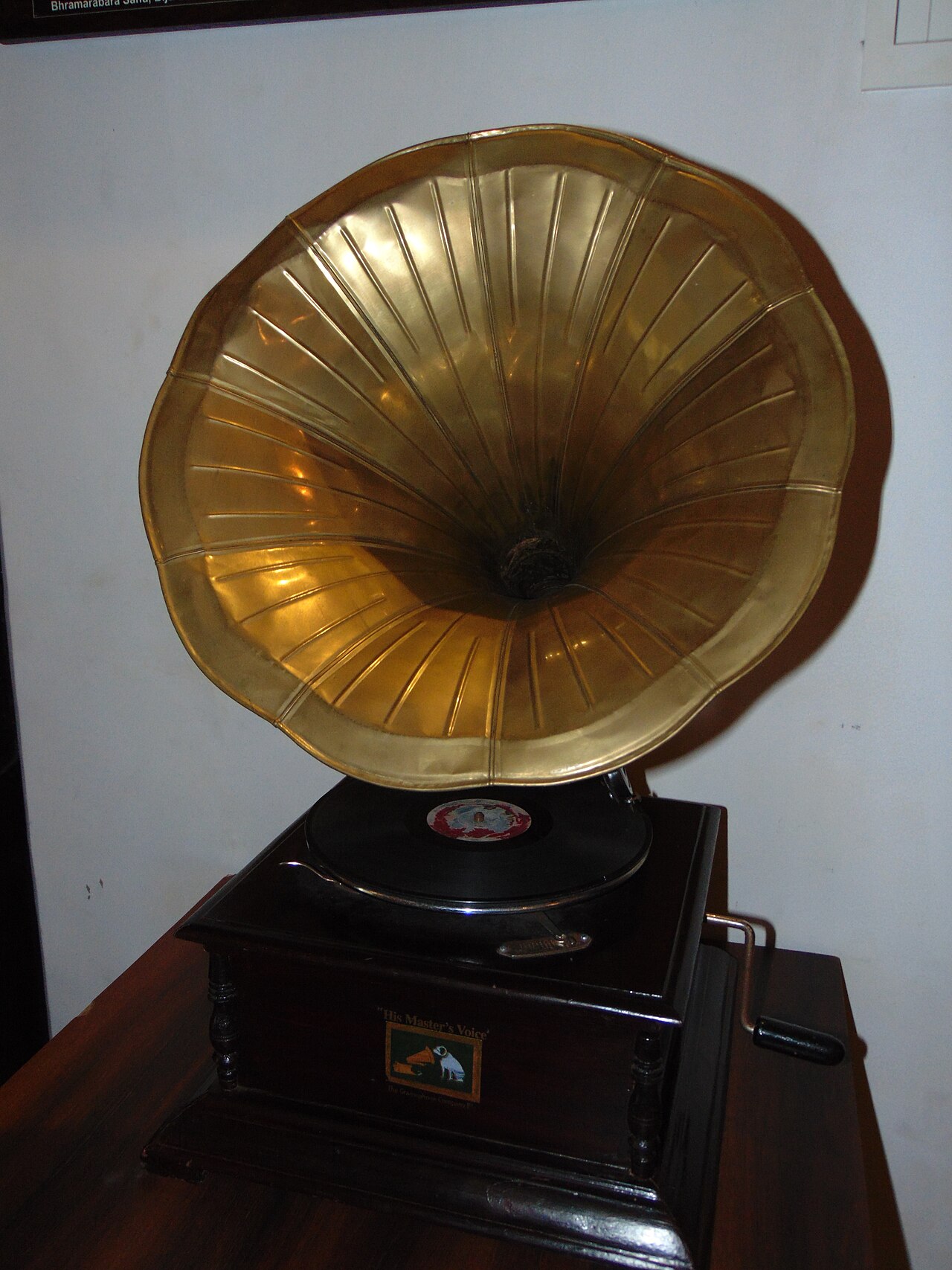
A New Kind of Authority: The Recorded Masterशैक्षणिक ग्रामोफोन संगीत शिक्षा में एक नई तरह की सत्ता बनाता है: रिकॉर्ड किया गया मास्टर। परंपरागत रूप से, भारतीय शास्त्रीय संगीत में सत्ता गुरु से आती है — जीवित शिक्षक जिनके ज्ञान को व्यक्तिगत करिश्मा द्वारा सत्यापित किया जाता है।
अंग्रेज़ी में पढ़ें · Read in English
The pedagogical gramophone created a new kind of authority in music education: the recorded master. Traditionally, authority in Indian classical music came from the guru — the living teacher whose knowledge was validated through personal charisma, demonstrated skill, and the quality of students they had produced. The guru had ultimate control over what was taught and how.
The gramophone recording transformed this dynamic. Zohra Bai's sargam existed independently of her personality, her temperament, her local reputation. It was fixed, reproducible, authoritative in its own way. A student could relate to the recording as a kind of textual authority — a reference point for correct technique that existed outside the immediate personal relationship. This didn't replace the guru entirely, but it created a new relationship: the student studied with a local guru while also learning from recorded masters.
गंधर्व शिक्षा के साथ एकीकरण
Integration with Gandharva Educationग्रामोफोन की शैक्षणिक क्षमता नए खुले गंधर्व महाविद्यालय के साथ महत्वपूर्ण रूप से प्रतिच्छेद करती है। पलुस्कर के संस्थागत दृष्टिकोण के लिए शिक्षण विधियों की आवश्यकता थी जो मानकीकृत किए जा सकें और एक साथ कई छात्रों को प्रेषित किए जा सकें।
अंग्रेज़ी में पढ़ें · Read in English
The pedagogical potential of the gramophone intersected significantly with the newly opened Gandharva Mahavidyalaya. Paluskar's institutional approach required teaching methods that could be standardized and transmitted to multiple students simultaneously. The gramophone offered a solution. Gandharva students could study recorded performances, analyze technique from exemplary recordings, and supplement their in-person instruction with independent study of recordings.
This combination — institutional music education paired with recorded examples — became a powerful tool for expanding musical training beyond the traditional apprenticeship model. By 1907, the possibilities were becoming clear: you could have a music school with multiple teachers and students, supplemented by a library of gramophone recordings of master performers. This would eventually become the standard model for music education in twentieth-century India.
The 1907 sargam recordings, in retrospect, represent a crucial moment in the history of Indian music pedagogy. They were not consciously designed as educational innovations — Zohra Bai was recording for the market, making music available to paying listeners. Yet they demonstrated that the gramophone could serve purposes beyond entertainment. It could be a teaching text, a reference standard, a tool for democratizing access to expert knowledge. The recording of vocal scales and technical exercises prefigured the way gramophone recordings would eventually support and transform institutional music education.
परिचय
IdentityEpithet
कैसे ग्रामोफोन शास्त्रीय संगीत शिक्षा के लिए एक शिक्षण उपकरण बन गया
How the gramophone became a teaching tool for classical music instruction
अन्य विवरण
More Details- ज़ोहरा बाई अग्रेवाली · Zohra Bai Agrewali
Key Figures
कहानी-नमूना
The Story Specimen| शीर्षक | रिकॉर्डिंग के माध्यम से शिक्षण: सरगम अभ्यास और शैक्षणिक ग्रामोफोन · Teaching Through Recordings: Sargam Exercises and the Pedagogical Gramophone |
|---|---|
| श्रेणी | Music Theory |
| प्रकार | Historical |
| प्रकाशित | 31 March 2026 — admin |
| वर्ष | 1907 |
और कहानियाँ
More Stories from the Atlas
साझा कीजिए · Share this Plate
यह पन्ना आगे बढ़ाइए
सवाल-जवाब
Questions & Answersसरगम रिकॉर्डिंग ने गुरु-शिष्य परंपरा को किस प्रकार बदला? · How did sargam recordings change the guru-shishya tradition?
इसने एक नई प्रकार की सत्ता बनाई — 'रिकॉर्ड किया गया उस्ताद'। छात्र अब एक जीवित गुरु के साथ-साथ रिकॉर्ड किए गए मास्टर प्रदर्शनों से भी सीख सकते थे। यह गुरु को प्रतिस्थापित नहीं करता था, बल्कि एक पूरक संदर्भ स्रोत जोड़ता था।
It created a new kind of authority — the 'recorded master'. Students could now learn from recorded master performances in addition to a living guru. This didn't replace the guru but added a complementary reference source.
ग्रामोफोन की शैक्षणिक क्षमता गंधर्व महाविद्यालय के साथ कैसे जुड़ी? · How did the gramophone's pedagogical potential connect with Gandharva Mahavidyalaya?
गंधर्व महाविद्यालय को मानकीकृत शिक्षण विधियों की आवश्यकता थी जो कई छात्रों को एक साथ दी जा सकें। ग्रामोफोन रिकॉर्डिंग ने एक समाधान दिया: छात्र रिकॉर्ड किए गए प्रदर्शन सुनकर स्वतंत्र रूप से अभ्यास कर सकते थे।
Gandharva Mahavidyalaya needed standardised teaching methods that could be delivered to multiple students simultaneously. Gramophone recordings offered a solution: students could practise independently by listening to recorded performances.