कहानियाँ विंग · कहानी · Industry · 1910
हिज़ मास्टर वॉयस की रणनीति: एचएमवी की विशेष भारतीय कैटलॉग और बाजार परिपक्वता
The His Master's Voice Strategy: HMV's Special Indian Catalog and Market Maturity
कैसे एचएमवी स्थानीयकृत रणनीति के माध्यम से एक ब्रिटिश जिज्ञासा से भारत के प्रभावशाली रिकॉर्डिंग उद्यम में रूपांतरित हुआ।
प्रकाशित31 March 2026 पाठ८ मिनट का पाठ
आमुख
जिज्ञासा से पण्य तक
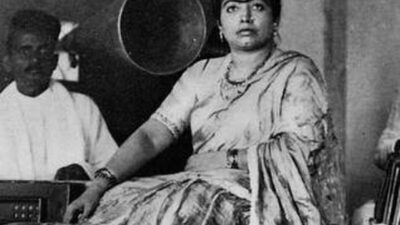
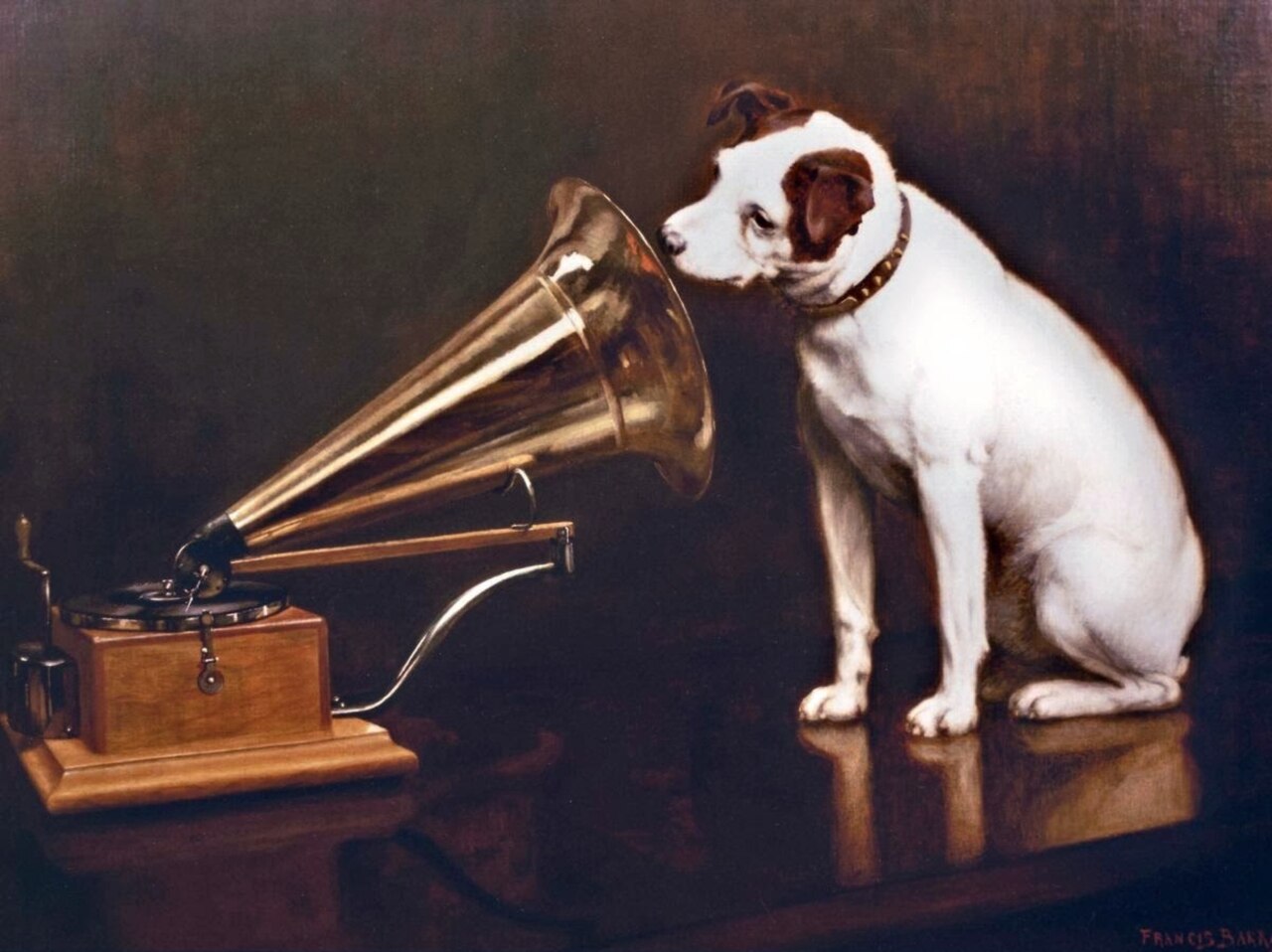
From Curiosity to Commodityजब ग्रामोफोन कंपनी (कई बाजारों में एचएमवी—हिज़ मास्टर वॉयस—के रूप में व्यापार करते थे) 1902 में भारतीय संगीत रिकॉर्ड करना शुरू किया, तो यह एक प्रयोगात्मक उद्यम था। तकनीक नई थी। भारतीय उपभोक्ताओं के पास ग्रामोफोन का सीमित अनुभव था। कंपनी के भारतीय संचालन एक बड़े ब्रिटिश और यूरोपीय उद्यम का एक छोटा चौकी थे। लेकिन 1910 तक, कुछ मौलिक बदल गया। जो एक जिज्ञासा के रूप में शुरू हुआ था—पश्चिम से एक नवीनता, धनी संग्राहकों के लिए एक विविधता—एक वास्तविक वस्तु बन गया था। लाखों भारतीयों ने ग्रामोफोन संगीत सुना था। हजारों ने रिकॉर्ड खरीदे थे। रिकॉर्ड प्लेयर (चाहे ग्रामोफोन या सरल, सस्ते यांत्रिक खिलाड़ी) देश भर के मध्यम-वर्गीय घरों में घरेलू आइटम बन रहे थे। ग्रामोफोन कंपनी को मान्यता दी कि यह अब एक प्रयोगात्मक बाजार नहीं था। यह एक सिद्ध, बढ़ता हुआ, वास्तविक रूप से लाभदायक व्यापार था। रणनीति तदनुसार बदल गई।
अंग्रेज़ी में पढ़ें · Read in English
When the Gramophone Company (trading as HMV—His Master's Voice—in many markets) began recording Indian music in 1902, it was an experimental venture. The technology was new. Indian consumers had limited experience with the gramophone. The company's Indian operations were a small outpost of a larger British and European enterprise. But by 1910, something fundamental had shifted. What had begun as a curiosity—a novelty from the West, a diversion for wealthy collectors—had become a genuine commodity. Millions of Indians had heard gramophone music. Thousands had purchased records. Record players (whether gramophones or simpler, cheaper mechanical players) were becoming household items in middle-class homes across the country. The Gramophone Company recognized that this was no longer an experimental market. It was a proven, growing, genuinely profitable business. The strategy shifted accordingly.
भारतीय कैटलॉग रणनीति
The Indian Catalog Strategy1910 तक, एचएमवी ने एक महत्वपूर्ण बाजार अंतर्दृष्टि को मान्यता दी थी: भारत की रिकॉर्डिंग बाजार अपनी समर्पित रणनीति, अपनी कैटलॉग, अपने सौंदर्य और संगठनात्मक तर्क के लायक परिपक्व हो गई थी। भारतीय रिकॉर्डिंग को वैश्विक कैटलॉग के मार्जिनल जोड़ के रूप में माना जाने के बजाय (जहां गौहर जान ठुमरी यूरोपीय पियानो टुकड़ों के बीच दबी हो सकती थी), कंपनी ने एक साहसिक निर्णय लिया: यह एक विशेष भारतीय कैटलॉग बनाएगी, जो भारतीय संगीत तर्क द्वारा संगठित होगी। यह नया दृष्टिकोण भारतीय ग्राहकों के लिए समझदारी वाली कैटलॉग संरचना विकसित करना मतलब था। कलाकार द्वारा संगठित करने के बजाय (मानक यूरोपीय दृष्टिकोण), एचएमवी की भारतीय कैटलॉग शैली द्वारा संगठित की गई थी। आप "ठुमरी," "ख़याल," "भजन," "दादरा" को ब्राउज़ कर सकते थे, प्रत्येक दर्जनों प्रविष्टियों के साथ। प्रत्येक शैली के भीतर, प्रदर्शन को राग, मूड और अवसर द्वारा और संगठित किया गया। सूचकांक प्रणाली स्वयं द्विभाषी थी—हिंदी और अंग्रेजी—यह स्वीकार करते हुए कि भारतीय उपभोक्ता विविध भाषाई पृष्ठभूमि से आए थे। कैटलॉग ने दोनों भाषाओं में विस्तृत टीका भी दिया, संगीत रूप की व्याख्या, परंपरा, प्रत्येक रिकॉर्डिंग का महत्व। यह क्रांतिकारी था। यह भारतीय संगीत को विदेशी मनोरंजन के रूप में नहीं बल्कि एक वैध, जटिल, व्याख्या के योग्य संगीत परंपरा के रूप में माना गया।
अंग्रेज़ी में पढ़ें · Read in English
By 1910, HMV had recognized a critical market insight: India's recording market had matured enough to deserve its own dedicated strategy, its own catalog, its own aesthetic and organizational logic. Rather than treating Indian recordings as a marginal addition to the global catalog (where a Gauhar Jaan thumri might be tucked between European piano pieces), the company made a bold decision: it would create a special Indian catalog, organized by Indian musical logic. This new approach meant developing a catalog structure that made sense to Indian customers. Instead of organizing by artist (the standard European approach), HMV's Indian catalog organized by genre. You could browse "Thumri," "Khayal," "Bhajan," "Dadra," each with dozens of entries. Within each genre, performances were further organized by raag, mood, and occasion. The indexing system itself was bilingual—Hindi and English—recognizing that Indian consumers came from diverse linguistic backgrounds. The catalog also featured detailed annotations in both languages, explaining the musical form, the tradition, the significance of each recording. This was revolutionary. It treated Indian music not as exotic entertainment but as a legitimate, complex, worthy-of-explanation musical tradition.
स्थानीयकरण के माध्यम से बाजार प्रभुत्व
Market Dominance Through Localizationभारतीय कैटलॉग रणनीति ने तत्काल लाभांश दिए। संगीत को उन तरीकों में संगठित करके जो भारतीय उपभोक्ताओं के लिए अर्थ रखते थे, एचएमवी ग्रामोफोन रिकॉर्ड खरीदने के बारे में गंभीर किसी के लिए डिफ़ॉल्ट पसंद बन गया। ठुमरी सुनना चाहने वाला व्यक्ति एक कुरेटेड चयन था। एक संगीतकार राग का अध्ययन कर रहा एक राग द्वारा ब्राउज़ कर सकता था। एक परिवार एक शादी की योजना बना रहा "मेहंदी" और "बारात" द्वारा संगठित गीत पा सकता था—श्रेणियां जिनका पश्चिमी संगीत तर्क में कोई मतलब नहीं था लेकिन भारतीय उपभोक्ताओं के लिए सब कुछ। एचएमवी के प्रतिद्वंद्वी—छोटी कंपनियां, स्थानीय प्रेसिंग संयंत्र—इस स्तर की परिष्कृतता से मेल खाने में असमर्थ पाए गए। उनके पास एचएमवी के समान अच्छे व्यक्तिगत रिकॉर्डिंग हो सकते थे, लेकिन उनके पास उन्हें प्रभावी ढंग से प्रस्तुत करने के लिए संगठनात्मक और विपणन बुनियादी ढांचे का अभाव था। एचएमवी की भारतीयकृत कैटलॉग एक प्रतिस्पर्धी खाई बन गई। 1910 तक, एचएमवी ने कुछ उल्लेखनीय हासिल किया था: यह सिर्फ भारतीयों को बेचने वाली एक रिकॉर्ड कंपनी नहीं बल्कि भारतीय रिकॉर्ड कंपनी बन गई थी। इसका ब्रांड भारत में ग्रामोफोन संगीत का पर्यायवाची था। जब कोई कहता था "मुझे एक रिकॉर्ड खरीदना है," वह अक्सर मतलब था "मुझे एचएमवी रिकॉर्ड खरीदना है।" यह प्रभुत्व एकाधिकारी प्रथाओं या मूल्य युद्ध के माध्यम से नहीं बल्कि समझ के माध्यम से हासिल किया गया था—भारतीय बाजार को गंभीरता से लेने के लिए काफी यह भारतीय संगीत तर्क के अनुसार संगठित करने के लिए।
अंग्रेज़ी में पढ़ें · Read in English
The Indian catalog strategy paid immediate dividends. By organizing music in ways that made sense to Indian consumers, HMV became the default choice for anyone serious about buying gramophone records. A person wanting to hear thumri had a curated selection. A musician studying raag could browse by raag. A family planning a wedding could find songs organized by "Mehendi" and "Baraat"—categories that meant nothing in Western musical logic but everything to Indian consumers. HMV's competitors—smaller companies, local pressing plants—found themselves unable to match this level of sophistication. They might have individual recordings as good as HMV's, but they lacked the organizational and marketing infrastructure to present them effectively. HMV's Indianized catalog became a competitive moat. By 1910, HMV had achieved something remarkable: it had become not just a record company selling to Indians, but *the* Indian record company. Its brand was synonymous with gramophone music in India. When someone said "I want to buy a record," they often meant "I want to buy an HMV record." This dominance was not achieved through monopolistic practices or price war, but through understanding—through taking the Indian market seriously enough to organize it according to Indian musical logic.
एक परिपक्व बाजार उभरता है
A Mature Market Emerges1910 तक, भारतीय ग्रामोफोन बाजार परिपक्वता में पहुंच गया था एक तरीके से कि कुछ उद्योग एक दशक में करते हैं। यह शून्य से एचएमवी के वैश्विक राजस्व के एक महत्वपूर्ण हिस्से तक बढ़ा था। इसने बुनियादी ढांचा विकसित किया था—प्रेसिंग संयंत्र, वितरण नेटवर्क, खुदरा नेटवर्क। यह एक शिक्षित उपभोक्ता आधार बनाया था। सबसे उल्लेखनीय रूप से, इसने एक अलग सौंदर्य और संगठनात्मक तर्क विकसित किया है, जो अपनी संवेदनशीलता में पूरी तरह से भारतीय था जबकि अपनी नींव के रूप में पश्चिमी तकनीक का उपयोग कर रहा था। एचएमवी की भारतीय कैटलॉग रणनीति की सफलता कुछ गहरी प्रतिबिंबित करती है: एक स्वीकृति, हालांकि अंतर्निहित, कि भारत केवल एक शोषण करने वाला बाजार नहीं था बल्कि सम्मान करने की एक संस्कृति थी। अपनी कैटलॉग को भारतीय संगीत तर्क के अनुसार संगठित करके, एचएमवी कह रहा था: आपका संगीत महत्वपूर्ण है। आपकी श्रेणियां समझ में आती हैं। संगीत को समझने का आपका तरीका मान्य है। यह सम्मान वफादारी के साथ चुकाया गया था। भारतीय उपभोक्ता, यह स्वीकार करते हुए कि एचएमवी अपनी संगीत संस्कृति को समझता है, ब्रांड के प्रति वफादार रहा। 1910 तक, एचएमवी ने भारतीय ग्रामोफोन रिकॉर्ड बाजार का लगभग 70% आयोजन किया। वह प्रभुत्व बीसवीं सदी में अच्छी तरह से जारी रहेगा। लेकिन इसे बल या धोखे के माध्यम से नहीं बल्कि ध्यान देने के सरल कार्य के माध्यम से अर्जित किया गया था—सुनने के लिए कि भारतीय उपभोक्ता क्या चाहते थे और उसके अनुसार अपने उत्पाद को संगठित करने के लिए।
अंग्रेज़ी में पढ़ें · Read in English
By 1910, the Indian gramophone market had achieved maturity in a way that few industries do in a single decade. It had grown from zero to a significant portion of HMV's global revenue. It had developed infrastructure—pressing plants, distribution networks, retail networks. It had created an educated consumer base. Most remarkably, it had developed a distinctive aesthetic and organizational logic, one that was thoroughly Indian in its sensibilities while using Western technology as its foundation. The success of HMV's Indian catalog strategy reflected something deeper: an acknowledgment, however implicit, that India was not simply a market to be exploited but a culture to be respected. By organizing their catalog according to Indian musical logic, HMV was saying: your music matters. Your categories make sense. Your way of understanding music is valid. This respect was repaid with loyalty. Indian consumers, recognizing that HMV understood their musical culture, remained faithful to the brand. By 1910, HMV held roughly 70% of the Indian gramophone record market. That dominance would persist well into the twentieth century. But it had been earned not through force or deception, but through the simple act of paying attention—of listening to what Indian consumers wanted and organizing their product accordingly.
परिचय
IdentityEpithet
कैसे एचएमवी स्थानीयकृत रणनीति के माध्यम से एक ब्रिटिश जिज्ञासा से भारत के प्रभावशाली रिकॉर्डिंग उद्यम में रूपांतरित हुआ।
How HMV transformed from a British curiosity into India's dominant recording enterprise through localized strategy.
कहानी-नमूना
The Story Specimen| शीर्षक | हिज़ मास्टर वॉयस की रणनीति: एचएमवी की विशेष भारतीय कैटलॉग और बाजार परिपक्वता · The His Master's Voice Strategy: HMV's Special Indian Catalog and Market Maturity |
|---|---|
| श्रेणी | Industry |
| प्रकार | Narrative |
| पाठ-समय | ८ मिनट का पाठ |
| प्रकाशित | 31 March 2026 — admin |
| वर्ष | 1910 |
| टैग | HMV · market strategy · Indian catalog · localization · brand dominance |
और कहानियाँ
More Stories from the Atlas

साझा कीजिए · Share this Plate