कहानियाँ विंग · कहानी · Music History
ख़्याल से ग़ज़ल: हिंदुस्तानी गायन विधाओं का विकास
From Khayal to Ghazal: Evolution of Hindustani Singing Forms
प्रकाशित31 March 2026 पाठ३ मिनट का पाठ
आमुख
यह कहानी बताती है कि कैसे ख़्याल और ग़ज़ल दो भिन्न लेकिन परस्पर जुड़ी हुई गायन विधाएँ विकसित हुईं। दोनों ही परंपरा और आधुनिकता का संयोजन हैं, जो भारतीय संगीत के विकास को दर्शाती हैं।
अंग्रेज़ी में पढ़ें · Read in English
This story tells how khayal and ghazal, two distinct yet interconnected vocal forms, developed and influenced each other. Both represent the blend of tradition and modernity in Indian music.
दोनों विधाओं की उत्पत्ति
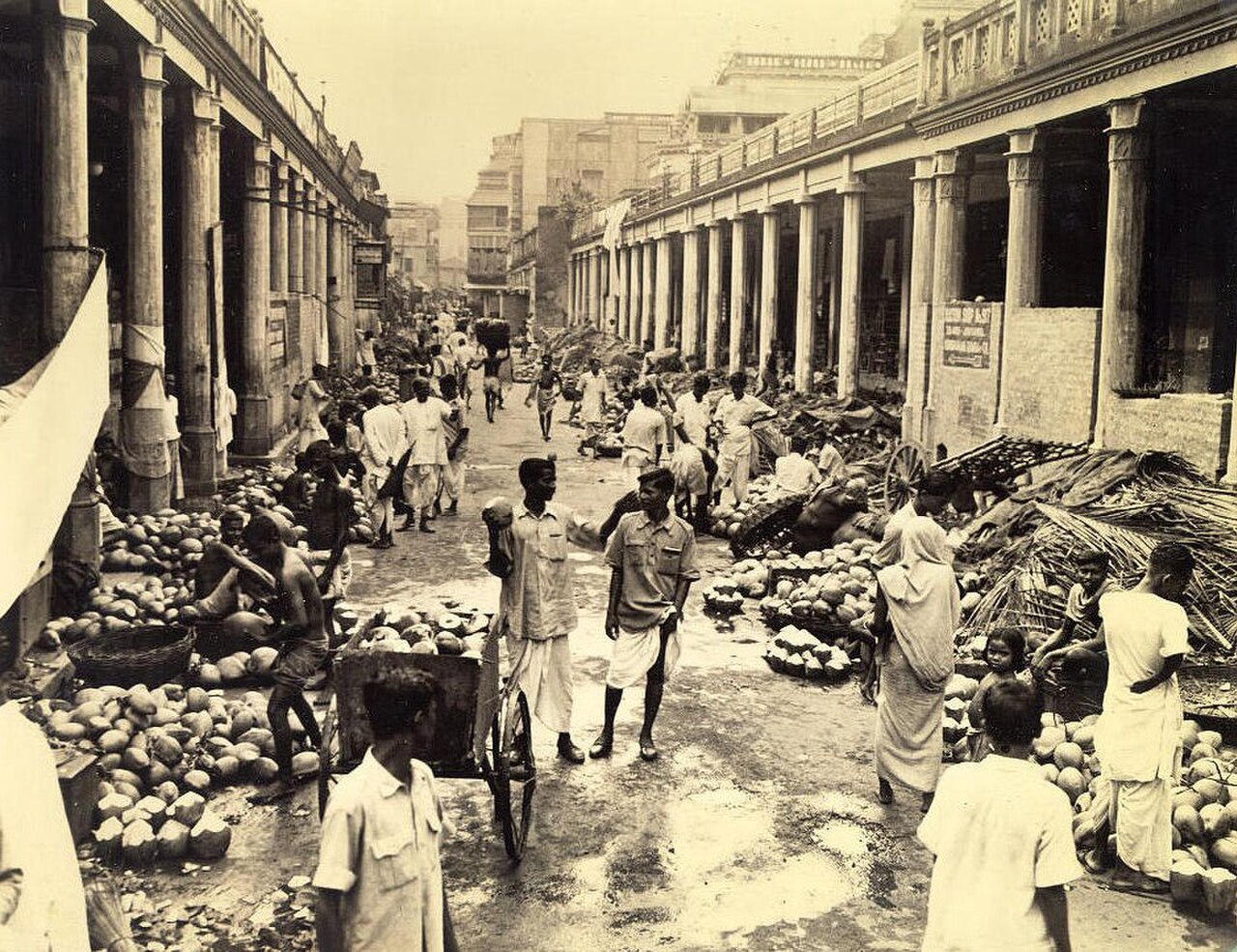
Origins of Both Formsख़्याल और ग़ज़ल दोनों की जड़ें मध्यकालीन भारत में हैं। ख़्याल का विकास दिल्ली और जौनपुर के दरबारों में हुआ, जहाँ अमीर खुसरौ जैसे महान संगीतज्ञों ने संगीत को नई दिशा दी। ग़ज़ल का विकास फ़ारस और अरब में हुआ, लेकिन भारत में इसे नया रूप मिला। दोनों विधाएँ पहले दरबारों में गाई जाती थीं, लेकिन बाद में वे सामान्य जनता के लिए भी सुलभ हो गईं। ख़्याल और ग़ज़ल में दोनों ही गायक की व्यक्तिगत अभिव्यक्ति को महत्व दिया जाता है।
अंग्रेज़ी में पढ़ें · Read in English
Both khayal and ghazal have roots in medieval India. Khayal developed in Delhi and Jaunpur courts where musicians like Amir Khusrau revolutionized music. Ghazal developed in Persia and Arabia but took new forms in India. Both were court forms but later became accessible to common people. Both emphasize the singer's individual expression.
संरचना में अंतर
Differences in Structureख़्याल एक राग-आधारित विधा है जहाँ गायक एक निश्चित राग के अंतर्गत रहकर अपनी कल्पनाशक्ति को व्यक्त करता है। इसमें एक निश्चित संरचना होती है — बंदिश, अलाप, तान आदि। दूसरी ओर, ग़ज़ल काव्य-केंद्रित विधा है जहाँ शेरों (couplets) की स्वतंत्रता होती है। प्रत्येक शेर पूर्ण और स्वतंत्र अर्थ रखता है। ख़्याल में शास्त्रीय संगीत की कठोरता है, जबकि ग़ज़ल में कविता की कोमलता है।
अंग्रेज़ी में पढ़ें · Read in English
Khayal is raag-based where the singer expresses imagination within a framework. It has a defined structure: bandish, alap, taans. Ghazal is poetry-centric where each sher is independent. Khayal has classical music's rigor; ghazal has poetry's softness.
सांस्कृतिक संदर्भ
Cultural Context18वीं सदी में जब मुगल साम्राज्य अपने पतन की ओर था, ख़्याल और ग़ज़ल दोनों ने संगीत के क्षेत्र में नई जीवंतता लाई। ख़्याल ने शास्त्रीय परंपरा को जारी रखा, जबकि ग़ज़ल ने प्रेम, आध्यात्मिकता और दार्शनिकता को संगीत के माध्यम से व्यक्त किया। दिल्ली के दरबारों में महान कवि और संगीतज्ञों ने इन दोनों विधाओं को परिपूर्णता दी। मीर, ग़ालिब और अन्य कवि ग़ज़ल के माध्यम से अपने भावों को व्यक्त करते थे, जबकि संगीतज्ञ ख़्याल के माध्यम से राग की गहराई को समझाते थे।
अंग्रेज़ी में पढ़ें · Read in English
In 18th century, as Mughal empire declined, both khayal and ghazal brought new vitality to music. Khayal continued classical tradition; ghazal expressed love, spirituality, and philosophy. Delhi's courts perfected both forms. Poets like Mir and Ghalib expressed emotions through ghazal; musicians revealed raag's depths through khayal.
आधुनिक काल में विकास
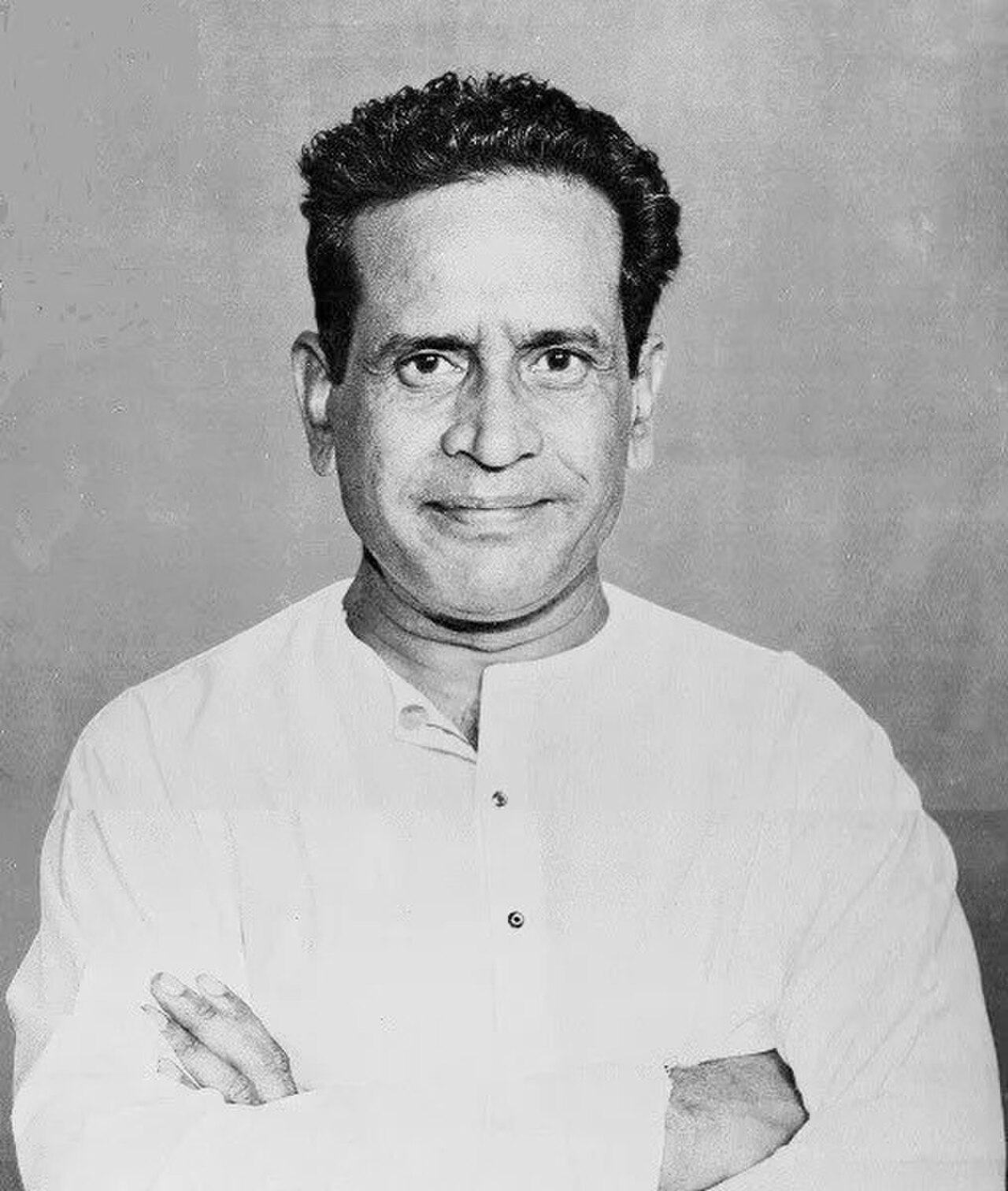
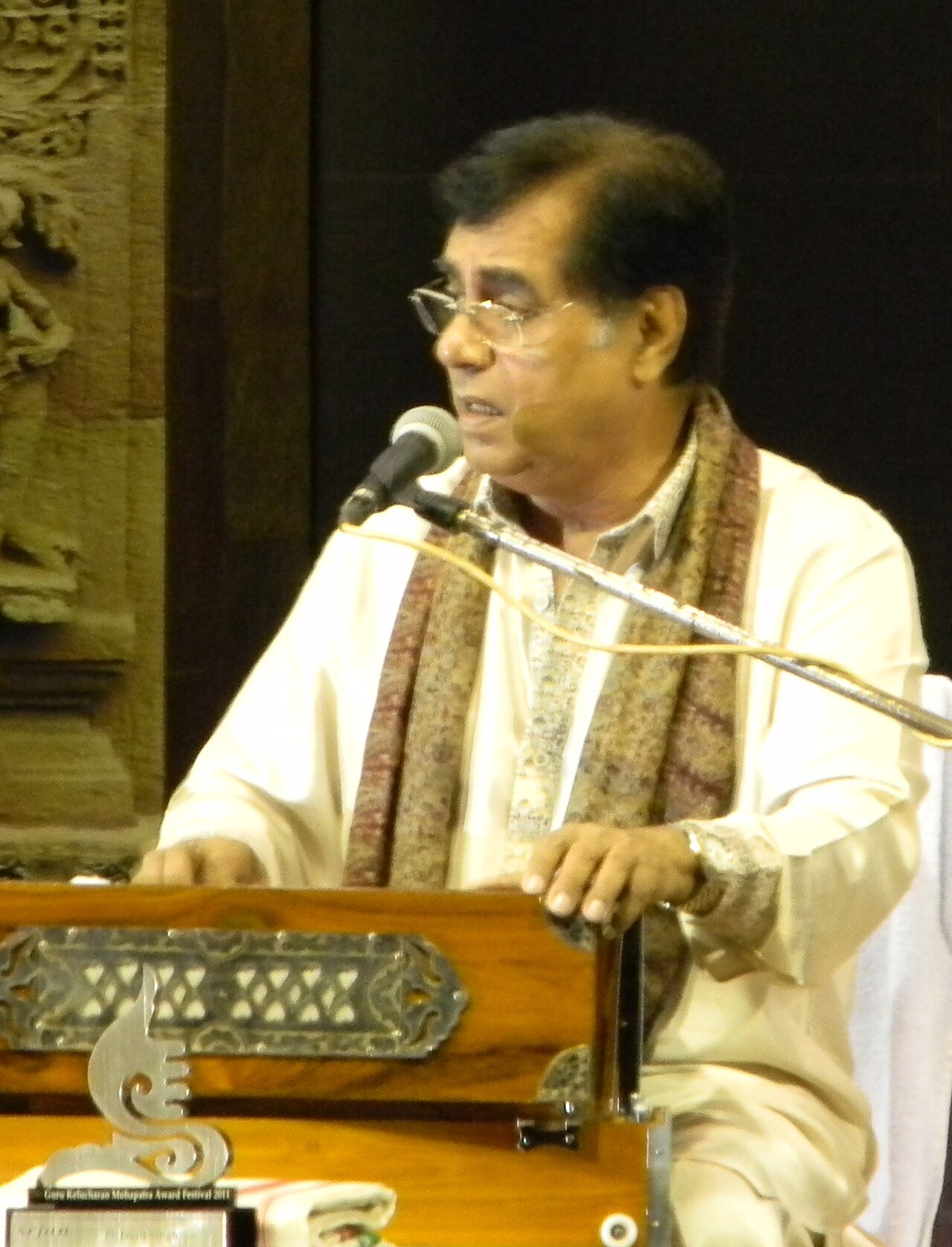
Development in Modern Times20वीं सदी में ख़्याल ने भीमसेन जोशी, किशोरी अमोणकर और अन्य महान गायकों के माध्यम से अपनी उचाइयों को छुआ। दूसरी ओर, ग़ज़ल को बेगम अख़्तर ने शास्त्रीय संगीत के साथ संयोजित किया। जगजीत सिंह ने ग़ज़ल को आधुनिक गायकी का रूप दिया। दोनों विधाएँ अब केवल भारत में नहीं, बल्कि विश्व मंच पर भी प्रदर्शित की जाती हैं। हरिहरन, अबिजीत और अन्य समकालीन गायकों ने ग़ज़ल को लोकप्रिय बनाया है। राशिद खान, कौशिकी चक्रवर्ती जैसे युवा कलाकार ख़्याल की परंपरा को जारी रखे हुए हैं।
अंग्रेज़ी में पढ़ें · Read in English
In 20th century, khayal reached new heights through Bhimsen Joshi, Kishori Amonkar. Ghazal was integrated with classical music by Begum Akhtar. Jagjit Singh modernized ghazal. Both forms now perform globally. Modern singers keep traditions alive while innovating.
परस्पर प्रभाव
Mutual Influenceसमय के साथ ख़्याल और ग़ज़ल ने एक-दूसरे को प्रभावित किया। कुछ गायक दोनों विधाओं में पारंगत हैं। गिरिजा देवी ने तुमरी और ख़्याल दोनों को गाया। बेगम अख़्तर ने ग़ज़ल और तुमरी दोनों गाईं। इसका कारण यह है कि दोनों विधाएँ भाव और सृजनशीलता पर आधारित हैं। दोनों में गायक को अपनी आत्मा को संगीत के माध्यम से व्यक्त करने की स्वतंत्रता होती है। आज के समय में, ख़्याल और ग़ज़ल का संगीत मंचों पर एक-दूसरे के साथ प्रदर्शित किया जाता है।
अंग्रेज़ी में पढ़ें · Read in English
Over time, khayal and ghazal influenced each other. Some singers master both forms. Girija Devi sang both thumri and khayal. Begum Akhtar sang both ghazal and thumri. This is because both are emotion and creativity-based. Both give singers freedom to express their soul. Today, khayal and ghazal are performed together on concert stages.
परिचय
Identity- Epithet
- khayal-ghazal-evolution
श्रवण-कक्ष · The Listening Room
इस कहानी के वीडियो
ख़्याल की प्रस्तुति
बेगम अख़्तर की ग़ज़ल प्रस्तुति
कहानी-नमूना
The Story Specimen| शीर्षक | ख़्याल से ग़ज़ल: हिंदुस्तानी गायन विधाओं का विकास · From Khayal to Ghazal: Evolution of Hindustani Singing Forms |
|---|---|
| श्रेणी | Music History |
| पाठ-समय | ३ मिनट का पाठ |
| प्रकाशित | 31 March 2026 — admin |
और कहानियाँ
More Stories from the Atlas
साझा कीजिए · Share this Plate
यह पन्ना आगे बढ़ाइए
सवाल-जवाब
Questions & Answerskhayal-ghazal-evolution — यह कथा किस बारे में है? · What is this story about?
यह कहानी बताती है कि कैसे ख़्याल और ग़ज़ल दो भिन्न लेकिन परस्पर जुड़ी हुई गायन विधाएँ विकसित हुईं। दोनों ही परंपरा और आधुनिकता का संयोजन हैं, जो भारतीय संगीत के विकास को दर्शाती हैं।
This story tells how khayal and ghazal, two distinct yet interconnected vocal forms, developed and influenced each other. Both represent the blend of tradition and modernity in Indian music.