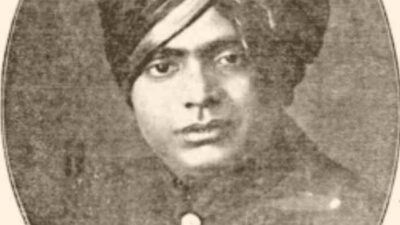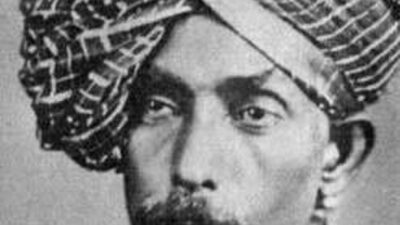
कलाकार विंग · कलाकार-पट्टिका · Artist Plate
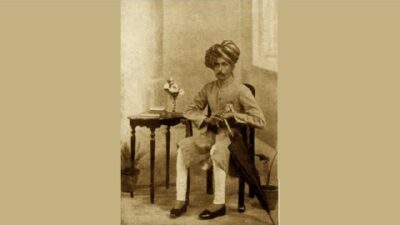
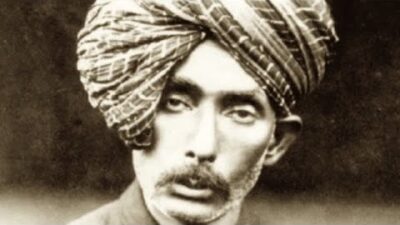
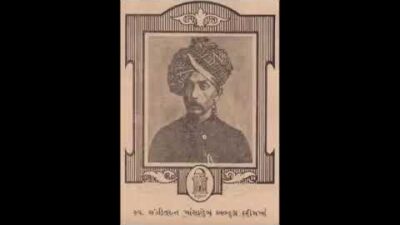
अब्दुल करीम खान
Abdul Karim Khan
जन्म22 September 1872 — Kirana, Punjab, India
निधन16 July 1937 — Indore, Madhya Pradesh, India
जीवन-पट्टी
The Life Specimen| नाम | अब्दुल करीम खान · Abdul Karim Khan |
|---|---|
| जन्म | 22 September 1872 — Kirana, Punjab, India |
| निधन | 16 July 1937 — Indore, Madhya Pradesh, India |
| भूमिकाएँ | गायक · रचनाकार · Guru |
| राष्ट्रीयता | Indian |
| विधाएँ | Khayal · Tarana · भजन |
| भाषाएँ | Hindi |
पट्टिका-लेख
The Monographजीवनी Biography
अब्दुल करीम ख़ान (1872–1937) हिंदुस्तानी शास्त्रीय संगीत के महान गायक और किराना घराने के संस्थापक थे। पंजाब के किराना गाँव में जन्मे ख़ान साहब ने अपने गुरुओं से शास्त्रीय संगीत की कठोर तालीम पाई। भारतीय शास्त्रीय संगीत को उनकी क्रांतिकारी देन उनका सरलीकरण-दर्शन था — तकनीकी अलंकरण से ऊपर राग का अंतर्निहित सौंदर्य, जटिलता से ऊपर स्वर की निर्मलता, और कौशल-प्रदर्शन से ऊपर भावनात्मक सच्चाई। उनका मार्ग उस दौर की अलंकार-प्रधान, जटिल शैली से आमूल प्रस्थान था। उनके दर्शन का सार है — 'अलंकरण कम, भाव गहरा।' इस सरलता ने कलात्मक प्रामाणिकता के उच्चतम मानदंड बनाए रखते हुए शास्त्रीय संगीत को व्यापक श्रोता-वर्ग तक पहुँचाया। 1906 से आरंभ उनकी रिकॉर्डिंग्स इस क्रांतिकारी दृष्टि की जीवित गवाही हैं। ख़ान साहब की विरासत उनकी प्रस्तुतियों से कहीं बड़ी है। वे बीसवीं सदी के कई महत्वपूर्ण गायकों के गुरु बने — हीराबाई बड़ोदेकर और केसरबाई केरकर समेत अनेक। उनका स्थापित किराना घराना भारत की सर्वाधिक प्रभावशाली गायन-परंपराओं में गिना गया, जिसकी पहचान है स्पष्टता, संयम और भावनात्मक गहराई। 'कम में अधिक' का उनका दर्शन आज भी शास्त्रीय गायकों को राह दिखाता है। औपनिवेशिक दौर और राष्ट्रीय जागरण के साक्षी ख़ान साहब के लिए संगीत केवल मनोरंजन नहीं, आध्यात्मिक और सांस्कृतिक साधना था। उत्तरार्ध में उन्होंने इंदौर में गुरुकुल स्थापित किया, जहाँ पारंपरिक गुरु-शिष्य परंपरा से शिक्षा दी। 1937 में उनका देहांत हुआ — पीछे रह गई वह विरासत, जिसने हिंदुस्तानी शास्त्रीय संगीत की दिशा सदा के लिए बदल दी।
अंग्रेज़ी में पढ़ें · Read in English
Abdul Karim Khan (1872-1937) was a legendary Hindustani classical vocalist and founder of the Kirana gharana. Born in Kirana, a village in Punjab, Abdul Karim Khan received rigorous training in classical music from his gurus. His revolutionary contribution to Indian classical music lay in his philosophy of simplification — he emphasized the intrinsic beauty of the raag over technical ornamentation, clarity of tone over complexity, and emotional authenticity over mere display of technical skill.
Khan's approach marked a radical departure from the ornament-heavy, complex style that dominated classical music of his era. His philosophy can be summarized as 'less ornamentation, deeper emotion.' This simplification made classical music more accessible to wider audiences while maintaining the highest standards of artistic integrity. His recordings from 1906 onward demonstrate this revolutionary approach.
Abdul Karim Khan's legacy extends far beyond his own performances. He became a guru to some of the most important singers of the 20th century, including Hirabai Barodekar, Kesar Bai Kerkar, and many others. The Kirana gharana, which he founded, became one of the most influential classical vocal lineages in India, characterized by its emphasis on clarity, restraint, and emotional depth. His philosophy of 'less is more' continues to influence classical singers today.
Khan lived through the colonial period and witnessed the rise of nationalism. Music, for him, was not merely entertainment but a spiritual and cultural practice. He founded a gurukul (traditional music school) in Indore in his later years, where he taught according to traditional guru-shishya parampara (master-student tradition). He passed away in 1937, leaving behind a legacy that fundamentally transformed the course of Hindustani classical music.
विरासत Legacy
अब्दुल करीम ख़ाँ (1872–1937) ने किराना घराने की आधुनिक पहचान गढ़ी: लंबा, प्रार्थना-सा ठहरा हुआ स्वर, कर्नाटक सरली अभ्यासों का हिंदुस्तानी तालीम में विलय, और ऐसी मिठास भरी गायकी कि उनके 1905 के दौर के तवे आज भी सुने जाते हैं। उनके शिष्य और परंपरा — सवाई गंधर्व, और उनसे आगे भीमसेन जोशी व गंगूबाई हंगल — ने किराना को बीसवीं सदी की सबसे व्यापक ख़याल गायकी बना दिया।
अंग्रेज़ी में पढ़ें · Read in English
Abdul Karim Khan (1872–1937) founded the Kirana gharana's modern identity: the long, prayer-like swara, the merging of Carnatic sarali exercises into Hindustani pedagogy, and a singing of such sweetness that his 1905-era discs still circulate. His students and lineage — Sawai Gandharva, and through him Bhimsen Joshi and Gangubai Hangal — made Kirana the most widespread khayal gayaki of the twentieth century.
गायन-शैली Musical Style
गति पर स्वर की विजय: अब्दुल करीम ख़ाँ ख़याल को सधी हुई साधना की तरह गाते थे — धीमा विस्तार, बेधक सच्चा सुर, रोती हुई-सी आवाज़। उनकी ठुमरियों ('पिया बिन नाहीं आवत चैन') ने ख़याल का अनुशासन उपशास्त्रीय रूपों तक पहुँचाया, और वे अपने समय की शुद्धता-बहसों से निर्लिप्त रहकर खुलकर रिकॉर्ड करते रहे।
अंग्रेज़ी में पढ़ें · Read in English
Swara over speed: Abdul Karim Khan sang khayal as sustained devotion — slow elaboration, piercingly true intonation, a voice that wept. His thumris ('Piya Bin Nahi Aavat Chain') carried khayal's discipline into light forms, and he treated the harmonium-banned purity debates of his time with serene indifference, recording prolifically.
सांस्कृतिक प्रभाव Cultural Impact
अब्दुल करीम ख़ान बीसवीं सदी के भारतीय संगीत की सबसे महत्वपूर्ण विभूतियों में हैं। सरलीकरण के उनके दर्शन ने दरबारी संगीत-सौंदर्य को चुनौती दी और शास्त्रीय संगीत को आम रसिक तक पहुँचाया। उनका प्रभाव उनकी अपनी प्रस्तुतियों से कहीं आगे जाकर आने वाली पीढ़ियों के गायन-दृष्टिकोण को गढ़ता रहा। किराना घराना आज भी हिंदुस्तानी शास्त्रीय संगीत की एक प्रमुख धारा है, और दुनिया-भर के संगीतकार उनकी क्रांतिकारी सोच की छाप पहचानते हैं।
अंग्रेज़ी में पढ़ें · Read in English
Abdul Karim Khan stands as one of the most important figures in 20th-century Indian music. His philosophy of simplification challenged the court-music aesthetic and made classical music more accessible. His influence extends beyond his own performances to shape how subsequent generations approach classical vocal music. The Kirana gharana remains a major force in Hindustani classical music, and musicians worldwide recognize the imprint of his revolutionary thinking.
तालीम, विधाएँ और भाषाएँ
Training · Genres · Languagesजीवन-रेखा
Career Highlights-
मील-पत्थर
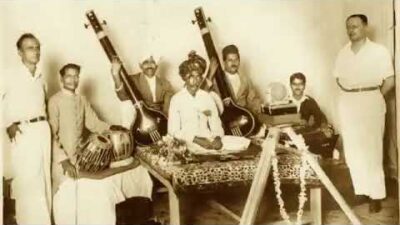
पहली व्यावसायिक ग्रामोफोन रिकॉर्डिंग (1906-1907) जो क्रांतिकारी सरलीकृत दृष्टिकोण का परिचय देती है
First commercial gramophone recordings (1906-1907) introducing revolutionary simplified approach
- मील-पत्थर किरान घराना की स्थापना — सबसे प्रभावशाली शास्त्रीय गायन परंपराओं में से एक Founded Kirana gharana — one of most influential classical vocal traditions
- मील-पत्थर सरलीकरण के दर्शन के माध्यम से शास्त्रीय गायन तकनीक में क्रांति Revolutionized classical vocal technique through philosophy of simplification
- मील-पत्थर हीराबाई बड़ोडेकर और केसर बाई केरकर जैसे किंवदंती शिष्यों को पढ़ाया Taught legendary students including Hirabai Barodekar and Kesar Bai Kerkar
- मील-पत्थर इंदौर में गुरुकुल की स्थापना जो परंपरागत गुरु-शिष्य प्रणाली को संरक्षित करता है Established gurukul in Indore preserving traditional guru-shishya system
पुरस्कार एवं सम्मान
Awards & Recognition- 1890s बड़ौदा राज्य के दरबारी गायक Court musician, Baroda State
- 1913 आर्य संगीत विद्यालय के संस्थापक Founder, Arya Sangeet Vidyalaya (Pune/Miraj)
अन्य विवरण
More Details- Birth Year
- 1872
- Death Year
- 1937
- Kafi Khayal — Dhruva Tara
- Yaman Khayal — Saanj Samay
Legacy
अब्दुल करीम ख़ाँ (1872–1937) ने किराना घराने की आधुनिक पहचान गढ़ी: लंबा, प्रार्थना-सा ठहरा हुआ स्वर, कर्नाटक सरली अभ्यासों का हिंदुस्तानी तालीम में विलय, और ऐसी मिठास भरी गायकी कि उनके 1905 के दौर के तवे आज भी सुने जाते हैं। उनके शिष्य और परंपरा — सवाई गंधर्व, और उनसे आगे भीमसेन जोशी व गंगूबाई हंगल — ने किराना को बीसवीं सदी की सबसे व्यापक ख़याल गायकी बना दिया।
Abdul Karim Khan (1872–1937) founded the Kirana gharana's modern identity: the long, prayer-like swara, the merging of Carnatic sarali exercises into Hindustani pedagogy, and a singing of such sweetness that his 1905-era discs still circulate. His students and lineage — Sawai Gandharva, and through him Bhimsen Joshi and Gangubai Hangal — made Kirana the most widespread khayal gayaki of the twentieth century.
Musical Style
गति पर स्वर की विजय: अब्दुल करीम ख़ाँ ख़याल को सधी हुई साधना की तरह गाते थे — धीमा विस्तार, बेधक सच्चा सुर, रोती हुई-सी आवाज़। उनकी ठुमरियों ('पिया बिन नाहीं आवत चैन') ने ख़याल का अनुशासन उपशास्त्रीय रूपों तक पहुँचाया, और वे अपने समय की शुद्धता-बहसों से निर्लिप्त रहकर खुलकर रिकॉर्ड करते रहे।
Swara over speed: Abdul Karim Khan sang khayal as sustained devotion — slow elaboration, piercingly true intonation, a voice that wept. His thumris ('Piya Bin Nahi Aavat Chain') carried khayal's discipline into light forms, and he treated the harmonium-banned purity debates of his time with serene indifference, recording prolifically.
Notable Recordings
अभिलेख-सार
Discography Summary| संग्रह में गीत | 5 — नीचे जुड़े हुए पन्नों में सूचीबद्ध |
|---|---|
| रिकॉर्ड लेबल | Gramophone Company · HMV · Odeon |
जुड़े हुए पन्ने
Connected Plates · The Graph Made Visibleअटलस में कोई पन्ना अकेला नहीं — अब्दुल करीम खान से उनके गीत, फ़िल्में, घराना, समकालीन और युग, सब यहाँ से खुलते हैं।
हस्ताक्षर-गीत · Signature Songs
शास्त्र-सूत्र · Shastra Threads
साझा कीजिए · Share this Plate
यह पन्ना आगे बढ़ाइए
जुड़ी हुई दुनिया
Explore ConnectionsStories · कहानियाँ (14)
 कहानी · Storyअब्दुल करीम खान की पहली रिकॉर्डिंग: किराना ध्वनि का जन्म
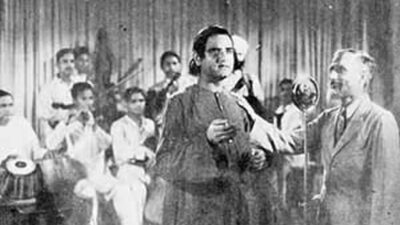 कहानी · Storyअब्दुल करीम खान का दूसरा वर्ष: किराना ध्वनि को दृढ़ करना
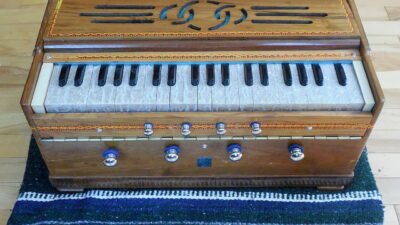 कहानी · Storyगुणवत्ता में छलांग — 1908 ने रिकॉर्डिंग को कैसे बदला
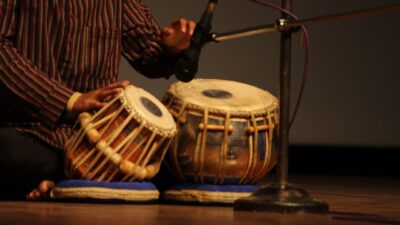 कहानी · Storyभारतीय संगीत कैसे लिखा जाता है? स्वरलिपि की कहानी
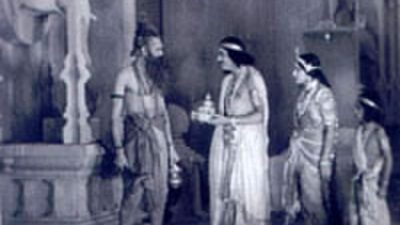 कहानी · Storyएक दशक पूर्ण: शून्य से पाँच हज़ार तक—भारतीय रिकॉर्डिंग चमत्कार
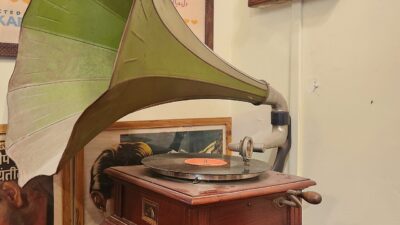 कहानी · Storyग्रामोफोन क्रांति: कलकत्ता से परे विस्तारकहानी · Storyलेबल युद्ध: भारतीय रिकॉर्डिंग कलाकारों के लिए प्रतिद्वंद्विता तीव्र होती है
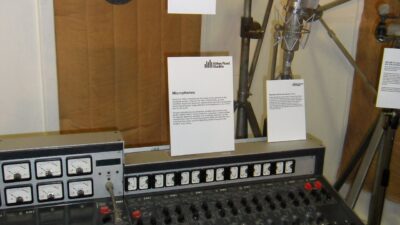 कहानी · Storyराष्ट्र की आवाज़ें: मिंटो-मॉर्ले सुधार और 1909 की रिकॉर्डिंग सत्र