कहानियाँ विंग · कहानी · Artist Biography · 1907
अब्दुल करीम खान का दूसरा वर्ष: किराना ध्वनि को दृढ़ करना
Abdul Karim Khan's Second Year: Consolidating the Kirana Sound
कैसे 1907 ने शास्त्रीय सौंदर्य पर खान के क्रांतिकारी प्रभाव की पुष्टि की
प्रकाशित31 March 2026
आमुख
1907 में अब्दुल करीम खान की राग यमन की रिकॉर्डिंग ने यह सिद्ध कर दिया कि उनका 1906 का दृष्टिकोण कोई संयोग नहीं था, बल्कि एक सुचिंतित दर्शन था। एक ही राग को बार-बार अलग-अलग तरीकों से रिकॉर्ड करते देख संगीतकार समझने लगे कि 'किराना' केवल एक घराने का नाम नहीं, बल्कि एक नया सौंदर्यशास्त्र था।
अंग्रेज़ी में पढ़ें · Read in English
In 1907, Abdul Karim Khan's recording of Raag Yaman proved that his 1906 approach was not a fluke but a considered philosophy. Hearing the same raag recorded in consistently the same spirit, musicians began to understand that 'Kirana' was not merely a gharana name but a new aesthetic.
क्रांतिकारी प्रभाव का वजन
The Weight of Revolutionary Influence1907 तक, अब्दुल करीम खान ने ग्रामोफोन रिकॉर्डिंग का एक पूरा साल पूरा कर लिया था। उनकी 1906 रिलीज के प्रति प्रारंभिक प्रतिक्रिया मिश्रित थी — परंपरावादी अभी भी खारिज कर रहे थे, उनके दृष्टिकोण को सरल कहते हुए — लेकिन कुछ अप्रत्याशित हो रहा था। संगीतकार उनकी रिकॉर्डिंग को ध्यान से सुन रहे थे।
अंग्रेज़ी में पढ़ें · Read in English
By 1907, Abdul Karim Khan had completed a full year of gramophone recordings. The initial response to his 1906 releases had been mixed — traditionalists remained dismissive, calling his approach simplistic — but something unexpected was happening. Musicians were listening intently to his recordings. The 1906 Kafi Khayal had circulated among vocalists, and a growing number of serious musicians were beginning to recognize Khan's work as something profound rather than primitive.
His second year of recording, in 1907, came at a critical moment. Would his initial recordings prove to be a novelty, a curious variant, or would 1907 consolidate his influence? The records pressed in 1907 would answer these questions. Khan faced pressure from multiple directions. Traditional establishments wanted to prove his first year was an anomaly. Ambitious younger singers wanted to understand his approach more deeply. Listeners wondered if his method could work across different raags or if his 1906 simplification had been a limitation rather than a choice.
परीक्षण राग के रूप में यमन
Yaman as a Test Raagखान की 1907 की यमन ख़याल — "साँझ समय" — एक रणनीतिक पसंद थी। यमन संभवतः हिंदुस्तानी शास्त्रीय संगीत में सबसे लोकप्रिय राग है, घरानों में पसंदीदा है, एक राग जिसे लगभग हर अनुभवी गायक अपने करियर में कई बार रिकॉर्ड करेंगे।
अंग्रेज़ी में पढ़ें · Read in English
Khan's 1907 Yaman Khayal — "Evening Time" — was a strategic choice. Yaman is arguably the most popular raag in Hindustani classical music, favored across gharanas, a raag that nearly every accomplished vocalist would record multiple times throughout their career. To many ears, Yaman had become somewhat conventional through overuse. It had been recorded dozens of times by Gwalior singers and others, with each adding ornamental variations and decorative elaborations.
Khan's Yaman recording demonstrated that his aesthetic was not limited to specific raags but was a comprehensive approach to classical singing. Where the Gwalior tradition would use the Yaman structure as a vehicle for extended improvisational elaboration, Khan compressed the raag's essence into its core emotional content: the sweetness, the sense of evening leisure and romantic possibility, the particular tonal character that made Yaman distinctive. The recording is brief, focused, emotionally intense.
This 1907 recording was, in effect, a conversation with the establishment. Khan was saying: your tradition is valid, but here is another way, equally grounded in classical principles, equally authentic, yet fundamentally different in its approach.
पैटर्न की मान्यता
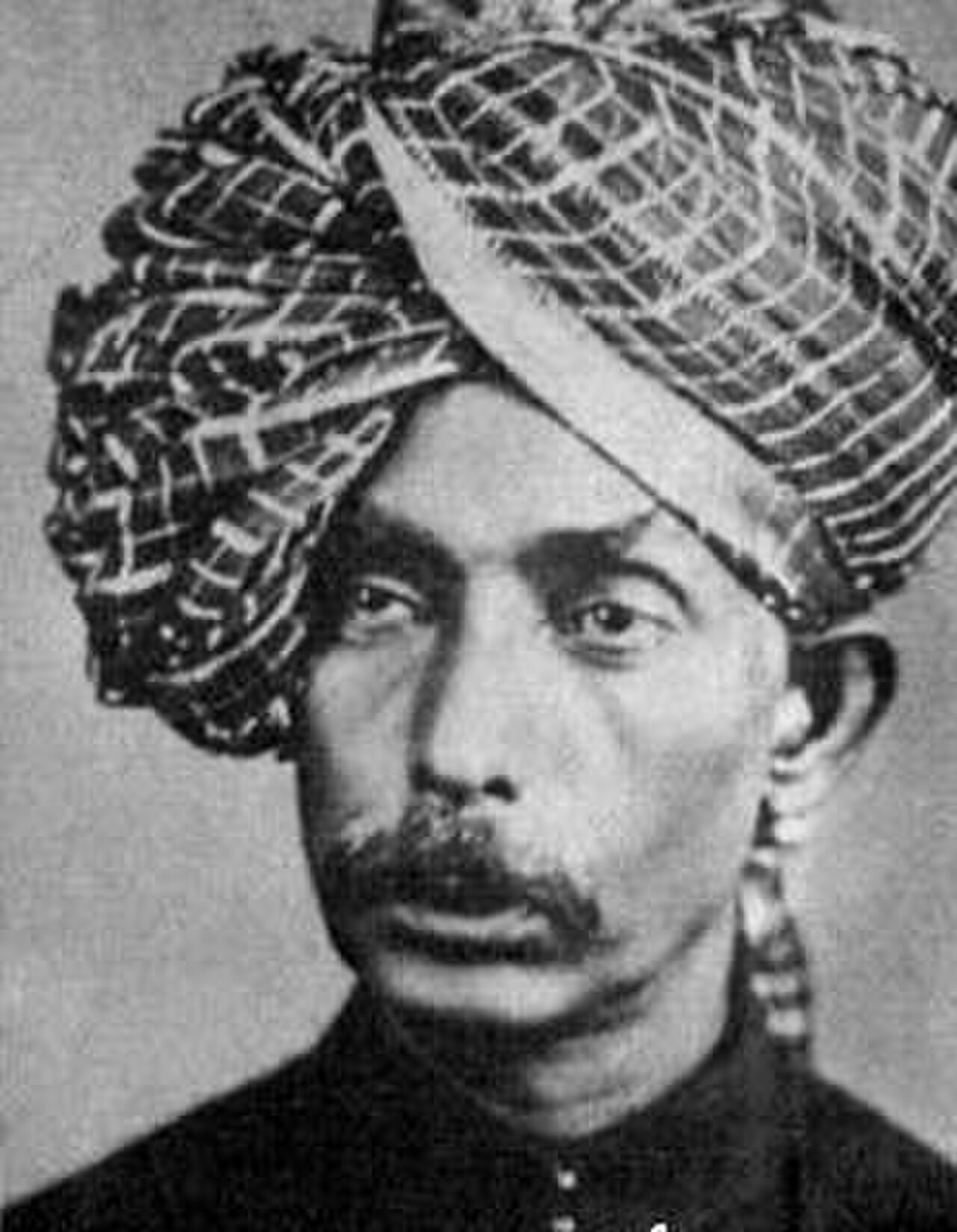
The Recognition of Pattern1907 को महत्वपूर्ण बनाने वाली बात यह थी कि खान की दूसरे वर्ष की रिकॉर्डिंग ने एक पैटर्न को प्रकट किया। यह भाग्य या नवीनता नहीं था। गीत के बाद गीत — उनकी यमन, उनके अन्य राग, विभिन्न मनोदशा और प्रदर्शन संदर्भों के प्रदर्शन — सभी एक ही दार्शनिक सिद्धांतों का पालन करते थे।
अंग्रेज़ी में पढ़ें · Read in English
What made 1907 pivotal was that Khan's second year of recordings revealed a pattern. This was not luck or novelty. Song after song — his Yaman, his other raags, his demonstrations of different mood states and performance contexts — all followed the same philosophical principles. Ornamentation was used sparingly and purposefully. The emotional core was primary. The focus was on the rasa (emotional essence) rather than the technical display.
Younger musicians began to perceive this coherence. His recordings weren't accidents; they were expressions of a thought-out artistic philosophy. And this philosophy had a name now: the Kirana approach. By late 1907, the term "Kirana gharana" was beginning to circulate in musical circles with new resonance. It was no longer merely a regional gharana among others. It was becoming shorthand for a comprehensive alternative to the dominant Gwalior aesthetic.
Even traditionalists had to acknowledge something: Khan's recordings had a consistency and coherence that was intellectually impressive, whatever one thought of his musical choices. A coherent alternative aesthetic was more philosophically interesting than a mere novelty or aberration.
प्रगति में एक परिवर्तन
A Transformation in Progress1907 के अंत तक, यह स्पष्ट हो जाना शुरू हो गया कि खान का प्रभाव नहीं फीका पड़ेगा। उनकी रिकॉर्डिंग पहले ही कुछ युवा गायकों को शास्त्रीय संगीत के करीब आने के तरीके को आकार दिया था। उन्होंने प्रदर्शित किया था कि सजावट-भारी, तकनीकी रूप से विस्तृत ग्वालियर परंपरा के विकल्प थे।
अंग्रेज़ी में पढ़ें · Read in English
By the end of 1907, it was becoming clear that Khan's influence would not fade. His recordings had already shaped how some younger singers approached classical music. They had demonstrated that there were alternatives to the ornament-heavy, technically elaborate Gwalior tradition. They had shown that simplicity, emotional authenticity, and tonal purity could be not limitations but choices — artistic statements rather than technical inadequacies.
1907 was not the moment when the Kirana aesthetic completely displaced the Gwalior tradition — that transformation would take decades. But it was the moment when the alternative became undeniable. By 1907, Abdul Karim Khan's gramophone recordings had moved from being a curiosity to being a genuine challenge to the established order. His second year of recordings confirmed that this was not an anomaly but a persistent, coherent, and deeply thoughtful artistic vision. The gramophone, once again, had become the vehicle for profound artistic change.
परिचय
IdentityEpithet
कैसे 1907 ने शास्त्रीय सौंदर्य पर खान के क्रांतिकारी प्रभाव की पुष्टि की
How 1907 confirmed Khan's revolutionary influence on classical aesthetics
अन्य विवरण
More Details- अब्दुल करीम खान · Abdul Karim Khan
Key Figures
कहानी-नमूना
The Story Specimen| शीर्षक | अब्दुल करीम खान का दूसरा वर्ष: किराना ध्वनि को दृढ़ करना · Abdul Karim Khan's Second Year: Consolidating the Kirana Sound |
|---|---|
| श्रेणी | Artist Biography |
| प्रकार | Historical |
| प्रकाशित | 31 March 2026 — admin |
| वर्ष | 1907 |
और कहानियाँ
More Stories from the Atlas
साझा कीजिए · Share this Plate
यह पन्ना आगे बढ़ाइए
सवाल-जवाब
Questions & Answersयमन राग खान के लिए रणनीतिक पसंद क्यों था? · Why was Raag Yaman a strategic choice for Khan?
यमन सबसे अधिक रिकॉर्ड किए गए रागों में से एक था, जिसे ग्वालियर परंपरा में विस्तृत अलंकरणों के साथ गाया जाता था। उसी राग को अपनी सादगी और भावनात्मक सत्यता से प्रस्तुत करके खान ने एक सीधी तुलनात्मक चुनौती प्रस्तुत की।
Yaman was one of the most recorded raags, typically sung in the Gwalior tradition with elaborate ornamentation. By presenting the same raag through his simplicity and emotional authenticity, Khan issued a direct comparative challenge.
1907 के अंत तक किराना घराने की स्थिति क्या थी? · What was the standing of the Kirana gharana by end of 1907?
1907 तक 'किराना घराना' शब्द संगीत मंडलियों में नई गूँज के साथ चलने लगा था — यह केवल एक क्षेत्रीय घराना नहीं, बल्कि ग्वालियर सौंदर्यशास्त्र का एक सुसंगत विकल्प बन गया था।
By 1907 the term 'Kirana gharana' was circulating in musical circles with new resonance — it was no longer merely a regional gharana but had become shorthand for a coherent alternative to the dominant Gwalior aesthetic.