कहानियाँ विंग · कहानी · Cultural Context · 1907
गंधर्व महाविद्यालय खुलता है: संगीत शिक्षा का लोकतंत्रीकरण
Gandharva Mahavidyalaya Opens: Democratizing Musical Education
विष्णु दिगंबर पलुस्कर का क्रांतिकारी स्कूल गुरु-शिष्य परंपरा को चुनौती देता है
प्रकाशित31 March 2026
आमुख
11 अगस्त 1907 को लाहौर में विष्णु दिगंबर पलुस्कर ने गंधर्व महाविद्यालय की स्थापना की — भारत का पहला संस्थागत संगीत विद्यालय जिसने गुरु-शिष्य परंपरा को चुनौती दी और शास्त्रीय संगीत की शिक्षा को जाति और वंश की बाधाओं से मुक्त किया। यह केवल एक स्कूल नहीं था — यह एक राष्ट्रवादी सांस्कृतिक प्रयोग था।
अंग्रेज़ी में पढ़ें · Read in English
On 11 August 1907, Vishnu Digambar Paluskar established the Gandharva Mahavidyalaya in Lahore — India's first institutional music school that challenged the guru-shishya tradition and freed classical music education from barriers of caste and lineage. This was not merely a school but a nationalist cultural experiment.
गुरु-शिष्य प्रणाली और इसकी सीमाएं
The Guru-Shishya System and Its Limitationsसदियों से, भारतीय शास्त्रीय संगीत गुरु-शिष्य प्रणाली के माध्यम से प्रेषित किया जाता रहा है। एक प्रतिभाशाली छात्र एक गुरु के पास खुद को जोड़ता था, अक्सर गुरु के घर में रहता था, वर्षों तक अध्ययन के लिए समर्पित करता था। संबंध व्यक्तिगत और घनिष्ठ था, ज्ञान मौखिक परंपरा, व्यावहारिक प्रदर्शन और लंबी प्रशिक्षुता के माध्यम से प्रेषित किया जाता था।
अंग्रेज़ी में पढ़ें · Read in English
For centuries, Indian classical music had been transmitted through the guru-shishya (master-student) system. A talented student would attach themselves to a guru, often living in the guru's household, dedicating years to study. The relationship was personal and intimate, with knowledge passed down through oral tradition, practical demonstration, and long apprenticeship. This system produced extraordinary musicians, but it had fundamental limitations: it was exclusive, accessible primarily to those wealthy enough to support an extended apprenticeship or those born into musician families; it was geographically scattered, with no standardized curriculum; and it depended entirely on individual guru-student relationships.
By the early twentieth century, Indian nationalists and reformers were questioning whether this traditional system could adequately prepare the next generation of musicians in a modernizing India. How could Indian classical music traditions be preserved and strengthened? How could musical training reach beyond the privileged elite? These questions motivated a revolutionary experiment in musical pedagogy.
विष्णु दिगंबर पलुस्कर की दृष्टि
Vishnu Digambar Paluskar's Visionविष्णु दिगंबर पलुस्कर एक शास्त्रीय गायक थे जो 1900 के दशक की शुरुआत तक संगीत शिक्षा के लिए एक अलग मॉडल की कल्पना करने लगे थे। एकमात्र गुरु-शिष्य प्रणाली को जारी रखने के बजाय, पलुस्कर ने एक संगीत स्कूल की कल्पना की — एक महाविद्यालय — जो छात्रों के समूहों को शास्त्रीय संगीत व्यवस्थित रूप से सिखाता।
अंग्रेज़ी में पढ़ें · Read in English
Vishnu Digambar Paluskar was a classical vocalist of considerable talent who, by the early 1900s, had begun to conceive of a different model for musical education. Rather than perpetuating the exclusive guru-shishya system, Paluskar imagined a music school — a Mahavidyalaya — that would teach classical music systematically to groups of students. The institution would have a standardized curriculum, trained teachers, and affordable fees. Most radically, it would be open to all Indian students, regardless of caste, religion, or social status.
This vision was revolutionary in multiple ways. It challenged the idea that classical music was the exclusive property of hereditary musician families or court-trained professionals. It implied that Indian classical music could be taught in an institutional setting, using methods analogous to Western music conservatories (which were themselves a new phenomenon in the nineteenth century). It placed music within a nationalist project: preserving and strengthening Indian classical traditions as part of cultural nationalism.
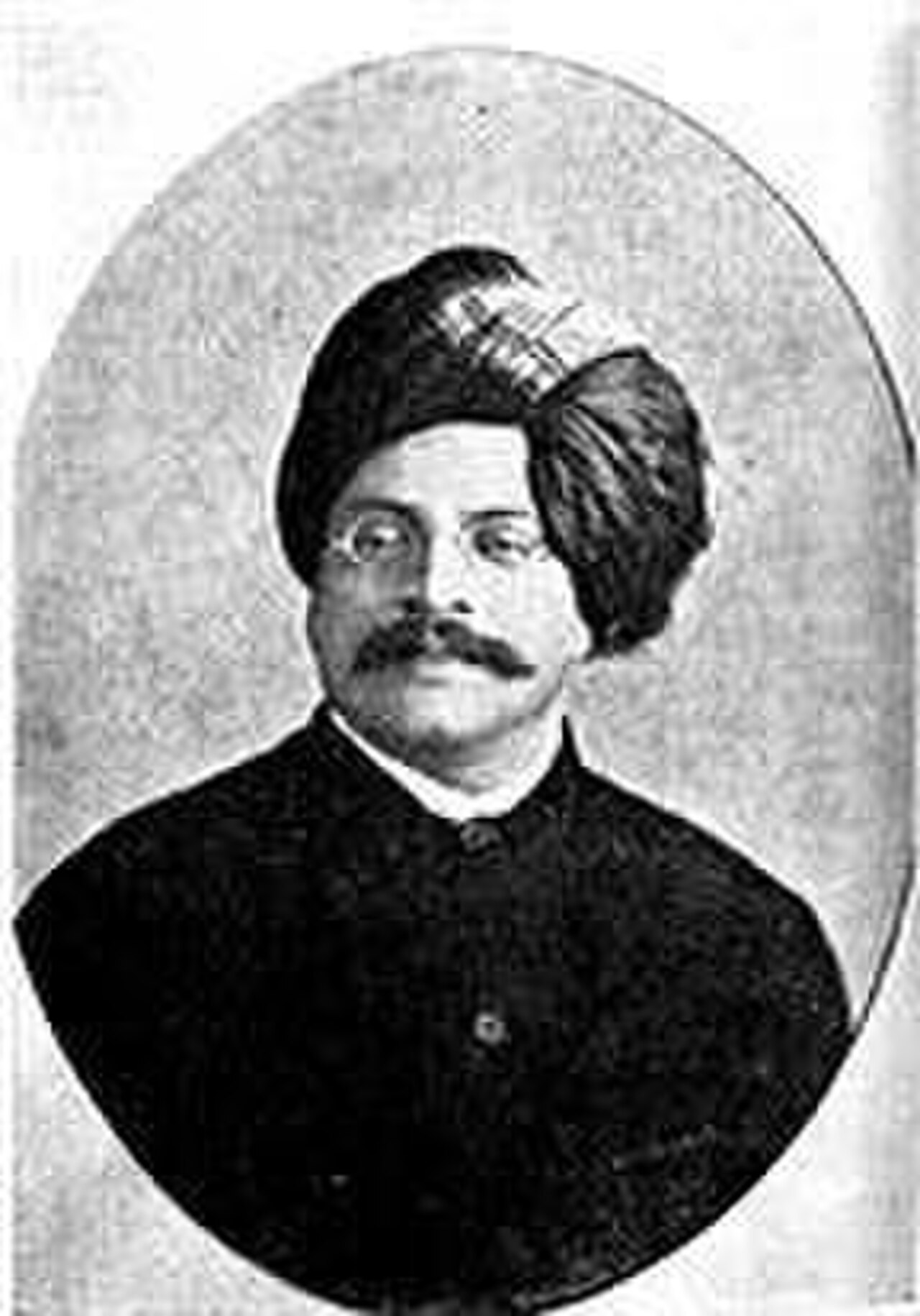
11 अगस्त, 1907: उद्घाटन
August 11, 1907: The Opening11 अगस्त, 1907 को, गंधर्व महाविद्यालय ने लाहौर में अपने दरवाजे खोल दिए। संस्था छोटे पैमाने पर थी लेकिन महत्वाकांक्षा में बड़ी थी। पलुस्कर ने कुशल शास्त्रीय संगीतकारों के एक संकाय को इकट्ठा किया था जो इस नई संस्थागत प्रारूप में सिखाने के लिए तैयार थे।
अंग्रेज़ी में पढ़ें · Read in English
On August 11, 1907, Gandharva Mahavidyalaya opened its doors in Lahore. The institution was modest in scale but grand in ambition. Paluskar had assembled a faculty of accomplished classical musicians willing to teach in this new institutional format. The school offered instruction in khayal, thumri, and instrumental music, following a structured curriculum that balanced technical training with artistic development.
The opening of Gandharva Mahavidyalaya was noted in nationalist circles as a significant cultural event. Here was an Indian institution, run by Indians, asserting Indian claims to modernism and institutional sophistication while rooted in Indian traditions. The school's establishment implied that Indian classical music was not a relic of the past, but a living tradition capable of evolution and adaptation.
शैक्षणिक दस्तावेजों के रूप में रिकॉर्डिंग
Recordings as Educational Documentsपलुस्कर की शैक्षणिक नवीनता ग्रामोफोन माध्यम के साथ दिलचस्प तरीकों से प्रतिच्छेद करती है। 1907 तक, गंधर्व महाविद्यालय के कुछ छात्र रिकॉर्डिंग ग्रामोफोन डिस्क पर अपना रास्ता बना रहे थे। ये रिकॉर्डिंग संगीत समारोह के अर्थ में प्रदर्शन नहीं थीं — ये व्यायाम, गायन तकनीक के प्रदर्शन और शिक्षण उपकरण थे।
अंग्रेज़ी में पढ़ें · Read in English
Paluskar's pedagogical innovation intersected with the gramophone medium in interesting ways. By 1907, some of the Gandharva Mahavidyalaya's student recordings were making their way onto gramophone discs. These recordings were not performances in the concert sense — they were exercises, demonstrations of vocal technique, and teaching tools. A student recording a sargam exercise was creating a reference document that other students could study and emulate.
This use of the gramophone as a pedagogical tool was novel. Rather than merely entertainment, the gramophone could serve as a teaching aid, allowing students to hear model performances, to study tonal production, to internalize the subtle details of classical vocal technique. The gramophone recording preserved a teacher's voice, allowing that voice to continue teaching long after the initial performance.
भविष्य के लिए एक मॉडल
A Model for the Futureगंधर्व महाविद्यालय का 1907 में उद्घाटन एक मॉडल स्थापित करता है जो अंततः भारतीय संगीत शिक्षा को फिर से आकार देगा। जबकि स्कूल को चुनौतियों का सामना करना पड़ा — इसे चल रहे वित्तीय समर्थन की आवश्यकता थी, इसे एक समूह-शिक्षण प्रारूप में मानकों को बनाए रखने की आवश्यकता थी — इसने व्यवस्थित, संस्थागत संगीत शिक्षा की व्यवहार्यता का प्रदर्शन किया।
अंग्रेज़ी में पढ़ें · Read in English
Gandharva Mahavidyalaya's opening in 1907 established a model that would eventually reshape Indian musical education. While the school faced challenges — it required ongoing financial support, it needed to maintain standards in a group-teaching format, it had to balance innovation with respect for classical tradition — it demonstrated the viability of systematic, institutional musical education.
By opening music education to anyone willing to study, Paluskar created pathways for musicians from non-traditional backgrounds. He demonstrated that musical talent could be cultivated rather than merely inherited. Within a few decades, the institutional model would prove more successful than anyone anticipated. Music colleges and universities throughout India would adopt similar curricula and pedagogical approaches.
The establishment of Gandharva Mahavidyalaya in 1907 represents a crucial moment in Indian music history. It was the moment when Indian classical music began its transition from being exclusively a performed tradition transmitted through intimate personal relationships to being also an taught tradition, systematized and made accessible through institutional structures. The gramophone would play a role in this transformation, as recordings could supplement and extend the work of in-person teaching.
परिचय
IdentityEpithet
विष्णु दिगंबर पलुस्कर का क्रांतिकारी स्कूल गुरु-शिष्य परंपरा को चुनौती देता है
Vishnu Digambar Paluskar's revolutionary school challenges the guru-shishya tradition
अन्य विवरण
More Details- विष्णु दिगंबर पलुस्कर · Vishnu Digambar Paluskar
Key Figures
कहानी-नमूना
The Story Specimen| शीर्षक | गंधर्व महाविद्यालय खुलता है: संगीत शिक्षा का लोकतंत्रीकरण · Gandharva Mahavidyalaya Opens: Democratizing Musical Education |
|---|---|
| श्रेणी | Cultural Context |
| प्रकार | Historical |
| प्रकाशित | 31 March 2026 — admin |
| वर्ष | 1907 |
और कहानियाँ
More Stories from the Atlas

साझा कीजिए · Share this Plate
यह पन्ना आगे बढ़ाइए
सवाल-जवाब
Questions & Answersगंधर्व महाविद्यालय और पारंपरिक गुरु-शिष्य प्रणाली में मुख्य अंतर क्या था? · What was the main difference between Gandharva Mahavidyalaya and the traditional guru-shishya system?
गुरु-शिष्य प्रणाली व्यक्तिगत और एकल सम्बन्ध पर आधारित थी, अक्सर वर्षों की आवासीय शिक्षा के साथ। गंधर्व महाविद्यालय ने समूह-शिक्षण, मानकीकृत पाठ्यक्रम, और सभी जाति के छात्रों के लिए खुले दरवाज़े की पेशकश की।
The guru-shishya system was based on a personal, individual relationship, often requiring years of residential training. Gandharva Mahavidyalaya offered group teaching, a standardised curriculum, and open admission to students of all castes.
ग्रामोफोन को पलुस्कर के शैक्षणिक मॉडल में किस प्रकार उपयोग किया गया? · How was the gramophone used in Paluskar's educational model?
छात्रों के सर्गम अभ्यास ग्रामोफोन पर रिकॉर्ड किए गए ताकि दूसरे छात्र उन्हें सुनकर सीख सकें। ग्रामोफोन एक शिक्षण सहायता बन गया — गुरु की आवाज़ को संरक्षित कर उसे अनुपस्थिति में भी पढ़ाने का माध्यम।
Students' sargam exercises were recorded on gramophone so other students could hear and learn from them. The gramophone became a teaching aid — preserving the teacher's voice and allowing it to instruct even in absence.