कहानियाँ विंग · कहानी · Behind The Scenes · 1916
जब रुक्मिणी ने ख़याल गाया
When Rukmini Sang Khayal: Sangeet Swayamvar, 1916
1916 में मराठी मंच पर एक पुरुष ने रुक्मिणी बनकर वे धुनें गाईं जो तीन घरानों की तालीम से निकली थीं — और रागदारी संगीत रातोंरात जनता की जेब में पहुँच गया। 'संगीत स्वयंवर' सिर्फ़ नाटक नहीं था; वह हिंदुस्तानी संगीत के लोकप्रिय होने का घोषणापत्र था।
प्रकाशित19 June 2026 पाठ९ मिनट का पाठ
आमुख
'संगीत स्वयंवर' (1916) की कहानी — कैसे तिलक के सहयोगी नाटककार खाडिलकर ने रुक्मिणी के वरण में आत्मनिर्णय की राजनीति पिरोई, कैसे तीन घरानों के तालीमयाफ़्ता 'देव गंधर्व' भास्करबुवा बखले ने ख़याल-ठुमरी की बंदिशों को मंच-पदों में ढाला, कैसे बाल गंधर्व की रुक्मिणी ने स्त्री-सौंदर्य के मानक गढ़े, और कैसे ग्रामोफ़ोन तवों ने इस मराठी चमत्कार को हिंदी-हिंदुस्तानी संसार की धरोहर बना दिया।
अंग्रेज़ी में पढ़ें · Read in English
The story of Sangeet Swayamvar (1916) — how Khadilkar, Tilak's editor-colleague, braided the politics of self-determination into Rukmini's choosing; how Bhaskarbuwa Bakhale, the 'Dev Gandharva' trained in three gharanas, recast khayal-thumri bandishes as stage pads; how Bal Gandharva's Rukmini set the standards of feminine grace; and how gramophone discs turned this Marathi miracle into the heritage of the Hindi-Hindustani world.
तीन आदमी, एक नायिका
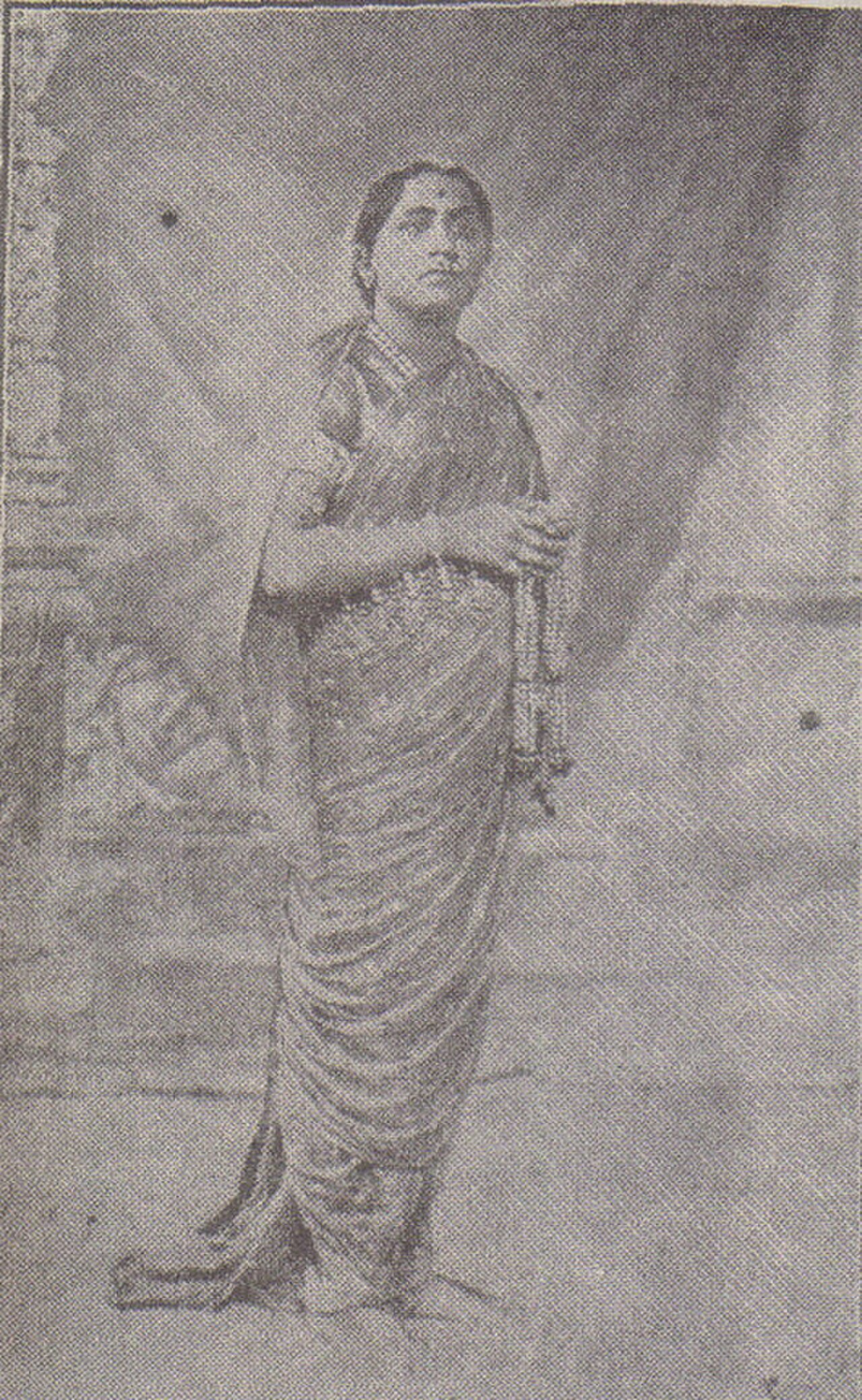
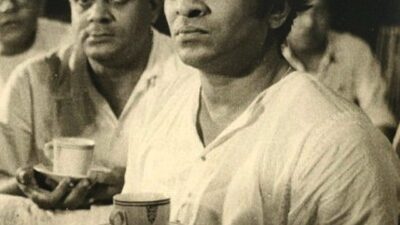
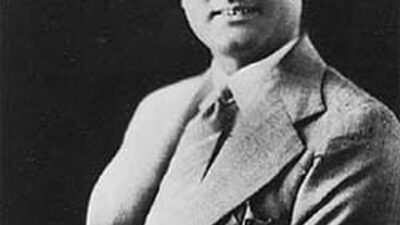
Three Men, One Heroine1916 के 'संगीत स्वयंवर' के पीछे तीन असंभव-से आदमी थे। पहला — कृष्णाजी प्रभाकर खाडिलकर: तिलक का संपादक-सहयोगी, जिसका 'कीचक-वध' (1907) अंग्रेज़ सरकार प्रतिबंधित कर चुकी थी; पुराणकथा उसकी क़लम में राजनीति बोलती थी। दूसरा — भास्करबुवा बखले, रसिकों का 'देव गंधर्व': ग्वालियर के फ़ैज़ मोहम्मद ख़ाँ, आगरा के नत्थन ख़ाँ और जयपुर के अल्लादिया ख़ाँ — तीन घरानों की तालीम एक कंठ में; 1911 से पुणे में भारत गायन समाज चला रहा था। और तीसरा — नारायण राजहंस उर्फ़ बाल गंधर्व, जिसे दस बरस की उम्र में तिलक ने यह नाम दिया था, और जो 1913 से अपनी गंधर्व नाटक मंडळी का मालिक-सितारा था। उस ज़माने के मराठी मंच पर स्त्रियाँ नहीं आती थीं; नायिकाएँ पुरुष निभाते थे, और बाल गंधर्व इस परिपाटी को कला के आकाश पर ले गए थे — उनकी साड़ी बाँधने की अदा की नक़ल शहर की स्त्रियाँ करती थीं। इन्हीं तीन के हाथ में कृष्ण-रुक्मिणी का स्वयंवर आया — और मराठी रंगभूमि का सबसे चमकीला अध्याय शुरू हुआ।
अंग्रेज़ी में पढ़ें · Read in English
Behind Sangeet Swayamvar of 1916 stood three improbable men. First, Krishnaji Prabhakar Khadilkar: Tilak's editor-colleague, whose Keechak-Vadh (1907) the British government had banned — in his pen, mythology spoke politics. Second, Bhaskarbuwa Bakhale, the connoisseurs' 'Dev Gandharva': the training of three gharanas in one throat — Faiz Mohammed Khan of Gwalior, Nathan Khan of Agra, Alladiya Khan of Jaipur — and, since 1911, head of the Bharat Gayan Samaj in Pune. And third, Narayan Rajhans, called Bal Gandharva by Tilak when he was ten, owner-star of his own Gandharva Natak Mandali since 1913. Women did not appear on the mainstream Marathi stage of that age; heroines were played by men, and Bal Gandharva had carried that convention to the sky — women of the cities copied the way he draped a sari. Into these three pairs of hands came the swayamvar of Krishna and Rukmini — and the brightest chapter of the Marathi stage began.
बंदिश का मंच-प्रवेश
The Bandish Walks On Stageबखले का काम जौहरी का था। महफ़िल का ख़याल घंटे भर खुलता है; मंच का पद तीन-चार मिनट में अभिनय समेत पूरा होना चाहिए। उन्होंने हिंदुस्तानी भंडार से ऐसी बंदिश-चौखटें चुनीं जिनमें राग का चेहरा पहली पंक्ति में पहचान आ जाए, और उन्हें खाडिलकर के मराठी पदों के नाप पर तराशा — आलाप छोटा, मुरकी नाज़ुक, लय बोलचाल की। 'नाथ हा माझा' जैसे पद में रुक्मिणी का आत्मनिर्णय — परिवार की बिसात के विरुद्ध अपना नाथ स्वयं चुन लेना — होम रूल के उन बरसों में दर्शकों को वह सब कह जाता था जो अख़बार खुलकर नहीं छाप सकते थे। और बाल गंधर्व का रेशमी ऊपरी सप्तक इन बंदिशों को ऐसे उठाता था जैसे बातचीत उठ रही हो। नतीजा: जिन श्रोताओं ने कभी महफ़िल नहीं देखी थी, वे लौटती ट्राम में यमन और भैरवी के रंग गुनगुना रहे थे — बिना जाने कि वे क्या गुनगुना रहे हैं। रागदारी का यह सबसे मीठा षड्यंत्र था।
अंग्रेज़ी में पढ़ें · Read in English
Bakhale worked like a jeweller. A mehfil khayal unfolds over an hour; a stage pad must complete itself, acting included, in three or four minutes. From the Hindustani stock he chose bandish-frames whose raag declared its face in the first line, and cut them to the measure of Khadilkar's Marathi pads — the alaap brief, the murki delicate, the rhythm conversational. In a pad like 'Naath Ha Maza', Rukmini's self-determination — choosing her own lord against her family's design — told Home Rule-era audiences everything the newspapers could not openly print. And Bal Gandharva's silken upper register lifted these bandishes as if conversation itself were rising. The result: listeners who had never sat through a mehfil hummed the colours of Yaman and Bhairavi on the tram home — without knowing what they hummed. It was raag music's sweetest conspiracy.
तवे पर नाट्यगीत
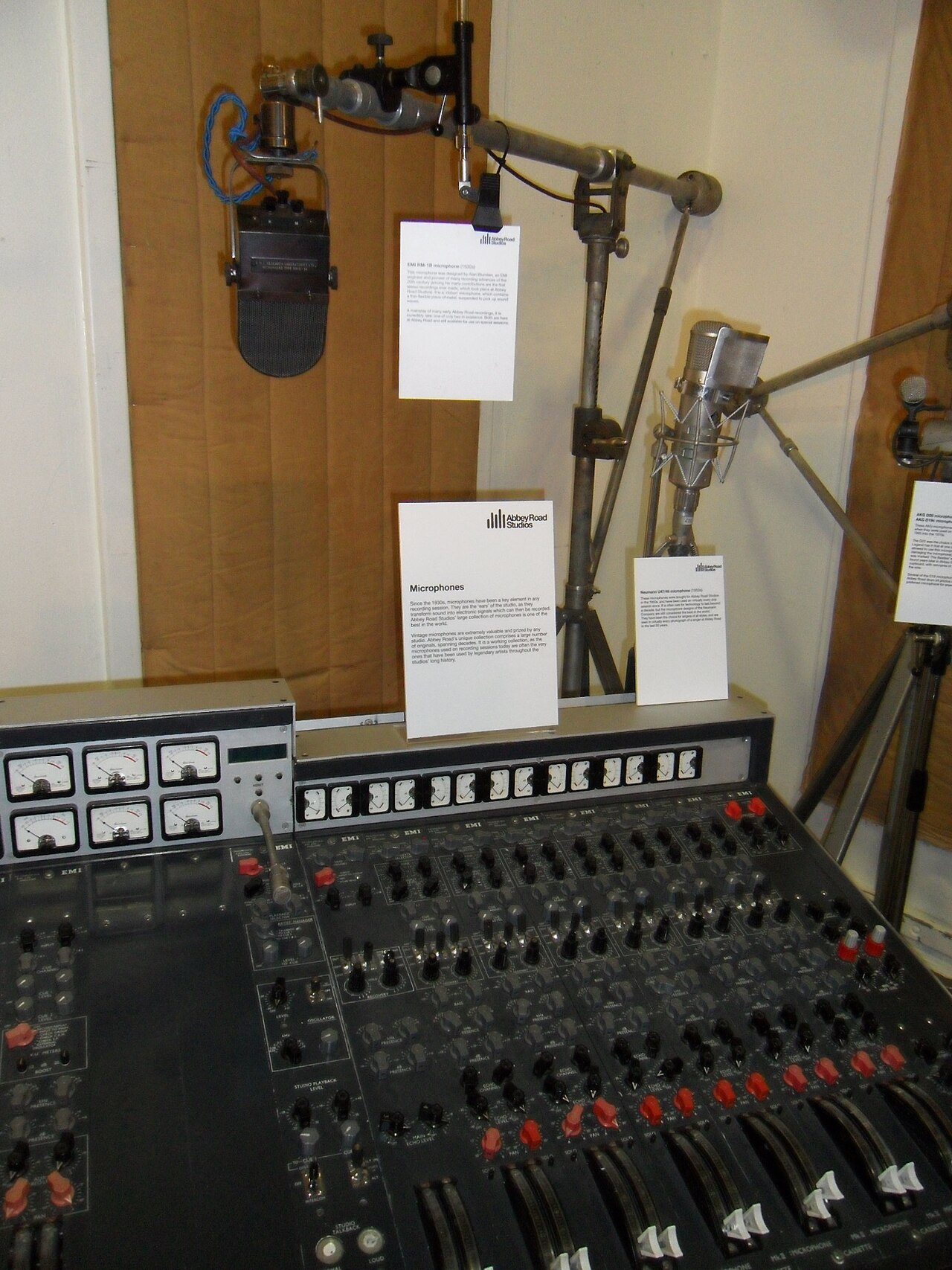
Natya-Geet on Shellac'स्वयंवर' की धूम मंच पर थमती, उससे पहले ग्रामोफ़ोन ने उसे उठा लिया। गंधर्व नाटक मंडळी की प्रस्तुतियाँ अपनी शाहख़र्ची के लिए मशहूर थीं — असली ज़री की साड़ियाँ, हर रात ताज़े फूल, चोटी के साज़िंदे — और इस शाहख़र्ची का ख़र्च हाउसफुल शो के साथ-साथ तवों की कमाई उठाती थी। बाल गंधर्व के 78 आरपीएम तवे महाराष्ट्र की सीमा लाँघकर उन घरों तक पहुँचे जिन्होंने मराठी नाटक कभी देखा नहीं था; हिंदुस्तानी संगीत के रसिकों ने इन मंच-पदों में अपने ही रागों की परछाइयाँ पहचानीं। यह किसी भारतीय मंच-प्रस्तुति के रिकॉर्ड पर समानांतर जीवन जीने की पहली बड़ी मिसालों में था — और उद्योग के लिए एक पाठ: गीत नाटक से बड़ा हो सकता है। पंद्रह बरस बाद बोलती फ़िल्में ठीक यही पाठ भुनाने वाली थीं — गीत पहले, कहानी पीछे।
अंग्रेज़ी में पढ़ें · Read in English
Before Swayamvar's roar could fade in the theatre, the gramophone picked it up. The Gandharva Natak Mandali's productions were proverbially extravagant — real zari saris, fresh flowers every night, the best accompanists — and that extravagance was financed by full houses and disc earnings together. Bal Gandharva's 78s crossed Maharashtra's borders into homes that had never seen a Marathi play; lovers of Hindustani music recognised in these stage pads the shadows of their own raags. It was among the first great instances of an Indian stage production living a parallel life on records — and a lesson for the industry: the song can outgrow the show. Fifteen years later the talkies would monetise exactly this lesson — song first, story after.
विरासत: देव गंधर्व की देन
Legacy: The Dev Gandharva's Giftभास्करबुवा बखले 1922 में, बावन की उम्र में चल बसे — 'स्वयंवर' के छह ही बरस बाद। पर उनका दिया हुआ साँचा अमर हो गया: नाट्यसंगीत ने सिद्ध कर दिया कि शास्त्रीय सामग्री रात-दर-रात व्यावसायिक प्रेक्षागृह भर सकती है, बशर्ते उसे प्रेम से तीन मिनट में तराशा जाए। बाल गंधर्व 1955 तक मंच पर रहे, 1964 में पद्म भूषण पाया, और 1967 में गए — तब तक 'नाथ हा माझा' और 'स्वकुल तारक सुता' मराठी कानों की मातृभाषा बन चुके थे। हिंदी संसार के लिए इस कहानी का अर्थ वंशावली में है: जिस जनता का कान नाट्यगीतों ने रागों पर साधा, वही कान 1931 के बाद हिंदी फ़िल्म-संगीत को विरासत में मिला। के.एल. सहगल से लता मंगेशकर तक — जिनके पिता दीनानाथ मंगेशकर स्वयं इसी नाट्य-परंपरा के गायक-नट थे — हर सुर पर कहीं न कहीं 1916 के उस स्वयंवर की छाप है, जहाँ रुक्मिणी ने पहली बार भरे थिएटर में ख़याल गाया था।
अंग्रेज़ी में पढ़ें · Read in English
Bhaskarbuwa Bakhale died in 1922, aged fifty-two — only six years after Swayamvar. But the template he left became immortal: natya sangeet proved that classical material could fill commercial theatres night after night, provided it was lovingly cut to three minutes. Bal Gandharva performed until 1955, received the Padma Bhushan in 1964, and died in 1967 — by which time 'Naath Ha Maza' and 'Swakul Tarak Suta' had become the mother tongue of Marathi ears. For the Hindi world the story's meaning is genealogical: the public ear that natya-geet trained on raags was the very ear Hindi film music inherited after 1931. From K.L. Saigal to Lata Mangeshkar — whose father Deenanath Mangeshkar was himself a singer-actor of this same stage tradition — every note carries somewhere the stamp of that 1916 Swayamvar, where Rukmini first sang khayal to a packed theatre.
परिचय
IdentityEpithet
1916 में मराठी मंच पर एक पुरुष ने रुक्मिणी बनकर वे धुनें गाईं जो तीन घरानों की तालीम से निकली थीं — और रागदारी संगीत रातोंरात जनता की जेब में पहुँच गया। 'संगीत स्वयंवर' सिर्फ़ नाटक नहीं था; वह हिंदुस्तानी संगीत के लोकप्रिय होने का घोषणापत्र था।
In 1916, on the Marathi stage, a man playing Rukmini sang tunes drawn from the training of three gharanas — and raag music reached the public's pocket overnight. Sangeet Swayamvar was not merely a play; it was the manifesto of Hindustani music going popular.
अन्य विवरण
More Details- जिन श्रोताओं ने कभी महफ़िल नहीं देखी थी, वे लौटती ट्राम में राग गुनगुना रहे थे — बिना जाने कि वे क्या गुनगुना रहे हैं। · Listeners who had never sat through a mehfil hummed raags on the tram home — without knowing what they hummed.
- बाल गंधर्व
- भास्करबुवा बखले
- कृ.प्र. खाडिलकर
- गंधर्व नाटक मंडळी
- Mohan Nadkarni, 'Bal Gandharva: The Nonpareil Thespian' (National Book Trust)
- Histories of Marathi sangeet natak and the Gandharva Natak Mandali
- The Record News — journal of the Society of Indian Record Collectors
- Accounts of Bhaskarbuwa Bakhale and the Bharat Gayan Samaj, Pune
Pull Quotes
Key Figures
References
कहानी-नमूना
The Story Specimen| शीर्षक | जब रुक्मिणी ने ख़याल गाया · When Rukmini Sang Khayal: Sangeet Swayamvar, 1916 |
|---|---|
| श्रेणी | Behind The Scenes |
| प्रकार | विशेष लेख |
| पाठ-समय | ९ मिनट का पाठ |
| प्रकाशित | 19 June 2026 — admin |
| वर्ष | 1916 |
| टैग | bal_gandharva · bhaskarbuwa_bakhale · k_p_khadilkar · sangeet_swayamvar · natya_sangeet · marathi_theatre · 1916 · hindustani_crossover |
और कहानियाँ
More Stories from the Atlas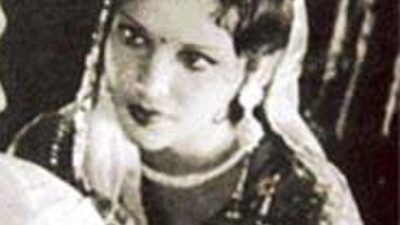
साझा कीजिए · Share this Plate