कलाकार विंग · कलाकार-पट्टिका · Artist Plate
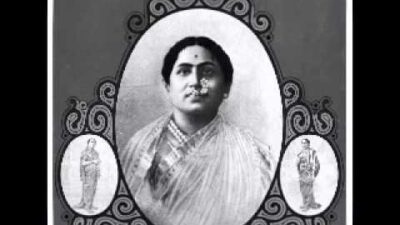
कृष्णाजी प्रभाकर खाडिलकर
Krishnaji Prabhakar Khadilkar
जन्म25 November 1872 — साँगली, बंबई प्रेसीडेंसी, ब्रिटिश भारत
निधन26 August 1948 — Pune, Bombay Province, India
जीवन-पट्टी
The Life Specimen| नाम | कृष्णाजी प्रभाकर खाडिलकर · Krishnaji Prabhakar Khadilkar |
|---|---|
| जन्म | 25 November 1872 — साँगली, बंबई प्रेसीडेंसी, ब्रिटिश भारत · Sangli, Bombay Presidency, British India |
| निधन | 26 August 1948 — Pune, Bombay Province, India |
| भूमिकाएँ | गीतकार · Playwright |
| सक्रिय वर्ष | 1890s–1940s |
| युग | gramophone-era |
| राष्ट्रीयता | Indian |
| विधाएँ | Natya Sangeet · Theatre |
| भाषाएँ | Marathi |
हस्ताक्षर-पंक्ति · The Signature
हस्ताक्षर-पंक्ति
कृष्णाजी प्रभाकर खाडिलकर
In EnglishTilak's editor by day, the Marathi stage's master dramatist by night — the man whose mythological heroines spoke Home Rule between the lines.
पट्टिका-लेख
The Monographजीवनी Biography
कृष्णाजी प्रभाकर खाडिलकर (25 नवंबर 1872 – 26 अगस्त 1948) मराठी रंगभूमि के युग-निर्माता नाटककार और अग्रणी राष्ट्रवादी पत्रकार थे — वह दुर्लभ क़लम जो दिन में संपादकीय लिखती थी और रात में अमर नाट्य-पद। साँगली में जन्मे खाडिलकर लोकमान्य तिलक के निकट सहयोगी रहे और 'केसरी' के संपादन से जुड़े; आगे चलकर 1923 में उन्होंने 'नवाकाळ' की स्थापना की, जो मराठी पत्रकारिता का प्रमुख स्वर बना। रंगमंच पर उनकी क़लम तलवार थी। 'कीचक-वध' (1907) में भीम के हाथों कीचक का वध दर्शकों ने कर्ज़न-युग के दमन के रूपक की तरह पढ़ा — ब्रिटिश सरकार ने नाटक पर प्रतिबंध लगा दिया, और यह प्रतिबंध ही उसकी कीर्ति बन गया। संगीत नाटक में उन्होंने 'संगीत मानापमान' (1911) और 'संगीत स्वयंवर' (1916) जैसे शिखर रचे — स्वयंवर की रुक्मिणी, जो अपना वर स्वयं चुनती है, होम रूल के बरसों में आत्मनिर्णय की ध्वनि थी। बाल गंधर्व के अभिनय-गायन और भास्करबुवा बखले के संगीत के साथ उनके पद घर-घर पहुँचे। 26 अगस्त 1948 को पुणे में उनका निधन हुआ। मराठी रंगभूमि उन्हें 'काकासाहेब' कहकर याद करती है — वह नाटककार जिसने पुराणकथा को राजनीति की और संगीत को विचार की भाषा बना दिया।
अंग्रेज़ी में पढ़ें · Read in English
Krishnaji Prabhakar Khadilkar (25 November 1872 – 26 August 1948) was the era-defining dramatist of the Marathi stage and a frontline nationalist journalist — that rare pen which wrote editorials by day and immortal stage-pads by night. Born in Sangli, Khadilkar was a close associate of Lokmanya Tilak and worked on the editing of Kesari; in 1923 he founded Navakal, which became a leading voice of Marathi journalism.
On the stage his pen was a sword. In Keechak-Vadh (1907), audiences read Bhima's slaying of Keechak as an allegory of Curzon-era repression — the British government banned the play, and the ban became its fame. In sangeet natak he built summits like Sangeet Manapman (1911) and Sangeet Swayamvar (1916) — Swayamvar's Rukmini, choosing her own groom, sounded like self-determination in the Home Rule years. Carried by Bal Gandharva's acting and singing and Bhaskarbuwa Bakhale's music, his pads reached every household.
He died in Pune on 26 August 1948. The Marathi stage remembers him as 'Kakasaheb' — the dramatist who made mythology speak politics and music carry thought.
प्रारंभिक जीवन Early Life
1872 में साँगली में जन्मे और पुणे में शिक्षित खाडिलकर तिलक-आंदोलन के भीतर बड़े हुए — पत्रकारिता और रंगमंच उनके लिए एक ही मुहिम के दो मोर्चे थे। उनके आरंभिक नाटकों ने ही ऐसा नाटककार घोषित कर दिया जो पुराणों को जीवित राजनीतिक शब्दावली की तरह बरतता था।
अंग्रेज़ी में पढ़ें · Read in English
Born in Sangli in 1872 and educated in Pune, Khadilkar came of age inside the Tilak movement — journalism and theatre were for him two fronts of the same campaign. His early plays announced a dramatist who treated the Puranas as a living political vocabulary.
करियर Career
खाडिलकर का दोहरा सफ़र आधी सदी चला: तिलक के 'केसरी' का संपादन-कार्य, 'नवाकाळ' (1923) की स्थापना, और मील-के-पत्थर नाटकों की क़तार — 'कीचक-वध' (1907, प्रतिबंधित), 'संगीत मानापमान' (1911), 'संगीत स्वयंवर' (1916), 'संगीत द्रौपदी' (1920)। बाल गंधर्व की मंडळी और भास्करबुवा बखले जैसे संगीतकारों के साथ उनके संगीत नाटकों ने इस विधा का स्वर्ण युग रचा; इन नाटकों के गीत ग्रामोफ़ोन तवों पर स्वतंत्र जीवन जीते रहे।
अंग्रेज़ी में पढ़ें · Read in English
Khadilkar's double career ran for half a century: editorial work with Tilak's Kesari, the founding of Navakal (1923), and a procession of landmark plays — Keechak-Vadh (1907, banned), Sangeet Manapman (1911), Sangeet Swayamvar (1916), Sangeet Draupadi (1920). His sangeet natak collaborations with Bal Gandharva's company and composers like Bhaskarbuwa Bakhale defined the form's golden age; the songs from these plays lived independent lives on gramophone discs.
विरासत Legacy
खाडिलकर ने राजनीतिक पुराण-नाट्य का साँचा गढ़ा — सेंसर की नाक के नीचे वह कह देने की कला, जो छापा नहीं जा सकता था। उनके 'स्वयंवर' और 'मानापमान' सौ बरस बाद भी मंच पर हैं, उनके पद आज भी गाए जाते हैं। संगीत-इतिहास के लिए वे नाट्यसंगीत के शिखर के गीत-स्रोत हैं: बाल गंधर्व जो गाते थे, वह प्रायः खाडिलकर का ही लिखा होता था।
अंग्रेज़ी में पढ़ें · Read in English
Khadilkar fixed the template of the political mythological — the art of saying under the censor's nose what could not be printed. His Swayamvar and Manapman remain in repertory more than a century on, their pads still sung. For music history he matters as the lyric-source of natya sangeet's peak: the words Bal Gandharva sang were, more often than not, Khadilkar's.
गायन-शैली Musical Style
गायक नहीं, गाए जा सकने वाले विचार के शिल्पी: उनके पद नाटकीय तर्क को टेक भर की मराठी में कस देते हैं — राग में बँधने के लिए बने हुए। शब्दावली ऊँची, पर वाक्य-रचना मंच-स्पष्ट — यही कारण है कि उनकी पंक्तियाँ प्रेक्षागृह और तीन मिनट के तवे, दोनों पर जीवित रहीं।
अंग्रेज़ी में पढ़ें · Read in English
Not a singer but a maker of singable thought: his pads compress dramatic argument into refrain-sized Marathi, built for raag-setting. The diction is high but the syntax is stage-clear — reason his lines survived both in the auditorium and on three-minute discs.
तालीम, विधाएँ और भाषाएँ
Training · Genres · Languagesतालीम · Training
लोकमान्य तिलक की छाया में पत्रकारिता ('केसरी') (1890s–1910s)
राष्ट्रवादी संपादकीय लेखन; पुणे के नाट्य-जगत में स्व-अर्जित नाट्यशिल्प
His twin crafts — the editorial and the play — grew together.
विधाएँ · Genres
भाषाएँ · Languages Sung
जीवन-रेखा
Career Highlights-
1907
'कीचक-वध' का मंचन; उपनिवेश-विरोधी रूपक माना गया और ब्रिटिश सरकार ने प्रतिबंधित किया
Keechak-Vadh staged; read as anti-colonial allegory and banned by the British government
- 1911 'संगीत मानापमान' का प्रथम मंचन — नाट्यसंगीत रेपर्टरी का स्तंभ Sangeet Manapman premieres — a pillar of the natya sangeet repertoire
- 1916 बाल गंधर्व और भास्करबुवा बखले के साथ 'संगीत स्वयंवर' का प्रथम मंचन Sangeet Swayamvar premieres with Bal Gandharva and Bhaskarbuwa Bakhale
- 1920 'संगीत द्रौपदी' का प्रथम मंचन Sangeet Draupadi premieres
- 1923 'नवाकाळ' समाचारपत्र की स्थापना Founds the newspaper Navakal
- 1948 26 अगस्त को पुणे में निधन Dies in Pune on 26 August
रोचक तथ्य
Margin Notes'कीचक-वध' पर ब्रिटिश प्रतिबंध औपनिवेशिक भारत में रंगमंच-सेंसरशिप के सबसे चर्चित प्रसंगों में है।
अंग्रेज़ी में पढ़ें · Read in English
The British ban on Keechak-Vadh is among the most discussed episodes of theatre censorship in colonial India.
उनके नाटकों के पद ग्रामोफ़ोन तवों पर इतने बिके कि नाटककार के शब्द — बिना मंच के — महाराष्ट्र के घर-घर पहुँचे।
अंग्रेज़ी में पढ़ें · Read in English
Pads from his plays sold so widely on gramophone discs that the playwright's words reached Maharashtrian homes without the stage.
अन्य विवरण
More Details- Birth Year
- 1872
- Death Year
- 1948
- Active Years
- 1890s–1940s
- Bal Gandharva — the defining performer of his heroines
- Bhaskarbuwa Bakhale — composer of Swayamvar and Draupadi
- Lokmanya Tilak — political mentor; Kesari editorial work
- Gandharva Natak Mandali — house of his sangeet natak peaks
Early Life
1872 में साँगली में जन्मे और पुणे में शिक्षित खाडिलकर तिलक-आंदोलन के भीतर बड़े हुए — पत्रकारिता और रंगमंच उनके लिए एक ही मुहिम के दो मोर्चे थे। उनके आरंभिक नाटकों ने ही ऐसा नाटककार घोषित कर दिया जो पुराणों को जीवित राजनीतिक शब्दावली की तरह बरतता था।
Born in Sangli in 1872 and educated in Pune, Khadilkar came of age inside the Tilak movement — journalism and theatre were for him two fronts of the same campaign. His early plays announced a dramatist who treated the Puranas as a living political vocabulary.
Career
खाडिलकर का दोहरा सफ़र आधी सदी चला: तिलक के 'केसरी' का संपादन-कार्य, 'नवाकाळ' (1923) की स्थापना, और मील-के-पत्थर नाटकों की क़तार — 'कीचक-वध' (1907, प्रतिबंधित), 'संगीत मानापमान' (1911), 'संगीत स्वयंवर' (1916), 'संगीत द्रौपदी' (1920)। बाल गंधर्व की मंडळी और भास्करबुवा बखले जैसे संगीतकारों के साथ उनके संगीत नाटकों ने इस विधा का स्वर्ण युग रचा; इन नाटकों के गीत ग्रामोफ़ोन तवों पर स्वतंत्र जीवन जीते रहे।
Khadilkar's double career ran for half a century: editorial work with Tilak's Kesari, the founding of Navakal (1923), and a procession of landmark plays — Keechak-Vadh (1907, banned), Sangeet Manapman (1911), Sangeet Swayamvar (1916), Sangeet Draupadi (1920). His sangeet natak collaborations with Bal Gandharva's company and composers like Bhaskarbuwa Bakhale defined the form's golden age; the songs from these plays lived independent lives on gramophone discs.
Legacy
खाडिलकर ने राजनीतिक पुराण-नाट्य का साँचा गढ़ा — सेंसर की नाक के नीचे वह कह देने की कला, जो छापा नहीं जा सकता था। उनके 'स्वयंवर' और 'मानापमान' सौ बरस बाद भी मंच पर हैं, उनके पद आज भी गाए जाते हैं। संगीत-इतिहास के लिए वे नाट्यसंगीत के शिखर के गीत-स्रोत हैं: बाल गंधर्व जो गाते थे, वह प्रायः खाडिलकर का ही लिखा होता था।
Khadilkar fixed the template of the political mythological — the art of saying under the censor's nose what could not be printed. His Swayamvar and Manapman remain in repertory more than a century on, their pads still sung. For music history he matters as the lyric-source of natya sangeet's peak: the words Bal Gandharva sang were, more often than not, Khadilkar's.
Musical Style
गायक नहीं, गाए जा सकने वाले विचार के शिल्पी: उनके पद नाटकीय तर्क को टेक भर की मराठी में कस देते हैं — राग में बँधने के लिए बने हुए। शब्दावली ऊँची, पर वाक्य-रचना मंच-स्पष्ट — यही कारण है कि उनकी पंक्तियाँ प्रेक्षागृह और तीन मिनट के तवे, दोनों पर जीवित रहीं।
Not a singer but a maker of singable thought: his pads compress dramatic argument into refrain-sized Marathi, built for raag-setting. The diction is high but the syntax is stage-clear — reason his lines survived both in the auditorium and on three-minute discs.
Collaborations
अभिलेख-सार
Discography Summary| संग्रह में गीत | 3 — नीचे जुड़े हुए पन्नों में सूचीबद्ध |
|---|---|
| कुल ज्ञात रिकॉर्डिंग | 3 — 3 संग्रह में उपलब्ध |
| रिकॉर्डिंग-काल | 1916–1920 · पहला सत्र 1916 |
| फ़िल्में व डिस्क | Gramophone Company Recording — Pad From The Play 'Swayamvar' (1916) |
| प्रमुख भूमिका | गीतकार |
| नित्य सहयोगी | Bal Gandharva · Bhaskarbuwa Bakhale · Bhaskarbuwa Bakhale (Music Of Swayamvar) |
| हस्ताक्षर-गीत | Naath Ha Maza (Sangeet Swayamvar) · Swakul Tarak Suta (Sangeet Swayamvar) · Naath Ha Maza — Natya-Pad from 'Swayamvar' |
| स्रोत | derived from the HindiGeet song archive |
अभिलेख व संदर्भ
Archives & References| संदर्भ | Histories of Marathi sangeet natak and the Gandharva Natak Mandali · Accounts of the Keechak-Vadh ban (1907–1910) in colonial theatre censorship studies |
|---|---|
| प्रसिद्ध सहयोग |
अंग्रेज़ी में पढ़ें · Read in English
|
जुड़े हुए पन्ने
Connected Plates · The Graph Made Visibleअटलस में कोई पन्ना अकेला नहीं — कृष्णाजी प्रभाकर खाडिलकर से उनके गीत, फ़िल्में, घराना, समकालीन और युग, सब यहाँ से खुलते हैं।
हस्ताक्षर-गीत · Signature Songs
सहयोगी और समकालीन · Collaborators & Contemporaries
युग · The Era
साझा कीजिए · Share this Plate
यह पन्ना आगे बढ़ाइए
सवाल-जवाब
Questions & Answersके.पी. खाडिलकर का संगीत से क्या संबंध है?
वे नाट्यसंगीत के स्वर्ण युग के प्रमुख गीत-स्रोत हैं: 'संगीत मानापमान', 'संगीत स्वयंवर' और 'संगीत द्रौपदी' के पद उन्हीं की क़लम से निकले, जिन्हें भास्करबुवा बखले ने स्वरबद्ध किया और बाल गंधर्व ने अमर किया।
Why was Keechak-Vadh banned?
Staged in 1907, the play's slaying of the tyrant Keechak was read as an allegory of British repression in the Curzon era; the colonial government banned it — which only magnified its fame.