कहानियाँ विंग · कहानी · Industry · 1907
लेबल युद्ध: भारतीय रिकॉर्डिंग कलाकारों के लिए प्रतिद्वंद्विता तीव्र होती है
Label Wars: Competition Intensifies for Indian Recording Artists
कैसे प्रतिद्वंद्वी यूरोपीय लेबलों ने भारतीय प्रतिभा के लिए लड़ाई की और संगीत उद्योग परिदृश्य को बदल दिया
प्रकाशित31 March 2026
आमुख
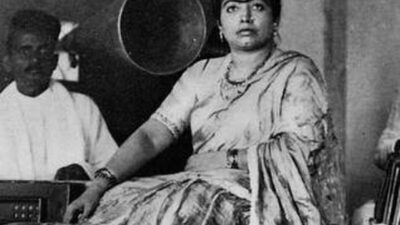
1907 तक भारतीय ग्रामोफोन बाजार एक बहु-लेबल युद्धक्षेत्र बन गया था जहाँ एचएमवी, ओडिओन, पाथे और बेका एक-दूसरे से बड़े कलाकारों को छीनने की होड़ में थे। इस प्रतिस्पर्धा ने कलाकारों को अभूतपूर्व सौदेबाज़ी शक्ति दी और भारतीय संगीत की विविधता को रिकॉर्ड करने में सहायता की।
अंग्रेज़ी में पढ़ें · Read in English
By 1907, the Indian gramophone market had become a multi-label battleground where HMV, Odeon, Pathé, and Beka competed to poach one another's biggest artists. This competition gave artists unprecedented bargaining power and helped document India's musical diversity.
प्रतिद्वंद्विता तीव्र होती है
The Competition Heats Up1907 तक, भारतीय ग्रामोफोन बाजार एक वास्तविक प्रतिद्वंद्वी युद्धभूमि बन गया था। ओडिओन रिकॉर्ड्स के 1906 में सफल प्रवेश ने साबित कर दिया था कि एचएमवी को चुनौती दी जा सकती है। अन्य यूरोपीय-आधारित लेबलों ने अवसर को महसूस किया और भारतीय संचालन स्थापित करना शुरू कर दिया।
अंग्रेज़ी में पढ़ें · Read in English
By 1907, the Indian gramophone market had become a genuine competitive battleground. Odeon Records' successful entry in 1906 had proven that HMV could be challenged. Other European-based labels sensed opportunity and began establishing Indian operations. Beka Records announced Indian recording sessions. Pathé Records made plans for expansion into the Indian market. Even smaller labels sought to establish footholds in what was becoming an increasingly lucrative market.
The competition fundamentally altered power dynamics in the industry. HMV, which had previously set prices unilaterally, now faced pressure from labels willing to offer higher fees to attract established artists. An artist like Gauhar Jaan, who had been recording exclusively for HMV in her early career, could now play labels against each other, negotiating for better rates, more favorable terms, or greater creative autonomy. The recording industry, which had been dominated by a single company controlled entirely by foreign capital, was becoming genuinely competitive.
दांव: कलाकार पहुंच और बाजार हिस्सेदारी
The Stakes: Artist Access and Market Shareजो प्रतिद्वंद्विता को तीव्र करता था वह यह था कि बाजार मूलतः कलाकारों के लिए पहुंच के बारे में था। ग्रामोफोन डिस्क स्वयं वस्तुएं थीं, लेकिन मूल्य सबसे प्रसिद्ध गायकों के लिए अनन्य या प्राथमिकता पहुंच रखने से आया।
अंग्रेज़ी में पढ़ें · Read in English
What made the competition intense was that the market was fundamentally about access to artists. Gramophone discs themselves were commodities, but the value came from having exclusive or priority access to the most famous vocalists. If Odeon could secure Gauhar Jaan as an exclusive artist, or if Pathé could record Abdul Karim Khan, these artists would drive sales and establish brand loyalty.
The competition created a genuine sellers' market for established artists. Recording fees rose significantly. Artists could negotiate non-exclusive contracts with multiple labels, allowing them to record for different companies simultaneously. Some singers developed sophisticated multi-label strategies, recording for HMV certain songs or genres while recording different material for Odeon. This gave artists unprecedented leverage. A vocalist of Gauhar Jaan's caliber could essentially name her terms.
तकनीकी प्रतिद्वंद्विता और गुणवत्ता
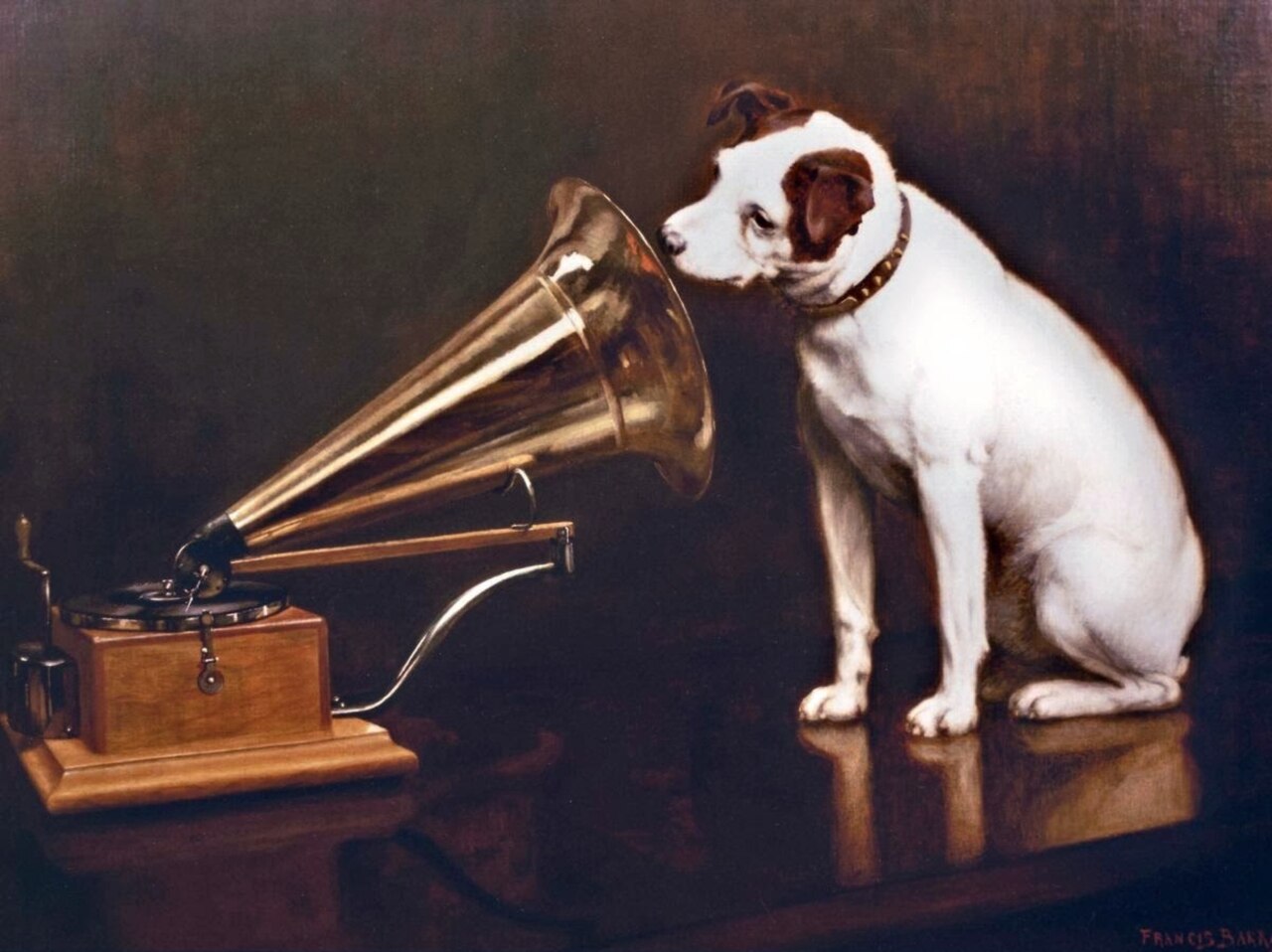
Technological Competition and Qualityलेबल युद्ध केवल कलाकार पहुंच के बारे में नहीं थे — वे रिकॉर्डिंग गुणवत्ता के संदर्भ में भी खेले जाते थे। सभी लेबल मोटे तौर पर समान ध्वनिक रिकॉर्डिंग प्रौद्योगिकी का उपयोग करते थे, लेकिन इंजीनियरिंग, उपकरण रखरखाव और स्टूडियो एकोस्टिक्स में सूक्ष्म अंतर ध्यान से अलग परिणाम पैदा कर सकते थे।
अंग्रेज़ी में पढ़ें · Read in English
The label wars weren't just about artist access — they also played out in terms of recording quality. All labels used broadly similar acoustic recording technology, but subtle differences in engineering, equipment maintenance, and studio acoustics could produce noticeably different results. Some labels became known for cleaner recordings, others for emphasizing certain frequency ranges that made vocal recordings sound particularly rich.
By 1907, labels were beginning to differentiate themselves partly through claimed technical superiority. HMV marketed itself as having the best engineers and the most sophisticated recording equipment. Odeon claimed to have innovations in record pressing that reduced surface noise. Pathé advertised recording clarity. For musicians, these technical claims mattered because they directly affected how their artistry would be heard and preserved. A singer's particular tonal qualities, their vibrato technique, their control of dynamics — all of these would be captured differently depending on the recording technology employed.
प्रतिद्वंद्विता के माध्यम से लोकतंत्रीकरण
Democratization Through Competitionविरोधाभास यह है कि 1907 के लेबल युद्धों का एक लोकतांत्रिक प्रभाव था। कई प्रतिद्वंद्वी लेबलों का अर्थ था कि कलाकारों के पास वास्तविक विकल्प थे। उभरते और नए कलाकार बाजार के नेता के अलावा अन्य कंपनियों के साथ रिकॉर्डिंग के अवसर पा सकते थे।
अंग्रेज़ी में पढ़ें · Read in English
Paradoxically, the label wars of 1907 had a democratizing effect. Multiple competing labels meant that artists had genuine options. New and emerging artists could find recording opportunities with companies other than the market leader. Regional artists could shop their work to labels establishing new recording centers. Female singers, already advantaged by the early gramophone industry's preference for their vocals, had even more leverage as labels competed for them.
The competition also expanded the types of music that got recorded. As labels sought to differentiate their catalogs, they became willing to record more diverse genres, more varied artists, more experimental material. What HMV might have rejected as too risky, Odeon might accept to distinguish itself in the market. This competitive dynamic drove musical diversity in the recording catalog.
By 1907, the gramophone industry had transformed from being a monopoly controlled by a single foreign company into a genuinely competitive market. For Indian musicians, this transformation meant real benefits: higher fees, more autonomy, greater respect for their artistry. For the broader goal of documenting Indian music, the competition meant that a wider range of traditions, styles, and artists could find pathways into the recording catalog. The label wars were, in this sense, culturally productive — they enabled a more comprehensive documentation of Indian musical diversity.

परिचय
IdentityEpithet
कैसे प्रतिद्वंद्वी यूरोपीय लेबलों ने भारतीय प्रतिभा के लिए लड़ाई की और संगीत उद्योग परिदृश्य को बदल दिया
How competing European labels fought for Indian talent and transformed the music industry landscape
अन्य विवरण
More Details- गौहर जान · Gauhar Jaan
Key Figures
कहानी-नमूना
The Story Specimen| शीर्षक | लेबल युद्ध: भारतीय रिकॉर्डिंग कलाकारों के लिए प्रतिद्वंद्विता तीव्र होती है · Label Wars: Competition Intensifies for Indian Recording Artists |
|---|---|
| श्रेणी | Industry |
| प्रकार | Historical |
| प्रकाशित | 31 March 2026 — admin |
| वर्ष | 1907 |
और कहानियाँ
More Stories from the Atlas

साझा कीजिए · Share this Plate
यह पन्ना आगे बढ़ाइए
सवाल-जवाब
Questions & Answersलेबल प्रतिस्पर्धा ने भारतीय कलाकारों को कैसे प्रभावित किया? · How did label competition affect Indian artists?
रिकॉर्डिंग शुल्क बढ़े, कलाकार बेहतर अनुबंध शर्तें माँग सकते थे, और नए एवं क्षेत्रीय कलाकारों को भी रिकॉर्डिंग के अवसर मिलने लगे। कलाकार अब लेबलों पर निर्भर नहीं थे — लेबल कलाकारों पर निर्भर थे।
Recording fees rose, artists could demand better contract terms, and new and regional artists gained recording opportunities. Artists were no longer dependent on labels — labels were dependent on artists.
1907 की लेबल प्रतिस्पर्धा ने किस प्रकार भारतीय संगीत की विविधता को बढ़ावा दिया? · How did the 1907 label competition promote the diversity of Indian music?
प्रतिस्पर्धा में अलग दिखने के लिए लेबलों ने अधिक विविध शैलियाँ और क्षेत्रीय कलाकार रिकॉर्ड किए। जो एचएमवी अस्वीकार कर देता, वह ओडिओन रिकॉर्ड कर लेता। इससे रिकॉर्ड कैटलॉग में अधिक विविधता आई।
To differentiate themselves, labels recorded more diverse genres and regional artists. What HMV might reject, Odeon would accept. This competitive dynamic drove musical diversity in the recording catalogue.