कहानियाँ विंग · कहानी · Music History · 1944
लखनऊ का वह लड़का जिसने बंबई बदल दी: नौशाद और 'रत्तन' की तासीर
The Lucknow Boy Who Changed Bombay: Naushad and the Making of Rattan
लखनऊ का वह लड़का जिसने बंबई बदल दी: नौशाद और 'रत्तन' की तासीर
प्रकाशित18 June 2026
आमुख
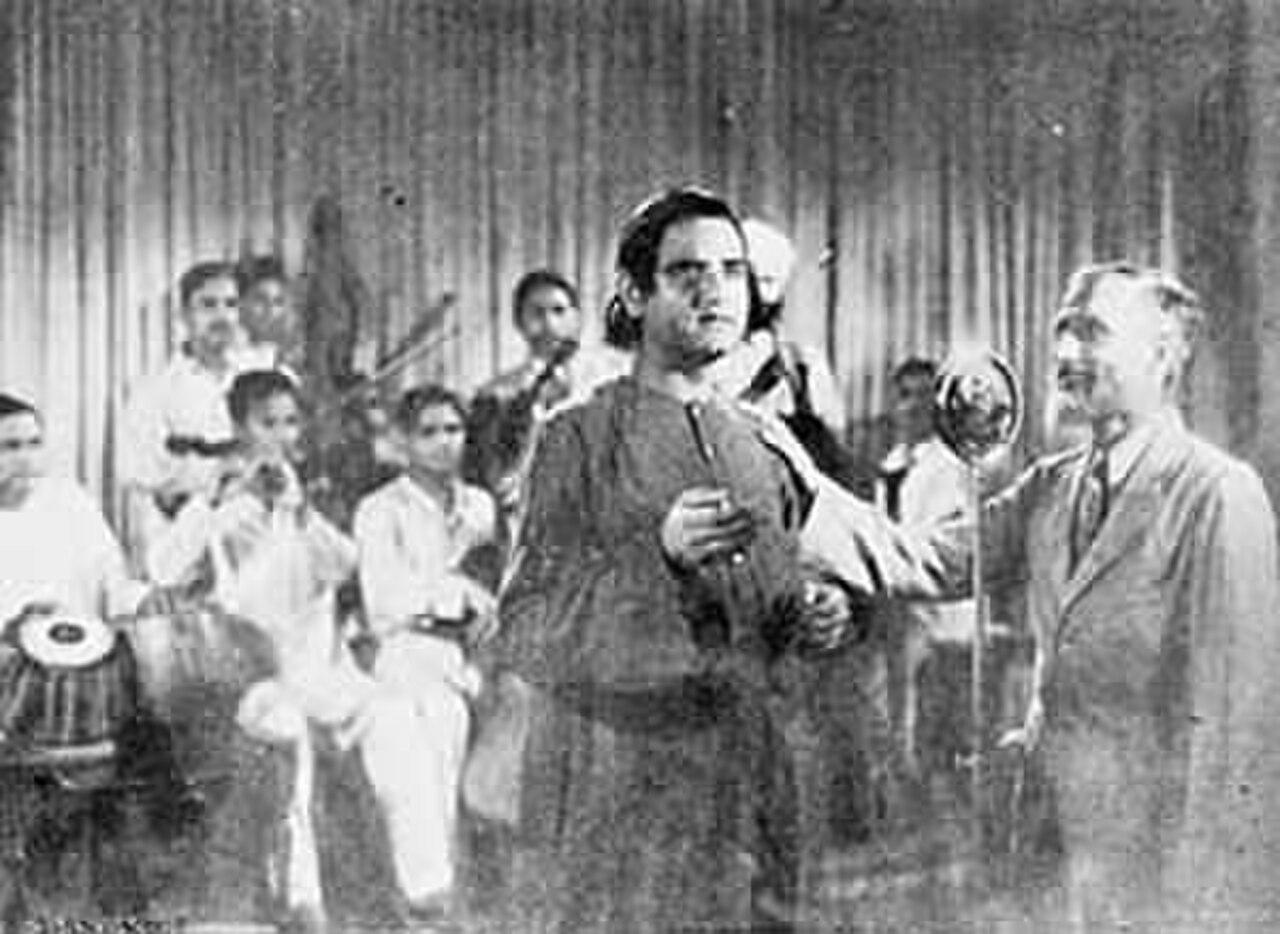
1944 में लखनऊ के एक युवा संगीतकार नौशाद ने बंबई की एक मध्यम-बजट की फ़िल्म 'रत्तन' के लिए संगीत रचा — और हिंदी फ़िल्मी संगीत फिर कभी वैसा नहीं रहा। नौशाद अली लखनऊ के क़ैसरबाग़ इलाक़े में पले-बढ़े थे — वही गलियाँ जहाँ एक सदी पहले नवाब वाजिद अली शाह ने अपनी ठुमरी-बैठकें रखी थीं और जहाँ तवायफ़ परंपरा का अर्ध-शास्त्रीय संगी
अंग्रेज़ी में पढ़ें · Read in English
In 1944, a young music director from Lucknow named Naushad composed the score for a medium-budget Bombay film called Rattan, and Hindi film music was never quite the same again. Naushad Ali had grown up in Lucknow's Qaiserbagh neighbourhood — the same streets where, a century earlier, Nawab Wajid Ali Shah had held his
लखनऊ का वह लड़का जिसने बंबई बदल दी: नौशाद और 'रत्तन' की तासीर
The Lucknow Boy Who Changed Bombay: Naushad and the Making of Rattan1944 में लखनऊ के एक युवा संगीतकार नौशाद ने बंबई की एक मध्यम-बजट की फ़िल्म 'रत्तन' के लिए संगीत रचा — और हिंदी फ़िल्मी संगीत फिर कभी वैसा नहीं रहा। नौशाद अली लखनऊ के क़ैसरबाग़ इलाक़े में पले-बढ़े थे — वही गलियाँ जहाँ एक सदी पहले नवाब वाजिद अली शाह ने अपनी ठुमरी-बैठकें रखी थीं और जहाँ तवायफ़ परंपरा का अर्ध-शास्त्रीय संगीत उपमहाद्वीप की सबसे परिष्कृत लोकप्रिय संगीत-संस्कृति में विकसित हुआ था। बचपन में नौशाद ने दोनों को आत्मसात किया था: घराना-परंपरा का शास्त्रीय प्रशिक्षण जो अभी भी शहर के संगीत-मंडलों में गूँजता था, और वे लोकगीत जो आसपास के देहात से आते थे — पूर्वांचल के विरह-गीत, पंजाबी ढुन की ताल, और सावन-फागुन के अवधी ऋतु-गीत। जब वे 1930 के दशक के उत्तरार्ध में बंबई पहुँचे, हिंदी फ़िल्मी संगीत दो स्कूलों में बँटा था। कलकत्ता के न्यू थिएटर्स ने सहगल और कानन देवी की आवाज़ों पर एक परिष्कृत, शास्त्रीय-स्थापित मुहावरा बनाया था, जिसमें पंकज मलिक जैसे संगीतकार बंगाल की रवींद्र-संगीत परंपरा से सींचते थे। बंबई के स्टूडियो कुछ अधिक ढीला और व्यावसायिक रूप से आक्रामक उत्पाद बना रहे थे, पर अपनी कोई स्पष्ट सौंदर्य-पहचान के बिना। 'रत्तन' ने नौशाद को एक प्रस्तावित करने का मौका दिया। उन्होंने ढोलक और सारंगी को प्राथमिक वाद्य के रूप में लाया — लोक-रंग की तरह नहीं बल्कि उस ढाँचे के रूप में जिसके इर्द-गिर्द धुन बनी। उन्होंने 'अँखियाँ मिलाके' को एक खमाज-निकट स्वर-आधार पर रखा जो एक साथ राग-रचना और गाँव की शादी का लोकगीत दोनों लगे। उन्होंने ज़ोहराबाई अम्बालेवाली को — जिनकी आवाज़ बाज़ार की आदी हल्की आवाज़ों से थोड़ी खुरदुरी कंट्राल्टो थी — अपनी प्रमुख स्त्री-गायिका नियुक्त किया, और उनकी आवाज़ ने रिकॉर्डिंग को एक भौगोलिक विशिष्टता दी: यह गंगा के मैदान का संगीत लगता था, न किसी रिकॉर्डिंग स्टूडियो का। नतीजा एक व्यावसायिक घटना था। 'रत्तन' के 78-आरपीएम रिकॉर्ड उन संख्याओं में बिके जो बंबई के फ़िल्मी संगीत ने शायद ही देखी थीं, और 'अँखियाँ मिलाके' ऑल इंडिया रेडियो पर बार-बार बजा। इससे भी महत्वपूर्ण बात यह थी कि फ़िल्म ने एक ढाँचा स्थापित किया — शास्त्रीय नींव, लोक-सतह, बड़ा लाइव ऑर्केस्ट्रा — जो 1950 के दशक तक बंबई की फ़िल्म-ध्वनि को परिभाषित करने वाला था।
अंग्रेज़ी में पढ़ें · Read in English
In 1944, a young music director from Lucknow named Naushad composed the score for a medium-budget Bombay film called Rattan, and Hindi film music was never quite the same again.
Naushad Ali had grown up in Lucknow's Qaiserbagh neighbourhood — the same streets where, a century earlier, Nawab Wajid Ali Shah had held his thumri baithaks and where the courtesan tradition of light classical music had developed into the most refined popular music culture of the subcontinent. As a boy, Naushad had absorbed both: the classical training of the gharana tradition that still echoed through the city's music circles, and the folk songs that drifted in from the surrounding countryside — the Purvanchal viraha geets (songs of separation sung by women whose husbands had migrated to distant cities), the Punjabi dhun rhythms that came with traders and travellers, the Awadhi seasonal songs of sawan (monsoon) and phagan (spring).
When he arrived in Bombay in the late 1930s, Hindi film music was divided between two schools. Calcutta's New Theatres had built a refined, classically-anchored idiom around the voices of Saigal and Kanan Devi, with composers like Pankaj Mullick drawing on Bengal's Rabindra-sangeet tradition. Bombay's studios were producing something looser and more commercially aggressive, but without a clear aesthetic identity of their own.
Rattan gave Naushad the chance to propose one. He brought in dholak and sarangi as primary instruments — not as folk colour applied to an otherwise Western or Calcuttan orchestration, but as the structural core around which the melody was built. He set 'Ankhiyan Milake Naina Se Naina' on a Khamaj-adjacent tonal base that made it feel simultaneously like a raag composition and a folk song at a village wedding. He assigned Zohrabai Ambalewali — a singer with a slightly husky, earthier contralto than the lighter voices the market had been trained on — as his principal female vocalist, and her voice gave the recording a geographical specificity: this sounded like the music of the Gangetic plains, not of a recording studio.
The result was a commercial phenomenon. Rattan's 78-rpm records sold in numbers that Bombay film music had rarely seen, and 'Ankhiyan Milake' was played on All India Radio repeatedly through the year. More significantly, the film established a template — classical foundation, folk surface, large live orchestra — that would define the Bombay film sound through the 1950s. Every composer who subsequently claimed to be 'bringing folk music to Hindi cinema' was working within the framework Naushad laid out in Rattan.
For Naushad himself, the film was the beginning of a thirty-year run of musically ambitious scores — Anmol Ghadi (1946), Andaz (1949), Baiju Bawra (1952), Uran Khatola (1955), Mother India (1957), Mughal-e-Azam (1960) — that would eventually earn him the epithet 'Sur Sameerat' (Emperor of Melody) and the Dadasaheb Phalke Award. But it began here, in 1944, with a medium-budget film about a romance, and a dholak pattern that Naushad spent hours getting exactly right.
परिचय
IdentityEpithet
लखनऊ का वह लड़का जिसने बंबई बदल दी: नौशाद और 'रत्तन' की तासीर
The Lucknow Boy Who Changed Bombay: Naushad and the Making of Rattan
कहानी-नमूना
The Story Specimen| शीर्षक | लखनऊ का वह लड़का जिसने बंबई बदल दी: नौशाद और 'रत्तन' की तासीर · The Lucknow Boy Who Changed Bombay: Naushad and the Making of Rattan |
|---|---|
| श्रेणी | Music History |
| प्रकार | विशेष लेख |
| प्रकाशित | 18 June 2026 — admin |
| वर्ष | 1944 |
| टैग | naushad · rattan-1944 · folk-synthesis · north-indian-music · bombay-film-music |
इस कहानी में
In This Story · The Cast & Its Platesकहानी में आए नामों के अटलस में अपने पन्ने हैं — यहीं से यात्रा जारी रखिए।
कलाकार-सूत्र · Artists
फ़िल्में-सूत्र · Films
और कहानियाँ
More Stories from the Atlas

साझा कीजिए · Share this Plate