कहानियाँ विंग · कहानी · इतिहास
अनंत के लिए तीन रुपये: कैसे ग्रामोफ़ोन रिकॉर्ड्स ने बदला कि कौन संगीत सुन सकता है
Three Rupees for Eternity: How Gramophone Records Changed Who Could Hear Music
रिकॉर्ड्स के माध्यम से संगीत का लोकतांत्रीकरण। ग्रामोफ़ोन से पहले: संगीत दरबारों, कोठों, धनी संरक्षकों तक सीमित था। बाद में: 3 रुपये वाला कोई भी गौहर जान को सुन सकता था।
प्रकाशित31 March 2026 पाठ७ मिनट का पाठ
आमुख
पुरानी द्वारपाल
The Old Gatekeepersग्रामोफ़ोन से पहले, संगीत एक विलास की वस्तु थी जो केवल धनी और शक्तिशाली लोगों के लिए उपलब्ध थी। यदि आप महान संगीत सुनना चाहते थे, तो आपके पास सीमित विकल्प थे। आप एक शाही दरबार में इसके संगीत सत्र में उपस्थित हो सकते थे — लेकिन इसके लिए संपर्क, आमंत्रण, कुलीन स्थिति की आवश्यकता थी। आप कोठा का दौरा कर सकते थे और एक तवायफ़ के लिए एक निजी प्रदर्शन भुगतान कर सकते थे — लेकिन यह सैकड़ों रुपये की लागत आई, साधारण लोगों की पहुँच से बहुत परे। आप अपने शहर में एक सार्वजनिक महफ़िल में उपस्थित हो सकते थे, यदि एक आयोजित किया जा रहा था — लेकिन प्रदर्शन दुर्लभ थे और अक्सर कम गुणवत्ता के थे। या आप एक गाँव के संगीतकार को नियुक्त कर सकते थे — लेकिन प्रदर्शन सीमित था, प्रशिक्षण अक्सर खराब था। संगीत आश्चर्यजनक रूप से संरक्षण प्रणाली से जुड़ा था। एक संगीतकार का अस्तित्व अमीर संरक्षकों पर निर्भर था — रईस, व्यापारी, मंदिर, मस्जिद। ये संरक्षक फ़ैसला लेते थे कि कौन सा संगीत सुना जाएगा, कौन प्रदर्शन करेगा, कितनी बार। संरक्षण प्रणाली असाधारण संगीत तैयार करती थी — लेकिन यह केवल एक छोटे कुलीन वर्ग के लिए उपलब्ध संगीत था।
अंग्रेज़ी में पढ़ें · Read in English
Before the gramophone, music was a luxury commodity available only to the wealthy and the powerful. If you wished to hear great music, you had limited options. You could attend a royal court during its music sessions — but this required connections, an invitation, noble status. You could visit the kotha and hire a tawaif for a private performance — but this cost hundreds of rupees, far beyond the reach of ordinary people. You could attend a public mehfil (gathering) in your city, if one was being held — but performances were rare and often of mediocre quality. Or you could hire a village musician to perform — but the repertoire was limited, the training often poor.
Music was intimately connected to the patronage system. A musician's survival depended on wealthy patrons — nobles, merchants, temples, mosques. These patrons decided which music would be heard, who would perform, how often. The patronage system had produced extraordinary music — but it was music available only to a tiny elite.
तीन रुपये सब कुछ बदल देता है
Three Rupees Changes Everythingअप्रैल 1903 में, कलकत्ता में एक दुकानदार एक संगीत दुकान में जा सकता था और 3 रुपये के लिए — मोटे तौर पर एक शिक्षित, मध्यम वर्गीय कार्यकर्ता के एक दिन के वेतन के बराबर — गौहर जान की एक रिकॉर्डिंग खरीद सकता था। भविष्य के प्रदर्शन का वादा नहीं। किसी भी महफ़िल के लिए आमंत्रण नहीं। लेकिन भारत की सबसे बड़ी गायक की वास्तविक आवाज़, एक काली डिस्क पर एक खाँच में कैद, असीम बार चलाई जा सकने वाली। यह अभूतपूर्व था। 3 रुपये की लागत ने ग्रामोफ़ोन रिकॉर्ड को शहरी मध्यम वर्ग की पहुँच के भीतर रखा — दुकानदार, व्यापारी, शिक्षित पेशेवर, कार्यालय कर्मचारी। अमीर नहीं, गरीब नहीं, लेकिन विवेकाधीन आय वाले लोग। और यह मध्यम वर्ग, ब्रिटिश औपनिवेशिकवाद और शहरी वाणिज्य द्वारा नए सिरे से बनाया गया, संस्कृति के लिए भूखा था। वे हज़ारों में रिकॉर्ड खरीदते थे। महीनों के भीतर, ग्रामोफ़ोन कंपनियाँ माँग के साथ तालमेल नहीं रख सकीं। प्रभाव लहरों में बाहर फैल गया। एक बार शहरी मध्यम वर्ग रिकॉर्ड खरीद सकता था, माँग छोटे कस्बों में फैल गई। दुकानदार लखनऊ, बनारस, लाहौर, बंबई, मद्रास जैसे शहरों में ग्रामोफ़ोन मशीनें और रिकॉर्ड रखने लगे। 1905 तक, कई शहरों में ग्रामोफ़ोन दुकानें थीं। तकनीक जो एक कुलीन जिज्ञासा के रूप में शुरू हुई थी, एक बड़े पैमाने पर वस्तु बन रही थी।
अंग्रेज़ी में पढ़ें · Read in English
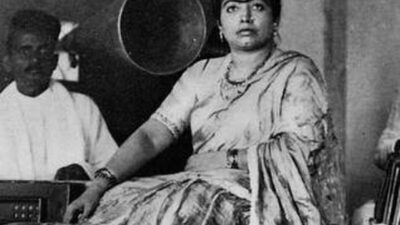
In April 1903, a shopkeeper in Calcutta could walk into a music store and, for 3 rupees — roughly equivalent to one day's wages for an educated, middle-class worker — purchase a recording of Gauhar Jaan. Not a promise of a future performance. Not an invitation to a mehfil. But the actual voice of India's greatest singer, captured in a groove on a black disc, playable an unlimited number of times.
This was unprecedented. The cost of 3 rupees placed gramophone records within reach of the urban middle class — shopkeepers, merchants, educated professionals, office workers. Not wealthy, not poor, but people with disposable income. And this middle class, newly created by British colonialism and urban mercantilism, were hungry for culture. They purchased records by the thousands. Within months, gramophone companies could not keep up with demand.
The impact rippled outward. Once the urban middle class could afford to buy records, demand spread to smaller towns. Merchants in secondary cities began stocking gramophone machines and records. By 1905, there were gramophone stores in cities like Lucknow, Banaras, Lahore, Bombay, Madras. The technology that had begun as an elite curiosity was becoming a mass commodity.
दुर्लभता का अंत
The End of Scarcityग्रामोफ़ोन से पहले, संगीत दुर्लभता द्वारा परिभाषित किया गया था। एक महान गायक बहुमूल्य था, वास्तव में, क्योंकि वह दुर्लभ थी। गौहर जान एक प्रदर्शन के लिए 1,000 रुपये माँग सकती थी क्योंकि केवल एक गौहर जान थी, और वह केवल एक समय में एक बार प्रदर्शन कर सकती थी, सीमित दर्शकों के लिए। दुर्लभता ने मूल्य बनाया। ग्रामोफ़ोन ने इस दुर्लभता को नष्ट कर दिया। अब, लाखों लोग एक ही गौहर जान रिकॉर्डिंग सुन सकते थे। रिकॉर्ड 'असली चीज़' नहीं था — यह गायक की भौतिक उपस्थिति की कमी थी, एक लाइव महफ़िल की अंतरंगता। लेकिन यह गौहर जान को कभी न सुनने से असीम रूप से बेहतर था। और यह सभी के लिए उपलब्ध था। संगीत की अर्थव्यवस्था दुर्लभता से प्रचुरता की ओर बदल गई। एक रिकॉर्डिंग को एक बार तैयार किया जा सकता था और अनंत तक वितरित किया जा सकता था। इस बदलाव के गहरे निहितार्थ थे। जैसा कि रिकॉर्डिंग सस्ती और अधिक सुलभ हो गईं, उन्होंने संगीत का लोकतांत्रिकरण किया। एक किसान का परिवार एक गाँव में अब एक शहर में एक अमीर व्यापारी के घर के समान संगीत सुन सकता था। बंबई में एक घरेलू कार्यकर्ता एक पारसी व्यापारी के समान गौहर जान रिकॉर्ड खरीद सकता था। संगीत का सामाजिक स्तरीकरण — जहाँ कुछ लोग अपने वर्ग और संपर्क के आधार पर कुछ संगीत सुनते थे — विघटित होने लगा।
अंग्रेज़ी में पढ़ें · Read in English
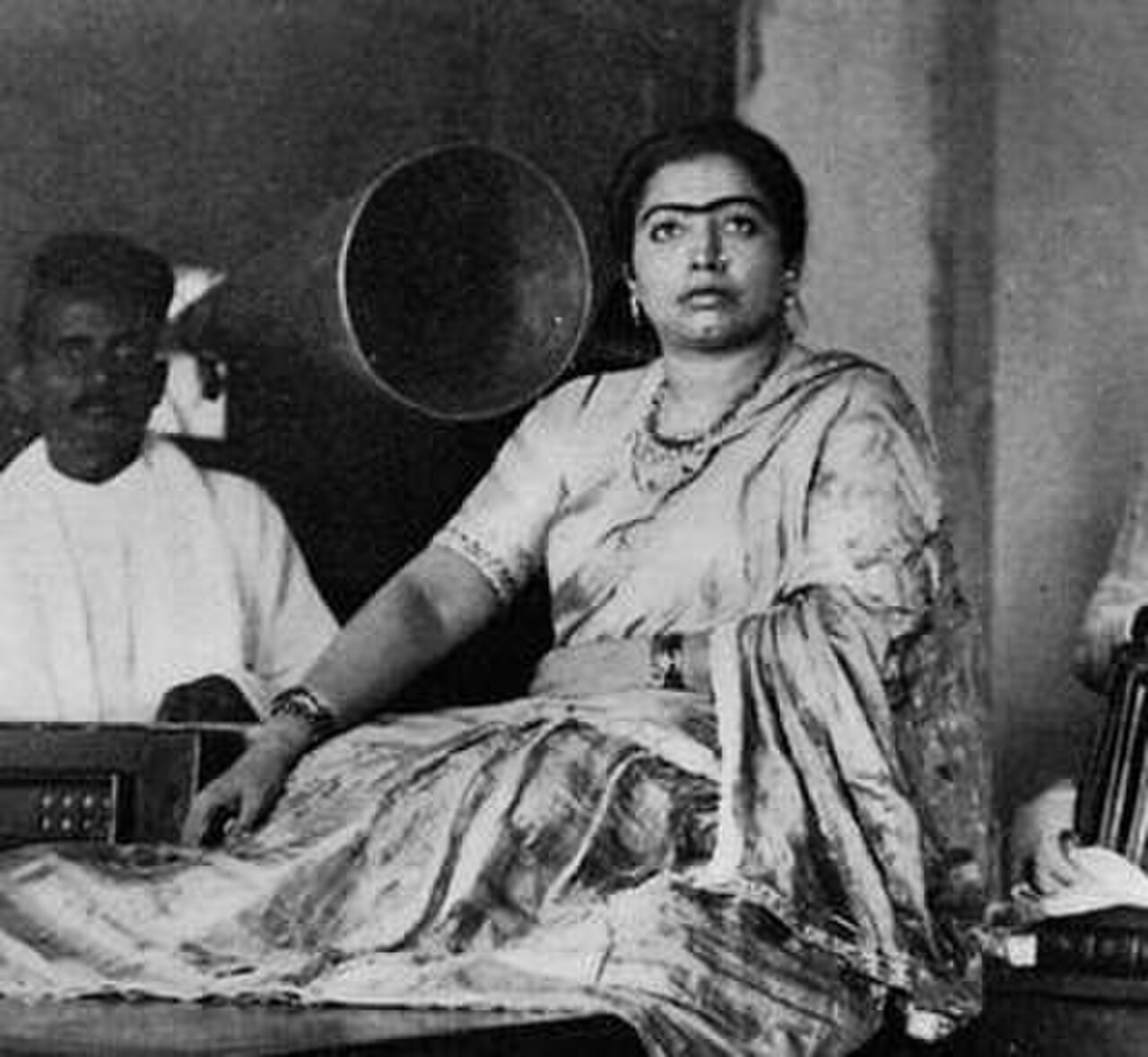
Before the gramophone, music was defined by scarcity. A great singer was valuable precisely because she was rare. Gauhar Jaan could command Rs. 1,000 per performance because there was only one Gauhar Jaan, and she could perform only once at a time, to a limited audience. Scarcity created value.
The gramophone destroyed this scarcity. Now, millions of people could listen to the same Gauhar Jaan recording. The recording was not 'the real thing' — it lacked the physical presence of the performer, the intimacy of a live mehfil. But it was incomparably better than never hearing Gauhar Jaan at all. And it was available to anyone. The economy of music shifted from scarcity to abundance. A recording could be produced once and distributed infinitely.
This shift had profound implications. As recordings became cheaper and more accessible, they democratized music. A farmer's family in a village could now hear the same music as a wealthy merchant's household in the city. A housemaid in Bombay could buy the same Gauhar Jaan record as a Parsi businessman. The social stratification of music — where certain people heard certain music based on their class and connections — began to break down.
अप्रत्याशित परिणाम
The Unintended Consequenceलेकिन ग्रामोफ़ोन के माध्यम से संगीत का लोकतांत्रिकरण एक अप्रत्याशित लागत रखता था। जैसा कि संगीत एक वस्तु बन गया — कुछ खरीदे और बेचे जाने वाली — संरक्षण प्रणाली का पतन होने लगा। संगीतकारों को अब संगीत सुनने के लिए संरक्षकों की आवश्यकता नहीं थी; वे रिकॉर्ड बिक्रय से सीधे पैसे बना सकते थे। लेकिन यह संक्रमण निर्बाध नहीं था। कई पारंपरिक संगीतकार, विशेषकर जो कोठा प्रणाली पर आधारित थे, अचानक विस्थापित पाए गए। तवायफ़ का घर संरक्षण प्रणाली पर निर्मित था, धनी ग्राहकों के साथ संबंधों पर, महफ़िल के उपहार अर्थव्यवस्था पर। ग्रामोफ़ोन रिकॉर्ड ने इन सभी को व्यावसायिक लेनदेन के साथ बदल दिया। महिला संगीतकारों जैसे गौहर जान के लिए, यह रूपांतरण अंततः सशक्त था — वह अमीर और स्वतंत्र हो गई, किसी संरक्षक का जवाब देने के बिना। लेकिन कोठा प्रणाली के लिए, यह विनाशकारी था। 20 साल के भीतर, कोठा — संस्था जिसने सदियों तक भारतीय शास्त्रीय संगीत को संरक्षित किया था — पतन में था। 1920 के दशक तक, पुरानी घरानें खंडित हो रहीं। कुछ संगीतकारों ने ग्रामोफ़ोन युग के अनुकूल किया और अमीर रिकॉर्डिंग कलाकार बन गए। अन्यों ने खुद को ऐसी अर्थव्यवस्था में संघर्ष करता पाया जो अब अपने कौशल को महत्व नहीं देता था। ग्रामोफ़ोन ने महलों और कोठों के दरवाज़ों से संगीत मुक्त कर दिया था। लेकिन ऐसा करने में, यह परंपरागत रूप से संगीतकारों का समर्थन करने वाली संस्थागत संरचनाओं को भी तोड़ दिया था। संगीत को लोकतांत्रिक पहुँच परंपरागत संरक्षण के पतन की कीमत पर आई। यह अंततः एक लाभ था या एक नुकसान, यह आज तक विवादास्पद है।
अंग्रेज़ी में पढ़ें · Read in English
But the democratization of music through the gramophone had an unexpected cost. As music became a commodity — something to be bought and sold — the patronage system began to collapse. Musicians no longer needed wealthy patrons to hear their music; they could make money directly from record sales. But this transition was not seamless. Many traditional musicians, especially those based in the kotha system, found themselves suddenly displaced. The tawaif's household was built on the patronage system, on relationships with wealthy clients, on the gift economy of the mehfil. The gramophone record replaced all of this with commercial transactions.
For female musicians like Gauhar Jaan, this transformation was ultimately empowering — she became wealthy and independent, answering to no patron. But for the kotha system itself, it was devastating. Within 20 years of the gramophone's arrival, the kotha — the institution that had preserved Indian classical music through centuries — was in decline. By the 1920s, the old gharanas were fragmenting. Some musicians adapted to the gramophone era and became wealthy recording artists. Others found themselves struggling in an economy that no longer valued their skills.
The gramophone had freed music from the gates of palaces and kothas. But in doing so, it had also broken the institutional structures that had traditionally supported musicians and music. The democratic access to music came at the cost of the collapse of traditional patronage. Whether this was ultimately a gain or a loss remains contested to this day.
परिचय
IdentityEpithet
रिकॉर्ड्स के माध्यम से संगीत का लोकतांत्रीकरण। ग्रामोफ़ोन से पहले: संगीत दरबारों, कोठों, धनी संरक्षकों तक सीमित था। बाद में: 3 रुपये वाला कोई भी गौहर जान को सुन सकता था।
The democratization of music through records. Before gramophone: music was restricted to courts, kothas, wealthy patrons. After: anyone with Rs. 3 could hear Gauhar Jaan.
कहानी-नमूना
The Story Specimen| शीर्षक | अनंत के लिए तीन रुपये: कैसे ग्रामोफ़ोन रिकॉर्ड्स ने बदला कि कौन संगीत सुन सकता है · Three Rupees for Eternity: How Gramophone Records Changed Who Could Hear Music |
|---|---|
| श्रेणी | इतिहास |
| प्रकार | विशेष लेख |
| पाठ-समय | ७ मिनट का पाठ |
| प्रकाशित | 31 March 2026 — admin |
| टैग | 1903 · gramophone · democratization · music_access · social_revolution · three_rupees · gauhar_jaan |
और कहानियाँ
More Stories from the Atlas

साझा कीजिए · Share this Plate