कहानियाँ विंग · कहानी · संगीत
ठुमरी की कला: कोठेवालियों ने भारत का सबसे भावनात्मक संगीत कैसे बनाया
The Art of Thumri: How Courtesans Invented India's Most Emotional Music
ठुमरी शैली — लखनऊ/बनारस में इसकी उत्पत्ति, यह कैसे ख़्याल से अलग है, नायिका-भेद प्रणाली, बोल-बनाव तकनीक, और महिलाएँ इस शैली में क्यों हावी रहीं।
प्रकाशित31 March 2026 पाठ८ मिनट का पाठ
आमुख
औपचारिकता के विरुद्ध विद्रोह
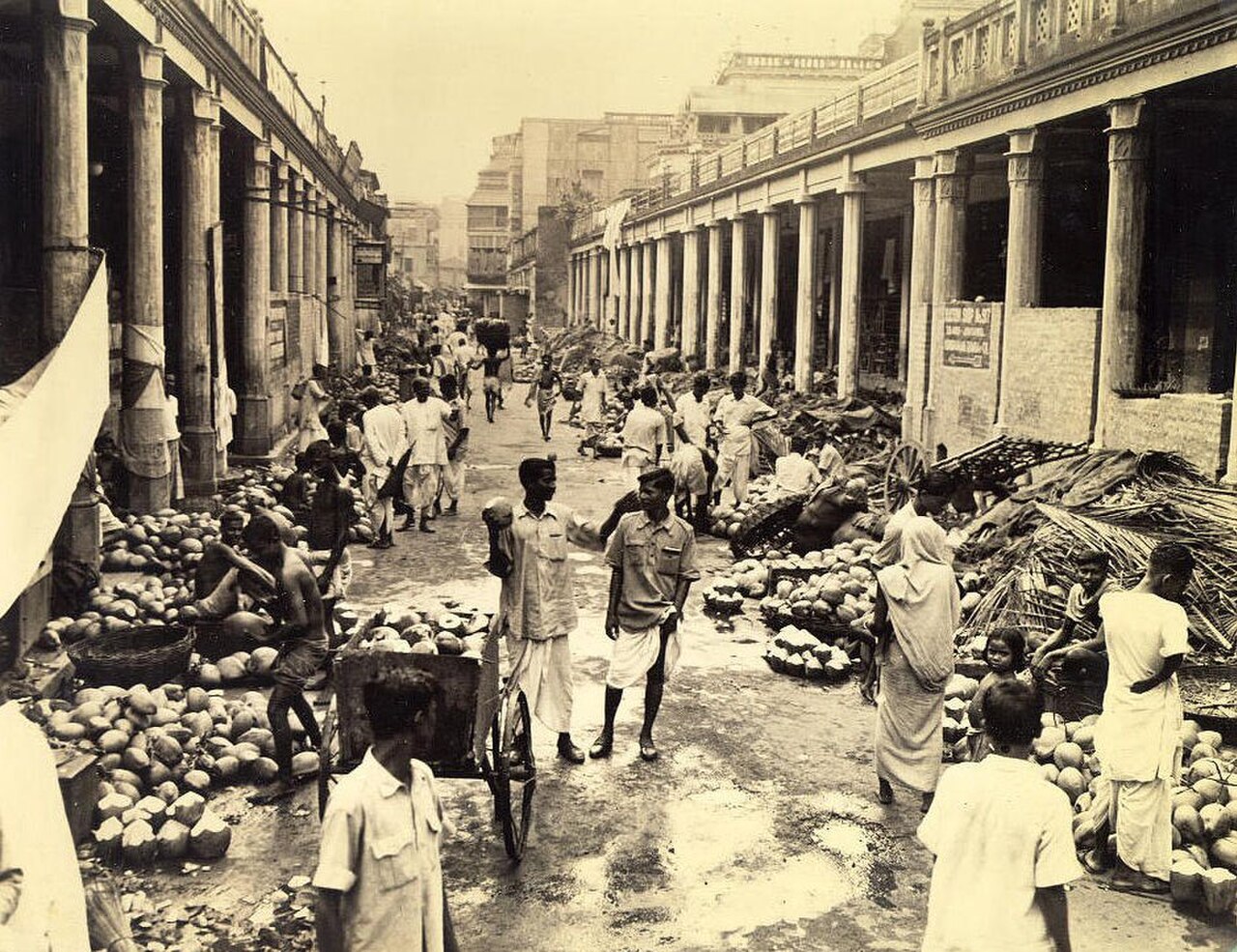
The Rebellion Against Formality18वीं सदी में, हिंदुस्तानी शास्त्रीय संगीत — ख़्याल प्रणाली — कठोरता से पदानुक्रमित थी। यह दरबार और सीखे हुए संगीतकार के लिए डिज़ाइन किया गया था, उन लोगों के लिए जो जटिल राग सिद्धांत को समझते थे और सूक्ष्म तकनीकी अंतर की सराहना कर सकते थे। एक ख़्याल प्रदर्शन घंटे तक चल सकता था, और दर्शकों को गौरवान्वित मौन में बैठने की उम्मीद थी, हर नोट को विश्लेषण करते हुए। यह बुद्धि के लिए संगीत था। लेकिन लखनऊ और बनारस की कोठा (वेश्यालय) जिलों में, एक भिन्न संगीत जन्म ले रहा था। तवायफ़ें — वेश्याएँ और पेशेवर महिला मनोरंजनकारी — एक पूरी तरह से नई दृष्टिकोण के साथ प्रयोग कर रहीं। ख़्याल के अमूर्त दार्शनिक ग्रंथों के बजाय, वे तत्काल मानव भावनाओं के बारे में गाते थे: प्रेम, लालसा, अलगता, ईष्या, भक्ति। तकनीकी दक्षता के बजाय, उन्होंने भावनात्मक स्पष्टता को महत्व दिया। जटिल राग नियमों के बजाय, उन्होंने मेलोडिक सुंदरता और भावनात्मक प्रभाव को महत्व दिया। परिणाम ठुमरी थी — एक संगीत रूप जो ख़्याल नहीं था: अंतरंग, कामुक, भक्तिपूर्ण, मजेदार, यह प्रेम, लालसा, विश्वासघात, और भक्ति के बारे में सबसे प्रत्यक्ष, भावनात्मक तरीके से था।
अंग्रेज़ी में पढ़ें · Read in English
In the 18th century, Hindustani classical music — the khayal system — was strictly hierarchical. It was designed for the court and the learned musician, for those who understood complex raag theory and could appreciate subtle technical distinctions. A khayal performance could last hours, and the audience was expected to sit in reverent silence, analyzing every note. It was music for the intellect.
But in the kotha (brothel) district of Lucknow and Banaras, a different music was being born. Tawaifs — courtesans and professional female entertainers — were experimenting with an entirely new approach. Instead of the abstract philosophical texts of khayal, they sang about immediate human emotions: love, longing, separation, jealousy, devotion. Instead of technical mastery, they valued emotional directness. Instead of complex raag rules, they valued melodic beauty and emotional impact. The result was thumri — a music form that was everything khayal was not: intimate, erotic, playful, and devastatingly human.
नायिका-भेद प्रणाली
The Nayika-Bheda Systemठुमरी की सबसे विशिष्ट विशेषताओं में से एक नायिका-भेद प्रणाली है — महिला प्रिय (नायिका) का वर्गीकरण उसकी भावनात्मक स्थिति के अनुसार। यह प्रणाली संस्कृत कविता और नाटक से आई, लेकिन ठुमरी गायकों ने इसे एक पूर्ण भावनात्मक वर्गीकरण में परिष्कृत और विस्तारित किया। अभिसरिका नायिका (वह प्रिय जो अपने प्रेमी से मिलने जाती है) है, विरहोवती नायिका (प्रेमी से अलग की गई प्रिया), स्वाधीनपतिका नायिका (अपने प्रेमी की भक्ति में सुरक्षित प्रिया), खंडिता नायिका (उसके प्रेमी द्वारा विश्वासघात की गई प्रिया)। प्रत्येक प्रकार की अपनी संगीत विशेषताएँ हैं। विरहोवती (अलग की गई प्रेमी) को धीमे, उदास राग में गाया जाता है जिसमें लंबी, दर्दनाक नोटें हैं। अभिसरिका (प्रेमी से मिलने के लिए निकल रहा है) अक्सर हल्का, तेज़ है, खेलपूर्ण लयबद्ध पैटर्न के साथ। खंडिता (विश्वासघात की गई प्रेमी) तीव्र, स्टैकेटो वाक्यांशों का उपयोग कर सकते हैं गुस्सा और दर्द व्यक्त करने के लिए। एक विशेष नायिका-भेद चुनकर, गायक बिना कुछ स्पष्ट रूप से कहे एक पूरी भावनात्मक स्थिति संप्रेषित कर सकता था। यह मनोविज्ञान संगीत में सेट था।
अंग्रेज़ी में पढ़ें · Read in English
One of thumri's most distinctive features is the nayika-bheda system — a classification of the female beloved (nayika) by her emotional state. This system came from Sanskrit poetry and drama, but thumri singers refined and elaborated it into a complete emotional taxonomy. There is the abhisarika nayika (the beloved who goes to meet her lover), the virahovati nayika (the beloved separated from her lover), the swadhinapatika nayika (the beloved secure in her lover's devotion), the khandita nayika (the beloved betrayed by her lover).
Each type has its own musical characteristics. The virahovati (separated lover) is sung in slow, melancholic raags with long, aching notes. The abhisarika (lover setting out to meet) is often lighter, faster, with playful rhythmic patterns. The khandita (betrayed lover) might use sharp, staccato phrases to convey anger and hurt. By choosing a particular nayika-bheda, the singer could communicate an entire emotional state to the listener without saying anything explicitly. It was psychological realism set to music.
बोल-बनाव: भावना की आर्किटेक्चर
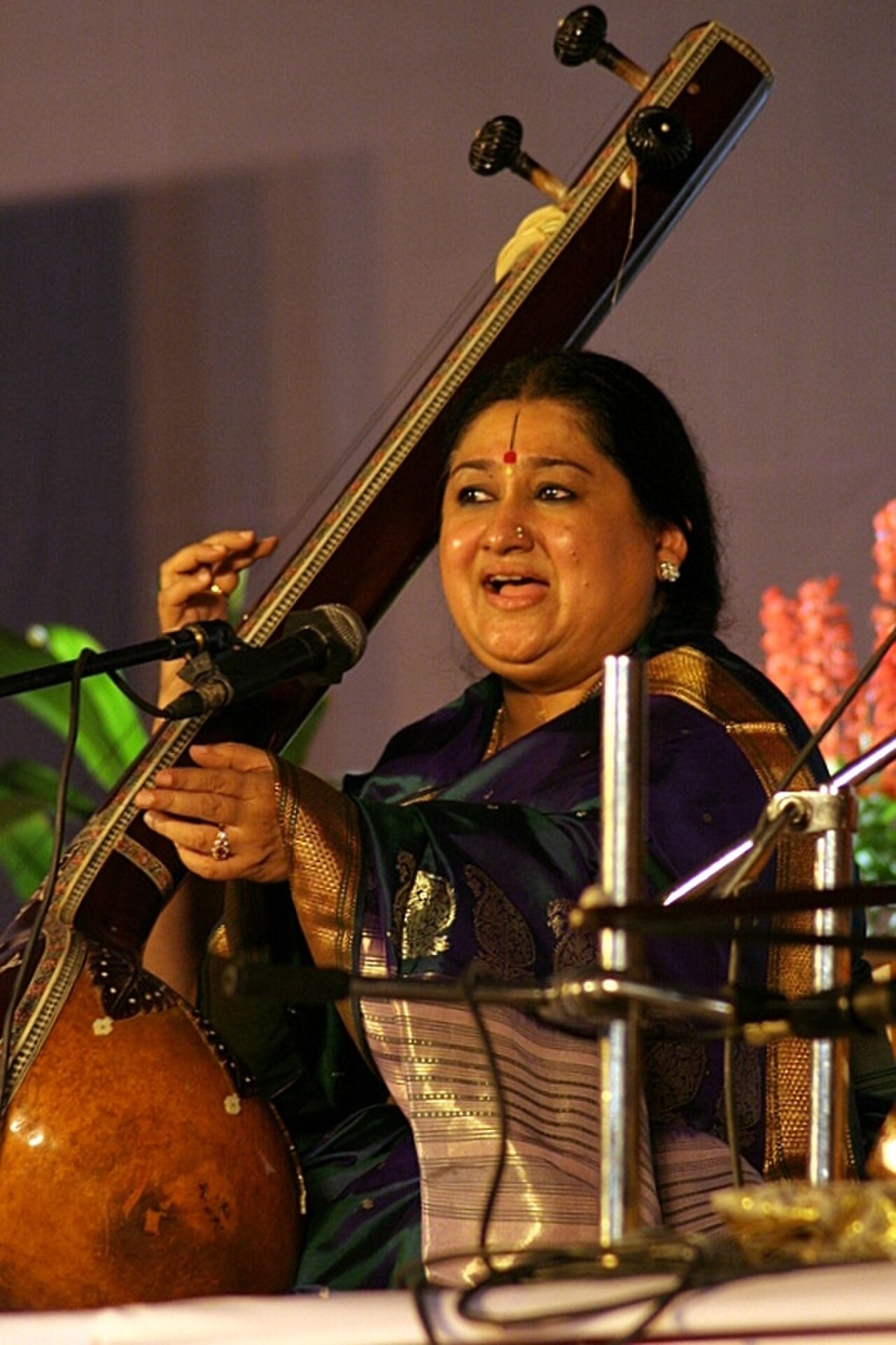
Bol-Banao: The Architecture of Emotionठुमरी के तकनीकी दिल में बोल-बनाव है — शाब्दिक रूप से 'शब्द-निर्माण'। यह एक सरल गीत वाक्य लेने और इससे अनंत संगीत और भावनात्मक भिन्नताएँ निकालने की कला है। 'काहे को ब्याही बिदेस' (मुझे विदेश भेज कर क्यों विवाह किया गया?) की तरह एक पंक्ति को एक एकल प्रदर्शन के भीतर सौ अलग तरीकों से गाया जा सकता है। गायक अक्षरों को खींचता है, उन्हें दोहराता है, उन्हें बीट में तोड़ता है, उन्हें प्रत्याशा करता है, उन्हें विलंबित करता है — सभी पाठ के भावनात्मक रंगों को खोजने के लिए। ख़्याल में नहीं, जहाँ पाठ्य अर्थ अक्सर राग विस्तार के लिए द्वितीयक है, ठुमरी में पाठ प्राथमिक है। संगीतकार का काम पाठ के हर अर्थगत सूक्ष्मता को रोशन करना है, श्रोता को पाठ द्वारा व्यक्त किए गए दुःख, लालसा, या आनंद की सटीक छाया को महसूस करना है। एक कुशल ठुमरी गायक जानता है कि 'आह' में 'आह' की आवाज़ कई भावनात्मक रंग ले सकती है इसके आधार पर यह कैसे गाया जाता है — यह एक सिसकारी हो सकती है, एक कराहना, निराशा की चीख़, या लालसा की पुकार। बोल-बनाव तकनीक को दोनों तकनीकी दक्षता और गहरी भावनात्मक बुद्धिमत्ता की आवश्यकता है।
अंग्रेज़ी में पढ़ें · Read in English
The technical heart of thumri is the bol-banao — literally 'word-making.' This is the art of taking a simple lyrical phrase and extracting infinite musical and emotional variations from it. A line like 'Kahe Ko Byahi Bides' (Why was I married away from home?) might be sung in a hundred different ways within a single performance. The singer stretches syllables, repeats them, breaks them across beats, anticipates them, delays them — all to explore the emotional colors of the text.
Unlike in khayal, where textual meaning is often secondary to raag elaboration, in thumri the text is primary. The musician's job is to illuminate every semantic nuance of the words, to make the listener feel the exact shade of sadness, longing, or joy that the text conveys. A skilled thumri singer knows that the sound 'a' in 'aah' can carry multiple emotional colorations depending on how it's sung — it can be a sigh, a moan, a cry of despair, or a call of longing. The bol-banao technique requires both technical mastery and profound emotional intelligence.
महिलाएँ ठुमरी में क्यों हावी हैं
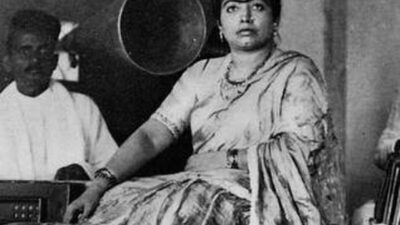
Why Women Dominated Thumriशास्त्रीय भारतीय संगीत की पदानुक्रम गहराई से लिंग-आधारित थी। पुरुष संगीतकारों ने संस्थागत संगीत दुनिया को नियंत्रित किया — दरबार, मंदिर, प्रशिक्षण वंश। महिलाएँ, विशेषकर कम जातियों और संदिग्ध नैतिकता की, बाहर रखी गईं। एकमात्र स्थान जहाँ महिलाएँ पेशेवर संगीतकार हो सकती थीं, वह कोठा था। और वहाँ, विरोधाभासी रूप से, उन्होंने भारत के सबसे परिष्कृत और भावनात्मक रूप से बुद्धिमान कला रूपों में से एक बनाया। यह लिंग आकस्मिक नहीं था। ठुमरी को अनिवार्य रूप से महिला दृष्टिकोण को मूर्त रूप देने के लिए डिज़ाइन किया गया था। इसके ग्रंथ अभिभूत रूप से महिला बिंदु से लिखे गए हैं — अपने प्रेमी के लिए प्रतीक्षा करती महिला, विश्वासघात की गई महिला, अपने प्रेमी की भक्ति का जश्न मनाती महिला। इसकी भावनात्मक शब्दावली कमजोरी, लालसा, और अंतरंग भावना की शब्दावली है — भावनाएँ जो 19वीं सदी के समाज को स्त्रीत्व से जोड़ा गया है। पुरुष शास्त्रीय संगीतकार, अपनी बौद्धिक और तकनीकी उपलब्धियों पर गर्वित, शुरुआत में ठुमरी को गैर-गंभीर माना। लेकिन यह बहुत 'गैर-गंभीर' गुणवत्ता — कठोर राग नियमों से नहीं बंधा होना, तकनीकी पूर्णता के बजाय तत्काल भावनात्मक सच पर जोर देना — ठुमरी की सबसे बड़ी शक्ति बन गई। 20वीं सदी की शुरुआत तक, रिकॉर्ड किए गए संगीत के उदय के साथ, ठुमरी कलाकार भारत में सबसे व्यावसायिक रूप से सफल कलाकारों में से कुछ बन गए। गौहर जान और जानकी बाई न केवल अपने युग के संगीत को प्रदर्शित करते थे — वे यह पुनर्परिभाषित करते थे कि भारतीय संस्कृति में क्या संगीत मूल्यवान था।
अंग्रेज़ी में पढ़ें · Read in English
Classical Indian music's hierarchy was deeply gendered. Male musicians controlled the institutional music world — the courts, the temples, the training lineages. Women, especially those of lower castes and questionable morality, were excluded. The only space where women could be professional musicians was the kotha. And there, paradoxically, they created one of India's most sophisticated and emotionally intelligent art forms.
This gendering was not accidental. Thumri was designed, implicitly, to embody the female perspective. Its texts are overwhelmingly written from a woman's point of view — the woman pining for her lover, the woman betrayed, the woman celebrating her lover's devotion. Its emotional vocabulary is the vocabulary of vulnerability, longing, and intimate feeling — emotions that 19th-century society associated with femininity. Male classical musicians, proud of their intellectual and technical achievements, initially disdained thumri as unserious. But this very 'unserious' quality — the refusal to be bound by rigid raag rules, the insistence on immediate emotional truth over technical perfection — became thumri's greatest strength.
By the early 20th century, with the rise of recorded music, thumri artists became some of the most commercially successful performers in India. Gauhar Jaan and Janki Bai did not just perform the music of their era — they redefined what was musically valuable in Indian culture.
परिचय
IdentityEpithet
ठुमरी शैली — लखनऊ/बनारस में इसकी उत्पत्ति, यह कैसे ख़्याल से अलग है, नायिका-भेद प्रणाली, बोल-बनाव तकनीक, और महिलाएँ इस शैली में क्यों हावी रहीं।
The thumri genre — its origins in Lucknow/Banaras, how it differs from khayal, the nayika-bheda system, bol-banao technique, and why women dominated the form.
कहानी-नमूना
The Story Specimen| शीर्षक | ठुमरी की कला: कोठेवालियों ने भारत का सबसे भावनात्मक संगीत कैसे बनाया · The Art of Thumri: How Courtesans Invented India's Most Emotional Music |
|---|---|
| श्रेणी | संगीत |
| प्रकार | निबंध |
| पाठ-समय | ८ मिनट का पाठ |
| प्रकाशित | 31 March 2026 — admin |
| टैग | 1903 · thumri · lucknow · banaras · bol_banao · nayika_bheda · courtesans · art_form |
इस कहानी में
In This Story · The Cast & Its Platesकहानी में आए नामों के अटलस में अपने पन्ने हैं — यहीं से यात्रा जारी रखिए।
विधाएँ-सूत्र · Vidhas
घराने-सूत्र · Gharanas
और कहानियाँ
More Stories from the Atlas

साझा कीजिए · Share this Plate