शास्त्र विंग · घराना-पट्टिका · Gharana Plate
लखनऊ घराना
Lucknow Gharana
ठुमरी का सर्वोच्च स्वरूप — आवेग और परिष्कार का सुंदर संयोजन · The supreme form of Thumri — beautiful synthesis of passion and refinement
अन्य नामलखनऊ ठुमरी घराना · ठुमरी की परंपरा
एक पंक्तिलखनऊ घराना भारतीय संगीत में ठुमरी परंपरा का सबसे महत्वपूर्ण और सबसे प्रभावशाली संरक्षक है।
परिचय
Overviewलखनऊ घराना भारतीय संगीत की सबसे परिष्कृत और भावनात्मक रूप से अभिव्यंजक परंपराओं में से एक का प्रतिनिधित्व करता है। अवध के नवाबों के दरबारों में जन्मा, यह ठुमरी के चारों ओर क्रिस्टलीकृत हुआ—एक लचीला, गीतात्मक-केंद्रित रूप जो शास्त्रीय परिष्कार और लोक अंतरंगता के सुरुचिपूर्ण चौराहे पर है। अधिक कठोर ख़्याल परंपरा के विपरीत, लखनऊ ठुमरी आख्यान, भावना, और मानव आवाज़ को अमूर्त राग अन्वेषण से अधिक प्राथमिकता देता है। यह रोमांस, भक्ति, मजाकपन, और तरंग का संगीत है—केवल तकनीकी दक्षता प्रदर्शित करने के लिए नहीं गाया गया, बल्कि हृदय को छूने के लिए। घराना की परिभाषित विशेषता मेलोडिक समृद्धि को गीतात्मक गहराई से विवाह करना है। हर नोट शब्दों के अर्थ की सेवा करता है; हर वोकल फूल (मुर्की, खटका, तान) भावनात्मक अभिव्यक्ति की सेवा में तैनात है। लय लचीली है, भाषण की प्राकृतिक लय और गायक के व्याख्यात्मक आवेग को समायोजित करने के लिए झुकती है।
अंग्रेज़ी में पढ़ें · Read in English
The Lucknow Gharana represents one of the most refined and emotionally expressive traditions in Indian classical music. Born in the courts of the Nawabs of Awadh, it crystallized around Thumri—a flexible, lyric-centered form at the elegant intersection of classical sophistication and folk intimacy. Unlike the more austere Khayal tradition, Lucknow Thumri prioritizes narrative, emotion, and the human voice over abstract raag exploration. It is music of romance, devotion, playfulness, and longing. The gharana's defining characteristic is the marriage of melodic richness with lyrical profundity. Every note serves the meaning of the words; every vocal flourish is deployed in service of emotional expression. Rhythm is flexible, bending to accommodate natural speech cadence and the singer's interpretive instinct.
वर्गीकरण
Classificationश्रेणी
thumri
अंग्रेज़ी में पढ़ें · Read in English
Thumri
परंपरा
Hindustani
कला-विधाएँ
उत्पत्ति
Originशहर
लखनऊ
अंग्रेज़ी में पढ़ें · Read in English
Lucknow
राज्य
उत्तर प्रदेश
अंग्रेज़ी में पढ़ें · Read in English
Uttar Pradesh
क्षेत्र
उत्तरी भारत
अंग्रेज़ी में पढ़ें · Read in English
North India
काल
18वीं-19वीं शताब्दी
अंग्रेज़ी में पढ़ें · Read in English
18th-19th Century
स्थापना-कथा
लखनऊ घराना 18वीं-19वीं शताब्दी में अवध की नवाबी दरबार में विकसित हुआ। लखनऊ अवध की सांस्कृतिक राजधानी था, जहाँ नवाबों ने संगीत और नृत्य को विशेष संरक्षण दिया। ठुमरी, जो दरबारी मनोरंजन और तवायफ संस्कृति से जुड़ी थी, यहीं परिष्कृत हुई। थाविंग बाई और जद्दन बाई जैसी किंवदंती तवायफ गायकों ने ठुमरी को एक व्यवस्थित संगीत रूप में रूपांतरित किया। गौहर जान, जो अमीर जान और जद्दन बाई की शिष्या थीं, ने लखनऊ ठुमरी को रिकॉर्डिंग के माध्यम से विश्व प्रसिद्ध किया। बेगम अख़्तर और शोभा गुर्टु ने 20वीं शताब्दी में इस परंपरा को जीवित रखा।
अंग्रेज़ी में पढ़ें · Read in English
The Lucknow Gharana developed in the 18th-19th century in the Awadhi court of the Nawabs. Lucknow was Awadh's cultural capital, where Nawabs specially patronized music and dance. Thumri, connected to courtly entertainment and Tawaif culture, was refined here. Legendary Tawaif singers like Thawing Bai and Jaddan Bai transformed Thumri into a systematic musical form. Gauhar Jaan, student of Amir Jan and Jaddan Bai, made Lucknow Thumri world-famous through recordings. Begum Akhtar and Shobha Gurtu kept the tradition alive in the 20th century.
संरक्षक दरबार
अवध के नवाबों का दरबार
अंग्रेज़ी में पढ़ें · Read in English
Court of the Nawabs of Awadh
संगीत-पहचान
Musical Identityविशिष्ट शैली
लखनऊ ठुमरी की गायकी में अत्यधिक मेलोडिक अलंकरण, विस्तृत वोकल रन (मुर्की), मनोरम गीत (अक्सर रोमांटिक और भक्ति विषयों के साथ), और रस (भावनात्मक सामग्री) के प्रति गहरे अभिव्यंजक दृष्टिकोण की विशेषता है। शैली व्यक्तिगत भावना, सुधार से भरी कथा, और श्रोता के साथ घनिष्ठ संबंध पर जोर देती है। लय लचीली है और कठोर मीट्रिक चक्रों के बजाय गीतात्मक मनोदशा का अनुसरण करती है।
अंग्रेज़ी में पढ़ें · Read in English
Lucknow Thumri is characterized by extreme melodic ornamentation, elaborate vocal runs (murkis), playful lyrics often with romantic and devotional themes, and a deeply expressive approach to rasa (emotional content). The style emphasizes personal emotion, improvisational storytelling, and intimate connection with the listener. Rhythm is flexible and follows the lyrical mood rather than strict metric cycles.
दर्शन
लखनऊ घराना रोमांटिक अभिव्यक्ति को शास्त्रीय संगीत तकनीक से विवाह करने पर जोर देता है। ख़्याल के विपरीत, जो राग अन्वेषण और वोकल शुद्धता को प्राथमिकता देता है, लखनऊ ठुमरी गीतात्मक अर्थ और भावनात्मक आख्यान को केंद्र में रखता है। परंपरा सुधार, अलंकारिक सौंदर्य, लय की लचक, और गायक के व्यक्तिगत व्याख्यात्मक आवाज़ को महत्व देती है।
अंग्रेज़ी में पढ़ें · Read in English
The Lucknow Gharana emphasizes the marriage of romantic expression with classical musical technique. Unlike Khayal, which prioritizes raga exploration and vocal purity, Lucknow Thumri places lyrical meaning and emotional narrative at the center. The tradition values improvisation within the lyrical theme, ornamental beauty, flexibility of rhythm, and the singer's personal interpretive voice.
विशिष्ट तकनीकें
विशिष्ट राग
विशिष्ट ताल
वाद्य यंत्र
गायन-विशेषताएँ
लखनऊ घराने के गायकों की आवाज़ आमतौर पर पतली, मधुर और प्रशिक्षित होती है। वे बहुत तेज़ और कोमल मुर्की करने में माहिर होते हैं। गौहर जान की आवाज़ को लखनऊ शैली का सर्वोत्तम उदाहरण माना जाता है। बेगम अख़्तर की आवाज़ में गहराई, शक्ति और भावनात्मक तीव्रता थी।
अंग्रेज़ी में पढ़ें · Read in English
Lucknow singers typically have refined, melodious voices with exceptional breath control and ornamentation ability. Gauhar Jaan's voice is considered the ideal example of Lucknow style. Begum Akhtar's voice had depth, power, and emotional intensity.
गुरु-शिष्य परंपरा
Lineageगुरु-शिष्य परंपरा
स्थापना-कथा
जबकि ठुमरी सदियों से क्रमिक रूप से विकसित हुई, लखनऊ घराना 18वीं-19वीं शताब्दी में अवध के नवाबों के शासन के दौरान क्रिस्टलीकृत हुआ। किंवदंती थाविंग बाई जैसी किंवदंती गायकों को शैली के औपचारिकीकरण का श्रेय देती है। ये तवायफ गायक—जो अवधी संस्कृति में कुशल संगीतकार और मनोरंजनकारों के रूप में उच्च सामाजिक स्थिति रखती थीं—ने व्यवस्थितपरक शिक्षा-पद्धति, संरचनात्मक शब्दावली, और प्रदर्शन सम्मेलन विकसित किए जो लखनऊ ठुमरी को परिभाषित करते हैं।
अंग्रेज़ी में पढ़ें · Read in English
While Thumri evolved gradually over centuries, the Lucknow Gharana crystallized during the reign of the Nawabs of Awadh in the 18th-19th centuries. Legend attributes the formalization of the style to legendary singers like Thawing Bai and later Jaddan Bai and Amir Jan. These Tawaif singers developed the systematic pedagogy, compositional vocabulary, and performance conventions that define Lucknow Thumri.
प्रमुख कलाकार
Notable Artistsशिक्षण-पद्धति
Teaching MethodName
लखनऊ शैली की शिक्षा-पद्धति
अंग्रेज़ी में पढ़ें · Read in English
Lucknow Style Teaching Method
विवरण
लखनऊ परंपरा में शिक्षा एक व्यापक प्रक्रिया है जहाँ गायक को तकनीक के साथ-साथ भावनात्मक परिष्कार भी सिखाया जाता है। गुरु अपने शिष्य को न केवल अपनी परंपरा सिखाते हैं बल्कि हर राग के साथ उसकी ऐतिहासिक और भावनात्मक संदर्भ भी सिखाते हैं।
अंग्रेज़ी में पढ़ें · Read in English
Teaching in Lucknow tradition is a comprehensive process where students learn technique alongside emotional refinement. Gurus teach not just technique but also the historical and emotional context of each raga.
वर्तमान स्थिति
Modern Statusलखनऊ घराना आज भी एक जीवंत परंपरा है। विद्या राव और अन्य समकालीन गायक इस परंपरा को आगे बढ़ा रहे हैं। हालांकि, आधुनिक मनोरंजन के कारण इस परंपरा को चुनौतियों का सामना करना पड़ रहा है, लेकिन इसकी आध्यात्मिक गहराई और भावनात्मक शक्ति इसे अप्रासंगिक होने से बचाती है।
अंग्रेज़ी में पढ़ें · Read in English
The Lucknow Gharana remains a living tradition today. Vidya Rao and other contemporary singers carry it forward. While it faces challenges from modern entertainment, its spiritual depth and emotional power keep it relevant.
सांस्कृतिक महत्व
Cultural Significanceलखनऊ घराना भारतीय संगीत इतिहास और समाज में गहरा सांस्कृतिक महत्व रखता है। सदियों से, यह भारतीय संगीत की आत्मा को संरक्षण देता आया है। मुगल काल से लेकर आधुनिक भारत तक, लखनऊ घराना संगीत को एक आध्यात्मिक अभिव्यक्ति के रूप में बनाए रखने में महत्वपूर्ण भूमिका निभा रहा है। गौहर जान, सबसे प्रसिद्ध व्यवहारकर्ता, पहली भारतीय महिला कलाकार बन गईं जिन्हें व्यावसायिक रूप से रिकॉर्ड किया गया, जिससे महिला संगीतकारों के लिए नई संभावनाएँ खुलीं। लखनऊ परंपरा दिखाती है कि स्थानीय परंपराएँ वैश्विक महत्व कैसे प्राप्त कर सकती हैं।
अंग्रेज़ी में पढ़ें · Read in English
The Lucknow Gharana holds profound cultural significance in Indian music history and society. For centuries, it has preserved the soul of Indian music. Gauhar Jaan, the most celebrated practitioner, became the first Indian female artist to achieve recording prominence, opening doors for female musicians. The Lucknow tradition shows how local traditions can gain global significance.
श्रवण-कक्ष · The Listening Room
देखें-सुनें
हमारी अटरिया पे आओ — दादरा · बेगम अख़्तर · 7:03
बेगम अख़्तर — पीलू · बेगम अख़्तर · 3:57
अन्य विवरण
More Details- लखनऊ घराने की सर्वश्रेष्ठ रचनाएँ · Greatest works of Lucknow Gharana
Founding Story
The Lucknow Gharana developed in the 18th-19th century in the Awadhi court of the Nawabs. Lucknow was Awadh's cultural capital, where Nawabs specially patronized music and dance. Thumri, connected to courtly entertainment and Tawaif culture, was refined here. Legendary Tawaif singers like Thawing Bai and Jaddan Bai transformed Thumri into a systematic musical form. Gauhar Jaan, student of Amir Jan and Jaddan Bai, made Lucknow Thumri world-famous through recordings. Begum Akhtar and Shobha Gurtu kept the tradition alive in the 20th century.
Signature Style
Lucknow Thumri is characterized by extreme melodic ornamentation, elaborate vocal runs (murkis), playful lyrics often with romantic and devotional themes, and a deeply expressive approach to rasa (emotional content). The style emphasizes personal emotion, improvisational storytelling, and intimate connection with the listener. Rhythm is flexible and follows the lyrical mood rather than strict metric cycles.
Recommended Listening
रोचक तथ्य
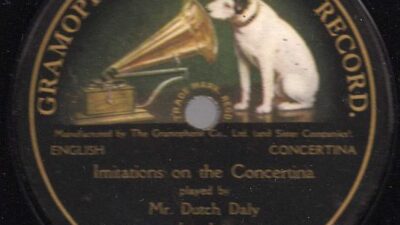
Margin Notesगौहर जान ने 1902 में ग्रामोफोन पर रिकॉर्डिंग करके इतिहास रचा। उनकी पहली रिकॉर्डिंग्स ग्रामोफोन कंपनी (बाद में एचएमवी) के लिए भारत में बनाई गई थीं। 11 वर्षों में, उन्होंने 74 रिकॉर्डिंग्स कीं—उस युग के लिए एक असाधारण उपलब्धि। ये रिकॉर्डिंग्स भारतीय शास्त्रीय संगीत की सबसे पहली जीवंत रिकॉर्डिंग्स में से हैं।
Gauhar Jaan made history in 1902 by becoming the first Indian female artist to record on gramophone. Over 11 years, she made 74 recordings—an extraordinary feat. These are among the earliest surviving records of Indian classical music.
गौहर जान को अमीर जान और जद्दन बाई द्वारा लखनऊ ठुमरी परंपरा में प्रशिक्षित किया गया था। अमीर जान विशेषकर महत्वपूर्ण हैं एक अभिनव ठुमरी रचनाकार और प्रभावशाली गुरु के रूप में।
Gauhar Jaan was trained by Amir Jan and Jaddan Bai. Amir Jan is especially significant as a creator of innovative Thumri compositions and influential guru.
ख़्याल के विपरीत, जो कठोर लयबद्ध ढांचे (ताल) के भीतर गाया जाता है, लखनऊ ठुमरी गायक को लय में काफी स्वतंत्रता देता है। लयबद्ध चक्र (ताल) का सुझाव दिया जा सकता है या शिथिल रूप से बनाए रखा जा सकता है, लेकिन गायक की गीतात्मक वाक्य रचना और भावनात्मक व्याख्या को प्राथमिकता दी जाती है।
Unlike Khayal, sung within strict rhythmic frameworks, Lucknow Thumri gives singers considerable freedom. The rhythmic cycle may be suggested or loosely maintained, but the singer's lyrical phrasing takes precedence.
अवधी संस्कृति में, तवायफ गायकों को उच्च सामाजिक स्थिति प्राप्त थी कुशल संगीतकार, कलाकार, और मनोरंजनकारी के रूप में। गौहर जान इस परंपरा का मूर्त रूप थीं—वह केवल एक प्रदर्शनकारी नहीं बल्कि एक सम्मानित संगीत प्राधिकार और संरक्षक थीं।
In Awadi culture, Tawaif singers held high status as accomplished musicians and entertainers. Gauhar Jaan embodied this—she was not just a performer but a revered musical authority and mentor.
क्या आप जानते हैं?
Did You Knowक्या आप जानते हैं? गौहर जान की ग्रामोफोन रिकॉर्डिंग्स भारतीय शास्त्रीय संगीत के सबसे पहले जीवंत दस्तावेज़ हैं।
Did you know? Gauhar Jaan's gramophone recordings are among the earliest surviving records of Indian classical music.
सूक्तियाँ
Words of the Masters“संगीत केवल तकनीक नहीं है — यह हृदय की भाषा है।”
“Music is not just technique — it is the language of the heart.”
— — लखनऊ घराना परंपरा, Traditional wisdom
अनुशंसित श्रवण
Recommended Listeningनमूना-पट्टी
The Specimen Table| नाम | लखनऊ घराना · Lucknow Gharana |
|---|---|
| अन्य नाम | लखनऊ ठुमरी घराना · ठुमरी की परंपरा |
| श्रेणी | thumri |
| परंपरा | Hindustani |
| प्रकार | घराने · Gharanas |
जुड़े हुए पन्ने
Connected Plates · The Graph Made Visibleअटलस में कोई पन्ना अकेला नहीं — इस घराना से जुड़े गीत, कलाकार, शास्त्र और कहानियाँ, सब यहाँ से खुलते हैं।
जुड़े कलाकार · Artists
जुड़े ताल · Taals
जुड़े घराने · Gharanas
जुड़े वाद्य · Instruments
जुड़े बंदिशें · Compositions
साझा कीजिए · Share this Plate