शास्त्र विंग · वाद्य-पट्टिका · Instrument Plate
अकॉर्डियन
Accordion
गोवा की पुर्तगाली विरासत — लोक और फ़िल्म संगीत का धौंकनी-यंत्र · Goa's Portuguese heritage — bellows instrument of folk and film music
अन्य नामपेटी · बाजा · Peeti · Baja
एक पंक्तिअकॉर्डियन एक स्वतंत्र-रीड कुंजी-वाद्य यंत्र है जो गोवा के रास्ते भारत आया और मराठी, कोंकणी, और हिंदी संगीत में रच-बस गया।
परिचय
Overviewअकॉर्डियन की भारत की कहानी गोवा के समुद्र तट से शुरू होती है — जहाँ पुर्तगाली जहाज़ों से उतरे लोगों ने अपने साथ इस यंत्र को भी लाया। गोवा की 'मांडो' संगीत शैली — जो पुर्तगाली और भारतीय संगीत का एक अनूठा मिलन है — में अकॉर्डियन का स्थान वैसा ही है जैसा हिंदुस्तानी संगीत में सारंगी का। यह यंत्र उस समुदाय की आत्मा है जिसने दो संस्कृतियों के बीच खड़े होकर अपनी पहचान बनाई। मराठी संगीत में 'पेटी' के रूप में अकॉर्डियन ने एक अलग पहचान पाई। लावणी और तमाशा — महाराष्ट्र की जीवंत लोक शैलियाँ — में 'पेटी' की धुन नृत्य की आत्मा है। जब कोई तमाशा कलाकार मंच पर आता है, तो 'पेटी' की पहली धुन ही दर्शकों को उठाकर नृत्य के मूड में ला देती है। यह यंत्र केवल ध्वनि नहीं देता — यह उत्सव की घोषणा करता है। हिंदी फ़िल्म संगीत में अकॉर्डियन ने एक सूक्ष्म लेकिन महत्वपूर्ण भूमिका निभाई। जब १९५०-६० के दशक में हिंदी फ़िल्में 'यूरोपीय' दृश्य दिखाती थीं, तब पृष्ठभूमि में अकॉर्डियन की मधुर ध्वनि स्वाभाविक रूप से आती थी — यह विदेशीपन का संकेत था। राज कपूर की रूस-प्रेरित फ़िल्मों में, देव आनंद के रोमांटिक दृश्यों में, यह यंत्र एक भावनात्मक रंग जोड़ता था। आज जब गोवा का मांडो लुप्त होने के खतरे में है, तब यह अकॉर्डियन की भारतीय कहानी का एक दुखद अध्याय है। लेकिन उम्मीद है — युवा कलाकार इस परंपरा को नई ऊर्जा दे रहे हैं।
अंग्रेज़ी में पढ़ें · Read in English
The accordion's Indian story begins on Goa's beaches — where people disembarking from Portuguese ships brought this instrument with them. In Goa's 'mando' music — a unique meeting of Portuguese and Indian music — accordion holds the same place as sarangi in Hindustani music. This instrument is the soul of a community that created its identity standing between two cultures.
In Marathi music, accordion found a different identity as 'peeti'. Lavani and tamasha — Maharashtra's vibrant folk styles — treat 'peeti' as the soul of dance. When a tamasha performer takes the stage, the first 'peeti' melody instantly lifts audiences into dance mood. This instrument doesn't just give sound — it announces celebration.
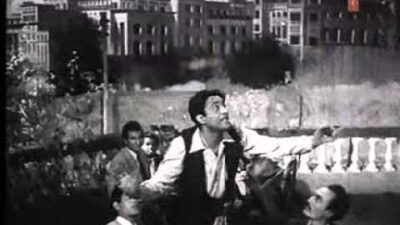
In Hindi film music, accordion played a subtle but important role. In the 1950s-60s when Hindi films showed 'European' scenes, accordion's melodious sound naturally appeared in the background — a signal of foreignness. In Raj Kapoor's Russia-inspired films, in Dev Anand's romantic scenes, this instrument added an emotional color.
Today, as Goa's mando faces extinction danger, this is a sad chapter in accordion's Indian story. But hope exists — young artists are giving this tradition new energy.
काव्य-पंक्ति · The Verse
काव्य-पंक्ति
पेटी की साँस में गोवा की गंध है, लहरों की याद और प्रेम का बंध है।
— हिंदीगीत संपादकीय In the peeti's breath is Goa's fragrance, Memory of waves and bond of love.
वर्गीकरण
ClassificationNatya Shastra
सुषिर — वायु वाद्य यंत्र
Sushira — Wind Instrument
नाट्यशास्त्र में अकॉर्डियन 'सुषिर' वर्ग में आएगा क्योंकि इसमें हवा के दबाव से रीड कंपित होती है। यह हारमोनियम के समान श्रेणी में है — दोनों स्वतंत्र-रीड (free-reed) वायु यंत्र हैं।
In Natya Shastra, accordion would fall under 'Sushira' as reeds vibrate from air pressure. Same category as harmonium — both are free-reed wind instruments.
Western
Keyboard / Wind Hybrid
Free-Reed Aerophone
पश्चिमी वर्गीकरण में अकॉर्डियन कुंजी-आधारित स्वतंत्र-रीड वायु यंत्र है। इसमें कुंजियाँ, बटन, और धौंकनी (bellows) का संयोजन है।
In Western classification, accordion is a keyboard-based free-reed aerophone. It combines keys, buttons, and bellows.
Hornbostel Sachs
412.132
Free-reed aerophone with hand-operated bellows and keyboard/buttons
सिनेमा में
In Cinemaहिंदी सिनेमा में अकॉर्डियन का एक विशेष स्थान है — यह यूरोपीय, कैफे, और रोमांटिक माहौल बनाने में अद्वितीय है। १९५०-६० के दशक की हिंदी फ़िल्मों में जब कोई 'विदेशी' या 'आधुनिक' दृश्य आता था, तब पृष्ठभूमि में अकॉर्डियन की सुरीली धुन अवश्य सुनाई देती थी। राज कपूर की फ़िल्मों में रूसी और यूरोपीय प्रभाव को दर्शाने के लिए अकॉर्डियन का उपयोग हुआ। 'आवारा' (१९५१) और 'श्री ४२०' (१९५५) में यह यंत्र पृष्ठभूमि में सुनाई देता है। कुछ गोयन फ़िल्म संगीतकारों ने अकॉर्डियन को सीधे हिंदी फ़िल्म संगीत में उपयोग किया। आधुनिक फ़िल्मों में भी 'यूरोपीय' दृश्यों में अकॉर्डियन की धुन का प्रयोग होता है।
अंग्रेज़ी में पढ़ें · Read in English
In Hindi cinema, accordion has a special place — unmatched in creating European, café, and romantic atmospheres. In 1950s-60s Hindi films, when any 'foreign' or 'modern' scene appeared, accordion's melodious tune was invariably heard in the background. Accordion was used in Raj Kapoor's films to depict Russian and European influence. It's heard in 'Awaara' (1951) and 'Shri 420' (1955). Some Goan film musicians directly used accordion in Hindi film music. Modern films also use accordion melodies in 'European' scenes.
वर्तमान स्थिति
Modern Statusविवरण
भारत में अकॉर्डियन की स्थिति मिश्रित है। गोवा में मांडो परंपरा के साथ यह जीवित है, लेकिन नई पीढ़ी में इसे सीखने वाले कम हो रहे हैं। मराठी लावणी में 'पेटी' की उपस्थिति अभी भी है। हालांकि, डिजिटल कीबोर्ड और इलेक्ट्रॉनिक यंत्रों के आगमन से अकॉर्डियन की जगह संकुचित हो रही है। गोवा सरकार और सांस्कृतिक संगठन मांडो और अकॉर्डियन परंपरा को बचाने के प्रयास कर रहे हैं।
अंग्रेज़ी में पढ़ें · Read in English
Accordion's status in India is mixed. In Goa it survives with the mando tradition, but fewer from new generations are learning it. Marathi lavani still features 'peeti'. However, digital keyboards and electronic instruments are shrinking accordion's space. Goa government and cultural organizations are making efforts to preserve mando and accordion tradition.
Estimated Players
A few hundred traditional players in Goa; some professionals in Mumbai and Pune
Revival Efforts
गोवा कला अकादमी, सेंट जेवियर्स कॉलेज, और स्थानीय सांस्कृतिक संगठन मांडो और अकॉर्डियन को बचाने के लिए कार्यशालाएं आयोजित करते हैं।
अंग्रेज़ी में पढ़ें · Read in English
Goa Kala Academy, St. Xavier's College, and local cultural organizations conduct workshops to preserve mando and accordion tradition.
बनावट
Physicalविवरण
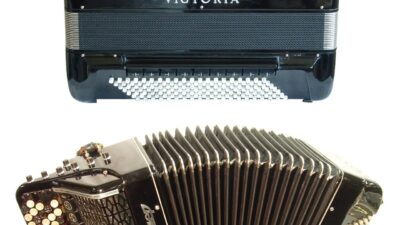
अकॉर्डियन एक अनोखा वाद्य यंत्र है जिसके दोनों हाथों में अलग-अलग भाग होते हैं। दाएं हाथ में कुंजियाँ (piano accordion में) या बटन (button accordion में) होते हैं जिनसे धुन (melody) बजाई जाती है। बाएं हाथ में बास बटन और कॉर्ड बटन होते हैं जिनसे तार (chords) और बास नोट बजाए जाते हैं। दोनों हिस्सों के बीच एक धौंकनी (bellows) होती है जो हवा का दबाव बनाती है। जब धौंकनी खींची या दबाई जाती है, तो हवा रीड से गुज़रती है और ध्वनि उत्पन्न होती है। पियानो अकॉर्डियन में दाएं हाथ के लिए सफ़ेद-काली पियानो कुंजियाँ होती हैं, जबकि बटन अकॉर्डियन में गोल बटन। भारत में 'पेटी' नाम से जाना जाने वाला अकॉर्डियन अक्सर छोटे आकार का बटन अकॉर्डियन होता है।
अंग्रेज़ी में पढ़ें · Read in English
Accordion is a unique instrument with different parts for each hand. Right hand has keys (piano accordion) or buttons (button accordion) for melody. Left hand has bass buttons and chord buttons. Between both sides is a bellows that creates air pressure. When bellows is pulled or pushed, air passes through reeds producing sound. Piano accordion has white-black piano keys for right hand; button accordion has round buttons. In India, the accordion known as 'peeti' is often a smaller button accordion.
Dimensions
25-35 cm
40-50 cm (extended bellows)
3-8 kg depending on size
Strings Or Keys
पियानो अकॉर्डियन में दाएं हाथ के लिए १ से ४ ऑक्टेव तक की कुंजियाँ होती हैं। बाएं हाथ के लिए ३२ से १२० बटन तक। बटन अकॉर्डियन में दाएं हाथ के लिए विभिन्न बटन प्रणालियाँ होती हैं।
Piano accordion has 1-4 octaves of keys for right hand. Left hand has 32-120 buttons. Button accordion has various button systems for right hand.
Right hand: 25-45 keys; Left hand: 32-120 buttons
Steel reeds, plastic keys, metal buttons
Tuning
समान स्वरान्तर (Equal Temperament) — पश्चिमी प्रणाली; कुछ भारतीय अकॉर्डियन C-major में ट्यून
Equal Temperament — Western system; some Indian accordions tuned to C-major
Equal temperament, typically in C major
Approximately 3 octaves (right hand)
Construction
अकॉर्डियन का हृदय — वी-आकार में मुड़ा हुआ कार्डबोर्ड, चमड़े, और धातु से बना लचीला कक्ष। इसे खींचने या दबाने से हवा का प्रवाह बनता है।
The heart of accordion — flexible V-shaped chamber of cardboard, leather, and metal. Pulling or pushing creates air flow.
धुन बजाने के लिए — पियानो शैली में सफ़ेद-काली कुंजियाँ, या बटन शैली में गोल बटनों की कई पंक्तियाँ।
For playing melody — white-black keys in piano style, or rows of round buttons in button style.
बास नोट और कॉर्ड के लिए — आमतौर पर ८ से १२० बटन तक। ये बटन स्वचालित रूप से पूरे कॉर्ड बजाते हैं।
For bass notes and chords — typically 8 to 120 buttons. These automatically play complete chords.
धातु की पतली पट्टियाँ जो हवा के दबाव से कंपित होकर ध्वनि उत्पन्न करती हैं। एक उच्च-गुणवत्ता वाले अकॉर्डियन में सैकड़ों रीड होती हैं।
Thin metal strips that vibrate from air pressure to produce sound. A high-quality accordion contains hundreds of reeds.
अकॉर्डियन को कंधों पर लटकाने के लिए चमड़े की पट्टियाँ — बजाने के दौरान दोनों हाथ मुक्त रहते हैं।
Leather straps for suspending accordion on shoulders — both hands remain free during playing.
ध्वनि-चरित्र
SoundTonal Character
अकॉर्डियन की ध्वनि में एक जीवंत, भावनात्मक, और थोड़ी मीठी-कड़वी विशेषता होती है। यह हारमोनियम से मिलती-जुलती है, लेकिन अधिक जीवंत और गतिशील। गोयन मांडो और कोंकणी संगीत में अकॉर्डियन की मधुर-विषादमय ध्वनि नृत्य और भावनाओं का साथ देती है। यूरोपीय वाल्ट्ज़ और फ्रेंच सैनेट धुनों में इसका उपयोग होता है। हिंदी फ़िल्मों में अकॉर्डियन ने यूरोपीय और कैफे माहौल बनाने में विशेष भूमिका निभाई।
अंग्रेज़ी में पढ़ें · Read in English
Accordion's sound has a lively, emotional, and slightly bittersweet quality. Similar to harmonium but more vibrant and dynamic. In Goan mando and Konkani music, accordion's melodious-melancholic sound accompanies dance and emotions. Used in European waltz and French chanson melodies. In Hindi films, accordion specially created European café atmospheres.
Timbre
मधुर, जीवंत, और भावनात्मक — थोड़ी नासिका जैसी गूंज
अंग्रेज़ी में पढ़ें · Read in English
Melodious, lively, and emotional — slightly nasal resonance
Dynamic Range
मध्यम — धौंकनी के दबाव से नियंत्रित
अंग्रेज़ी में पढ़ें · Read in English
Moderate — controlled by bellows pressure
Comparison
हारमोनियम जैसी रीड ध्वनि, लेकिन अधिक गतिशील और नृत्य-योग्य
अंग्रेज़ी में पढ़ें · Read in English
Harmonium-like reed sound but more dynamic and dance-friendly
वादन-तकनीक
Playing Techniqueविवरण
अकॉर्डियन बजाने में दोनों हाथों और धौंकनी — तीनों का एक साथ समन्वय आवश्यक है। दायाँ हाथ कुंजियों या बटनों से धुन बजाता है। बायाँ हाथ बास और कॉर्ड बटन दबाता है। और बाहें एक साथ धौंकनी को खींचती और दबाती हैं। यह तीन-स्तरीय समन्वय शुरू में कठिन लगता है लेकिन अभ्यास से स्वाभाविक हो जाता है। भारतीय संदर्भ में, 'पेटी' वादक अक्सर धुन बजाते हुए ताल भी बनाए रखते हैं — बाएं हाथ से बास और कॉर्ड बदलते हुए। गोवन मांडो में अकॉर्डियन वादक धुन, हार्मोनी, और ताल तीनों एक साथ प्रस्तुत करता है।
अंग्रेज़ी में पढ़ें · Read in English
Playing accordion requires simultaneous coordination of both hands and bellows — three things at once. Right hand plays melody on keys or buttons. Left hand presses bass and chord buttons. And arms simultaneously push and pull the bellows. This three-level coordination seems difficult at first but becomes natural with practice. In Indian context, 'peeti' players often maintain rhythm while playing melody — changing bass and chords with left hand. In Goan mando, accordion player presents melody, harmony, and rhythm simultaneously.
Posture
बैठकर या खड़े होकर — अकॉर्डियन पट्टियों से कंधों पर लटका, सीधा बैठकर बजाना आदर्श
अंग्रेज़ी में पढ़ें · Read in English
Seated or standing — accordion suspended from straps on shoulders, playing upright is ideal
Techniques
धौंकनी को तेज़ी से हिलाकर कंपन (vibrato) जैसी ध्वनि उत्पन्न करना — संगीत में भावना और जोश भरने के लिए।
Rapidly shaking bellows to produce vibrato-like sound — adds emotion and energy to music.
छोटे, तीखे स्वर बजाना — कुंजी/बटन को जल्दी छोड़कर और बेलोज़ को झटके से दबाकर।
Playing short, sharp notes — releasing key/button quickly and jerking bellows.
एक ही स्वर को तेज़ी से दोहराना — बाजे में विशेष भावना और उतार-चढ़ाव लाने के लिए।
Rapidly repeating same note — creates special emotion and dynamics in the music.
बाएं हाथ के स्वचालित कॉर्ड बटनों का उपयोग करके ताल और हार्मोनी एक साथ बनाना।
Using left hand's automatic chord buttons to simultaneously create rhythm and harmony.
बाएं हाथ के बास बटनों को क्रम से दबाकर एक चलती-फिरती बास लाइन बनाना — जैज़ और नृत्य संगीत में विशेष रूप से उपयोगी।
Pressing left hand bass buttons sequentially to create a walking bass line — especially useful in jazz and dance music.
निर्माण-प्रक्रिया
Making Processविवरण
अकॉर्डियन का निर्माण एक जटिल प्रक्रिया है जिसमें सैकड़ों पुर्जे शामिल होते हैं। भारत में अकॉर्डियन निर्माण नहीं होता — सभी यंत्र जर्मनी (Hohner), इटली (Castagnari, Paolo Soprani), रूस (Bayan), और चीन से आयात होते हैं। पारंपरिक यूरोपीय अकॉर्डियन निर्माण एक विशेष शिल्प है — रीड को हाथ से बनाना, बेलोज़ को जोड़ना, और सभी चाबियों को सटीक रूप से ट्यून करना। एक उच्च-गुणवत्ता वाले हाथ-निर्मित अकॉर्डियन को बनाने में ४-८ सप्ताह लगते हैं।
अंग्रेज़ी में पढ़ें · Read in English
Accordion manufacturing is a complex process involving hundreds of parts. India does not manufacture accordions — all instruments are imported from Germany (Hohner), Italy (Castagnari, Paolo Soprani), Russia (Bayan), and China. Traditional European accordion making is a specialized craft — hand-crafting reeds, assembling bellows, precisely tuning all keys. A high-quality handmade accordion takes 4-8 weeks to make.
Materials
स्टील या पीतल की पतली पट्टियाँ — ध्वनि उत्पादन का मुख्य आधार।
Thin strips of steel or brass — main basis of sound production.
कार्डबोर्ड, चमड़ा, और धातु से बनी वी-आकार की लचीली धौंकनी।
V-shaped flexible bellows made of cardboard, leather, and metal.
शरीर और कुंजियों के लिए — आधुनिक अकॉर्डियन में ABS प्लास्टिक का उपयोग।
For body and keys — modern accordions use ABS plastic.
Artisan Centers
विश्व की अकॉर्डियन राजधानी — यहाँ दुनिया के सर्वश्रेष्ठ अकॉर्डियन बनते हैं।
Accordion capital of the world — the finest accordions are made here.
भारत में सबसे लोकप्रिय अकॉर्डियन ब्रांड — 'Hobner' नाम से जाना जाता है।
Most popular accordion brand in India — known as 'Hobner'.
Time To Craft
4-8 weeks (handmade traditional)
Price Range
₹8,000 (entry level Chinese) — ₹5,00,000+ (Italian handmade)
संगीत-समूह में भूमिका
Role In EnsemblePrimary Role
धुन, हार्मोनी, और ताल — तीनों एक साथ; गोयन और मराठी लोक संगीत में मुख्य वाद्य
अंग्रेज़ी में पढ़ें · Read in English
Melody, harmony, and rhythm simultaneously; main instrument in Goan and Marathi folk music
Solo Capability
अकॉर्डियन एक पूर्ण एकल यंत्र है — एक ही वादक धुन, बास, और कॉर्ड तीनों बजा सकता है।
अंग्रेज़ी में पढ़ें · Read in English
Accordion is a complete solo instrument — one player can play melody, bass, and chords simultaneously.
Accompaniment For
गोवा की पारंपरिक संगीत शैलियों में अकॉर्डियन मुख्य साथी यंत्र है।
Accordion is the primary accompaniment instrument in Goa's traditional music styles.
भारत में कैथोलिक चर्च संगीत में अकॉर्डियन ऑर्गन का विकल्प बना।
In Indian Catholic church music, accordion became an alternative to the organ.
लोक संगीत में
In Folk Musicभारत में अकॉर्डियन की सबसे जीवंत लोक परंपरा गोवा में मिलती है। 'मांडो', 'दुलपोद', और 'देखनी' जैसी गोयन शैलियों में अकॉर्डियन मुख्य वाद्य यंत्र है। मराठी लोक संगीत में अकॉर्डियन को 'पेटी' कहते हैं और यह तमाशा, लावणी, और भावगीत में उपयोग होता है। कोंकणी गायन में भी यह एक अनिवार्य यंत्र है। केरल के ईसाई समुदाय और पूर्वोत्तर भारत में भी अकॉर्डियन लोक और चर्च संगीत में सुनाई देता है।
अंग्रेज़ी में पढ़ें · Read in English
India's most vibrant accordion folk tradition is found in Goa. In Goan styles like mando, dulpod, and dekhni, accordion is the primary instrument. In Marathi folk music, accordion is called 'peeti' and used in tamasha, lavani, and bhavgeet. In Konkani singing it's an essential instrument. Kerala's Christian community and northeast India also feature accordion in folk and church music.
क्षेत्रीय रूप
Regional Variantsमराठी लोक संगीत में बटन अकॉर्डियन को 'पेटी' या 'बाजा' कहते हैं। इसे लावणी, तमाशा, और भावगीत में बजाया जाता है।
Button accordion is called 'peeti' or 'baja' in Marathi folk music, played in lavani, tamasha, and bhavgeet.
कुछ भारतीय संगीतकार रूसी बायन (chromatic button accordion) का उपयोग शास्त्रीय और आधुनिक संगीत में करते हैं।
Some Indian musicians use Russian bayan (chromatic button accordion) in classical and modern music.
प्रसिद्ध वादक
Famous Playersगोवा के प्रसिद्ध अकॉर्डियन वादक और गायक जिन्होंने मांडो और दुलपोद परंपरा को जीवित रखा। उनके प्रदर्शन ने गोयन संगीत को देश और विदेश में पहचान दिलाई।
Famous Goan accordion player and singer who kept the mando and dulpod tradition alive. His performances gave Goan music recognition at home and abroad.
गोवा की वरिष्ठ अकॉर्डियन वादक जो कोंकणी और मांडो संगीत की रक्षक हैं। उन्होंने कई पीढ़ियों के छात्रों को यह यंत्र सिखाया।
Goa's senior accordion player and guardian of Konkani and mando music. She taught the instrument to several generations of students.
मुंबई के प्रसिद्ध स्टूडियो संगीतकार जिन्होंने हिंदी फ़िल्म संगीत में अकॉर्डियन बजाया। उनके काम में गोयन और हिंदी संगीत का अनूठा संगम था।
Mumbai's famous studio musician who played accordion in Hindi film music. His work uniquely blended Goan and Hindi music.
मराठी और हिंदी संगीत में 'पेटी' (अकॉर्डियन) के प्रमुख वादक। उन्होंने लावणी और मराठी नाटक संगीत में अकॉर्डियन को नई ऊर्जा दी।
Leading 'peeti' (accordion) player in Marathi and Hindi music. He gave accordion new energy in lavani and Marathi theater music.
गोवा के युवा अकॉर्डियन वादक जो परंपरागत मांडो शैली को आधुनिक फ्यूज़न के साथ जोड़ रहे हैं।
Goa's young accordion player blending traditional mando style with modern fusion.
राग-उपयुक्तता
Raag Suitabilityभैरवी की करुण, भावुक प्रकृति अकॉर्डियन की मधुर-विषादमय ध्वनि के साथ अच्छी तरह मेल खाती है। कोंकणी और मराठी भावगीत में अकॉर्डियन पर भैरवी के स्वर विशेष प्रभाव पैदा करते हैं।
Bhairavi's poignant nature matches well with accordion's melodious-melancholic sound. Bhairavi notes on accordion create special effect in Konkani and Marathi bhavgeet.
पीलू की लोकप्रिय, अर्ध-शास्त्रीय प्रकृति अकॉर्डियन के साथ बहुत उपयुक्त है। ठुमरी और दादरा शैली में अकॉर्डियन पर पीलू का प्रयोग मराठी-गोयन परंपरा में मिलता है।
Pilu's popular, semi-classical nature is very suitable with accordion. Pilu on accordion in thumri and dadra style is found in Marathi-Goan tradition.
खमाज की नृत्य-योग्य, उत्सवपूर्ण प्रकृति अकॉर्डियन के लिए विशेष रूप से उपयुक्त है। लावणी और तमाशा में अकॉर्डियन पर खमाज की धुनें नृत्य का उत्साह बढ़ाती हैं।
Khamaj's dance-friendly, festive nature is particularly suitable for accordion. Khamaj melodies on accordion in lavani and tamasha heighten dance enthusiasm.
घराना-संबंध
Gharana Connectionsअकॉर्डियन का मुख्य भारतीय 'घराना' गोवा की पुर्तगाली-प्रभावित संगीत परंपरा है जो ५०० वर्षों से चली आ रही है।
Accordion's primary Indian 'gharana' is Goa's Portuguese-influenced music tradition spanning 500 years.
सीखने का मार्ग
Learning Pathविवरण
अकॉर्डियन सीखने में तीन चीज़ें एक साथ सीखनी पड़ती हैं — दाएं हाथ की धुन, बाएं हाथ की बास/कॉर्ड, और धौंकनी का नियंत्रण। यह हारमोनियम से कठिन है। प्रारंभ में सरल धुनें — सिर्फ दाएं हाथ से — बजाना शुरू करें। फिर बाएं हाथ के कॉर्ड जोड़ें। और अंत में धौंकनी की गतिशीलता (crescendo, decrescendo) सीखें। भारत में अकॉर्डियन सिखाने वाले शिक्षक मुख्यतः गोवा, मुंबई, और पुणे में मिलते हैं।
अंग्रेज़ी में पढ़ें · Read in English
Learning accordion requires simultaneous mastery of three things — right hand melody, left hand bass/chords, and bellows control. More difficult than harmonium. Begin by playing simple melodies with just right hand. Then add left hand chords. Finally learn bellows dynamics (crescendo, decrescendo). Accordion teachers in India are mainly found in Goa, Mumbai, and Pune.
Beginner Steps
पहले दो हफ्ते — धौंकनी को खींचना और दबाना सीखें, बिना कुंजी दबाए।
First two weeks — learn to pull and push bellows without pressing any keys.
दूसरे से चौथे महीने — सिर्फ दाएं हाथ से परिचित धुनें बजाना।
Months 2-4 — playing familiar melodies with right hand only.
छठे महीने से — बाएं हाथ के बास बटन जोड़ते हुए दोनों हाथों से बजाना।
From month six — adding left hand bass buttons while playing with both hands.
सामान्य अवधि
6 months basic; 2-3 years intermediate; 5+ years mastery
संस्थान
गोवा की सांस्कृतिक संस्था जहाँ अकॉर्डियन और कोंकणी संगीत की शिक्षा दी जाती है।
Goa's cultural institution offering accordion and Konkani music education.
मुंबई की संगीत संस्था जहाँ कुछ शिक्षक अकॉर्डियन भी सिखाते हैं।
Mumbai music institution where some teachers also teach accordion.
सांस्कृतिक महत्व
Cultural Significanceअकॉर्डियन भारत में एक सांस्कृतिक सेतु का काम करता है — यह पुर्तगाली उपनिवेशवाद और भारतीय सांस्कृतिक अनुकूलन की एक जीवित कहानी है। गोवा में यह यंत्र 'गोयन पहचान' का प्रतीक बन गया है। मराठी में 'पेटी' ग्रामीण उत्सव और लोक कला का प्रतीक है। यह यंत्र हमें याद दिलाता है कि संस्कृतियाँ कैसे टकराती हैं, मिलती हैं, और नई चीज़ें बनाती हैं।
अंग्रेज़ी में पढ़ें · Read in English
Accordion in India serves as a cultural bridge — it is a living story of Portuguese colonialism and Indian cultural adaptation. In Goa it has become a symbol of 'Goan identity'. In Marathi, 'peeti' symbolizes rural celebration and folk art. This instrument reminds us how cultures clash, merge, and create new things.
सुनने का मार्गदर्शन
The Listening Guideअकॉर्डियन सुनते समय सबसे पहले इसके दोहरे स्वभाव पर ध्यान दें — एक साथ धुन और कॉर्ड दोनों। गोयन मांडो में अकॉर्डियन की धीमी, भावुक धुन सुनें जो प्रेम और विरह की बात करती है। मराठी लावणी में 'पेटी' की जीवंत, ताल-बद्ध ध्वनि सुनें जो नृत्य को प्रेरित करती है। धौंकनी के खींचने और दबाने से ध्वनि में आने वाले उतार-चढ़ाव पर ध्यान दें।
अंग्रेज़ी में पढ़ें · Read in English
When listening to accordion, first notice its dual nature — simultaneously melody and chords. In Goan mando, hear accordion's slow, emotional melody expressing love and longing. In Marathi lavani, hear 'peeti's lively, rhythmic sound inspiring dance. Pay attention to the dynamics created by bellows pulling and pushing.
श्रवण-कक्ष · The Listening Room
देखें-सुनें
गोयन मांडो — अकॉर्डियन के साथ · गोयन कलाकार · varies
मराठी लावणी — पेटी के साथ · मराठी कलाकार · varies
परिचय
Identity- Year Of Origin
- 1829
वर्गीकरण
Classification- Code
- 412.132
- Description
- Free-reed aerophone with hand-operated bellows and keyboard/buttons
- Category
- सुषिर — वायु वाद्य यंत्र
- Category En
- Sushira — Wind Instrument
- Description
- नाट्यशास्त्र में अकॉर्डियन 'सुषिर' वर्ग में आएगा क्योंकि इसमें हवा के दबाव से रीड कंपित होती है। यह हारमोनियम के समान श्रेणी में है — दोनों स्वतंत्र-रीड (free-reed) वायु यंत्र हैं।
- Description En
- In Natya Shastra, accordion would fall under 'Sushira' as reeds vibrate from air pressure. Same category as harmonium — both are free-reed wind instruments.
Hornbostel Sachs
Natya Shastra
अन्य विवरण
More Details- धौंकनी / बेलोज़ (Bellows) — अकॉर्डियन का हृदय — वी-आकार में मुड़ा हुआ कार्डबोर्ड, चमड़े, और धातु से बना लचीला कक्ष। इसे खींचने या दबाने से हवा का प्रवाह बनता है। · Bellows
- दाएं हाथ की कुंजियाँ / बटन (Right Hand Keys/Buttons) — धुन बजाने के लिए — पियानो शैली में सफ़ेद-काली कुंजियाँ, या बटन शैली में गोल बटनों की कई पंक्तियाँ। · Right Hand Keys / Buttons
- बाएं हाथ के बटन (Left Hand Buttons) — बास नोट और कॉर्ड के लिए — आमतौर पर ८ से १२० बटन तक। ये बटन स्वचालित रूप से पूरे कॉर्ड बजाते हैं। · Left Hand Buttons
- रीड / जीभें (Reeds) — धातु की पतली पट्टियाँ जो हवा के दबाव से कंपित होकर ध्वनि उत्पन्न करती हैं। एक उच्च-गुणवत्ता वाले अकॉर्डियन में सैकड़ों रीड होती हैं। · Reeds
- पट्टियाँ / स्ट्रैप्स (Straps) — अकॉर्डियन को कंधों पर लटकाने के लिए चमड़े की पट्टियाँ — बजाने के दौरान दोनों हाथ मुक्त रहते हैं। · Straps
- System
- समान स्वरान्तर (Equal Temperament) — पश्चिमी प्रणाली; कुछ भारतीय अकॉर्डियन C-major में ट्यून
- System En
- Equal Temperament — Western system; some Indian accordions tuned to C-major
- Standard Tuning
- Equal temperament, typically in C major
- Range
- Approximately 3 octaves (right hand)
- Timbre
- मधुर, जीवंत, और भावनात्मक — थोड़ी नासिका जैसी गूंज
Construction
Tuning
रोचक तथ्य
Margin Notesअकॉर्डियन का आविष्कार १८२९ में ऑस्ट्रिया में Cyrill Demian ने किया था। 'Accordion' नाम ही जर्मन शब्द 'Akkordzither' से आया है जिसका अर्थ 'कॉर्ड-ज़ीथर' है। यह यंत्र इतनी जल्दी लोकप्रिय हुआ कि एक दशक के अंदर यूरोप के हर कोने में पहुँच गया।
Accordion was invented in Austria in 1829 by Cyrill Demian. The name 'Accordion' comes from the German word 'Akkordzither' meaning 'chord-zither'. The instrument became so popular it reached every corner of Europe within a decade.
मराठी में 'पेटी' का शाब्दिक अर्थ 'बक्सा' या 'पेटी' होता है — यंत्र के बक्सा जैसे आकार के कारण यह नाम पड़ा। गाँव के उत्सवों में 'पेटी बजाने वाला' एक विशेष दर्जे का कलाकार माना जाता था।
In Marathi, 'peeti' literally means 'box' or 'case' — the name came from the instrument's box-like shape. In village celebrations, 'the peeti player' was considered a specially prestigious artist.
गोवा की 'मांडो' शैली यूनेस्को की अमूर्त सांस्कृतिक विरासत सूची में दर्ज होने की प्रक्रिया में है। इस शैली में अकॉर्डियन की केंद्रीय भूमिका का अर्थ है कि यदि मांडो को मान्यता मिली, तो अकॉर्डियन भी उसी मान्यता का भागीदार होगा।
Goa's 'mando' style is in process of being inscribed on UNESCO's Intangible Cultural Heritage list. Accordion's central role in mando means that if mando receives recognition, accordion will be a participant in that recognition.
हारमोनियम और अकॉर्डियन एक ही परिवार के यंत्र हैं — दोनों स्वतंत्र-रीड (free-reed) वायु यंत्र। फर्क यह है कि हारमोनियम स्थिर (टेबल पर रखा) होता है और पैरों से हवा दी जाती है, जबकि अकॉर्डियन हाथ में धौंकनी (bellows) से चलता है।
Harmonium and accordion are instruments of the same family — both free-reed aerophones. The difference: harmonium is static (placed on table) with foot-operated bellows, while accordion is portable with hand-operated bellows.
पियानो अकॉर्डियन का आविष्कार १८५२ में हुआ। इससे पहले सभी अकॉर्डियन बटन-आधारित थे। पियानो अकॉर्डियन पियानो सीखे हुए लोगों के लिए सुलभ था इसलिए यह शीघ्र लोकप्रिय हुआ।
Piano accordion was invented in 1852. Before this, all accordions were button-based. Piano accordion was accessible to those who had learned piano, so it quickly became popular.
क्या आप जानते हैं?
Did You Knowफ्रांस की राष्ट्रीय धुन 'ला मार्सेलेज़' अकॉर्डियन पर बहुत लोकप्रिय है, और फ्रांसीसी कैफे संगीत (musette) में अकॉर्डियन अनिवार्य यंत्र है। यही 'पेरिसियन' ध्वनि हिंदी फ़िल्मों में 'यूरोपीय माहौल' के लिए उपयोग हुई।
France's national anthem 'La Marseillaise' is very popular on accordion, and French café music (musette) considers accordion an essential instrument. This same 'Parisian' sound was used in Hindi films for 'European atmosphere'.
दुनिया की सबसे बड़ी अकॉर्डियन की प्रतिमा इटली के कास्टेलफिदार्दो में है — यह शहर 'अकॉर्डियन की राजधानी' के रूप में जाना जाता है जहाँ हर साल अंतर्राष्ट्रीय अकॉर्डियन उत्सव होता है।
The world's largest accordion statue is in Castelfidardo, Italy — this city is known as the 'Accordion Capital' where an international accordion festival is held every year.
अकॉर्डियन एकमात्र ऐसा यंत्र है जो सिर्फ खींचने (inhale) और दबाने (exhale) से ध्वनि देता है — ठीक वैसे जैसे मानव साँस लेता और छोड़ता है। इसीलिए इसे 'साँस लेने वाला यंत्र' भी कहते हैं।
Accordion is the only instrument that gives sound through just pulling (inhale) and pushing (exhale) — exactly like human breathing. That's why it is also called a 'breathing instrument'.
सूक्तियाँ
Words of the Masters“पेटी बजाओ तो पूरा गाँव नाचता है।”
“Play the peeti and the whole village dances.”
— — मराठी लोक कहावत
“मांडो अकॉर्डियन के बिना वैसा है जैसे गोवा समुद्र के बिना।”
“Mando without accordion is like Goa without the sea.”
— — गोयन संगीत परंपरा
“अकॉर्डियन की धौंकनी में दो संस्कृतियों की साँसें हैं — पुर्तगाल और भारत।”
“In accordion's bellows are the breaths of two cultures — Portugal and India.”
— — हिंदीगीत संपादकीय
सवाल-जवाब
Questions & Answersभारत में अकॉर्डियन को 'पेटी' क्यों कहते हैं?
मराठी और हिंदी में 'पेटी' का अर्थ 'बक्सा' या 'छोटा बक्सा' होता है। अकॉर्डियन का बक्सा जैसा आकार देखकर मराठी में इसे 'पेटी' नाम दिया गया। यह नाम इतना प्रचलित हो गया कि महाराष्ट्र, गोवा, और आसपास के क्षेत्रों में 'पेटी' ही अकॉर्डियन का सामान्य नाम बन गया।
गोवा की मांडो शैली में अकॉर्डियन की क्या भूमिका है?
गोवा की 'मांडो' शैली पुर्तगाली और भारतीय संगीत का अनूठा मिलन है। इसमें अकॉर्डियन मुख्य मेलडी और हार्मोनी दोनों प्रदान करता है। मांडो की धीमी, भावनापूर्ण धुनें — जो प्रेम, विरह, और प्रकृति की बात करती हैं — अकॉर्डियन के बिना अधूरी मानी जाती हैं। गिटार, ताल, और गायन के साथ अकॉर्डियन मांडो की आत्मा है।
हारमोनियम और अकॉर्डियन में क्या फ़र्क है?
हारमोनियम और अकॉर्डियन दोनों 'free-reed' वायु यंत्र हैं। मुख्य अंतर यह है: हारमोनियम एक स्थिर यंत्र है जिसे टेबल पर रखते हैं और पैरों से बेलोज़ (धौंकनी) चलाते हैं। अकॉर्डियन एक पोर्टेबल यंत्र है जिसे कंधों से लटकाते हैं और हाथों से धौंकनी चलाते हैं। अकॉर्डियन में दोनों हाथों की स्वतंत्र भूमिकाएं होती हैं, जबकि हारमोनियम में बायाँ हाथ केवल बेलोज़ चलाता है।
इतिहास
The Historyउत्पत्ति — १८२९ — ऑस्ट्रिया में आविष्कार Origin
अकॉर्डियन का आविष्कार १८२९ में ऑस्ट्रिया के Cyrill Demian ने किया। उन्होंने 'हाथ-धौंकनी' (hand-bellows) को कुंजियों के साथ जोड़कर एक ऐसा यंत्र बनाया जो एकल वादक को धुन और कॉर्ड दोनों बजाने देता था। यह यंत्र यूरोप में तेज़ी से फैला और पुर्तगाली व्यापारियों के साथ भारत पहुँचा। गोवा में सोलहवीं-उन्नीसवीं सदी के दौरान पुर्तगाली संगीत परंपराओं के माध्यम से यह यंत्र स्थानीय संगीत में घुल-मिल गया।
अंग्रेज़ी में पढ़ें · Read in English
Accordion was invented in 1829 in Austria by Cyrill Demian. He combined a 'hand-bellows' with keys to create an instrument allowing a solo player to play both melody and chords. It spread rapidly through Europe and reached India with Portuguese traders. In Goa during the 16th-19th centuries, through Portuguese music traditions, this instrument blended into local music.
विकास-यात्रा · Evolution
- सोलहवीं-उन्नीसवीं सदी — गोवा में प्रवेश पुर्तगाली उपनिवेश के साथ यूरोपीय संगीत गोवा में आया। मूलतः चर्च संगीत में, फिर गोयन ईसाई समुदाय की लोक शैलियों में अकॉर्डियन शामिल हुआ।
- उन्नीसवीं-बीसवीं सदी — मांडो का विकास गोवा की 'मांडो' शैली में अकॉर्डियन मुख्य यंत्र बना। यह शैली पुर्तगाली और भारतीय संगीत के मेल से बनी।
- १९४०-७० — हिंदी और मराठी में प्रसार गोयन और ईसाई संगीतकारों के माध्यम से अकॉर्डियन मुंबई के फ़िल्म स्टूडियो और मराठी रंगमंच में पहुँचा।
- १९८०-वर्तमान — संरक्षण का युग इलेक्ट्रॉनिक यंत्रों के आगमन से अकॉर्डियन का उपयोग कम हुआ। लेकिन सांस्कृतिक संरक्षण प्रयासों से मांडो और लावणी परंपरा जीवित है।
प्रमुख पड़ाव · Key Milestones
- 1829 Cyrill Demian ने ऑस्ट्रिया में अकॉर्डियन का आविष्कार किया
- 1852 पियानो अकॉर्डियन का आविष्कार — बटन से पियानो कुंजियों में संक्रमण
- 1880 अकॉर्डियन गोवा में 'मांडो' परंपरा का अभिन्न अंग बना
- 1940 मुंबई फ़िल्म स्टूडियो में अकॉर्डियन वादकों की उपस्थिति शुरू
- 1951 राज कपूर की 'आवारा' — हिंदी फ़िल्म संगीत में अकॉर्डियन की ध्वनि
- 2000 गोवा सरकार ने मांडो परंपरा के संरक्षण के लिए आधिकारिक कदम उठाए
नमूना-पट्टी
The Specimen Table| नाम | अकॉर्डियन · Accordion |
|---|---|
| अन्य नाम | पेटी · बाजा · Peeti · Baja · Squeeze Box · Button Accordion |
| उद्गम | 1829 |
| काल | १८२९ — ऑस्ट्रिया में आविष्कार |
| प्रकार | वाद्य · Instruments |
जुड़े हुए पन्ने
Connected Plates · The Graph Made Visibleअटलस में कोई पन्ना अकेला नहीं — इस वाद्य से जुड़े गीत, कलाकार, शास्त्र और कहानियाँ, सब यहाँ से खुलते हैं।
जुड़े गीत · Songs
इस वाद्य के गीत
Songs of this Instruments






साझा कीजिए · Share this Plate