गीत विंग · गीत-पट्टिका · Song Plate
ऐ मेरी टोपी पलट के आ
Ae Meri Topi Palat Ke Aa
उड़ी हुई टोपी का गीत — और न जाने कैसे यह ख़ुशी खोए बिना चीज़ें खोने का दर्शन बन गया।
भावआनंदित · पुरानी यादें · चुलबुला
भाषाHindi · Urdu गतितेज़ स्वरूपएकल पुरुष
श्रेय
The Creditsबोल · The Lyrics
बोल — झलक · Lyrics Preview
पलट के आ पलट के आ
ऐ मेरी टोपी पलट के आ
तुझे देखकर जिया धड़का
Palat Ke Aa Palat Ke Aa
Ae Meri Topi Palat Ke Aa
Tujhe Dekh Ke Jiya Dhadka
कॉपीराइट के कारण केवल झलक — पूरे बोल आधिकारिक मंचों पर।
शब्दकोश
Word Meaningsसूत्र-वाक्य · The Hook
सूत्र-वाक्य
उड़ी हुई टोपी का गीत — और न जाने कैसे यह ख़ुशी खोए बिना चीज़ें खोने का दर्शन बन गया।
In EnglishA song about a hat that flew away — and somehow it became a guide to losing things without losing your happiness.
पट्टिका-लेख
The Monographपरिचय Overview
सी.एल. कविश निर्देशित और सचिन देव बर्मन के संगीत से सजी देव आनंद की कॉमेडी 'फ़न्टूश' (1956) का यह गीत किशोर कुमार की सबसे अप्रतिरोध्य प्रस्तुतियों में से एक है — एक कॉमिक पार्श्वगायन की उत्कृष्टि जो उस फ़िल्म से सात दशक ज़्यादा जी गई जिसमें वह पैदा हुई। सचिन दा ने इसे राग काफ़ी के ग्रामीण-लोक रंगों में रचा, अकॉर्डियन और गिटार से पश्चिमी गली-संगीत का नमस्कार करते हुए। विषय है उड़ी हुई टोपी — जो प्रसन्नचित्त स्वीकृति के एक दर्शन में बदल जाती है। शैलेन्द्र के बोल लगभग बाल-सुलभ सरल हैं — यही उनकी असाधारण लोकव्याप्ति का रहस्य है।
अंग्रेज़ी में पढ़ें · Read in English
"Ae Meri Topi Palat Ke Aa" from Funtoosh (1956), the Dev Anand comedy directed by C.L. Kavish with music by S.D. Burman, is Kishore Kumar at his most irresistible — a masterpiece of comic playback singing that has outlasted the film it was born in by seven decades. Composed by S.D. Burman in a melody built on the rustic-folksy colours of Raag Kafi with an accordion and guitar sound that nods to Western street music, the song takes as its subject a blown-away hat and transforms it into a philosophy of cheerful acceptance. Shailendra's lyrics are deceptively simple — nearly childlike — which gives them their extraordinary popular reach. Released on HMV, the song is among the most fondly remembered comic numbers of the Golden Era.
संगीत The Music
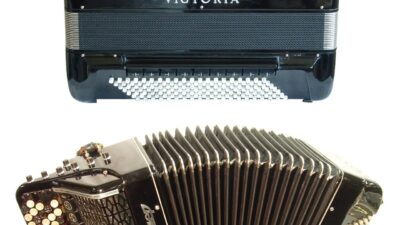
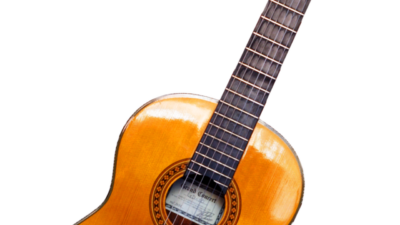
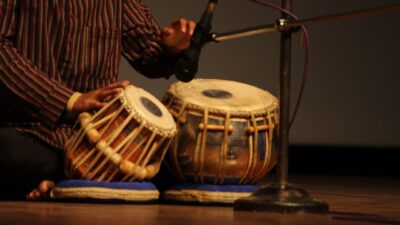
सचिन देव बर्मन हिन्दी फ़िल्म संगीत के महान समन्वयकों में से एक थे — वे बंगाली बाउल लोक-संगीत, राजस्थानी लोक, पश्चिमी जैज़, और शास्त्रीय राग एक ही एल्बम में एक साथ समेट सकते थे। 'ऐ मेरी टोपी' में उन्होंने राग काफ़ी के मिट्टी के, हल्के माइनर स्वरों को चुना और उन्हें पश्चिमी पॉप के अंदाज़ में पेश किया: उछलता अकॉर्डियन, यूरोपीय गली-संगीत की छाप देता गिटार, और तेज़ कहरवा जो गीत को कभी विचार की गति से धीमा नहीं होने देती। सबसे चतुर चुनाव था किशोर कुमार को उनकी ट्रेडमार्क स्वर-चालाकियों — योडल, बोले हुए व्यंग्य, अचानक स्वर-बदलाव — के लिए अवकाश देना।
अंग्रेज़ी में पढ़ें · Read in English
S.D. Burman was one of Hindi film music's great assimilators — he could draw on Bengali baul folk music, Rajasthani folk, Western jazz, and classical raag within a single album. In 'Ae Meri Topi,' he chose the earthy, minor-flavoured scale of Raag Kafi and gave it a distinctly Western pop treatment: an accordion that bounces along, a guitar strumming in a manner that suggests European street music, and a brisk keherwa that keeps the song from ever slowing down to reflection. The brilliant choice was to give Kishore Kumar space for his signature vocal tricks — yodels, spoken asides, sudden changes in register — making the recording as much a performance piece as a song.
काव्य The Poetry
शैलेन्द्र के इस गीत के बोल कुछ दुर्लभ हासिल करते हैं: अपनी सरलता में एक बाल-गीत की तरह काम करते हैं जबकि एक सौम्य दर्शन छुपाते हैं। जिस आदमी की टोपी उड़ गई वह क्रोधित या दुखी नहीं होता — वह स्नेहपूर्वक उसे बुलाता है, उम्मीद करते हुए कि वह पलटकर आएगी। टोपी उन सब चीज़ों की जगह बन जाती है जो हमसे दूर बह जाती हैं: मर्यादा, क़िस्मत, यौवन। गीत के व्यवहार का हल्कापन स्वयं ही दार्शनिक बयान है।
अंग्रेज़ी में पढ़ें · Read in English
Shailendra's lyrics for this song achieve something rare: they work at the level of a nursery rhyme in their simplicity while concealing a gentle philosophy. A man who has lost his hat doesn't rage or grieve — he calls to it affectionately, expecting it to turn around and come back. The hat becomes a stand-in for everything that drifts away from us: dignity, fortune, youth. The lightness of the song's treatment is itself the philosophical statement.
कहानी The Story
'फ़न्टूश' (1956) देव आनंद का उस 'लापरवाह नौजवान' व्यक्तित्व पर हल्का-फुल्का बयान था जो उन्होंने पहले की कई फ़िल्मों में विकसित किया था। सचिन दा देव आनंद-नवकेतन प्रस्तुतियों के पसंदीदा संगीतकार थे, और बर्मन-किशोर का संयोजन — जहाँ बर्मन संगीत देते और किशोर पार्श्वगायन करते — दशक की परिभाषाकारी रचनात्मक साझेदारियों में से एक था। गीत की रिकॉर्डिंग में किशोर कुमार ने बड़ी तेज़ी से टेक पूरे किए — सही कॉमिक स्वर खोजने की उनकी क्षमता स्वाभाविक थी, अभ्यास से नहीं आई।
अंग्रेज़ी में पढ़ें · Read in English
Funtoosh (1956) was Dev Anand's light-hearted take on the 'carefree young man' persona he had developed in several earlier films. S.D. Burman was the composer of choice for the Dev Anand-Navketan productions, and the Burman-Kishore combination — where Burman composed and Kishore sang playback — was one of the defining creative partnerships of the decade. The song was recorded in Bombay with Kishore Kumar reportedly completing the takes with great speed — his ability to find the right comic register was instinctive rather than rehearsed.
विरासत The Legacy
यह गीत स्वर्णिम युग की कॉमिक भावना का एक प्रकार का संकेत-चिह्न बन गया है — संकलनों, टेलीविज़न विज्ञापनों और नॉस्टैल्जिया कार्यक्रमों में इसका प्रकट होना उस काल की विश्वसनीय पहचान है। किशोर कुमार की यहाँ की रिकॉर्डिंग शैली उनके बाद आने वाली गायकों की पीढ़ी पर, विशेष रूप से कॉमिक-चंचल स्वर में, बहुत प्रभावशाली रही। आर.डी. बर्मन ने इस गीत को उन मानकों में से एक के रूप में उल्लेख किया है जो कॉमिक नंबर रचते समय उनके मन में होते थे।
अंग्रेज़ी में पढ़ें · Read in English
The song has become a kind of shorthand for the Golden Era's comic spirit — its appearance in compilations, television commercials, and nostalgia programmes is a reliable indicator of the period it represents. Kishore Kumar's recording style in this song was enormously influential on the generation of singers who came after him, particularly in the comic-playful register. R.D. Burman, S.D. Burman's son, has mentioned this song as one of the benchmarks he held in his mind when composing comic numbers.
वर्गीकरण
Classification- Tempo
- Fast
Genre
अन्य विवरण
More Details- Wikipedia: Funtoosh (1956 film)
- Hindi Film Geet Kosh, Vol. 4, Harmandir Singh Hamraaz
- S.D. Burman discography, Saregama
- Kishore Kumar biography, various sources
References
रोचक तथ्य
Margin Notesकिशोर कुमार शुरुआत में एस.डी. बर्मन की कई रचनाओं के लिए पहली पसंद नहीं थे — संगीतकार अक्सर पहले हेमंत कुमार या मुकेश को आज़माते और किशोर के पास तभी आते जब गीत में विशेष रूप से हास्य-विनोदी रंग चाहिए होता।
अंग्रेज़ी में पढ़ें · Read in English
Kishore Kumar was not initially the first choice for many S.D. Burman compositions — the composer often tried Hemant Kumar or Mukesh first and came to Kishore when the song required a specifically comic-whimsical quality.
1956 के हिंदी फ़िल्म संगीत में इस गीत में एकॉर्डियन का प्रयोग अपेक्षाकृत असामान्य चुनाव था — यूरोपीय सड़क-संगीत से इसके जुड़ाव ने गीत को एक हल्का-सा दुनियादार, महानगरीय रंग दिया, जो देव आनंद की छवि से मेल खाता था।
अंग्रेज़ी में पढ़ें · Read in English
The accordion in this song was a relatively unusual choice for Hindi film music in 1956 — its European street-music associations gave the song a slightly worldly, cosmopolitan character that matched Dev Anand's persona.
कहा जाता है कि शैलेंद्र ने यह गीत एक ही बैठक में लिख डाला और कहा कि गीत मानो अपने-आप लिखा गया — अपनी टोपी को वापस पुकारते आदमी की छवि इतनी सजीव और हास्यप्रद थी कि शब्द बिना किसी मेहनत के उतर आए।
अंग्रेज़ी में पढ़ें · Read in English
Shailendra wrote the lyrics in a single session, reportedly saying that the song wrote itself — the image of a man calling his hat back was so immediately visual and funny that the words came without effort.
यह गीत एस.डी. बर्मन को स्वयं अपनी रचनाओं में सबसे प्रिय था — वे इसे 1970 के दशक तक भी संगीत-समारोहों में गाते रहे।
अंग्रेज़ी में पढ़ें · Read in English
The song was one of S.D. Burman's personal favourites in his own output — he performed it at concerts as late as the 1970s.
नमूना-पट्टी
The Specimen Table| शीर्षक | ऐ मेरी टोपी पलट के आ · Ae Meri Topi Palat Ke Aa |
|---|---|
| वर्ष · युग | 1956 — Golden Era |
| गायक | Kishore Kumar |
| गीतकार | Shailendra |
| संगीतकार | S.D. Burman |
| स्वरूप | एकल पुरुष |
| गति | तेज़ |
| अवधि | 3:05 |
| भाषा | Hindi · Urdu |
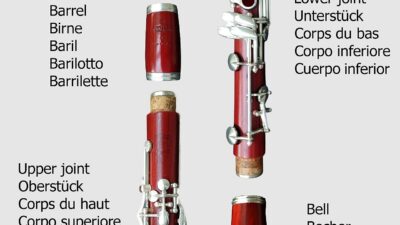
| वाद्य | accordion · guitar · tabla · clarinet |
| भाव | आनंदित · पुरानी यादें · चुलबुला |
| लोकप्रियता | Very_popular |
| बोल-स्थिति | केवल झलक |
जुड़े हुए पन्ने
Connected Plates · The Graph Made Visibleअटलस में कोई पन्ना अकेला नहीं — इस गीत से जुड़े गीत, कलाकार, फ़िल्म, राग-ताल-विधा, सब यहाँ से खुलते हैं।
मिलते-जुलते गीत · Related Songs
कलाकार · The Artists
युग · The Era
साझा कीजिए · Share this Plate
यह पन्ना आगे बढ़ाइए
सचिन दा ने किशोर को एक खेल का मैदान दिया, और किशोर ने उसे एक दुनिया बना दिया।
S.D. Burman gave Kishore a playground, and Kishore turned it into a world.
— R.D. Burman, in a 1987 interview
सवाल-जवाब
Questions & Answers'ऐ मेरी टोपी पलट के आ' का अर्थ क्या है? · What is the meaning of Ae Meri Topi Palat Ke Aa?
इसका अर्थ है 'ओ मेरी टोपी, पलट के आ जा' — उड़ गई टोपी के लिए हास्यपूर्ण गुहार। गीत इस चंचल छवि का उपयोग जीवन की छोटी हानियों के प्रसन्नचित्त स्वीकृति को व्यक्त करने के लिए करता है।
It means 'Oh my hat, turn around and come back' — a comic plea to a hat that has blown away. The song uses this whimsical image to express carefree acceptance of life's small losses.
'फ़न्टूश' का संगीत किसने दिया? · Who composed Funtoosh's music?
संगीत सचिन देव बर्मन ने दिया। किशोर कुमार ने देव आनंद के लिए पार्श्वगायन किया — स्वर्णिम युग की सबसे प्रसिद्ध गायक-अभिनेता जोड़ियों में से एक।
S.D. Burman (Sachin Dev Burman) composed the music. Kishore Kumar sang the playback for Dev Anand — one of the most celebrated singer-actor pairings of the Golden Era.