गीत विंग · गीत-पट्टिका · Song Plate
वहाँ कौन है तेरा
Wahan Kaun Hai Tera
एक नारी हम सबके भीतर के उस अनंत यात्री से कहती है: एक पल यहाँ ठहर, ऐसी छैयाँ दुर्लभ है।
भावअविस्मरणीय · उदास · दार्शनिक · आध्यात्मिक
भाषाHindi · Urdu गतिधीमी स्वरूपएकल महिला
श्रेय
The Creditsबोल · The Lyrics
बोल — झलक · Lyrics Preview
जाएगा कहाँ
दम ले ले घड़ी भर
ये छैयाँ पाएगा कहाँ
Jaayega Kahan
Dam Le Le Ghadi Bhar
Ye Chhaiya Paayega Kahan
कॉपीराइट के कारण केवल झलक — पूरे बोल आधिकारिक मंचों पर।
शब्दकोश
Word Meaningsसूत्र-वाक्य · The Hook
सूत्र-वाक्य
एक नारी हम सबके भीतर के उस अनंत यात्री से कहती है: एक पल यहाँ ठहर, ऐसी छैयाँ दुर्लभ है।
In EnglishA woman sings to the endless traveller in all of us: rest here a moment, for shade like this is rare.
पट्टिका-लेख
The Monographपरिचय Overview
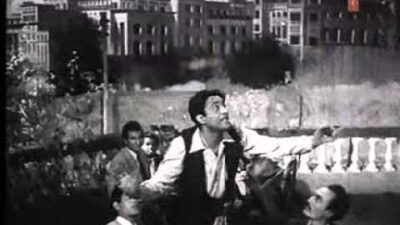
'फ़न्टूश' (1956) का यह गीत सचिन देव बर्मन की सबसे शांत, गहरी रचनाओं में से एक है — एक भटकते पथिक के लिए एक दार्शनिक लोरी जो फ़िल्म के हास्यपूर्ण बाहरी रूप के साथ गहरे विरोधाभास में खड़ी है। लता मंगेशकर ने इसे अपने सबसे संयमित, न्यूनतम स्वर में गाया, शैलेन्द्र के बोल 'मुसाफ़िर' को एक सार्वभौमिक प्रतीक के रूप में सम्बोधित करते हैं, और राग देश के चिंतनशील रंगों में रचा गया यह गीत स्वर्णिम युग की एक अनदेखी उत्कृष्टि है।
अंग्रेज़ी में पढ़ें · Read in English
"Wahan Kaun Hai Tera" from Funtoosh (1956) is one of S.D. Burman's most quietly devastating compositions — a philosophical lullaby for the wanderer that stands in profound contrast to the film's comic surface. Sung by Lata Mangeshkar in her most restrained, minimal mode, with Shailendra's lyrics addressing the musafir (traveller) as a universal symbol for the human soul in transit, and composed in the contemplative colours of Raag Desh, the song is one of the overlooked masterpieces of the Golden Era. It demonstrates that Funtoosh was, beneath its comic energy, a film of genuine philosophical ambition.
संगीत The Music
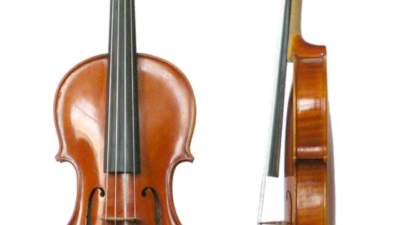
सचिन देव बर्मन ने इस गीत में अपने गहरे प्रभावों को उतारा — राग-आधारित धुन राग देश पर टिकी है, जिसका वर्षा और विरह से सम्बन्ध है, किन्तु बर्मन का व्यवहार शास्त्रीय विस्तार को हटाकर बंगाल के बाउल भटकते-गायक परम्परा की नंगी, सीधी धुन के पक्ष में है। वाद्यसंयोजना लगभग न्यूनतम है: बाँसुरी मुख्य धुन चलाती है, वायलिन मृदु स्वर-रंग देते हैं।
अंग्रेज़ी में पढ़ें · Read in English
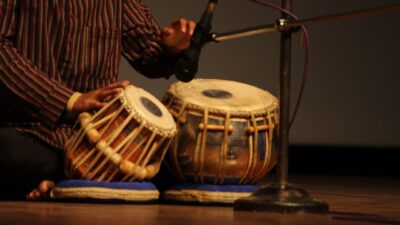
S.D. Burman brought his deepest influences to bear in this song — the raga-based melody draws on Raag Desh, which has associations with the rains and longing, but Burman's treatment strips away classical elaboration in favour of the bare, direct melodic line characteristic of the baul wandering-singer tradition of Bengal. The orchestration is almost minimalist: a flute carries the main melodic line in the interlude, violins provide soft harmonic colour, and the tabla marks the beats with extreme delicacy. The song shows Burman at his most personal — this is the sound of his own philosophical sensibility, not commercial calculation.
काव्य The Poetry
शैलेन्द्र की कविता पूरी तरह मुसाफ़िर को सम्बोधित है — यात्री — जो कविता का 'तुम' बन जाता है, एक ऐसी अंतरंगता पैदा करता है जो सार्वभौमिक लगती है। केंद्रीय छवि (पेड़ की छाँव थके यात्री को विश्राम देती है) भारतीय काव्य में प्राचीन है — कबीर में, उपनिषदों में, लोकगीतों में — और शैलेन्द्र इसे बिना किसी भव्यता के, एक सरल मानवीय प्रस्ताव के रूप में प्रयोग करते हैं।
अंग्रेज़ी में पढ़ें · Read in English
Shailendra's poem is addressed entirely to the musafir — the traveller — who becomes the poem's 'you', creating an intimacy that feels universal. The central image (a tree's shade offering rest to the weary traveller) is ancient in Indian poetry — it appears in Kabir, in the Upanishads, in folk songs — and Shailendra uses it without grandeur, as a simple human offer. The word 'wahan' (there) in the opening question — 'Wahan kaun hai tera?' (Who is waiting for you there?) — is heartbreaking in its simplicity: somewhere ahead, is there anyone waiting?
कहानी The Story
इस गीत और उसी फ़िल्म के 'ऐ मेरी टोपी पलट के आ' के बीच का विरोधाभास 'फ़न्टूश' की असाधारण व्यापकता को दर्शाता है। सचिन दा ने दोनों रचे — एक आनंदमय हास्य-नंबर, दूसरा दार्शनिक ध्यान — यह प्रदर्शित करते हुए कि बर्मन के लिए सबसे पूर्ण एल्बम में बहुलता होनी चाहिए।
अंग्रेज़ी में पढ़ें · Read in English
The contrast between this song and 'Ae Meri Topi Palat Ke Aa' in the same film illustrates the extraordinary range Funtoosh achieved. S.D. Burman composed both — one a joyous comic number, the other a philosophical meditation — demonstrating that for Burman, the most complete albums had to contain multitudes. The song was placed strategically in the film to give emotional depth to what might otherwise have been a purely comic enterprise.
विरासत The Legacy
यह गीत 'फ़न्टूश' के हास्य नंबरों से कम प्रसिद्ध है किन्तु संगीतकारों और संगीत-प्रेमियों द्वारा अत्यंत आदर से देखा जाता है — इसे अक्सर इस बात के उदाहरण के रूप में उद्धृत किया जाता है कि हिन्दी फ़िल्म गीत अपनी सबसे चिंतनशील अवस्था में क्या हासिल कर सकता है।
अंग्रेज़ी में पढ़ें · Read in English
The song is less famous than the comic numbers from Funtoosh but is held in the highest regard by musicians and composers — it is frequently cited as an example of what Hindi film song can achieve at its most contemplative. S.D. Burman's son R.D. Burman cited it as one of his father's most personal compositions.
वर्गीकरण
Classification- Tempo
- Slow
Genre
अन्य विवरण
More Details- Wikipedia: Funtoosh (1956 film)
- Hindi Film Geet Kosh, Vol. 4, Harmandir Singh Hamraaz
- S.D. Burman biography
References
रोचक तथ्य
Margin Notesइस गीत में एस.डी. बर्मन पर बाउल संगीत का प्रभाव साफ़ सुनाई देता है — पथिक (मुसाफ़िर) बाउल दर्शन और बाउल संगीत, दोनों का केंद्रीय चरित्र है, और बर्मन बंगाल में इन्हीं गीतों को सुनते हुए बड़े हुए थे।
अंग्रेज़ी में पढ़ें · Read in English
S.D. Burman's baul influences are directly audible in this song — the wanderer (musafir) is the central figure of baul philosophy as well as baul music, and Burman grew up hearing these songs in Bengal.
हिंदुस्तानी शास्त्रीय परंपरा में राग देस को वर्षा ऋतु और विरह से जोड़ा जाता है — बेघर पथिक पर केंद्रित इस गीत में इसका प्रयोग सटीक और सोच-समझकर किया गया है।
अंग्रेज़ी में पढ़ें · Read in English
Raag Desh is associated in the Hindustani classical tradition with the monsoon and with longing — its use here for a song about the homeless traveller is precise and deliberate.
यात्रा, भटकन और दार्शनिक विषयों पर केंद्रित हिंदी फ़िल्म-संगीत के संकलनों में यह गीत अक्सर शामिल किया जाता है।
अंग्रेज़ी में पढ़ें · Read in English
The song is a favourite for inclusion in compilations about travel, wandering, and philosophical themes in Hindi film music.
नमूना-पट्टी
The Specimen Table| शीर्षक | वहाँ कौन है तेरा · Wahan Kaun Hai Tera |
|---|---|
| वर्ष · युग | 1956 — Golden Era |
| गायक | Lata Mangeshkar |
| गीतकार | Shailendra |
| संगीतकार | S.D. Burman |
| स्वरूप | एकल महिला |
| गति | धीमी |
| अवधि | 4:02 |
| भाषा | Hindi · Urdu |
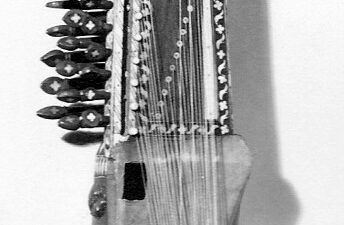
| वाद्य | violin · instrument-flute · tabla · sarangi |
| भाव | अविस्मरणीय · उदास · दार्शनिक · आध्यात्मिक |
| लोकप्रियता | Popular |
| बोल-स्थिति | केवल झलक |
जुड़े हुए पन्ने
Connected Plates · The Graph Made Visibleअटलस में कोई पन्ना अकेला नहीं — इस गीत से जुड़े गीत, कलाकार, फ़िल्म, राग-ताल-विधा, सब यहाँ से खुलते हैं।
मिलते-जुलते गीत · Related Songs
कलाकार · The Artists
युग · The Era
साझा कीजिए · Share this Plate
यह पन्ना आगे बढ़ाइए
बर्मन के मुसाफ़िर गीत हम सब को सम्बोधित हैं जिन्होंने कभी अपने ही जीवन में बेघर महसूस किया हो।
Burman's musafir songs are addressed to all of us who have ever felt homeless inside our own lives.
— Javed Akhtar
सवाल-जवाब
Questions & Answers'वहाँ कौन है तेरा मुसाफ़िर' का क्या अर्थ है? · What does 'Wahan Kaun Hai Tera Musafir' mean?
'वहाँ कौन है तेरा, ओ पथिक?' — एक प्रश्न जो उस सार्वभौमिक मानवीय स्थिति को सम्बोधित करता है जहाँ यात्री के पास न स्पष्ट मंज़िल है न दूसरे छोर पर कोई प्रतीक्षारत।
'Who is waiting for you there, O traveller?' — a question that addresses the universal human condition of the wanderer without a clear destination or anyone waiting at the other end.