गीत विंग · गीत-पट्टिका · Song Plate
ये ज़िंदगी उसी की है
Ye Zindagi Ussi Ki Hai
जहाँ मृत्यु भी प्रेम की शांति को न छीन सके — वह गीत जिसे सुनकर जीना सार्थक लगे।
भावउदास · दार्शनिक · रोमांटिक
भाषाHindi · Urdu गतिधीमी स्वरूपएकल महिला
श्रेय
The Creditsबोल · The Lyrics
बोल — झलक · Lyrics Preview
प्यार ही में खो गया
सांसों में भी तुम्हारा नाम है
pyaar hi mein kho gaya
saanson mein bhi tumhara naam hai
कॉपीराइट के कारण केवल झलक — पूरे बोल आधिकारिक मंचों पर।
शब्दकोश
Word Meaningsसूत्र-वाक्य · The Hook
सूत्र-वाक्य
जहाँ मृत्यु भी प्रेम की शांति को न छीन सके — वह गीत जिसे सुनकर जीना सार्थक लगे।
In EnglishA song so certain of love's redeeming power that even death cannot diminish its serenity.
पट्टिका-लेख
The Monographपरिचय Overview
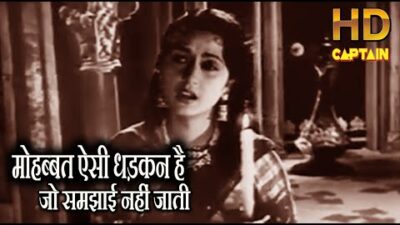
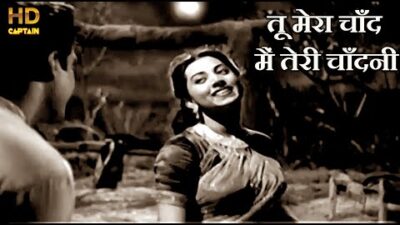
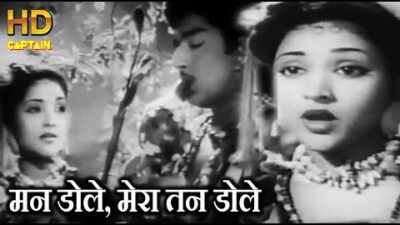
"ये ज़िंदगी उसी की है" — अनारकली (1954) का यह गीत हिंदी सिनेमा के स्वर्णिम युग की सबसे दार्शनिक रचनाओं में से एक है। संगीतकार सी. रामचंद्र ने इसे रचा, शैलेंद्र ने बोल लिखे, और लता मंगेशकर ने अभिनेत्री बीना राय के लिए पार्श्वगान किया। निर्देशक नंदलाल जसवंतलाल की इस मुग़ल प्रेम-गाथा में यह गीत उस क्षण का प्रतीक बन गया जब अनारकली जानती है कि उसका अंत निकट है, फिर भी उसके होंठों पर प्यार की स्वीकृति है, शिकायत नहीं। एचएमवी पर जारी यह गीत सात दशकों से श्रोताओं के मन में ज़िंदा है — लता की आवाज़ में वह मधुर वेदना है जो दिल को भिगोती है, तोड़ती नहीं।
अंग्रेज़ी में पढ़ें · Read in English
"Ye Zindagi Ussi Ki Hai" from Anarkali (1954) is one of the most philosophically luminous songs in Hindi cinema's Golden Era. Composed by C. Ramchandra and written by Shailendra, it was sung by Lata Mangeshkar as playback for actress Bina Rai in the doomed Mughal romance directed by Nandlal Jaswantlal. Released on HMV, the song captured the bittersweet doctrine that life finds its fullest meaning only in the act of giving oneself completely to another — a sentiment that resonated far beyond its period setting. Lata's voice moves through the melody with the aching restraint of someone who knows the end is near, yet refuses to mourn. The arrangement, with violin and sarangi weaving around each other, gives the song a timeless, ceremonial quality that has made it a staple of classic film compilations for seven decades.
संगीत The Music
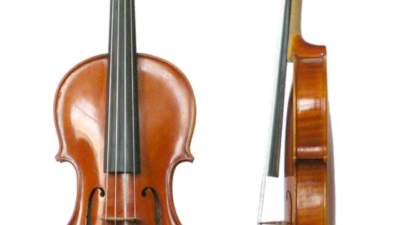
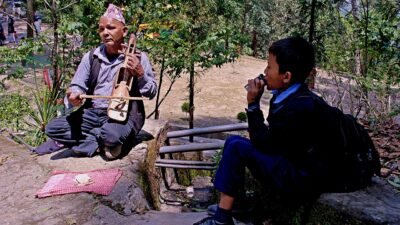
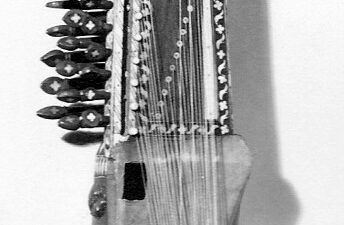
सी. रामचंद्र ने इस गीत की धुन में एक दुर्लभ सादगी बरती है — ऐसी धुन जो सुनते ही लगती है मानो हमेशा से अस्तित्व में थी, बस आज सुनाई दी। वाद्य-संयोजन में सारंगी और बेला एक-दूसरे से बात करती हैं, जैसे मुग़ल दरबार के किसी संगीत-मंडप में दो रागिनियाँ मिल रही हों। लता की आवाज़ में कोई बड़बोलापन नहीं — वे स्वरों के बीच की ख़ामोशी में दर्द रखती हैं। हारमोनियम की मद्धम संगत और तबले की दादरा थाप मिलकर उस ताल की रचना करते हैं जो सुनने वाले को सांस रोकने पर मजबूर कर दे। सी. रामचंद्र का यह हुनर था कि भावुकता कभी अश्रु-प्रवाह में न बदले — बस मन को भिगो जाए।
अंग्रेज़ी में पढ़ें · Read in English
C. Ramchandra, known for his melodic inventiveness, composed this song with a deceptively simple architecture — a flowing melody that feels inevitable, as if it always existed and was merely waiting to be discovered. The arrangement foregrounds the violin and sarangi in counterpoint, evoking the courtly music of the Mughal era without resorting to historicist pastiche. Lata Mangeshkar's interpretation is a masterclass in controlled emotion: she does not emote loudly but allows the spaces between notes to carry the grief. The slow tempo (probable Dadra) gives each syllable room to breathe and resonate. The harmonic progression is straightforward but the ornamentation — the tiny meend and gamak in the upper register — gives the song its classical soul. C. Ramchandra's genius was in keeping sentiment from tipping into sentimentality, and this song is perhaps his finest example of that restraint.
काव्य The Poetry
शैलेंद्र ने एक पंक्ति में प्रेम का पूरा दर्शन उतार दिया: 'ये ज़िंदगी उसी की है जो किसी का हो गया।' यह एक बौद्ध-सी उलटबांसी है — जो अपनी जान प्रेम में दे दे, उसी की जान सार्थक है। 'साँसों में भी तुम्हारा नाम है' — श्वास को स्मरण में बदल देना, यह शैलेंद्र की काव्य-शक्ति का चरम है। वे यहाँ प्रेम के उस मंद, अटल रूप की बात करते हैं जो दाह नहीं, दीपक है — जलता रहता है, बुझता नहीं। इस गीत में उनकी कलम ने वह सीमा छुई जहाँ कविता और ध्यान एक हो जाते हैं।
अंग्रेज़ी में पढ़ें · Read in English
Shailendra distilled an entire philosophy of love into a single line: 'Ye zindagi ussi ki hai jo kisi ka ho gaya' — this life belongs to one who has given themselves entirely to someone else. The paradox is Buddhist in its depth: you only truly possess your life when you relinquish it in love. The imagery is intimate — 'साँसों में भी तुम्हारा नाम है' (even in my breath, your name lives) — turning the act of breathing into an act of remembrance. Shailendra, the poet of the poor and the lovestruck, here reaches his most metaphysically assured register, writing not of passion's fire but of love's quiet eternity.
कहानी The Story
अनारकली (1954) में सलीम और अनारकली की उस अमर प्रेमकथा को परदे पर जीवंत किया गया जिसे मुग़ल इतिहास ने कभी दफ़न किया था। बीना राय ने अनारकली का किरदार निभाया और प्रदीप कुमार सलीम बने। निर्देशक नंदलाल जसवंतलाल चाहते थे कि संगीत महज़ पृष्ठभूमि न हो — हर गीत एक दृश्य की भूमिका निभाए। सी. रामचंद्र ने 'ये ज़िंदगी उसी की है' को उस क्षण के लिए बनाया जब अनारकली को अपना भाग्य पता चल चुका है और वह भीतर से टूटने की बजाय प्यार की शांति में समा जाती है। डबिंग के वक़्त इस गीत ने रिकॉर्डिंग स्टूडियो में उपस्थित कई लोगों की आँखें भिगो दी थीं।
अंग्रेज़ी में पढ़ें · Read in English
Anarkali (1954) retold the timeless Mughal legend of Prince Salim's forbidden love for the court dancer Anarkali, who was condemned to be walled alive by Emperor Akbar. Director Nandlal Jaswantlal cast Bina Rai in the title role, with Pradeep Kumar as Salim. When C. Ramchandra was brought in to compose the music, he decided that each song must carry the emotional weight of a scene in itself — not merely background. 'Ye Zindagi Ussi Ki Hai' was placed at a moment of quiet acceptance, when Anarkali's fate is sealed and she turns inward to the truth of her love. The song reportedly moved crew members to tears during the dubbing session. Lata Mangeshkar, already at the height of her powers, said of C. Ramchandra's melodies that they gave her 'room to breathe and room to soar.'
विरासत The Legacy
सात दशकों से 'ये ज़िंदगी उसी की है' उन लोगों के मन में बसा है जो मानते हैं कि स्वर्णिम युग के हिंदी सिनेमा ने संगीत, काव्य और कथा का जो संगम रचा, वह आज दुर्लभ है। यह गीत 'सर्वश्रेष्ठ पुराने गीत' संकलनों में नियमित स्थान पाता है और अनगिनत गायकों ने इसे अपनी श्रद्धांजलि-स्वर में गाया है। महफ़िलों में आज भी यह गीत जब छिड़ता है तो कमरे में एक पवित्र ख़ामोशी छा जाती है। लता मंगेशकर ने इसे अपने प्रिय गीतों में गिना था। यह गीत याद दिलाता है कि जब कविता, संगीत और अभिनय एकसाथ अपने उत्कर्ष पर हों तो परिणाम कालजयी हो जाता है।
अंग्रेज़ी में पढ़ें · Read in English
Over seven decades since its release, 'Ye Zindagi Ussi Ki Hai' has remained a touchstone for those who believe that classical Hindi cinema achieved something that contemporary cinema rarely approaches: a union of music, poetry, and narrative so complete that the song can stand alone as a philosophical statement. It is regularly featured in 'Best of Golden Era' compilations and has been covered by numerous artists. The philosophy of the song — that life only gains meaning through complete surrender to love — has resonated across generations and cultures far beyond the specific Mughal setting of the film. It remains a favourite at intimate mehfil-style gatherings, and Lata Mangeshkar herself counted it among her cherished recordings.
वर्गीकरण
Classification- Tempo
- Slow
Genre
अन्य विवरण
More Details- Wikipedia: Anarkali (1954 film) — https://en.wikipedia.org/wiki/Anarkali_(1954_film)
- Hindi Film Geet Kosh, Vol. 3 (1951-1960), Harmandir Singh 'Hamraaz'
- Lata Mangeshkar discography, Saregama India Ltd
- Wikipedia: C. Ramchandra — https://en.wikipedia.org/wiki/C._Ramchandra
- Wikipedia: Shailendra (lyricist) — https://en.wikipedia.org/wiki/Shailendra_(lyricist)
References
रोचक तथ्य
Margin Notesफ़िल्म अनारकली (1954) इतनी लोकप्रिय हुई कि यह पूरे भारत के प्रमुख सिनेमाघरों में 50 से अधिक हफ़्तों तक चली।
अंग्रेज़ी में पढ़ें · Read in English
The film Anarkali (1954) was so popular it ran for 50+ weeks at major cinemas across India.
सी. रामचंद्र ने हास्य भूमिकाओं (हास्य-गायक चितलकर के रूप में) और गंभीर ऐतिहासिक फ़िल्मों — दोनों के लिए संगीत रचा; अनारकली में उनकी रेंज अपने सबसे व्यापक रूप में दिखी।
अंग्रेज़ी में पढ़ें · Read in English
C. Ramchandra composed music for both comic roles (as Chitalkar the comedian-singer) and serious period dramas — Anarkali showed his range at its widest.
बीना राय के अनारकली के चित्रण ने उन्हें 1950 के दशक की सबसे प्रशंसित अभिनेत्रियों में से एक बना दिया, और फ़िल्म का संगीत उनकी छवि से अभिन्न रूप से जुड़ गया।
अंग्रेज़ी में पढ़ें · Read in English
Bina Rai's portrayal of Anarkali made her one of the most celebrated actresses of the 1950s, and the film's music was inseparable from her image.
शैलेंद्र की पंक्ति 'ये ज़िंदगी उसी की है जो किसी का हो गया' को हिंदी साहित्य और फ़िल्मों में एक स्वतंत्र दार्शनिक कथन के रूप में उद्धृत किया जाता रहा है।
अंग्रेज़ी में पढ़ें · Read in English
Shailendra's lyric 'ye zindagi ussi ki hai jo kisi ka ho gaya' has been quoted in Hindi literature and films as a standalone philosophical statement.
इस फ़िल्म ने कम से कम दो बाद के पुनर्निर्माणों को प्रेरित किया, और अनारकली की किंवदंती दशकों तक हिंदी सिनेमा का पसंदीदा विषय बनी रही।
अंग्रेज़ी में पढ़ें · Read in English
The film inspired at least two later remakes and the legend of Anarkali remained a favourite subject for Hindi cinema for decades.
नमूना-पट्टी
The Specimen Table| शीर्षक | ये ज़िंदगी उसी की है · Ye Zindagi Ussi Ki Hai |
|---|---|
| वर्ष · युग | 1954 — Golden Era |
| गायक | Lata Mangeshkar |
| गीतकार | Shailendra |
| संगीतकार | C. Ramchandra |
| स्वरूप | एकल महिला |
| गति | धीमी |
| अवधि | 3:45 |
| भाषा | Hindi · Urdu |
| वाद्य | violin · harmonium · tabla · sarangi |
| भाव | उदास · दार्शनिक · रोमांटिक |
| लोकप्रियता | Very_popular |
| बोल-स्थिति | केवल झलक |
जुड़े हुए पन्ने
Connected Plates · The Graph Made Visibleअटलस में कोई पन्ना अकेला नहीं — इस गीत से जुड़े गीत, कलाकार, फ़िल्म, राग-ताल-विधा, सब यहाँ से खुलते हैं।
मिलते-जुलते गीत · Related Songs
कलाकार · The Artists
युग · The Era
साझा कीजिए · Share this Plate
यह पन्ना आगे बढ़ाइए
ये ज़िंदगी उसी की है जो किसी का हो गया।
Life belongs only to one who has given themselves entirely to someone else.
— Shailendra, Anarkali (1954)
सवाल-जवाब
Questions & Answers"ये ज़िंदगी उसी की है" किस फ़िल्म का गीत है? · Which film is 'Ye Zindagi Ussi Ki Hai' from?
यह गीत 1954 की हिंदी फ़िल्म 'अनारकली' से है, जो मुग़ल कथा पर आधारित थी। इसे निर्देशक नंदलाल जसवंतलाल ने बनाया और संगीत सी. रामचंद्र ने दिया।
It is from Anarkali (1954), the Hindi film based on the Mughal legend of Anarkali and Prince Salim, directed by Nandlal Jaswantlal. The music was composed by C. Ramchandra.
"ये ज़िंदगी उसी की है" किसने गाया? · Who sang 'Ye Zindagi Ussi Ki Hai'?
इस गीत को लता मंगेशकर ने पार्श्वगान किया था। परदे पर यह आवाज़ अभिनेत्री बीना राय (अनारकली) की थी।
The song was sung by Lata Mangeshkar as playback for actress Bina Rai, who played the title role of Anarkali in the 1954 film.
"ये ज़िंदगी उसी की है" का अर्थ क्या है? · What is the meaning of 'Ye Zindagi Ussi Ki Hai'?
शीर्षक का अर्थ है — 'यह जीवन उसी का है जो किसी का हो गया।' शैलेंद्र ने इस एक पंक्ति में प्रेम में स्वयं को खो देने के दर्शन को समेट दिया है।
The title means 'This life belongs to one who has given themselves to someone else' — a poetic statement by lyricist Shailendra that life finds its deepest meaning through selfless love.
अनारकली (1954) का संगीत किसने दिया था? · Who composed the music for Anarkali (1954)?
अनारकली (1954) का संगीत सी. रामचंद्र ने दिया, जिन्हें चित्तलकर या अन्ना साहब रामचंद्र के नाम से भी जाना जाता है। वे स्वर्णिम युग के सबसे बहुमुखी संगीतकारों में थे।
The music for Anarkali (1954) was composed by C. Ramchandra, also known as Chitalkar or Anna Saheb Ramchandra. He was one of the most versatile composers of the Golden Era.