गीत विंग · गीत-पट्टिका · Song Plate
हज़ारों ख्वाहिशें ऐसी
Hazaaron Khwahishein Aisi
वह ग़ज़ल जहाँ हर ख्वाहिश पर दम निकलने की आरज़ू थी — और फिर भी हज़ारों बाक़ी रहीं।
भावमीठा-कड़वा · अविस्मरणीय · उदास · दार्शनिक
भाषाUrdu · Persian · Arabic (loan words) गतिधीमी स्वरूपएकल महिला
श्रेय
The Creditsबोल · The Lyrics
पूरे बोल · Full Lyrics
बहुत निकले मेरे अरमान लेकिन फिर भी कम निकले
निकलना ख़ुल्द से आदम का सुनते आए हैं लेकिन
बहुत बेआबरू होकर तेरे कूचे से हम निकले
मोहब्बत में नहीं है फ़र्क़ जीने और मरने का
उसी को देख कर जीते हैं जिस काफ़िर पे दम निकले
ख़ुदा के वास्ते पर्दा न काबे का उठा ज़ालिम
कहीं ऐसा न हो यहाँ भी वही काफ़िर सनम निकले
कहाँ मय-ख़ाने का दरवाज़ा ग़ालिब और कहाँ वाइज़
पर इतना जानते हैं कल वो जाता था कि हम निकले
Bahut nikle mere armaan lekin phir bhi kam nikle
Nikalna khuld se Adam ka sunte aaye hain lekin
Bahut be-aabroo hokar tere kuche se hum nikle
Mohabbat mein nahin hai farq jeene aur marne ka
Usi ko dekh kar jeete hain jis kaafir pe dam nikle
Khudaa ke waaste parda na Kaabe ka utha zaalim
Kahin aisa na ho yahaan bhi wahi kaafir sanam nikle
Kahaan may-khaane ka darwaaza Ghalib aur kahaan waaiz
Par itna jaante hain kal wo jaata tha ki hum nikle
So many longings I carried, yet so few were fulfilled.
We have heard the tale of Adam driven from paradise —
But how much more dishonoured we left your street.
In love there is no difference between living and dying —
We live only to gaze upon that infidel for whom we would die.
For the sake of God, do not lift the veil of the Kaaba, tyrant —
Lest the same pagan idol be revealed within.
Far is the wine-house door from where Ghalib stands, and farther the preacher —
But we know this much: yesterday he was heading there as we were leaving.
शब्दकोश
Word Meaningsसूत्र-वाक्य · The Hook
सूत्र-वाक्य
वह ग़ज़ल जहाँ हर ख्वाहिश पर दम निकलने की आरज़ू थी — और फिर भी हज़ारों बाक़ी रहीं।
In EnglishThe ghazal where every desire was worth dying for — and there were still thousands left unfulfilled.
पट्टिका-लेख
The Monographपरिचय Overview
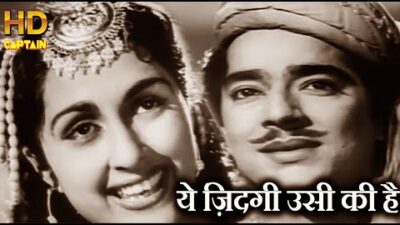
"हज़ारों ख्वाहिशें ऐसी" हिंदी सिनेमा की ग़ज़ल-परंपरा में सबसे ऊँचे स्थान पर विराजमान रचनाओं में से एक है। ग़ुलाम मोहम्मद के संगीत में और सोहराब मोदी की राष्ट्रीय पुरस्कार-विजेता फ़िल्म 'मिर्ज़ा ग़ालिब' (1954) के लिए सुरैया ने यह ग़ज़ल गाई — वे स्वयं भी इस फ़िल्म में अभिनेत्री थीं। उन्नीसवीं सदी के शायर मिर्ज़ा ग़ालिब के इस अमर शेर को सुरैया ने जिस संयम और गहराई से गाया, वह इस रिकॉर्डिंग को आज भी सभी बाद के संस्करणों की कसौटी बनाता है। HMV पर प्रकाशित यह गीत ग़ालिब की कविता का सार है — अनगिनत ख्वाहिशें, हर एक पर दम निकलने की आरज़ू, और फिर भी सब मिला के कम। ग़ुलाम मोहम्मद की धीमी, हारमोनियम-प्रधान धुन शास्त्रीय ग़ज़ल की परंपरा का सम्मान करते हुए फ़िल्मी ऑर्केस्ट्रेशन की ऊष्मा भी समेटती है।
अंग्रेज़ी में पढ़ें · Read in English
"Hazaaron Khwahishein Aisi" is among the most celebrated ghazals in the Hindi film canon, set to music by Ghulam Mohammed for Sohrab Modi's National Award-winning Mirza Ghalib (1954). Suraiya — who both acted in the film and gave its definitive vocal performances — renders Mirza Ghalib's 19th-century Urdu verse with a restraint and feeling that made this recording the standard by which all subsequent versions are measured. Released on the HMV label, the song distils Ghalib's signature art: the lover cataloguing an infinite list of desires, each worth dying for, and yet finding that even after countless deaths the total barely registers. Ghulam Mohammed's slow, harmonium-led arrangement honours the classical ghazal form while adding the warmth of a film orchestration, placing this song at the beautiful boundary between classical performance and popular cinema.
संगीत The Music
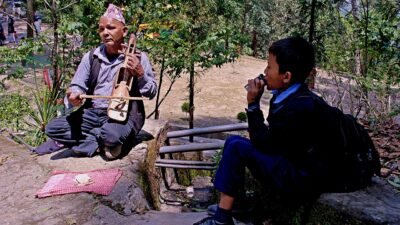
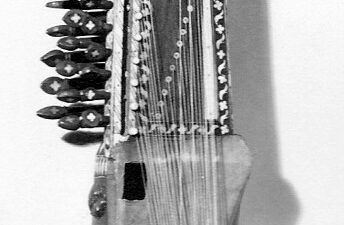
मिर्ज़ा ग़ालिब (1954) के लिए ग़ुलाम मोहम्मद की संगीत-रचना शास्त्रीय ग़ज़ल के प्रति संयम और निष्ठा का आदर्श उदाहरण है। रचना धीमी, बे-जल्दबाज़ी की गति से बढ़ती है — हर शेर को अपनी जगह पाने और श्रोता के मन में उतरने का पूरा मौक़ा मिलता है। हारमोनियम उत्तर भारतीय शास्त्रीय-उपशास्त्रीय परंपरा का विश्वस्त साथी है; सारंगी उस विशिष्ट ऊष्म-नरम आवाज़ की परत बिछाती है जो हिंदुस्तानी संगीत को सदियों की भावनाओं से जोड़ती है; तबला दादरा या कहरवा की धीमी थाप से स्वर-लड़ी को कभी दबाए बिना साथ चलता है। सुरैया की आवाज़ उस दौर की पार्श्वगायिकाओं में विलक्षण थी — एक साधी हुई, गर्म अल्टो जिसमें ग़ज़ल के बारीक तकाज़े थे: मींड, गमक, और भावात्मक रूप से महत्वपूर्ण शब्दांशों पर वह सूक्ष्म बल जो ग़ज़ल को ग़ज़ल बनाता है। इस रचना में भैरवी राग की स्वर-छाया महसूस होती है — विदाई, अंत और अधूरी तड़प का राग।
अंग्रेज़ी में पढ़ें · Read in English
Ghulam Mohammed's musical setting of Ghalib's ghazal for Mirza Ghalib (1954) is a model of restraint and fidelity to the classical ghazal form. The composition moves at a measured, unhurried pace — each sher (couplet) given space to breathe and land. The harmonium, a constant companion in the North Indian classical and semi-classical tradition, anchors the melody; the sarangi adds the distinctive reedy warmth that makes Hindustani vocal music resonate across centuries of feeling; the tabla keeps a gentle Dadra or Keherwa pulse that never overwhelms the vocal line. Suraiya's voice was unusual among playback singers of her era — a trained, warm alto with natural control of the nuances required by ghazal performance: the meend (glide between notes), the gamak (oscillation), the subtle emphasis on emotionally weighted syllables. She sings Ghalib's words as though she composed them yesterday: there is no sense of costume or period distance in her rendering, only the immediate truth of desire and its endless inadequacy. The composition is believed to draw on the scales associated with Raag Bhairavi — the raag of farewell, of endings and longings that never quite resolve.
काव्य The Poetry
"हज़ारों ख्वाहिशें ऐसी" ग़ालिब की सबसे प्रसिद्ध ग़ज़लों में से एक है और इसकी प्रसिद्धि पहले शेर की उस तर्क-विरोधी विडंबना पर टिकी है जो दिल को बेध देती है: शायर को बस एक ख्वाहिश नहीं, हज़ारों ख्वाहिशें हैं — हर एक इतनी भारी कि उस पर दम निकल जाए। और इतनी सारी पूरी होने के बाद भी अधूरी ख्वाहिशों का हिसाब कम नहीं होता। ग़ालिब की काव्य-युक्ति है व्यंग्यपूर्ण संचय: प्रेमी अनगिनत बार ख्वाहिशों पर मर चुका है, फिर भी यह अधिकता हर मृत्यु को अपर्याप्त बना देती है। दूसरे शेर में विडंबना और तीखी होती है — प्रेमी अपनी हालत की तुलना जन्नत से निकाले गए आदम से करता है, पर कहता है कि तेरे कूचे से हम कहीं ज़्यादा बेआबरू होकर निकले। आख़िरी शेर में — जहाँ शायर अपना नाम लेता है — एक कड़वी मुस्कुराहट है: मयख़ाना ग़ालिब से उतना ही दूर है जितना उपदेशक, पर कल उपदेशक उसी तरफ़ जाते देखे गए। पूरी ग़ज़ल उस इंसान की साँस लेती है जिसने हर पवित्र और अपवित्र दिखावे को भेद कर देखा हो।
अंग्रेज़ी में पढ़ें · Read in English
"Hazaaron Khwahishein Aisi" is among the most celebrated of Ghalib's ghazals, and its fame rests on the opening sher's devastatingly paradoxical logic: the poet has not merely one wish but thousands, each desire so overwhelming that he would die to fulfil it — and yet after fulfilling so many, the count of unfulfilled longings remains inexhaustible. Ghalib's poetic strategy is ironic accumulation: the lover has already 'died' for desire countless times, yet this very excess makes each death feel insufficient. The second sher escalates the irony by comparing the lover's state to Adam's expulsion from paradise — but the lover's departure from the beloved's street was far more shameful than Adam's from Eden. The final sher — the maqta, where the poet names himself — turns on a wry observation: the wine-house is as far from where Ghalib stands as the preacher is from it, yet Ghalib knows the preacher was spotted heading there yesterday. The entire ghazal breathes the air of a man who has seen through every convention — sacred and profane — and found both equally powerless before the fact of desire.
कहानी The Story
सोहराब मोदी की 'मिर्ज़ा ग़ालिब' (1954) पचास के दशक में बनाई गई सबसे महत्वाकांक्षी साहित्यिक जीवनी-फ़िल्मों में से एक थी। मोदी ने — जो पहले से ही अपनी भव्य, रंगमंच-प्रेरित शैली के लिए जाने जाते थे — इस फ़िल्म के लिए ग़ालिब के विद्वानों से परामर्श लिया और ऐसी ग़ज़लें चुनीं जो परदे पर भी जीवंत लग सकें। फ़िल्म में भारत भूषण ग़ालिब की भूमिका में थे और सुरैया उस स्त्री की — जिसकी आवाज़ शायर के शब्दों को जीवन देगी। सुरैया का चुनाव सार्थक था: वे अपने करियर के शीर्ष पर थीं, बचपन से संगीत में प्रशिक्षित और शास्त्रीय ग़ज़ल-शैली से स्वाभाविक जुड़ाव रखने वाली। फ़िल्म की ग़ज़लें ग़ुलाम मोहम्मद ने संगीतबद्ध कीं और HMV के बम्बई स्टूडियो में रिकॉर्ड की गईं। 'मिर्ज़ा ग़ालिब' (1954) ने हिंदी में सर्वश्रेष्ठ फ़ीचर फ़िल्म का पहला राष्ट्रीय पुरस्कार जीता। इस फ़िल्म को ग़ालिब की कविता को उन लोगों तक पहुँचाने का श्रेय जाता है जिन्होंने कभी किसी अन्य माध्यम से उसे पढ़ा या सुना नहीं होता।
अंग्रेज़ी में पढ़ें · Read in English
Sohrab Modi's Mirza Ghalib (1954) was one of the most ambitious literary biopics produced by Bollywood in the 1950s. Modi — already known for his theatrical, grand-scale productions — spent considerable time on research, consulting Ghalib scholars and selecting ghazals that would work on screen. The film starred Bharat Bhushan as Ghalib and Suraiya as the woman whose voice would carry the poet's words. The choice of Suraiya was significant: she was at the peak of her career, trained in music from childhood, and possessed a natural affinity for the classical ghazal form. The ghazals in the film were set to music by Ghulam Mohammed, a composer known for his work on several major productions, and recorded with the orchestral resources available at HMV's Bombay studios. Mirza Ghalib (1954) won the National Film Award for Best Feature Film in Hindi, the first such award given. The film is credited with bringing Ghalib's poetry to a mass audience who might never have encountered it in any other form, cementing the ghazal's place in popular Hindi culture.
विरासत The Legacy
"हज़ारों ख्वाहिशें ऐसी" का भारतीय संस्कृति में एक असाधारण अगला जीवन रहा है। यह ग़ज़ल भारत की लगभग हर प्रमुख शास्त्रीय और उपशास्त्रीय गायिका ने गाई है: बेगम अख़्तर (जिनका संस्करण सुरैया की फ़िल्मी रिकॉर्डिंग जितना ही प्रसिद्ध हुआ) से लेकर जगजीत सिंह तक, जिन्होंने इसे अस्सी के दशक में नई पीढ़ी तक पहुँचाया। गुलज़ार की 2004 की फ़िल्म 'हज़ारों ख्वाहिशें ऐसी' अपना शीर्षक सीधे इसी पहली पंक्ति से लेती है — ख्वाहिश और मोहभंग की इस भावना को राजनीतिक आदर्शवाद की कहानी का आधार बनाती है। "हज़ारों ख्वाहिशें ऐसी" वाक्यांश हिंदी-उर्दू में आम बोलचाल में उतर आया है — लोग इसे तब इस्तेमाल करते हैं जब असंख्य और फिर भी अपर्याप्त लगने वाली ख्वाहिशों की बात करनी हो। स्ट्रीमिंग के इस दौर में सुरैया की 1954 की रिकॉर्डिंग को बिल्कुल नए श्रोता मिले हैं जो ग़ालिब को पहले-पहल इसी फ़िल्म के ज़रिए जानते हैं।
अंग्रेज़ी में पढ़ें · Read in English
"Hazaaron Khwahishein Aisi" has had a remarkable afterlife across Indian culture. The ghazal has been performed by virtually every major classical and light-classical vocalist in India: from Begum Akhtar (whose version became almost as iconic as Suraiya's film recording) to Jagjit Singh, who brought it to a new generation in the 1980s. Gulzar's 2004 film Hazaaron Khwaishein Aisi takes its title directly from this first line, using the ghazal's spirit of desire and disillusionment to frame a story of political idealism. The line "हज़ारों ख्वाहिशें ऐसी" has entered Hindi-Urdu everyday language as a phrase — people use it to describe any catalogue of wishes that feel simultaneously infinite and insufficient. In the streaming era, Suraiya's 1954 recording has found entirely new audiences who discover Ghalib through the film. The song stands as proof that cinema can be the best medium for bringing classical poetry to a popular audience.
वर्गीकरण
Classification- Tempo
- Slow
Genre
अन्य विवरण
More Details- Wikipedia: Mirza Ghalib (film) — https://en.wikipedia.org/wiki/Mirza_Ghalib_(1954_film)
- Wikipedia: Suraiya — https://en.wikipedia.org/wiki/Suraiya
- Wikipedia: Ghulam Mohammed (composer) — https://en.wikipedia.org/wiki/Ghulam_Mohammed_(composer)
- Wikipedia: Mirza Ghalib — https://en.wikipedia.org/wiki/Mirza_Ghalib
- 1st National Film Awards (1954) — https://en.wikipedia.org/wiki/1st_National_Film_Awards
- Hindi Film Geet Kosh Vol. 3 (1954 entries) — Har Mandir Singh 'Hamraaz'
- Saregama official catalogue for Mirza Ghalib (1954 soundtrack)
References
रोचक तथ्य
Margin Notesमिर्ज़ा ग़ालिब (1954) ने सर्वश्रेष्ठ हिंदी फ़ीचर फ़िल्म का राष्ट्रीय फ़िल्म पुरस्कार जीता — यह पुरस्कार पहली बार 1954 के उद्घाटन राष्ट्रीय फ़िल्म पुरस्कार समारोह में दिया गया था।
अंग्रेज़ी में पढ़ें · Read in English
Mirza Ghalib (1954) won the National Film Award for Best Feature Film in Hindi — the first time this award was given at the inaugural National Film Awards ceremony in 1954.
सुरैया अपने दौर की उन चंद हिंदी फ़िल्म अभिनेत्रियों में से एक थीं जिन्होंने अपना प्लेबैक ख़ुद गाया — मिर्ज़ा ग़ालिब में उन्होंने अभिनय और गायन दोनों निभाए, जिससे आवाज़ और छवि के बीच एक निर्बाध एकता बनी।
अंग्रेज़ी में पढ़ें · Read in English
Suraiya was one of the very few Hindi film actresses of her era who sang her own playback — in Mirza Ghalib, she performed both the acting role and the singing, creating a seamless unity between voice and image.
मिर्ज़ा ग़ालिब (कवि) का निधन 1869 में हुआ था, जिससे उनकी सारी शायरी कम से कम 20वीं सदी की शुरुआत से ही सार्वजनिक डोमेन में आ चुकी है — इसलिए यह फ़िल्म एक दुर्लभ उदाहरण है जहाँ किसी बड़ी हिंदी फ़िल्म-निर्माण के गीत पूरी तरह कॉपीराइट से मुक्त हैं।
अंग्रेज़ी में पढ़ें · Read in English
Mirza Ghalib (the poet) died in 1869, making all his poetry public domain since at least the early 20th century — the film is thus a rare example of a major Hindi production where the lyrics are entirely free of copyright.
महान ठुमरी और ग़ज़ल गायिका बेगम अख़्तर कथित तौर पर सुरैया की इस ग़ज़ल की प्रस्तुति से गहरे प्रभावित हुई थीं, और उन्होंने इसे एक ऐसी फ़िल्म गायिका के उदाहरण के रूप में सराहा जो शास्त्रीय स्वरूप को सचमुच समझती थी।
अंग्रेज़ी में पढ़ें · Read in English
Begum Akhtar, the great thumri and ghazal singer, is said to have been deeply moved by Suraiya's rendering of this ghazal, praising it as an example of a film singer who truly understood classical form.
गुलज़ार ने अपनी 2004 की राजनीतिक फ़िल्म 'हज़ारों ख़्वाहिशें ऐसी' का नाम इसी पहली पंक्ति पर रखा था, और ग़ालिब की अतृप्त इच्छा की छवि को अपनी पीढ़ी के कुचले हुए आदर्शवाद के लिए सटीक रूपक बताया।
अंग्रेज़ी में पढ़ें · Read in English
Gulzar named his 2004 political drama 'Hazaaron Khwaishein Aisi' after this very first line, citing Ghalib's image of unquenchable desire as the perfect metaphor for the crushed idealism of his generation.
पुरस्कार
The Honoursनमूना-पट्टी
The Specimen Table| शीर्षक | हज़ारों ख्वाहिशें ऐसी · Hazaaron Khwahishein Aisi |
|---|---|
| वर्ष · युग | 1954 — Golden Era |
| गायक | Suraiya |
| गीतकार | Mirza Ghalib |
| संगीतकार | Ghulam Mohammed |
| स्वरूप | एकल महिला |
| गति | धीमी |
| अवधि | circa 4:30 |
| भाषा | Urdu · Persian · Arabic (loan words) |
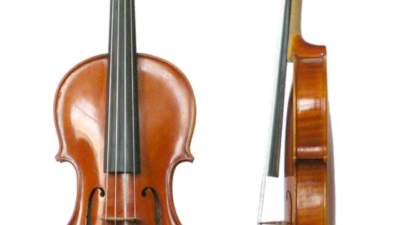
| वाद्य | harmonium · sarangi · tabla · violin |
| भाव | मीठा-कड़वा · अविस्मरणीय · उदास · दार्शनिक |
| लोकप्रियता | Legendary |
| बोल-स्थिति | कॉपीराइट समाप्त |
जुड़े हुए पन्ने
Connected Plates · The Graph Made Visibleअटलस में कोई पन्ना अकेला नहीं — इस गीत से जुड़े गीत, कलाकार, फ़िल्म, राग-ताल-विधा, सब यहाँ से खुलते हैं।
मिलते-जुलते गीत · Related Songs
कलाकार · The Artists
युग · The Era
साझा कीजिए · Share this Plate
यह पन्ना आगे बढ़ाइए
सुरैया ने ग़ालिब को इस तरह गाया जैसे वे ख़ुद उन्हें लिख रही हों — शायर की सदी और उनकी आवाज़ के बीच कोई फ़ासला नहीं था।
Suraiya sang Ghalib as though she had written him — there was no distance between the poet's century and her voice.
— Music critics on Suraiya's Mirza Ghalib recordings
सवाल-जवाब
Questions & Answers1954 की फ़िल्म 'मिर्ज़ा ग़ालिब' में 'हज़ारों ख्वाहिशें ऐसी' किसने गाया था? · Who sang 'Hazaaron Khwahishein Aisi' in the 1954 film Mirza Ghalib?
सुरैया ने यह ग़ज़ल 1954 की फ़िल्म 'मिर्ज़ा ग़ालिब' में गाई, जिसे सोहराब मोदी ने निर्देशित किया था। सुरैया इसलिए विशेष थीं कि वे अभिनेत्री और प्रशिक्षित गायिका दोनों थीं — अपना पार्श्व गायन ख़ुद करती थीं।
Suraiya sang this ghazal in the 1954 film Mirza Ghalib, directed by Sohrab Modi. Suraiya was unique in that she was both an actress and a trained singer who performed her own playback, lending a special authenticity to the performance.
'हज़ारों ख्वाहिशें ऐसी' के बोल किसने लिखे? · Who wrote the lyrics of 'Hazaaron Khwahishein Aisi'?
बोल 19वीं सदी के महान उर्दू शायर मिर्ज़ा ग़ालिब (1797–1869) की ग़ज़ल के हैं। ग़ालिब की 1869 में मृत्यु के बाद उनकी सारी रचनाएँ पब्लिक डोमेन में हैं।
The lyrics are a ghazal by the legendary 19th-century Urdu poet Mirza Ghalib (1797–1869). Since Ghalib died in 1869, his poetry is entirely in the public domain and may be freely quoted and performed.
क्या 'मिर्ज़ा ग़ालिब' (1954) को कोई पुरस्कार मिला? · Did the film Mirza Ghalib (1954) win any awards?
हाँ — 'मिर्ज़ा ग़ालिब' (1954) ने भारत के पहले राष्ट्रीय फ़िल्म पुरस्कार समारोह में हिंदी में सर्वश्रेष्ठ फ़ीचर फ़िल्म का पुरस्कार जीता। यह हिंदी सिनेमा की सर्वश्रेष्ठ साहित्यिक जीवनी-फ़िल्मों में से एक मानी जाती है।
Yes — Mirza Ghalib (1954) won the National Film Award for Best Feature Film in Hindi at the very first National Film Awards ceremony in India. It remains one of the most acclaimed Hindi literary biopics ever made.
'हज़ारों ख्वाहिशें ऐसी' का अर्थ क्या है? · What does 'Hazaaron Khwahishein Aisi' mean?
इसका अर्थ है 'हज़ारों ऐसी ख्वाहिशें' — एक ग़ज़ल का आरंभ जहाँ ग़ालिब अपनी इच्छाओं का लेखा-जोखा देते हैं: हर एक इतनी तीव्र कि उस पर दम निकल जाए, फिर भी अनगिनत मौतों के बाद भी अधूरी ख्वाहिशों का हिसाब कम नहीं होता।
It means 'A thousand such desires' — the opening of a ghazal where Ghalib catalogues wishes so intense that each one would be worth dying for, yet even after all his deaths, the count of unfulfilled longings never diminishes.
क्या इस ग़ज़ल के नाम पर कोई मशहूर बॉलीवुड फ़िल्म बनी है? · Is there a famous Bollywood film named after this ghazal?
हाँ — गुलज़ार ने 2004 में 'हज़ारों ख्वाइशें ऐसी' बनाई, जो तीन दोस्तों और आपातकाल के दौर के राजनीतिक मोहभंग की कहानी है। शीर्षक सीधे ग़ालिब की पहली पंक्ति से लिया गया है।
Yes — Gulzar directed 'Hazaaron Khwaishein Aisi' in 2004, a film about three friends and the political disillusionment of the Emergency era. The title is taken directly from Ghalib's first line, using the poet's imagery of insatiable desire as a metaphor for crushed idealism.