शास्त्र विंग · वाद्य-पट्टिका · Instrument Plate
वायलिन
Violin
हिंदी फ़िल्म संगीत की आत्मा — सुर और भाव का अद्वितीय सेतु · The soul of Hindi film music — an unmatched bridge of melody and emotion
अन्य नामबेला · फ़िडल · Fiddle · Baila
एक पंक्तिवायलिन एक धनुष-चालित तंत वाद्य यंत्र है जो हिंदी सिनेमा के संगीत में सर्वाधिक प्रयुक्त वाद्य बन गया है।
परिचय
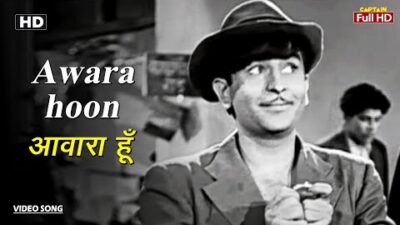
Overviewवायलिन — यह छोटा-सा, चमकता हुआ यंत्र — हिंदी फ़िल्म संगीत का सबसे बड़ा गुप्त नायक है। जब आप "आवारा हूँ" सुनते हैं, तो उसमें वायलिन की धाराएँ ही राज कपूर की आत्मा को छूती हैं। जब "लग जा गले" बजती है, तो वायलिन का वह पहला आलाप आपके दिल को मोड़ देता है। इटली में पैदा हुए इस यंत्र ने भारत की माटी में पाँव जमाए, यहाँ के संगीत की आत्मा को समझा, और धीरे-धीरे इसका अभिन्न अंग बन गया। भारत में वायलिन का आगमन उन्नीसवीं सदी में हुआ — पहले ब्रिटिश बैंड के माध्यम से, फिर पुर्तगाली मिशनरियों के संगीत में, और फिर रजवाड़ों के दरबारी आर्केस्ट्रा में। लेकिन इसका असली भारतीयकरण हुआ जब दक्षिण भारत के संगीतकारों ने इसे अपनाया। कर्नाटक संगीत में वायलिन का परिचय बालकृष्णदास (Balakirshnadasa) को दिया जाता है — उन्होंने इसे ज़मीन पर बैठकर बजाना शुरू किया और इसे भारतीय स्वर-प्रणाली के अनुरूप ढाला। यह एक क्रांतिकारी प्रयोग था जिसने वायलिन को पश्चिमी यंत्र से भारतीय यंत्र में बदल दिया। हिंदी फ़िल्म संगीत में वायलिन की यात्रा १९३० के दशक से शुरू हुई। अनिल बिश्वास, नौशाद, और एस. डी. बर्मन जैसे संगीतकारों ने जब पश्चिमी ऑर्केस्ट्रा की शक्ति को महसूस किया, तो उन्होंने वायलिन को अपने स्वर-समूह का केंद्र बनाया। स्वर्ण काल में मुंबई के रेकॉर्डिंग स्टूडियो में एक साथ ४०-५० वायलिन वादक बैठते थे — वे सब मिलकर वह गर्म, घना, भावपूर्ण ध्वनि-कालीन बुनते थे जो हिंदी गीतों की पहचान बन गई। लता मंगेशकर की आवाज़ के नीचे वायलिन की लहरें उसी तरह थीं जैसे नदी के नीचे धारा। वायलिन की सबसे बड़ी ख़ूबी यह है कि यह मानव कंठ के सबसे करीब है। इसी कारण भारतीय संगीतकारों ने इसे इतनी आसानी से अपनाया। मींड — एक सुर से दूसरे सुर पर धीरे-धीरे सरकना — वायलिन पर उतनी ही सफ़ाई से होता है जितना किसी कुशल गायक के कंठ में। गमक — सुर का जोशीला कंपन — वायलिन के धनुष से उतनी ही ताकत के साथ निकलता है। यही कारण है कि कर्नाटक संगीत में आज वायलिन वीणा और मृदंगम के बाद तीसरा सबसे महत्वपूर्ण वाद्य माना जाता है।
अंग्रेज़ी में पढ़ें · Read in English
The violin — this small, gleaming instrument — is the greatest unsung hero of Hindi film music. When you hear 'Awara Hoon', it is the violin's currents that touch Raj Kapoor's soul. When 'Lag Ja Gale' plays, that first violin alaap turns your heart. Born in Italy, this instrument took root in Indian soil, understood the soul of its music, and gradually became its inseparable part.
Violin arrived in India in the 19th century — first through British bands, then in Portuguese missionary music, and then in royal court orchestras. But its true Indianization happened when South Indian musicians adopted it. The introduction of violin to Carnatic music is credited to Baluswami Dikshitar — he began playing it seated on the floor and adapted it to the Indian pitch system. This was a revolutionary experiment that transformed violin from a Western to an Indian instrument.
Violin's journey in Hindi film music began in the 1930s. When composers like Anil Biswas, Naushad, and S. D. Burman felt the power of Western orchestration, they placed violin at the heart of their sonic palette. In the Golden Era, 40-50 violinists sat together in Mumbai recording studios, collectively weaving the warm, dense, expressive sound-carpet that became the hallmark of Hindi songs. The violin waves beneath Lata Mangeshkar's voice were like currents beneath a river.
Violin's greatest quality is that it is closest to the human voice. This is why Indian musicians adopted it so readily. Meend — gliding slowly from one pitch to another — is achieved on violin with the same fluency as by a skilled vocalist. Gamak — the vigorous oscillation of a note — emerges from the violin bow with equal force. This is why in Carnatic music today, violin is considered the third most important instrument after veena and mridangam.
काव्य-पंक्ति · The Verse
काव्य-पंक्ति
तेरी आवाज़ में बेला का दर्द है, उस दर्द में जीने का जज़्बा है।
— अज्ञात In your voice lies the ache of the violin, In that ache lives the will to endure.
वर्गीकरण
ClassificationNatya Shastra
तत — तार वाद्य यंत्र, धनुष से बजाया जाने वाला
Tata — String instrument, played with a bow
नाट्यशास्त्र की दृष्टि से वायलिन 'तत' वर्ग में आता है — वे वाद्य जिनमें तार से ध्वनि उत्पन्न होती है। यद्यपि नाट्यशास्त्र में वायलिन का उल्लेख नहीं है, भारतीय संगीत शास्त्रियों ने इसे सारंगी-परिवार के समकक्ष माना है।
From the Natya Shastra perspective, violin belongs to the 'Tata' class — instruments producing sound from strings. Though not mentioned in the text, Indian musicologists place it in the sarangi family equivalent.
Western
String Instrument
Bowed Chordophone
पश्चिमी वर्गीकरण में वायलिन बोड कॉर्डोफोन परिवार का सबसे छोटा और तीव्र सदस्य है, जिसमें वायोला, सेलो, और डबल बेस भी शामिल हैं।
In Western classification, violin is the smallest and highest-pitched member of the bowed chordophone family, which includes viola, cello, and double bass.
Hornbostel Sachs
321.322-71
Composite chordophone — bowed lute with resonator box
सिनेमा में
In Cinemaहिंदी सिनेमा के इतिहास में वायलिन का स्थान अतुलनीय है। १९३०-१९४० के दशक में जब हिंदी फ़िल्म संगीत आकार ले रहा था, तब भारतीय संगीतकारों ने पश्चिमी ऑर्केस्ट्रा तकनीकों को अपनाना शुरू किया, और वायलिन सेक्शन उसका केंद्र बन गया। अनिल बिश्वास, खेमचंद प्रकाश, नौशाद, और एस. डी. बर्मन जैसे संगीतकारों ने वायलिन की मीठी, भावपूर्ण ध्वनि को हिंदी गीतों का स्थायी अंग बना दिया। स्वर्ण काल (१९५०-७०) में वायलिन बड़े-बड़े ऑर्केस्ट्रा में ४०-५० तक वादकों के साथ बजता था। लता मंगेशकर के हर रोमांटिक गीत में, मोहम्मद रफ़ी के दर्द भरे नग़मों में, और आशा भोसले की शरारती धुनों में वायलिन की परतें भावनात्मक गहराई जोड़ती थीं। आर. डी. बर्मन के आधुनिक संगीत में भी वायलिन ने पश्चिमी पॉप के साथ भारतीय शास्त्रीय तत्वों को जोड़ने का काम किया। आज भी, ए. आर. रहमान के ऑर्केस्ट्रेशन में और प्रीतम के संगीत में वायलिन की मुख्य भूमिका है।
अंग्रेज़ी में पढ़ें · Read in English
The violin's place in Hindi cinema history is unparalleled. In the 1930s-40s as Hindi film music was taking shape, Indian composers adopted Western orchestral techniques, with the violin section at their center. Composers like Anil Biswas, Khemchand Prakash, Naushad, and S. D. Burman made the violin's sweet, expressive sound a permanent fixture of Hindi songs. In the Golden Era (1950-70), orchestras featured 40-50 violinists. Violin textures added emotional depth to every Lata Mangeshkar romantic song, Mohammed Rafi's sorrowful ghazals, and Asha Bhosle's playful melodies. In R. D. Burman's modern compositions, violin bridged Western pop with Indian classical elements. Even today, violin plays a central role in A. R. Rahman's orchestrations and Pritam's scores.
वर्तमान स्थिति
Modern Statusविवरण
आज वायलिन भारत में जीवंत और प्रासंगिक है। बॉलीवुड में इसकी माँग कभी कम नहीं हुई — डिजिटल प्रोडक्शन के युग में भी संगीतकार लाइव वायलिन की गर्माहट चाहते हैं। कर्नाटक संगीत में वायलिन सर्वाधिक महत्वपूर्ण सहयोगी वाद्य है। हिंदुस्तानी संगीत में भी धीरे-धीरे इसकी स्वीकृति बढ़ी है। शहरों में वायलिन सीखने वाले बच्चों की संख्या बढ़ रही है, जो इस वाद्य के उज्ज्वल भविष्य का संकेत है।
अंग्रेज़ी में पढ़ें · Read in English
Today violin is vibrant and relevant in India. In Bollywood its demand has never diminished — even in the digital production era, composers want the warmth of live violin. In Carnatic music, violin is the most important accompanying instrument. In Hindustani music too its acceptance has gradually grown. The growing number of children learning violin in cities signals a bright future for this instrument.
Estimated Players
50,000+ active players in India
Revival Efforts
संगीत महाविद्यालयों में वायलिन की अनिवार्य शिक्षा और युवा कलाकारों के लिए राष्ट्रीय छात्रवृत्तियाँ।
अंग्रेज़ी में पढ़ें · Read in English
Mandatory violin education in music colleges and national scholarships for young artists.
बनावट
Physicalविवरण
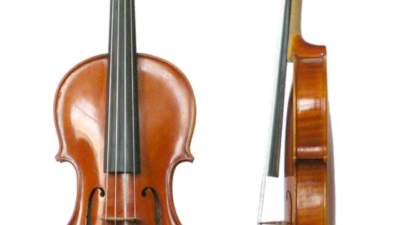
वायलिन की संरचना अत्यंत परिष्कृत और सुंदर है। इसका मुख्य भाग एक खोखला लकड़ी का डिब्बा होता है जिसकी ऊपरी सतह स्प्रूस (Spruce) लकड़ी से और पिछली सतह मेपल (Maple) लकड़ी से बनती है। बीच में दो 'f-आकार' के छेद होते हैं जो ध्वनि को बाहर निकालते हैं। गर्दन (Neck) मेपल की होती है और उस पर एबोनी का फ़िंगरबोर्ड लगा होता है जिस पर उंगलियाँ रखकर सुर बदले जाते हैं। चार तार — G, D, A, और E — ब्रिज (Bridge) के ऊपर से होकर खूंटियों (Pegs) पर बंधे होते हैं। धनुष (Bow) में घोड़े की पूँछ के बाल लगे होते हैं जिन पर रोज़िन (Rosin — एक प्रकार का राल) लगाया जाता है। भारतीय वादक अक्सर पारंपरिक पश्चिमी वायलिन में कुछ संशोधन करते हैं — जैसे ब्रिज की ऊँचाई बढ़ाना — ताकि भारतीय संगीत की गमक और मींड को बेहतर तरीके से बजाया जा सके। कुल लंबाई लगभग ५९-६० सेंटीमीटर होती है।
अंग्रेज़ी में पढ़ें · Read in English
The violin's construction is refined and beautiful. The main body is a hollow wooden box with a spruce top and maple back and sides. Two f-shaped holes in the soundboard allow sound to project outward. The maple neck carries an ebony fingerboard on which fingers press to change pitch. Four strings — G, D, A, E — pass over a bridge and are wound on ebony pegs. The bow uses horse-hair treated with rosin. Indian players often modify instruments — such as raising the bridge height — to better execute gamak and meend (Indian ornamentations). Total length is approximately 59-60 cm.
Dimensions
59-60 cm (body: 35-36 cm)
20-21 cm (upper bout)
400-500 grams (without bow)
Strings Or Keys
चार तार होते हैं — G (सबसे मोटा, सबसे गहरा सुर), D, A, और E (सबसे पतला, सबसे ऊँचा सुर)। पश्चिमी प्रणाली में ये Perfect Fifth के अंतराल पर ट्यून होते हैं। भारतीय वादक प्रायः इन्हें अपनी ज़रूरत के अनुसार Sa-Pa-Sa-Sa ट्यूनिंग में रखते हैं।
Four strings: G (thickest, lowest pitch), D, A, and E (thinnest, highest). In Western tuning, spaced in perfect fifths. Indian players commonly retune to Sa-Pa-Sa-Sa.
4
Steel, synthetic core with metal winding, or pure gut
Tuning
पाँचवाँ-अंतराल ट्यूनिंग (पश्चिमी) / भारतीय संदर्भ में Sa-Pa ट्यूनिंग
Perfect fifth tuning (Western) / Sa-Pa tuning for Indian context
G3-D4-A4-E5 (Western) / Sa-Pa-Sa-Sa (Indian)
G3 से E7 तक — साढ़े चार सप्तक
Construction
खोखला लकड़ी का डिब्बा जो ध्वनि को प्रवर्धित करता है। ऊपरी सतह स्प्रूस, पिछली सतह और किनारे मेपल से बने होते हैं।
Hollow wooden resonance box amplifying sound. Top (spruce), back and ribs (maple).
मेपल की गर्दन पर एबोनी का चिकना फ़िंगरबोर्ड लगा होता है जिस पर उंगलियाँ रखकर सुर निकाले जाते हैं।
Maple neck with smooth ebony fingerboard on which fingers press to produce notes.
पर्नाम्बूको या ब्राज़ीलवुड की छड़ी पर घोड़े की पूँछ के बाल लगे होते हैं जिन्हें रोज़िन से मला जाता है।
Stick of pernambuco or brazilwood strung with horse-hair treated with rosin.
मेपल की पतली खड़ी प्लेट जो तारों को शरीर से उठाकर ध्वनि-तरंगें शरीर तक पहुँचाती है। भारतीय संगीत के लिए इसे थोड़ा ऊँचा बनाया जाता है।
Thin maple upright piece supporting strings and transmitting vibrations to the body. Slightly raised for Indian music.
G, D, A, E — निचले से ऊँचे सुर में। भारतीय संगीत के लिए अक्सर Sa-Pa-Sa-Sa या Sa-Pa-Sa-Ma ट्यूनिंग में बजाए जाते हैं।
G, D, A, E from lowest to highest. Often retuned to Sa-Pa-Sa-Sa or Sa-Pa-Sa-Ma for Indian music.
गर्दन के ऊपर सुंदर घुमाव जिसके नीचे एबोनी की चार खूंटियाँ तारों को कसती-ढीली करती हैं।
Decorative scroll atop the neck with four ebony pegs for tuning the strings.
ध्वनि-चरित्र
SoundTonal Character
वायलिन की ध्वनि में एक अद्भुत लचीलापन है जो इसे भारतीय संगीत के लिए आदर्श बनाती है। यह मानव कंठ के सबसे निकट वाद्य यंत्र माना जाता है — और यही कारण है कि हिंदी फ़िल्मों में यह गायक के साथ साए की तरह चलता है। इसमें गमक, मींड, और मुर्की — सभी भारतीय अलंकार — बड़ी सफ़ाई से निकाले जा सकते हैं। कर्नाटक संगीत में तो वायलिन मुख्य साथी वाद्य बन गया है। इसकी ध्वनि मधुर, भावपूर्ण, और विस्तृत है — धीमे सुर में विरह की कसक और तेज़ सुर में उत्साह की आग, दोनों को यह एक साथ व्यक्त कर सकता है।
अंग्रेज़ी में पढ़ें · Read in English
The violin's sound has a remarkable flexibility that makes it ideal for Indian music. It is considered the instrument closest to the human voice — which is why in Hindi films it follows the singer like a shadow. Gamak, meend, and murki — all Indian ornamentations — can be executed cleanly. Its tone is sweet, expressive, and versatile — expressing the ache of viraha at slow speeds and the fire of enthusiasm at fast tempos.
Timbre
मधुर, उजला, भावपूर्ण — मानव कंठ से मिलती-जुलती ध्वनि
अंग्रेज़ी में पढ़ें · Read in English
Sweet, bright, expressive — closely resembling the human voice
Dynamic Range
अत्यंत विस्तृत — बहुत धीमे (पियानिसिमो) से बहुत तेज़ (फोर्टिसिमो) तक
अंग्रेज़ी में पढ़ें · Read in English
Extremely wide — from very soft (pianissimo) to very loud (fortissimo)
Comparison
मानव गायन जैसी तरलता के साथ सारंगी की गर्माहट और बाँसुरी की शुद्धता का मिश्रण
अंग्रेज़ी में पढ़ें · Read in English
A blend of sarangi's warmth and bansuri's clarity with the fluid expressivity of human singing
वादन-तकनीक
Playing Techniqueविवरण
भारतीय वायलिन वादन की तकनीक पश्चिमी परंपरा से कई मायनों में भिन्न है। सबसे बड़ा अंतर बैठने की मुद्रा में है — जबकि पश्चिमी वादक खड़े होकर या कुर्सी पर बैठकर वायलिन को ठोड़ी और कंधे के बीच रखते हैं, कर्नाटक और उत्तर भारतीय वादक ज़मीन पर बैठकर वायलिन के निचले सिरे को पैर के जोड़ पर टिकाकर बजाते हैं। इससे दोनों हाथ स्वतंत्र रहते हैं और भारतीय संगीत की विशिष्ट गमक और मींड के लिए बाएँ हाथ की उंगलियाँ अधिक लचीली रहती हैं। धनुष चलाने की शैली भी भिन्न है — भारतीय वादक अक्सर धनुष को अधिक तेज़ी और झटके से चलाते हैं ताकि तड़क भरी आवाज़ निकले। मींड — एक सुर से दूसरे सुर पर धीरे-धीरे जाना — भारतीय वायलिन की पहचान है। कर्नाटक वायलिन में बोइंग की विशेष तकनीकें हैं जो राग की भावना को उभारती हैं। बॉलीवुड ऑर्केस्ट्रा में वायलिन वादक पश्चिमी तकनीक से बजाते हैं लेकिन रचना में भारतीय धुनें होती हैं।
अंग्रेज़ी में पढ़ें · Read in English
Indian violin playing technique differs significantly from Western tradition. The most notable difference is in seating posture — while Western players stand or sit on a chair holding the violin between chin and shoulder, Carnatic and North Indian players sit cross-legged on the floor with the lower end resting on the ankle joint. This frees both hands and allows greater left-hand flexibility for gamak and meend. Bowing technique also differs — Indian players often use sharper, more percussive bowing for taut, incisive sounds. Meend — gliding slowly between pitches — is the hallmark of Indian violin. Carnatic violin has distinct bowing techniques to bring out raga bhava. Bollywood orchestra violinists use Western technique but play Indian melodies.
Posture
कर्नाटक/उत्तर भारतीय: ज़मीन पर क्रॉस-लेग्ड बैठकर, वायलिन का निचला सिरा टखने पर। बॉलीवुड ऑर्केस्ट्रा: कुर्सी पर बैठकर, पश्चिमी मुद्रा में।
अंग्रेज़ी में पढ़ें · Read in English
Carnatic/North Indian: sitting cross-legged on floor, lower end on ankle joint. Bollywood orchestra: seated on chair in Western posture.
Techniques
एक सुर से दूसरे सुर पर धीरे-धीरे, बिना रुके सरकना। बायाँ हाथ तार पर दबाव बनाए रखते हुए धीरे-धीरे खिसकता है। यह भारतीय संगीत की आत्मा है और वायलिन इसे मानव कंठ जितनी ही शिद्दत से निभाता है।
Sliding smoothly from one pitch to another without stopping. Left hand maintains pressure while gradually sliding on the string. The soul of Indian music, executed by violin as expressively as by the human voice.
तेज़ और भारी झटके के साथ सुर को हिलाना। धनुष का दबाव बढ़ाकर और बायें हाथ की उंगली को जल्दी-जल्दी दबाकर यह प्रभाव निकाला जाता है। कर्नाटक संगीत में विशेष रूप से महत्वपूर्ण।
A vigorous shaking or oscillation of a note with heavy bow pressure. Created by increasing bow pressure while rapidly pressing and releasing with the left hand. Especially important in Carnatic music.
धनुष को तार से उछालते हुए तेज़ और अलग-अलग सुर निकालना। यह तकनीक बॉलीवुड ऑर्केस्ट्रा में लय-बद्ध फ़िगर (Rhythmic Figure) बनाने के लिए प्रयोग होती है।
Allowing the bow to bounce off the string to produce rapid, separated notes. Used in Bollywood orchestras for rhythmic figures.
एक साथ दो तारों पर उंगली रखकर एक साथ दो सुर बजाना। भारतीय संगीत में यह सीमित है लेकिन बॉलीवुड की हार्मोनिक धुनों में उपयोग होता है।
Playing two strings simultaneously by pressing fingers on both. Limited in pure Indian classical but used in Bollywood harmonic passages.
धनुष रखकर उंगली से तार को तोड़ना। बॉलीवुड संगीत के हल्के-फुल्के और कॉमेडी दृश्यों में अक्सर इस्तेमाल होता है।
Plucking the string with the finger instead of bowing. Often used in light-hearted and comedic Bollywood scenes.
निर्माण-प्रक्रिया
Making Processविवरण
उत्तम वायलिन का निर्माण एक अत्यंत कुशल और समय-साध्य प्रक्रिया है। परंपरागत रूप से इटली के क्रेमोना शहर में स्ट्रादीवारी और गुआर्नेरी जैसे महान लूथियर (Luthier) बनाते थे। भारत में कोलकाता, मुंबई, और बेंगलुरु में वायलिन बनाने के केंद्र विकसित हुए हैं। भारतीय लूथियर प्रायः आयातित यूरोपीय लकड़ी का उपयोग करते हैं — ऊपरी सतह के लिए स्प्रूस और बाकी हिस्सों के लिए मेपल। शरीर के दोनों हिस्सों को हाथ से काटा जाता है, आकार दिया जाता है, और वार्निश (Varnish) लगाया जाता है। वार्निश की रेसिपी एक रहस्य मानी जाती है — स्ट्रादीवारी के वायलिन की बेमिसाल ध्वनि का रहस्य उनके वार्निश में माना जाता है। एक उत्तम वायलिन बनाने में ४-६ सप्ताह लगते हैं।
अंग्रेज़ी में पढ़ें · Read in English
Making a fine violin is an extremely skilled and time-consuming process. Traditionally the great luthiers of Cremona, Italy — Stradivari and Guarneri — crafted the finest instruments. In India, violin-making centres have developed in Kolkata, Mumbai, and Bengaluru. Indian luthiers typically use imported European tonewoods — spruce for the top and maple for the rest. Both halves of the body are hand-carved, shaped, and varnished. The varnish recipe is considered a secret — Stradivari's incomparable sound is attributed partly to his varnish formula. A fine violin takes 4-6 weeks to craft.
Materials
ऊपरी ध्वनि-पटल के लिए — ध्वनि-तरंगों को प्रसारित करने की अद्भुत क्षमता।
For the top soundboard — exceptional ability to transmit sound vibrations.
पिछली सतह, किनारों, और गर्दन के लिए — कठोर और प्रतिबिम्बित करने वाली।
For back, ribs, and neck — hard and reflective wood.
फ़िंगरबोर्ड, टेलपीस, और खूंटियों के लिए — अत्यंत कठोर और टिकाऊ।
For fingerboard, tailpiece, and pegs — extremely hard and durable.
शरीर की रक्षा करने और ध्वनि की गुणवत्ता को निर्धारित करने में महत्वपूर्ण भूमिका।
Protects the body and plays a crucial role in determining sound quality.
Artisan Centers
भारत का सबसे पुराना वायलिन-निर्माण केंद्र — यहाँ बंगाली लूथियरों की परंपरा है।
India's oldest violin-making centre with a tradition of Bengali luthiers.
बॉलीवुड की माँग के कारण यहाँ कई छोटी-बड़ी कार्यशालाएँ हैं।
Multiple workshops here due to Bollywood demand.
कर्नाटक संगीत की माँग के लिए दक्षिण भारतीय वायलिन-निर्माण।
South Indian violin making for Carnatic music demand.
Time To Craft
4-6 weeks for a handcrafted instrument
Price Range
₹3,000–5,00,000 (student to professional)
संगीत-समूह में भूमिका
Role In EnsemblePrimary Role
बॉलीवुड ऑर्केस्ट्रा में मुख्य सुर वाद्य — गायक के सुर को उभारना, सजाना, और भरना
अंग्रेज़ी में पढ़ें · Read in English
Primary melodic instrument in Bollywood orchestras — supporting, ornamenting, and filling the singer's melody
Solo Capability
पूर्ण एकल वाद्य — कर्नाटक और हिंदुस्तानी दोनों परंपराओं में एकल वादन होता है।
अंग्रेज़ी में पढ़ें · Read in English
Complete solo instrument — performed as solo in both Carnatic and Hindustani traditions.
Accompaniment For
हिंदी फ़िल्म संगीत में वायलिन प्रायः गायक के साथ उसी सुर में या एक ऑक्टेव ऊपर/नीचे बजता है, जिससे ध्वनि घनी और भावपूर्ण हो जाती है।
In Hindi film music, violins play in unison or octave with the singer, creating a thick and expressive sound.
दक्षिण भारत में वायलिन मुख्य गायक का साया बनकर हर सुर का अनुसरण करता है।
In South India, violin shadows the main vocalist, following every note intimately.
लोक संगीत में
In Folk Musicभारत के विभिन्न क्षेत्रों में वायलिन लोक संगीत में भी प्रवेश कर गया है। राजस्थान में वायलिन लोक बैंड का हिस्सा बन गया है जहाँ यह सारंगी की जगह लेता है। केरल और आंध्र प्रदेश में लोक उत्सवों में वायलिन बजाया जाता है। उत्तर प्रदेश और बिहार के लोक-गायकों के साथ वायलिन वादक अक्सर तबला-ढोलक के साथ मंच साझा करते हैं। पंजाब के भाँगड़ा-प्रभावित संगीत में भी वायलिन का उपयोग होने लगा है। विवाह और उत्सव के बैंड में वायलिन ने अपनी जगह बना ली है।
अंग्रेज़ी में पढ़ें · Read in English
In various regions of India, the violin has entered folk music. In Rajasthan, violin has joined folk bands as a replacement for sarangi. In Kerala and Andhra Pradesh, violin is played at folk festivals. In Uttar Pradesh and Bihar, violin players often share the stage with tabla-dholak alongside folk singers. In Punjab's bhangra-influenced music, violin has also found a place. Violin has carved a niche in wedding and celebration bands.
क्षेत्रीय रूप
Regional Variantsज़मीन पर बैठकर, यंत्र का निचला सिरा टखने पर रखकर बजाया जाता है। ट्यूनिंग अलग — E-A-E-A या G-D-G-D। गमक और स्वरकल्पना के लिए विशेष रूप से उपयुक्त।
Played seated on floor with lower end on ankle. Different tuning — E-A-E-A or G-D-G-D. Specially suited for gamak and swara kalpana.
पश्चिमी मुद्रा और ट्यूनिंग के करीब, लेकिन खयाल और ठुमरी के लिए मींड और गमक की तकनीकों के साथ।
Closer to Western posture and tuning, but with meend and gamak techniques for khayal and thumri.
पूर्णतः पश्चिमी तकनीक से बजाया जाता है लेकिन भारतीय धुनों और भावनाओं के लिए। बड़े सेक्शन में ३०-५० वादक एक साथ।
Played with fully Western technique but for Indian melodies and emotions. Large sections with 30-50 players together.
प्रसिद्ध वादक
Famous Playersभारत के सर्वोच्च वायलिन वादकों में से एक, जिन्होंने कर्नाटक परंपरा को विश्व-स्तर पर पहचान दिलाई। उनके वादन में भारतीय और पश्चिमी संगीत का अद्भुत संगम है। येहुदी मेनुहिन और स्टेफान ग्रैपेली जैसे दिग्गजों के साथ उनके सहयोगी एल्बम ने दुनिया को भारतीय वायलिन की ताकत से परिचित कराया।
One of India's finest violinists who brought Carnatic tradition to world recognition. His playing embodies a remarkable fusion of Indian and Western music. His collaborative albums with Yehudi Menuhin and Stéphane Grappelli introduced the world to the power of Indian violin.
हिंदुस्तानी वायलिन की सबसे महान वादिकाओं में से एक। उन्होंने वायलिन को हिंदुस्तानी शास्त्रीय संगीत के मंच पर प्रतिष्ठित किया। पद्म विभूषण से सम्मानित, उनका खयाल वादन बेमिसाल है।
One of the greatest Hindustani violin players, she established violin as a premier instrument of Hindustani classical music. Padma Vibhushan awardee, her khayal performance is unparalleled.
कर्नाटक वायलिन के महान स्तम्भ। एम. एस. सुब्बलक्ष्मी और अन्य दिग्गज गायकों के साथ उनकी संगत अविस्मरणीय है। उन्होंने कर्नाटक वायलिन को एक पूर्ण एकल माध्यम के रूप में स्थापित किया।
A great pillar of Carnatic violin. His accompaniment with M. S. Subbulakshmi and other legendary vocalists is unforgettable. He established Carnatic violin as a complete solo medium.
हिंदुस्तानी वायलिन के पितामह। उन्होंने वायलिन पर हिंदुस्तानी ख़यालों की गायकी शैली को विकसित किया और इसे प्रतिष्ठित किया। पंडित रविशंकर और अन्य दिग्गजों के साथ उनके सहयोग ने वायलिन को हिंदुस्तानी मंच पर स्थापित किया।
A patriarch of Hindustani violin who developed and established the gayaki ang (vocal style) for violin in khayal. His collaborations with Pt. Ravi Shankar and others established violin on the Hindustani stage.
समकालीन कर्नाटक वायलिन वादिकाएँ जो अगली पीढ़ी का प्रतिनिधित्व करती हैं। उन्होंने संगीत नाटक अकादमी पुरस्कार जीता है।
Contemporary Carnatic violinist representing the next generation, winner of the Sangeet Natak Akademi award.
राग-उपयुक्तता
Raag Suitabilityवायलिन की मींड तकनीक भैरवी के कोमल स्वरों को बड़ी कोमलता से उभारती है। विदाई और विरह के भाव व्यक्त करने में वायलिन-भैरवी का संयोग अद्भुत है।
Violin's meend technique delicately brings out Bhairavi's flat notes. The combination of violin and Bhairavi for expressing farewell and longing is extraordinary.
यमन के तीव्र मध्यम और उज्ज्वल भाव के साथ वायलिन की चमकती ध्वनि बेहद उपयुक्त है। हिंदी फ़िल्मों के रोमांटिक गीतों में यमन-आधारित वायलिन का व्यापक उपयोग हुआ।
Violin's bright tone perfectly suits Yaman's sharp madhyam and luminous character. Yaman-based violin has been extensively used in romantic Hindi film songs.
दरबारी की गहरी गंभीरता और विलंबित गमक को वायलिन की गहरी आवाज़ में सुंदर अभिव्यक्ति मिलती है।
Darbari's deep gravity and slow-paced gamak find beautiful expression in violin's deep register.
पहाड़ी की सरल और मधुर संरचना वायलिन के साथ अत्यंत स्वाभाविक लगती है। हिंदी फ़िल्मों में पहाड़ी-आधारित वायलिन धुनें बहुत लोकप्रिय रही हैं।
Pahadi's simple and melodious structure sounds very natural on violin. Pahadi-based violin melodies have been very popular in Hindi films.
घराना-संबंध
Gharana Connectionsकिराना घराने के वादकों ने विशेष रूप से वायलिन को गायकी शैली में ढाला है। इस घराने की मींड-प्रधान गायकी वायलिन की प्रकृति से मेल खाती है।
Kirana gharana players have specifically shaped violin in the gayaki style. This gharana's meend-heavy vocal style aligns with violin's natural character.
मैसूर दरबार से उत्पन्न कर्नाटक वायलिन की विशेष शैली जिसमें भव्यता और भावनात्मक गहराई दोनों हैं।
A distinctive Carnatic violin style originating from the Mysore court, combining grandeur and emotional depth.
सीखने का मार्ग
Learning Pathविवरण
वायलिन सीखना एक दीर्घकालिक यात्रा है जिसमें शारीरिक अनुशासन और संगीत-बोध दोनों चाहिए। प्रारंभ में बच्चों के लिए छोटे आकार के वायलिन (१/४, १/२, ३/४) उपलब्ध हैं। पहले ६ महीने सही मुद्रा, धनुष पकड़ने का तरीका, और बायें हाथ की स्थिति सीखने में लगते हैं। इसके बाद सरल स्केल और अभ्यास शुरू होते हैं। भारतीय शास्त्रीय सीखने वालों के लिए विशेष महत्व है कि वे प्रारंभ से ही मींड और गमक की प्रैक्टिस करें। बॉलीवुड के लिए सीखने वाले पश्चिमी नोटेशन और सिंफनी तकनीकों पर ध्यान देते हैं। ५-७ साल की नियमित साधना में एक सक्षम वादक तैयार होता है।
अंग्रेज़ी में पढ़ें · Read in English
Learning violin is a long journey requiring both physical discipline and musical understanding. Smaller sized violins (1/4, 1/2, 3/4) are available for children at the start. The first 6 months are spent learning correct posture, bow hold, and left-hand position. Then simple scales and exercises begin. For Indian classical learners, it is especially important to practice meend and gamak from the beginning. Those learning for Bollywood focus on Western notation and symphony techniques. Regular practice of 5-7 years produces a capable player.
Beginner Steps
पहले तीन महीने — धनुष पकड़ने का तरीका, यंत्र को कंधे/टखने पर सही तरह से रखना।
First three months — learning how to hold the bow and position the instrument on the shoulder or ankle.
खुले तारों पर धनुष चलाना, फिर पहली उंगली की स्थिति में सरल सुर।
Bowing open strings, then simple notes in first finger position.
भारतीय छात्रों के लिए — भैरवी और पहाड़ी जैसे सरल रागों पर मींड की प्रैक्टिस।
For Indian students — practicing meend on simple ragas like Bhairavi and Pahadi.
सामान्य अवधि
5-7 years for proficiency; lifetime for mastery
संस्थान
राष्ट्रीय स्तर पर भारतीय संगीत को प्रोत्साहित करने वाली संस्था जहाँ वायलिन की शिक्षा उपलब्ध है।
National institution promoting Indian music where violin education is available.
कर्नाटक संगीत और नृत्य के लिए प्रसिद्ध — यहाँ कर्नाटक वायलिन में विशेष प्रशिक्षण मिलता है।
Renowned for Carnatic music and dance — special training in Carnatic violin available here.
सांस्कृतिक महत्व
Cultural Significanceवायलिन भारतीय संस्कृति में उस पश्चिमी प्रभाव का सबसे सफल उदाहरण है जो पूरी तरह भारतीय बन गया। यह यंत्र भारत की सांस्कृतिक अनुकूलन-क्षमता का प्रतीक है — किसी भी बाहरी तत्व को अपने में ढाल लेने की, उसे अपनी आत्मा से भर देने की अद्भुत शक्ति। हिंदी फ़िल्म संगीत में वायलिन के बिना सोचना असंभव है — यह वह धागा है जो पूरे ऑर्केस्ट्रा को एकसूत्र में बाँधता है। दक्षिण भारत में तो वायलिन अब उतना ही 'भारतीय' माना जाता है जितना कि वीणा या मृदंगम। लता मंगेशकर और किशोर कुमार की पीढ़ी के हर श्रोता के लिए वायलिन की ध्वनि सीधे भावनाओं की गहराई तक पहुँचती है — वह स्वर्णिम काल की याद दिलाती है, माँ के प्यार की याद दिलाती है, बचपन की याद दिलाती है।
अंग्रेज़ी में पढ़ें · Read in English
Violin is the most successful example in Indian culture of a Western influence that became completely Indian. This instrument symbolizes India's cultural adaptability — the remarkable power to absorb any external element and fill it with its own soul. It is impossible to imagine Hindi film music without violin — it is the thread that binds the entire orchestra together. In South India, violin is now considered as 'Indian' as the veena or mridangam. For every listener of the Lata Mangeshkar and Kishore Kumar generation, the sound of violin reaches directly to the depths of emotion — it evokes the Golden Era, reminds one of a mother's love, of childhood.
सुनने का मार्गदर्शन
The Listening Guideवायलिन को ध्यान से सुनने के लिए, पहले किसी पुरानी हिंदी फ़िल्म के गीत में इसकी भूमिका को पहचानने की कोशिश करें — गायक के सुर के साथ कैसे चलती है, कैसे अंतरे के बाद आती है, कैसे मुखड़े से पहले एक भावनात्मक पृष्ठभूमि बनाती है। फिर एल. सुब्रमणियम या एन. राजम का एकल वायलिन वादन सुनें — वहाँ मींड और गमक को महसूस करें। कर्नाटक संगीत में वायलिन संगत सुनते समय ध्यान दें कि कैसे यह गायक की हर सूक्ष्म चाल का अनुसरण करती है।
अंग्रेज़ी में पढ़ें · Read in English
To listen to violin attentively, first try to identify its role in an old Hindi film song — how it moves with the singer's notes, how it enters after the verse, how it creates an emotional backdrop before the refrain. Then listen to L. Subramaniam's or N. Rajam's solo violin — feel the meend and gamak there. When listening to violin accompaniment in Carnatic music, notice how it follows every subtle movement of the vocalist.
श्रवण-कक्ष · The Listening Room
देखें-सुनें
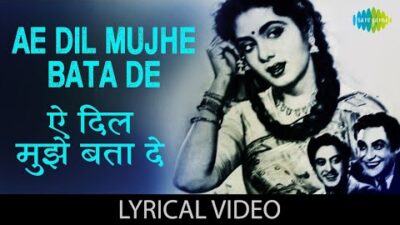
एल. सुब्रमणियम — भारतीय वायलिन एकल · एल. सुब्रमणियम · varies
कर्नाटक वायलिन — एन. राजम · एन. राजम · varies
परिचय
Identity- Year Of Origin
- 1550
वर्गीकरण
Classification- Code
- 321.322-71
- Description
- Composite chordophone — bowed lute with resonator box
- Category
- तत — तार वाद्य यंत्र, धनुष से बजाया जाने वाला
- Category En
- Tata — String instrument, played with a bow
- Description
- नाट्यशास्त्र की दृष्टि से वायलिन 'तत' वर्ग में आता है — वे वाद्य जिनमें तार से ध्वनि उत्पन्न होती है। यद्यपि नाट्यशास्त्र में वायलिन का उल्लेख नहीं है, भारतीय संगीत शास्त्रियों ने इसे सारंगी-परिवार के समकक्ष माना है।
- Description En
- From the Natya Shastra perspective, violin belongs to the 'Tata' class — instruments producing sound from strings. Though not mentioned in the text, Indian musicologists place it in the sarangi family equivalent.
Hornbostel Sachs
Natya Shastra
अन्य विवरण
More Details- शरीर / बॉडी (Body) — खोखला लकड़ी का डिब्बा जो ध्वनि को प्रवर्धित करता है। ऊपरी सतह स्प्रूस, पिछली सतह और किनारे मेपल से बने होते हैं। · Body / Soundbox
- गर्दन और फ़िंगरबोर्ड (Neck & Fingerboard) — मेपल की गर्दन पर एबोनी का चिकना फ़िंगरबोर्ड लगा होता है जिस पर उंगलियाँ रखकर सुर निकाले जाते हैं। · Neck and Fingerboard
- धनुष / गज (Bow) — पर्नाम्बूको या ब्राज़ीलवुड की छड़ी पर घोड़े की पूँछ के बाल लगे होते हैं जिन्हें रोज़िन से मला जाता है। · Bow
- ब्रिज (Bridge) — मेपल की पतली खड़ी प्लेट जो तारों को शरीर से उठाकर ध्वनि-तरंगें शरीर तक पहुँचाती है। भारतीय संगीत के लिए इसे थोड़ा ऊँचा बनाया जाता है। · Bridge
- चार तार (Four Strings) — G, D, A, E — निचले से ऊँचे सुर में। भारतीय संगीत के लिए अक्सर Sa-Pa-Sa-Sa या Sa-Pa-Sa-Ma ट्यूनिंग में बजाए जाते हैं। · Four Strings
- स्क्रॉल और खूंटियाँ (Scroll & Pegs) — गर्दन के ऊपर सुंदर घुमाव जिसके नीचे एबोनी की चार खूंटियाँ तारों को कसती-ढीली करती हैं। · Scroll and Tuning Pegs
- System
- पाँचवाँ-अंतराल ट्यूनिंग (पश्चिमी) / भारतीय संदर्भ में Sa-Pa ट्यूनिंग
- System En
- Perfect fifth tuning (Western) / Sa-Pa tuning for Indian context
- Standard Tuning
- G3-D4-A4-E5 (Western) / Sa-Pa-Sa-Sa (Indian)
- Range
- G3 से E7 तक — साढ़े चार सप्तक
- Timbre
- मधुर, उजला, भावपूर्ण — मानव कंठ से मिलती-जुलती ध्वनि
Construction
Tuning
रोचक तथ्य
Margin Notesकर्नाटक संगीत में वायलिन का परिचय बालुस्वामी दीक्षितर ने किया था, जो प्रसिद्ध संगीतकार मुथुस्वामी दीक्षितर के भाई थे। उन्होंने लगभग १७९८ में वायलिन को यूरोपीय सैनिकों से सीखा और इसे कर्नाटक संगीत में ढाला।
Violin was introduced to Carnatic music by Baluswami Dikshitar, brother of the famous composer Muthuswami Dikshitar. Around 1798, he learned violin from European soldiers and adapted it for Carnatic music.
मुंबई के रेकॉर्डिंग स्टूडियो में १९५०-७० के दशक में एक साथ ४०-५० वायलिन वादक काम करते थे। आज डिजिटल संगीत के दौर में यह संख्या घटकर ५-१० रह गई है, जो उस स्वर्णिम काल के अंत का प्रतीक है।
In Mumbai recording studios of the 1950s-70s, 40-50 violinists worked together simultaneously. Today in the digital era this number has dropped to 5-10, symbolizing the end of that golden age.
एल. सुब्रमणियम ने एक बार पश्चिमी शास्त्रीय संगीतकार येहुदी मेनुहिन के साथ मंच साझा किया था। मेनुहिन ने कहा था: 'भारतीय वायलिन वादन में मैंने ऐसी अभिव्यक्ति देखी है जो पश्चिमी परंपरा में दुर्लभ है।'
L. Subramaniam once shared a stage with Western classical violinist Yehudi Menuhin. Menuhin remarked: 'In Indian violin playing I have witnessed an expressiveness that is rare in the Western tradition.'
भारतीय वायलिन वादक का ट्यूनिंग पश्चिमी से अलग होता है। जबकि पश्चिमी वायलिन G-D-A-E में ट्यून होता है, कर्नाटक वादक अक्सर E-A-E-A में ट्यून करते हैं जिससे भारतीय स्वर-सप्तक में खेलना आसान होता है।
Indian violin tuning differs from Western. While Western violin is tuned G-D-A-E, Carnatic players often tune E-A-E-A, which makes navigating the Indian pitch system easier.
हिंदी सिनेमा के स्वर्ण काल में वायलिन वादकों की माँग इतनी थी कि मुंबई में 'वायलिन माफ़िया' बन गया था — वादकों के संघ ने दरें तय कीं और नए वादकों का प्रवेश नियंत्रित किया। आर. डी. बर्मन ने इस व्यवस्था को तोड़ने के लिए नए युवा वादकों को सीधे काम दिया।
In Hindi cinema's Golden Era, demand for violinists was so high that a 'violin mafia' formed in Mumbai — player unions set rates and controlled entry of new players. R. D. Burman broke this system by directly hiring young new players.
वायलिन की लकड़ी को 'टोनवुड' कहते हैं। स्ट्रादीवारी के वायलिन (जो आज भी दुनिया के सर्वश्रेष्ठ माने जाते हैं) में एक विशेष ब्लैक प्लेग (Black Plague) काल में उगी धीमी-वृद्धि की लकड़ी का उपयोग हुआ था — यही उनकी ध्वनि का रहस्य माना जाता है।
Violin wood is called 'tonewood'. Stradivari violins (still considered the world's finest) used slow-growth wood from the Black Plague era — this is believed to be the secret of their extraordinary sound.
क्या आप जानते हैं?
Did You Knowवायलिन भारत में इतना आत्मसात हो गया है कि तमिलनाडु और कर्नाटक में बच्चों को स्कूल में वायलिन सिखाया जाता है — ठीक उसी तरह जैसे उत्तर भारत में तबला।
Violin has been so assimilated in India that children in Tamil Nadu and Karnataka learn violin in school — just as tabla is taught in North India.
मनोहारी सिंह — आर. डी. बर्मन के प्रमुख वाद्य वादकों में से एक — वायलिन और सैक्सोफोन दोनों में निपुण थे और अक्सर एक ही रेकॉर्डिंग सेशन में दोनों बजाते थे।
Manohari Singh — one of R. D. Burman's principal instrumentalists — was proficient in both violin and saxophone and often played both in the same recording session.
हिंदी फ़िल्मों में 'वायलिन पर रोमांटिक इंटरल्यूड' की परंपरा इतनी मज़बूत थी कि दर्शक सिर्फ़ वायलिन की धुन सुनकर समझ जाते थे कि परदे पर अब प्रेम का दृश्य आएगा।
The tradition of 'romantic interlude on violin' in Hindi films was so strong that audiences understood from the violin melody alone that a love scene was about to appear on screen.
सूक्तियाँ
Words of the Masters“वायलिन ने हिंदी फ़िल्म संगीत को वह भावनात्मक गहराई दी जो शायद किसी और यंत्र से संभव नहीं थी।”
— — नौशाद अली, संगीतकार“Violin gave Hindi film music the emotional depth that perhaps no other instrument could have.”
“जब मैं वायलिन बजाता हूँ, मैं किसी राग को नहीं — एक भाव को बजाता हूँ। और भाव किसी देश का नहीं होता।”
— — एल. सुब्रमणियम“When I play violin, I am not playing a raag — I am playing an emotion. And emotion belongs to no country.”
“भारतीय संगीत में वायलिन उतना ही स्वाभाविक लगता है जितना कि सितार — इसलिए कि हमने इसे अपना बना लिया है।”
— — पंडित रविशंकर“In Indian music, violin sounds as natural as the sitar — because we have made it our own.”
“वायलिन पर मींड निकालना ऐसा है जैसे शब्दों के बीच की ख़ामोशी को बोलने देना।”
“Drawing meend on violin is like letting the silence between words speak.”
— — एन. राजम
सवाल-जवाब
Questions & Answersवायलिन भारत में कब आया?
वायलिन भारत में उन्नीसवीं सदी में आया — पहले पुर्तगाली मिशनरियों के साथ, फिर ब्रिटिश सैनिक बैंड के साथ। इसका भारतीय संगीत में व्यवस्थित प्रवेश लगभग १७९८ में हुआ जब बालुस्वामी दीक्षितर ने इसे कर्नाटक संगीत में ढाला। उत्तर भारत में हिंदुस्तानी संगीत में इसकी स्वीकृति बाद में हुई।
भारतीय वायलिन वादन पश्चिमी से कैसे अलग है?
कर्नाटक और हिंदुस्तानी वायलिन वादन में सबसे बड़ा अंतर बैठने की मुद्रा में है — भारतीय वादक ज़मीन पर बैठकर, यंत्र का निचला सिरा टखने पर रखकर बजाते हैं। ट्यूनिंग भी अलग होती है। भारतीय संगीत के अनुरूप मींड (glissando), गमक, और मुर्की जैसे अलंकार विशेष तकनीकों से निकाले जाते हैं।
हिंदी फ़िल्मों में वायलिन का सबसे प्रसिद्ध प्रयोग कौन सा है?
हिंदी सिनेमा में वायलिन के सबसे प्रसिद्ध प्रयोगों में 'लग जा गले' (वो कौन थी, १९६४, संगीत: मदन मोहन), 'कभी कभी' (खय्याम), और 'तेरे बिना ज़िंदगी से' (आँधी, आर. डी. बर्मन) शामिल हैं। नौशाद के गीतों में भी बड़े वायलिन ऑर्केस्ट्रा का व्यापक उपयोग था।
भारत के सबसे प्रसिद्ध वायलिन वादक कौन हैं?
भारत के सबसे प्रसिद्ध वायलिन वादकों में एल. सुब्रमणियम (कर्नाटक, अंतर्राष्ट्रीय), एन. राजम (हिंदुस्तानी), एम. एस. गोपालकृष्णन (कर्नाटक), वी. जी. जोग (हिंदुस्तानी), और कुन्नकुडी वैद्यनाथन (कर्नाटक-बॉलीवुड) शामिल हैं।
इतिहास
The Historyउत्पत्ति — सोलहवीं सदी — उत्तरी इटली, क्रेमोना Origin
वायलिन का जन्म इटली के क्रेमोना शहर में हुआ, जहाँ एंद्रेया अमाती ने लगभग १५५० में इसका आधुनिक रूप विकसित किया। इसके बाद स्ट्रादीवारी और गुआर्नेरी जैसे महान लूथियरों ने इसे सिद्धता तक पहुँचाया। भारत में यह यंत्र उन्नीसवीं सदी में पहुँचा — पहले पुर्तगाली मिशनरियों के साथ, फिर ब्रिटिश सैनिक बैंड के साथ। दक्षिण भारत में इसका भारतीयकरण करीब १७९८ में शुरू हुआ जब बालुस्वामी दीक्षितर ने इसे कर्नाटक संगीत के लिए ढाला।
अंग्रेज़ी में पढ़ें · Read in English
Violin was born in Cremona, Italy, where Andrea Amati developed its modern form around 1550. Later Stradivari and Guarneri brought it to perfection. The instrument reached India in the 19th century — first with Portuguese missionaries, then with British military bands. Indianization began around 1798 in South India when Baluswami Dikshitar adapted it for Carnatic music.
विकास-यात्रा · Evolution
- १५५०-१७५० — यूरोपीय विकास इटली से पूरे यूरोप में फैला। स्ट्रादीवारी और गुआर्नेरी ने इसे परिपूर्ण किया। बारोक काल में यह मुख्य यूरोपीय ऑर्केस्ट्रा वाद्य बन गया।
- १७९०-१८५० — भारत में प्रवेश पुर्तगाली और ब्रिटिश प्रभाव से भारत में आया। दक्षिण भारत में बालुस्वामी दीक्षितर ने इसे कर्नाटक संगीत में शामिल किया।
- १८५०-१९३० — भारतीय दरबारों में मैसूर, तंजावूर, और अन्य रजवाड़ों के दरबारों में वायलिन को आधिकारिक दर्जा मिला। उत्तर भारत में हिंदुस्तानी वायलिन की नींव पड़ी।
- १९३०-१९७० — बॉलीवुड स्वर्ण काल हिंदी फ़िल्म संगीत के विकास के साथ वायलिन सेक्शन मुंबई के रेकॉर्डिंग स्टूडियो का मुख्य अंग बन गया। ४०-५० वायलिन एक साथ बजते थे।
- १९७०-वर्तमान — आधुनिक युग आर. डी. बर्मन और उसके बाद ए. आर. रहमान के संगीत में वायलिन ने नया रूप अपनाया। डिजिटल युग में भी लाइव वायलिन की माँग बनी रही।
प्रमुख पड़ाव · Key Milestones
- 1550 एंद्रेया अमाती द्वारा क्रेमोना में आधुनिक वायलिन का विकास
- 1798 बालुस्वामी दीक्षितर द्वारा वायलिन को कर्नाटक संगीत में शामिल किया गया — भारतीय वायलिन इतिहास की सबसे महत्वपूर्ण घटना
- 1931 हिंदी सिनेमा के प्रारंभ के साथ बॉम्बे में वायलिन वादकों की माँग शुरू हुई
- 1950 बॉलीवुड ऑर्केस्ट्रा में वायलिन सेक्शन का स्वर्ण काल — ४०-५० वादक एक साथ
- 1965 वी. जी. जोग द्वारा हिंदुस्तानी वायलिन एकल को राष्ट्रीय मान्यता
- 1975 एल. सुब्रमणियम ने येहुदी मेनुहिन के साथ सहयोग करके भारतीय वायलिन को अंतर्राष्ट्रीय मंच दिया
- 1992 ए. आर. रहमान के 'रोज़ा' में वायलिन ने आधुनिक बॉलीवुड ऑर्केस्ट्रेशन में नई जगह बनाई
नमूना-पट्टी
The Specimen Table| नाम | वायलिन · Violin |
|---|---|
| अन्य नाम | बेला · फ़िडल · Fiddle · Baila · Violin |
| उद्गम | 1550 |
| काल | सोलहवीं सदी — उत्तरी इटली, क्रेमोना |
| प्रकार | वाद्य · Instruments |
जुड़े हुए पन्ने
Connected Plates · The Graph Made Visibleअटलस में कोई पन्ना अकेला नहीं — इस वाद्य से जुड़े गीत, कलाकार, शास्त्र और कहानियाँ, सब यहाँ से खुलते हैं।
इस वाद्य के गीत
Songs of this Instruments

साझा कीजिए · Share this Plate