गीत विंग · गीत-पट्टिका · Song Plate
आवारा हूँ
Awaara Hoon
वह आवाज़ जो मॉस्को की बर्फ़ीली गलियों में भी गूँजी — मुकेश का यह दर्दभरा नगमा एक पूरी पीढ़ी का तराना बन गया।
भावउदास · पुरानी यादें · दार्शनिक
भाषाHindi · Urdu गतिमध्यम स्वरूपएकल पुरुष
श्रेय
The Creditsबोल · The Lyrics
बोल — झलक · Lyrics Preview
या गर्दिश में हूँ आसमान का तारा हूँ
Ya gardish mein hoon aasmaan ka taara hoon
कॉपीराइट के कारण केवल झलक — पूरे बोल आधिकारिक मंचों पर।
शब्दकोश
Word Meaningsसूत्र-वाक्य · The Hook
सूत्र-वाक्य
वह आवाज़ जो मॉस्को की बर्फ़ीली गलियों में भी गूँजी — मुकेश का यह दर्दभरा नगमा एक पूरी पीढ़ी का तराना बन गया।
In EnglishThe wanderer's anthem that made Moscow hum in Hindi — Mukesh's defiant cry became the unofficial theme of a generation asking whether fate or free will defines a man.
पट्टिका-लेख
The Monographपरिचय Overview
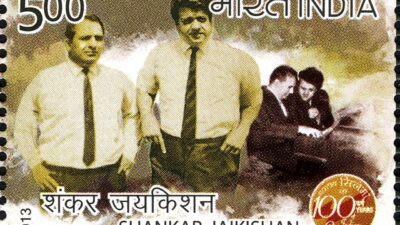
"आवारा हूँ" — 1951 की महाफ़िल्म 'आवारा' का वह गीत जिसने राज कपूर को सोवियत संघ की गलियों तक पहुँचाया। शंकर-जयकिशन का संगीत, शैलेन्द्र के शब्द और मुकेश की वह दर्द भरी आवाज़ मिलकर एक ऐसी कृति बनाती है जो महज़ फ़िल्मी गीत नहीं, बल्कि एक सामाजिक दर्शन का उद्घोष है। राज कपूर की आर.के. फ़िल्म्स ने एचएमवी लेबल पर इसे जारी किया। कहरवे की लय पर बहता वायलिन और अकॉर्डियन का संगम, और मुकेश की आत्मा को छू लेने वाली गायकी — यह गीत पूछता है कि क्या बुरे माहौल में जन्मा इंसान हमेशा के लिए आवारा ही रहता है? जवाब फ़िल्म देती है, गीत प्रश्न रखता है। यही प्रश्न मॉस्को की सड़कों पर गूँजा, तेहरान के बाज़ारों में बजा और हिंदुस्तान के हर चाय के ठेले पर गाया गया।
अंग्रेज़ी में पढ़ें · Read in English
"Awaara Hoon" — composed by Shankar-Jaikishan with lyrics by Shailendra and sung by Mukesh — is the anthem of 1951's blockbuster Awaara, directed and produced by Raj Kapoor for R.K. Films, and released on the HMV label. Riding a gentle keherwa-like folk rhythm with violin-heavy orchestration and touches of accordion, Mukesh's melismatic, plaintive voice inhabits the wanderer-protagonist with haunting conviction. More than a film song, the number became a philosophical statement about destiny and social class: is a man born to misfortune condemned forever, or can he rise above circumstance? The film and this song were so popular in the Soviet Union that "Awaara Hoon" was sung by ordinary Russian citizens on the streets of Moscow, making Raj Kapoor one of the most beloved foreign entertainers in USSR history. On the Binaca Geetmala of 1952, the song ranked among the most-heard numbers of the year, and it remains one of the most recognized Hindi film songs globally.
संगीत The Music
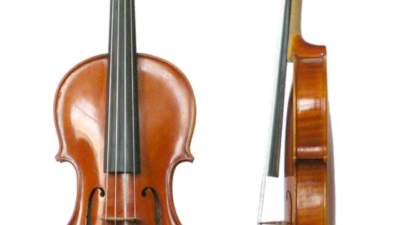
शंकर-जयकिशन ने इस धुन को एक सादे लोक-संरचना में ढाला जो एक टिके हुए स्वर से शुरू होती है और फिर अवरोह में बहती है। पाश्चात्य वाद्यों — वायलिन और अकॉर्डियन — का प्रयोग और देसी ताल-वाद्यों का संगम इस गीत की विशेषता है। पहाड़ी राग की छाया इस धुन में महसूस होती है, जो शंकर की पटियाला काल की संगीत-पृष्ठभूमि से आती है। मुकेश की स्वाभाविक करुण वाणी ने इस गीत को एक त्रासद गहराई दी — आवारा व्यक्ति विद्रोह नहीं करता, वह अपनी नियति को स्वीकार करते हुए भी प्रश्न उठाता है। कोरस के क्षणों में ऑर्केस्ट्रा का उफान 1951 के लिए एक नई सिनेमाई ध्वनि थी।
अंग्रेज़ी में पढ़ें · Read in English
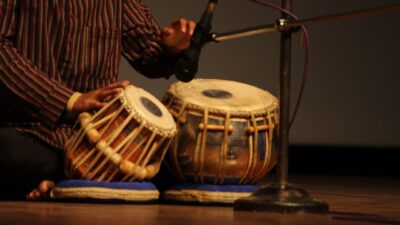
Shankar-Jaikishan crafted this melody with a deceptively simple folk structure that opens on a sustained note before the refrain cascades downward. The orchestration is notable for its Western instruments — violins in flowing unison lines and an accordion providing colour — while the dhol-tabla rhythmic bed keeps the song grounded in Indian folk idiom. The melody traces an arc in the Pahadi register, evoking the mountain folk songs that were part of Shankar's musical vocabulary from his years in Patiala. Mukesh's naturally plaintive timbre is particularly suited here: where another singer might have made the vagabond defiant, Mukesh makes him tragic, a man who has accepted his fate even as he rails against it. The chorus sections, when the ensemble swells, carry an almost cinematic grandeur that was novel for 1951. Shankar-Jaikishan here demonstrate what would become their signature: lush multi-layer orchestration that never loses the human voice at its centre.
काव्य The Poetry
शैलेन्द्र की कलम ने 'आवारा' शब्द को — जो समाज की निगाह में एक लांछन था — एक दार्शनिक अस्मिता में बदल दिया। 'गर्दिश में हूँ आसमान का तारा हूँ' — यह पंक्ति व्यक्तिगत दुर्भाग्य को ब्रह्मांडीय कविता में तब्दील करती है: आवारा केवल ज़मीन का फेंका हुआ कचरा नहीं, बल्कि एक भटका हुआ सितारा है — सुंदर और निश्चयहीन। शैलेन्द्र स्वयं रेलवे मज़दूर से गीतकार बने थे, इसलिए उनके हर अंतरे में एक श्रमिक की स्वाभिमानी गरिमा है जो दया नहीं माँगती, सवाल उठाती है।
अंग्रेज़ी में पढ़ें · Read in English
Shailendra's lyrics pivot on the central Urdu-Hindi word 'awaara' — a term of social stigma that the protagonist reclaims as a badge of philosophical identity. The line "ya gardish mein hoon aasmaan ka taara hoon" (or I am a wandering star in the sky's orbit) transforms personal misfortune into cosmic poetry: the vagrant is not earthbound trash but a displaced star, beautiful and aimless. Shailendra, himself a railway worker turned lyricist who understood poverty from the inside, imbued every antara with a working-class dignity that refuses pity. The song asks its great question — does good environment produce a good person? — making it as much social argument as love lyric.
कहानी The Story
1951 में जब राज कपूर 'आवारा' की तैयारी कर रहे थे, तो वे चाहते थे एक ऐसा गीत जो फ़िल्म का प्राण बन जाए — एक थीम जो दर्शक हॉल से बाहर निकलते हुए गुनगुनाएँ। शंकर-जयकिशन, जो 1949 की 'बरसात' से राज कपूर के विश्वस्त संगीतकार बन चुके थे, को यह ज़िम्मेदारी सौंपी गई। शैलेन्द्र ने एक ऐसी धुन पर शब्द लिखे जो लोकगीत की सादगी और दर्शन की गहराई दोनों से लैस हो। मुकेश को इसलिए चुना गया क्योंकि राज कपूर मानते थे कि उनकी करुण आवाज़ ही उस त्रासद-कॉमिक नायक के लिए सटीक है। बॉम्बे के मेहबूब स्टूडियो में रिकॉर्डिंग सत्र कम टेक में पूरे हो गए — मुकेश ने पहली ही कोशिश में वह दर्द छू लिया जो राज कपूर ढूँढ रहे थे।
अंग्रेज़ी में पढ़ें · Read in English
Awaara (1951) was Raj Kapoor's third directorial venture and his most ambitious production. The film used the Chaplinesque 'tramp' figure to ask a pointed social question: does a criminal father doom the son? Shankar-Jaikishan, who had debuted with Raj Kapoor on Barsaat (1949), received a creative brief to write an anthem — something that would work both as the protagonist's theme and as a crowd-pleaser. Shailendra wrote the lyrics in the vein of a folk geet, simple enough for illiterate audiences to memorize and yet philosophically rich enough for critics. Mukesh was chosen over other leading male playback singers because Raj Kapoor felt his naturally melancholic voice matched the tragicomic protagonist. The recording sessions at Bombay's Mehboob Studios became legendary for the ease with which Mukesh captured the tone in very few takes.
विरासत The Legacy
"आवारा हूँ" केवल एक फ़िल्मी गाना नहीं रहा — यह भारत और सोवियत संघ के बीच एक सांस्कृतिक सेतु बन गया। 1950-60 के दशक में मॉस्को की सड़कों पर आम नागरिक इसे गुनगुनाते थे। भारतीय राजनयिकों का कहना था कि 'आवारा' का ज़िक्र किसी भी सोवियत से बातचीत शुरू करने का सबसे आसान रास्ता था। यह गीत दर्जनों भाषाओं में कवर हुआ, राजनीतिक रैलियों में बजा, साहित्य में उद्धृत हुआ। आज भी, सात दशक बाद, यह विश्व में सर्वाधिक पहचाना जाने वाला हिंदी फ़िल्मी गीत है।
अंग्रेज़ी में पढ़ें · Read in English
"Awaara Hoon" transcended cinema to become a cultural bridge between India and the Soviet Union. In the 1950s and 60s, Raj Kapoor's films — particularly Awaara — were massively popular in the USSR, and this song was reportedly known by heart by millions of Soviet citizens. Indian diplomats to Moscow used to say that mentioning 'Awaara' was an instant icebreaker. The song has been covered hundreds of times across languages, sampled in pop music, referenced in literature, and played at political rallies. In India, it is often invoked to critique class society. The song appears on virtually every 'greatest Hindi film songs' list and was ranked among the top songs in BBC surveys of South Asian music. It remains, over seven decades later, the most internationally known Hindi film song.
वर्गीकरण
Classification- Tempo
- Medium
Genre
अन्य विवरण
More Details- Hindi Film Geet Kosh Vol. 3 (1951 entries) by Harmandir Singh Hamraaz
- Wikipedia: Awaara (1951 film)
- Wikipedia: Shankar-Jaikishan
- Wikipedia: Mukesh (singer)
- Saregama official catalog for Awaara soundtrack
- Filmfare archives 1952 (reviews and Binaca Geetmala references)
References
रोचक तथ्य
Margin Notes'आवारा हूँ' सोवियत संघ में इतना लोकप्रिय था कि कहा जाता है जब राज कपूर मॉस्को गए तो प्रशंसकों की भीड़ रूसी लहज़े वाली हिंदी में यह गीत गाते हुए उन्हें घेर लेती थी।
अंग्रेज़ी में पढ़ें · Read in English
"Awaara Hoon" was so popular in the Soviet Union that Raj Kapoor was reportedly mobbed by fans singing the song in Russian-accented Hindi when he visited Moscow.
फ़िल्म आवारा सोवियत संघ (यूएसएसआर) के इतिहास की सबसे अधिक कमाई करने वाली विदेशी फ़िल्मों में से एक थी, और इसकी सफलता का श्रेय अक्सर पूरी तरह इस गीत को दिया जाता है, जो एक सड़क-गीत (स्ट्रीट एंथम) बन गया था।
अंग्रेज़ी में पढ़ें · Read in English
The film Awaara was one of the top-grossing foreign films in USSR history, and its success is often credited entirely to this song becoming a street anthem.
शैलेन्द्र ने ये बोल तेज़ी से लिखे, कहा जाता है कि एक ही प्रेरित बैठक में — बंबई आने से पहले मथुरा में एक रेलवे कर्मचारी के रूप में उनकी अपनी मज़दूर-वर्गीय पृष्ठभूमि से प्रेरणा लेते हुए।
अंग्रेज़ी में पढ़ें · Read in English
Shailendra wrote the lyrics rapidly, reportedly in a single inspired session, drawing on his own working-class background as a railway employee in Mathura before he came to Bombay.
शंकर ने मूल रूप से इस धुन की कल्पना एक भारी ऑर्केस्ट्रल संगत के साथ की थी, लेकिन राज कपूर ने उस चैप्लिन-आवारा (ट्रैंप) सौंदर्यबोध से मेल खाने के लिए एक लोक-शैली की सहजता पर ज़ोर दिया, जिसे वे साधना चाहते थे।
अंग्रेज़ी में पढ़ें · Read in English
Shankar originally envisioned the melody with a heavier orchestral backing, but Raj Kapoor insisted on a folk-style lightness to match the Chaplin-tramp aesthetic he was aiming for.
'आवारा' शब्द को शीर्षक के रूप में इस्तेमाल किया गया, हालाँकि कुछ लोगों को आपत्ति थी कि यह एक प्रतिष्ठित फ़िल्म के लिए बहुत 'निम्न' शब्द है — राज कपूर का यह चुनाव भविष्यसूचक साबित हुआ।
अंग्रेज़ी में पढ़ें · Read in English
The word 'awaara' was used as a title despite concerns from some that it was too 'low' a word for a prestige film — Raj Kapoor's choice proved prophetic.
नमूना-पट्टी
The Specimen Table| शीर्षक | आवारा हूँ · Awaara Hoon |
|---|---|
| वर्ष · युग | 1951 — Golden Era |
| गायक | Mukesh |
| गीतकार | Shailendra |
| संगीतकार | Shankar-Jaikishan |
| स्वरूप | एकल पुरुष |
| गति | मध्यम |
| अवधि | 3:45 |
| भाषा | Hindi · Urdu |
| वाद्य | violin · accordion · tabla · dholak |
| भाव | उदास · पुरानी यादें · दार्शनिक |
| लोकप्रियता | Legendary |
| बोल-स्थिति | केवल झलक |
जुड़े हुए पन्ने
Connected Plates · The Graph Made Visibleअटलस में कोई पन्ना अकेला नहीं — इस गीत से जुड़े गीत, कलाकार, फ़िल्म, राग-ताल-विधा, सब यहाँ से खुलते हैं।
मिलते-जुलते गीत · Related Songs
कलाकार · The Artists
युग · The Era
साझा कीजिए · Share this Plate
यह पन्ना आगे बढ़ाइए
वह आवारा हिंदुस्तान में ही नहीं, मॉस्को में भी सितारा बन गया।
The wanderer became a star — in Moscow as much as in Mumbai.
— Common observation among Indian diplomats posted to the Soviet Union
सवाल-जवाब
Questions & Answersआवारा हूँ किसने गाया था? · Who sang Awaara Hoon?
यह गीत मुकेश ने गाया था, जो राज कपूर के लिए दशकों तक प्लेबैक करते रहे। यह गीत 1951 की फ़िल्म 'आवारा' में है जिसे राज कपूर ने स्वयं निर्देशित किया था।
Awaara Hoon was sung by Mukesh, who provided playback for Raj Kapoor throughout the actor's career. The song appeared in the 1951 film Awaara directed by Raj Kapoor himself.
आवारा हूँ का संगीत किसने दिया? · Who composed the music for Awaara Hoon?
संगीत शंकर-जयकिशन ने दिया और गीत शैलेन्द्र ने लिखे। दोनों राज कपूर के प्रिय साथी थे।
The music was composed by Shankar-Jaikishan, who were Raj Kapoor's regular composers. The lyrics were written by Shailendra.
आवारा हूँ रूस में इतना मशहूर क्यों था? · Why was Awaara Hoon so popular in Russia?
राज कपूर की 'आवारा' सोवियत दर्शकों को इसलिए पसंद आई क्योंकि इसके विषय — वर्ग संघर्ष, ग़रीबी, एक साधारण आदमी का अन्यायी व्यवस्था से टकराव — समाजवादी आदर्शों के करीब थे। धुन इतनी मधुर थी कि भाषा की बाधा पार कर मॉस्को की गलियों में गूँजने लगी।
Raj Kapoor's Awaara resonated with Soviet audiences because its themes of class struggle, poverty, and the 'little man' against an unjust system aligned with socialist ideals. The catchy melody crossed all language barriers and was sung on the streets of Moscow.
गर्दिश में हूँ आसमान का तारा हूँ का अर्थ क्या है? · What is the meaning of 'gardish mein hoon aasmaan ka taara hoon'?
'गर्दिश' का अर्थ है दुर्भाग्य या कक्षा में भटकना। पूरी पंक्ति का अर्थ है: मैं विपत्ति में हूँ — मैं आकाश का एक भटकता सितारा हूँ। यह पंक्ति एक आवारे की ज़िंदगी को ब्रह्मांडीय कविता में बदल देती है।
The line means 'I am in adversity/orbit — I am a wandering star in the sky.' It poetically compares the vagabond's aimless life to a star in its orbital path, turning misfortune into cosmic beauty.
क्या आवारा हूँ राज कपूर की अपनी आवाज़ में है? · Was Awaara Hoon Raj Kapoor's own voice?
नहीं, इस गीत में राज कपूर के लिए मुकेश ने प्लेबैक गाया था। राज कपूर का मानना था कि मुकेश की स्वाभाविक दर्दीली आवाज़ ही उनके त्रासद-हास्य किरदार के लिए सबसे उचित है।
No, Mukesh provided the playback for Raj Kapoor in Awaara and most of his films. Raj Kapoor believed Mukesh's naturally melancholic tone perfectly matched the tragicomic persona he portrayed on screen.