गीत विंग · गीत-पट्टिका · Song Plate
घर आया मेरा परदेसी
Ghar Aaya Mera Pardesi
उस स्वप्न-दृश्य में लता की आवाज़ — इतनी निर्मल कि लगा जैसे विरह ने खुद गाना सीख लिया हो।
भावअविस्मरणीय · उदास · पुरानी यादें · रोमांटिक
भाषाHindi · Urdu गतिधीमी स्वरूपएकल महिला
श्रेय
The Creditsबोल · The Lyrics
बोल — झलक · Lyrics Preview
प्यासा दिल मेरा प्यासा
Pyaasa dil mera pyaasa
कॉपीराइट के कारण केवल झलक — पूरे बोल आधिकारिक मंचों पर।
शब्दकोश
Word Meaningsसूत्र-वाक्य · The Hook
सूत्र-वाक्य
उस स्वप्न-दृश्य में लता की आवाज़ — इतनी निर्मल कि लगा जैसे विरह ने खुद गाना सीख लिया हो।
In EnglishLata's voice in the dream sequence — so pure it felt like longing itself had learned to sing.
पट्टिका-लेख
The Monographपरिचय Overview
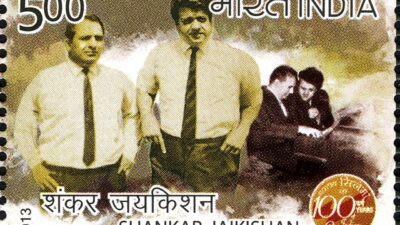
"घर आया मेरा परदेसी" — 'आवारा' (1951) के उस स्वप्न-दृश्य का प्राण है जो भारतीय सिनेमा के इतिहास में एक मील का पत्थर बना। शंकर-जयकिशन का संगीत, शैलेन्द्र के लोकगीत-रंजित शब्द और बाईस वर्षीया लता मंगेशकर की आवाज़ — तीनों मिलकर एक ऐसी कृति बनाते हैं जो विरह और मिलन दोनों को एक साथ जीती है। भैरवी की छाया में बनी इस धुन में वायलिन और सारंगी की तानें एक असह्य कोमलता बुनती हैं। यह गीत लता मंगेशकर को हिंदी फ़िल्म संगीत की 'विरह-नायिका की आवाज़' के रूप में स्थापित करने वाले गीतों में से एक है।
अंग्रेज़ी में पढ़ें · Read in English
"Ghar Aaya Mera Pardesi," composed by Shankar-Jaikishan with Shailendra's folk-inflected lyrics and sung by the 22-year-old Lata Mangeshkar, forms the emotional anchor of the celebrated dream sequence in Raj Kapoor's Awaara (1951). Released on HMV, the song is built on a slow, raga-tinged melody that hovers between Bhairavi and folk lament, its violin and sarangi lines weaving an almost unbearable tenderness. The dream sequence itself — with clouds, gauzy heavens, and the reunion of the separated lovers — was a landmark in Indian cinema's use of fantasy, and Lata's voice became inseparable from its imagery. This is one of the songs that established Lata Mangeshkar's pre-eminence as the voice of longing and feminine desire in the Golden Era.
संगीत The Music
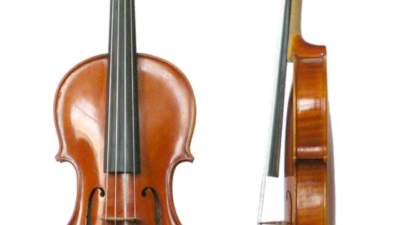
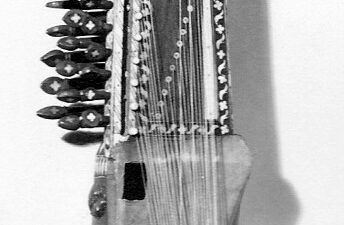
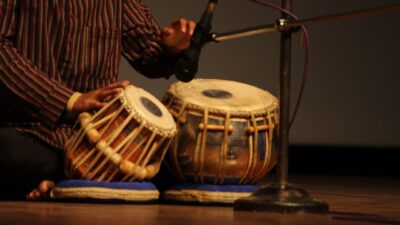
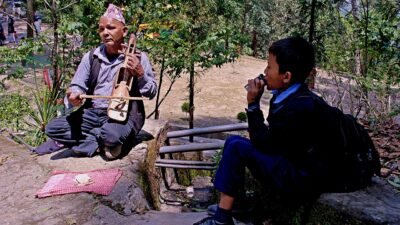
यह रचना भैरवी के करीबी स्वर-ढाँचे पर बनी है — अवरोही वाक्यांशों में एक सौम्य विषाद है जो इस राग की पहचान है। शंकर-जयकिशन ने धीमी लय और सीमित वाद्यों — मुख्यतः सारंगी, वायलिन और मंद तबला — का उपयोग करके एक ऐसी अंतरंगता रची जो किसी के सपने को बाहर से देखने जैसी है। लता मंगेशकर का गायन अत्यंत संयमित है — कुछ अक्षरों को वे छोटे-छोटे ध्यान में खींचती हैं, और ऊँचे स्वरों तक पहुँचने में उनकी आवाज़ में एक सँकोच है जैसे सपना टूट न जाए।
अंग्रेज़ी में पढ़ें · Read in English
The composition is built on a Bhairavi-adjacent melodic skeleton, the descending phrases of which communicate a particular kind of gentle grief that is the hallmark of the raag. Shankar-Jaikishan use a slow tempo and spare instrumentation — primarily strings (sarangi and violin) with subdued tabla — to create a chamber-music intimacy that feels almost private, as if the listener has stumbled upon a woman's innermost dream. Lata Mangeshkar's phrasing is exquisitely controlled: she elongates certain syllables into miniature meditations, and the way she approaches the high notes is cautious, trembling, as if the dream might shatter. The song demonstrates why Shankar-Jaikishan were trusted with Raj Kapoor's most emotionally ambitious sequences — their understanding of how melody shapes feeling was unmatched in 1951.
कहानी The Story
आवारा का स्वप्न-दृश्य — मूल कट में लगभग दस मिनट का — राज कपूर के नाटकीयता के प्रेम का परिणाम था। कला निर्देशक एम.आर. अचरेकर ने बादलों के विशाल सेट तैयार किए। शैलेन्द्र को निर्देश था कि एक ऐसा गीत लिखें जो किसी स्त्री का स्वप्न-मिलन हो — सरल शब्दों में गहरा अहसास। युवा लता मंगेशकर, जो 1949 की 'बरसात' और 'महल' से अपनी पहचान बना चुकी थीं, इस रिकॉर्डिंग में बेहद सावधानी से गईं — लंबे melodic phrases में साँस पर नियंत्रण तकनीकी चुनौती थी।
अंग्रेज़ी में पढ़ें · Read in English
The Awaara dream sequence — lasting nearly ten minutes in the original cut — was inspired by Raj Kapoor's lifelong love for the theatrical and the fantastical. Director Raj Kapoor collaborated with art director M.R. Achrekar to create elaborate cloud sets. For the song, Shailendra was briefed to write something that captured a woman's dream-reunion with an absent lover. He produced a lyric that was simple on the surface but layered with folk undertones. The young Lata Mangeshkar, who had already established herself with Barsaat (1949) and Mahal (1949), approached this recording with great care — it was one of the more technically demanding songs she had recorded to that point, requiring sustained breath control through very long melodic phrases.
विरासत The Legacy
यह गीत लता मंगेशकर की युवावस्था की प्रतिभा का एक प्रमुख उदाहरण माना जाता है। जिस स्वप्न-दृश्य में यह गीत है उसे भारतीय फ़िल्म अध्ययन में कल्पना और वैभव के अग्रणी प्रयोग के रूप में पढ़ाया जाता है। हिंदी फ़िल्म के सर्वश्रेष्ठ गीतों की हर सूची में यह अनिवार्य रूप से मिलता है।
अंग्रेज़ी में पढ़ें · Read in English
"Ghar Aaya Mera Pardesi" is remembered as one of the definitive examples of Lata Mangeshkar's early genius. The dream sequence it features in is studied in Indian film studies as a pioneering use of fantasy and spectacle. The song is frequently cited on lists of the most beautiful Hindi film songs ever made, and its association with the visual poetry of the Awaara dream sequence ensures it will remain in the canon indefinitely.
वर्गीकरण
Classification- Tempo
- Slow
Genre
अन्य विवरण
More Details- Wikipedia: Awaara (1951 film)
- Wikipedia: Lata Mangeshkar
- Hindi Film Geet Kosh Vol. 3 by Harmandir Singh Hamraaz
- Saregama official catalog
References
रोचक तथ्य
Margin NotesThe Awaara dream sequence was reportedly inspired in part by the Hollywood biblical epics Raj Kapoor had seen, and is considered among the most elaborate fantasy sequences in early Indian cinema.
Lata Mangeshkar recorded multiple other songs for Awaara, all of which became major hits, making this one of the most successful individual film-singer associations of the era.
Shailendra wrote the lyrics keeping in mind a folk audience — the simplicity of 'pardesi' (one who has gone away) was intentional, as it was a term every rural listener would immediately connect with.
नमूना-पट्टी
The Specimen Table| शीर्षक | घर आया मेरा परदेसी · Ghar Aaya Mera Pardesi |
|---|---|
| वर्ष · युग | 1951 — Golden Era |
| गायक | Lata Mangeshkar |
| गीतकार | Shailendra |
| संगीतकार | Shankar-Jaikishan |
| स्वरूप | एकल महिला |
| गति | धीमी |
| अवधि | 4:12 |
| भाषा | Hindi · Urdu |
| वाद्य | violin · sarangi · tabla · harmonium |
| भाव | अविस्मरणीय · उदास · पुरानी यादें · रोमांटिक |
| लोकप्रियता | Legendary |
| बोल-स्थिति | केवल झलक |
जुड़े हुए पन्ने
Connected Plates · The Graph Made Visibleअटलस में कोई पन्ना अकेला नहीं — इस गीत से जुड़े गीत, कलाकार, फ़िल्म, राग-ताल-विधा, सब यहाँ से खुलते हैं।
मिलते-जुलते गीत · Related Songs
कलाकार · The Artists
युग · The Era
साझा कीजिए · Share this Plate
यह पन्ना आगे बढ़ाइए
स्वप्न-दृश्य में जब लता गाती हैं, तो सिनेमा और प्रार्थना की सीमा मिट जाती है।
When Lata sings in the dream sequence, the boundary between cinema and prayer dissolves.
— Music historian's assessment
सवाल-जवाब
Questions & Answersघर आया मेरा परदेसी आवारा में किस दृश्य में आता है? · In which scene does Ghar Aaya Mera Pardesi appear in Awaara?
यह गीत फ़िल्म के प्रसिद्ध स्वप्न-दृश्य में आता है — भारतीय सिनेमा के शुरुआती दौर का सबसे विस्तृत कल्पना-दृश्य — जहाँ नायक बादलों की दुनिया में अपनी प्रेमिका से मिलता है।
The song appears in the elaborate dream sequence, one of the most celebrated fantasy sequences in early Indian cinema, where the protagonist reunites with his beloved in a cloud-world.
घर आया मेरा परदेसी के गीतकार कौन हैं? · Who wrote the lyrics of Ghar Aaya Mera Pardesi?
गीत शैलेन्द्र ने लिखे — वही प्रतिभाशाली कवि-गीतकार जिन्होंने 'आवारा' के अधिकांश गीत शंकर-जयकिशन के साथ मिलकर लिखे।
The lyrics were written by Shailendra, the celebrated poet-lyricist who collaborated with Shankar-Jaikishan on most of the Awaara soundtrack.