गीत विंग · गीत-पट्टिका · Song Plate
दम भर जो उधर मुँह फेरे
Dum Bhar Jo Udhar Muh Phere
वह गीत जिसमें राज कपूर और नरगिस की प्रेम-कहानी परदे पर खिली — और दर्शक दोनों के दीवाने हो गए।
भावमीठा-कड़वा · चुलबुला · रोमांटिक
भाषाHindi · Urdu गतिमध्यम स्वरूपयुगल
श्रेय
The Creditsबोल · The Lyrics
बोल — झलक · Lyrics Preview
ओ चाँद, मैं उनसे प्यार कर लूँ
O chaand, main unse pyaar kar loon
कॉपीराइट के कारण केवल झलक — पूरे बोल आधिकारिक मंचों पर।
शब्दकोश
Word Meaningsसूत्र-वाक्य · The Hook
सूत्र-वाक्य
वह गीत जिसमें राज कपूर और नरगिस की प्रेम-कहानी परदे पर खिली — और दर्शक दोनों के दीवाने हो गए।
In EnglishThe song where Raj Kapoor and Nargis fell in love on screen — and audiences fell in love with both of them.
पट्टिका-लेख
The Monographपरिचय Overview
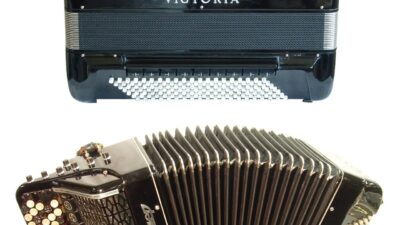
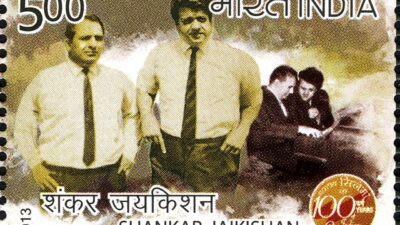
"दम भर जो उधर मुँह फेरे" 'आवारा' (1951) का वह प्यारा युगल-गीत है जिसमें शंकर-जयकिशन की हल्की-फुल्की धुन, शैलेन्द्र के चुलबुले शब्द और लता मंगेशकर-मुकेश की मीठी आवाज़ें मिलकर एक ऐसा जादू बुनती हैं जो दिल को तुरंत छू लेता है। राज कपूर और नरगिस के लिए प्लेबैक में एचएमवी पर जारी यह गीत फ़िल्म के गंभीर संदेश के बीच प्रेम की वह मुस्कुराहट है जो दर्शक को राहत देती है। खमाज के आसपास की धुन में अकॉर्डियन और वायलिन की हल्की बनावट दो प्रेमियों की शोख छेड़छाड़ को जीवंत करती है।
अंग्रेज़ी में पढ़ें · Read in English
"Dum Bhar Jo Udhar Muh Phere" is the charming romantic duet from Awaara (1951), composed by Shankar-Jaikishan with Shailendra's lyrics and sung by Lata Mangeshkar and Mukesh for the lead pair of Raj Kapoor and Nargis. Released on HMV, the song contrasts with the film's more melancholic numbers to offer a moment of pure, playful romance. A medium-paced melody in a Khamaj-adjacent framework, with accordion and violin providing a light, breezy texture, it perfectly captures the stolen-glance flirtation of two young people in love. The song became immediately popular on Binaca Geetmala and remains a beloved example of the innocent romantic duets that defined the early Golden Era.
संगीत The Music
शंकर-जयकिशन ने एक सरल-सी धुन बनाई जो लोकगीत-रंजित मध्यम लय में चलती है। अकॉर्डियन का प्रयोग — जो उस समय के लिए असामान्य था — गीत को एक यूरोपीय हल्कापन देता है। मुकेश और लता की आवाज़ें सहजता से मिलती हैं — उनकी करुण आवाज़ और उसकी चमकती, फुर्तीली आवाज़ एक सुंदर विरोधाभास बनाती हैं। व्यवस्था संयमित है जिससे आवाज़ें केंद्र में रहती हैं।
अंग्रेज़ी में पढ़ें · Read in English
Shankar-Jaikishan craft a deceptively simple melody that skips along in a folk-tinged medium tempo. The accordion, unusual for the time, gives the song a European lightness entirely in keeping with Raj Kapoor's international aspirations for the film. Mukesh and Lata exchange lines with ease, their voices blending in a complementary way — his naturally plaintive tone serving as a foil to her brighter, more agile delivery. The arrangement is spare, allowing the voices to remain central, and the rhythm section supports without intruding. The song demonstrates Shankar-Jaikishan's versatility: within the same film they could write the philosophical depth of "Awaara Hoon" and the playful charm of this duet.
काव्य The Poetry
शैलेन्द्र की कलम एक चतुर कल्पना पर टिकी है: दोनों प्रेमी चाँद से कहते हैं कि एक पल के लिए उधर देखो ताकि वे बिना 'देखे' जाए अपनी बात कह सकें। चाँद को साक्षी और सहयोगी दोनों के रूप में संबोधित करना भारतीय काव्य-परंपरा में सदियों पुराना है — लोकगीतों से लेकर शास्त्रीय काव्य तक। शैलेन्द्र इसे हल्के-हाथों और खेल-भाव से प्रयोग करते हैं।
अंग्रेज़ी में पढ़ें · Read in English
Shailendra's lyric is built on a clever conceit: the lovers ask the moon to look away for just a moment so they can steal a glance — or express a feeling — without being 'seen'. It's a quintessentially Indian poetic device, using nature as witness and accomplice simultaneously. The address to the moon ('O chaand') is ancient in Indian poetry, appearing in folk songs and classical poetry for centuries. Shailendra uses it lightly, playfully, without the weight of classical reference — making it accessible and immediate.
कहानी The Story
यह युगल-गीत फ़िल्म के गंभीर सामाजिक संदेश को संतुलित करने के लिए बनाया गया था। राज कपूर जानते थे कि दर्शकों को अदालत के दृश्यों और दार्शनिक बहसों के बीच एक राहत चाहिए — शुद्ध प्रेम और हँसी-मज़ाक का एक क्षण। राज कपूर और नरगिस की परदे से बाहर की प्रेम-कहानी इस गीत को एक अतिरिक्त प्रामाणिकता देती थी। मुकेश और लता की जोड़ी बार-बार इस युग में एक-दूसरे के साथ गाती थी, और यह गीत उनके सबसे सुंदर युगलों में से एक माना जाता है।
अंग्रेज़ी में पढ़ें · Read in English
The duet was conceived as a counterweight to the film's serious social commentary. Raj Kapoor knew that audiences needed relief from the courtroom drama and the philosophical arguments about crime and destiny, and he asked Shankar-Jaikishan for a song that was pure romance and playfulness. The chemistry between Raj Kapoor and Nargis — who were romantically involved off-screen during this period — lent the song an authenticity that audiences could feel. Mukesh and Lata were paired as the vocal couple repeatedly through this era, and their collaboration on this song is considered one of the finest examples of their particular on-screen chemistry.
विरासत The Legacy
यह गीत स्वर्ण युग के चुलबुले प्रेम-युगल की श्रेष्ठ मिसाल है। शास्त्रीय हिंदी फ़िल्म गीतों के हर संकलन में यह मिलता है और अनगिनत संगीत कार्यक्रमों में प्रस्तुत हुआ है। लता-मुकेश की यह जोड़ी आने वाली पीढ़ियों के प्लेबैक युगलों के लिए एक आदर्श बनी।
अंग्रेज़ी में पढ़ें · Read in English
The song remains a beloved example of the playful romantic duet form that characterized the Golden Era. It is regularly featured in compilations of classic Hindi film songs and has been performed at countless concerts. The Lata-Mukesh pairing it exemplifies influenced generations of subsequent playback duets.
वर्गीकरण
Classification- Tempo
- Medium
Genre
अन्य विवरण
More Details- Wikipedia: Awaara (1951 film)
- Hindi Film Geet Kosh Vol. 3 by Harmandir Singh Hamraaz
- Saregama official catalog
References
रोचक तथ्य
Margin Notesराज कपूर और नरगिस का वास्तविक जीवन का प्रेम-प्रसंग बंबई में एक खुला रहस्य था, जिसने इस गीत में उनकी ऑन-स्क्रीन केमिस्ट्री को एक विशेष विद्युत-सा आकर्षण प्रदान किया।
अंग्रेज़ी में पढ़ें · Read in English
Raj Kapoor and Nargis's real-life romance was an open secret in Bombay, which lent their on-screen chemistry in this song a special electricity.
गीत में अकॉर्डियन की ध्वनि शंकर-जयकिशन के जानबूझकर अपनाए गए अंतरराष्ट्रीय ध्वनि-पैलेट का हिस्सा थी — जो 1951 के हिंदी फ़िल्म संगीत के लिए असामान्य था।
अंग्रेज़ी में पढ़ें · Read in English
The accordion sound in the song was part of Shankar-Jaikishan's deliberate international sound palette — unusual for 1951 Hindi film music.
कहा जाता है कि शैलेन्द्र ने यह गीत बहुत तेज़ी से लिखा था, और इसकी सरलता को देखते हुए इसे 'बच्चों और प्रेमियों का गीत' कहा।
अंग्रेज़ी में पढ़ें · Read in English
Shailendra reportedly wrote this lyric very quickly, calling it 'a song for children and lovers' in its simplicity.
नमूना-पट्टी
The Specimen Table| शीर्षक | दम भर जो उधर मुँह फेरे · Dum Bhar Jo Udhar Muh Phere |
|---|---|
| वर्ष · युग | 1951 — Golden Era |
| गायक | Lata Mangeshkar, Mukesh |
| गीतकार | Shailendra |
| संगीतकार | Shankar-Jaikishan |
| स्वरूप | युगल |
| गति | मध्यम |
| अवधि | 3:20 |
| भाषा | Hindi · Urdu |
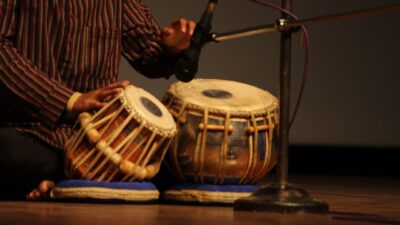
| वाद्य | violin · tabla · harmonium · accordion |
| भाव | मीठा-कड़वा · चुलबुला · रोमांटिक |
| लोकप्रियता | Very_popular |
| बोल-स्थिति | केवल झलक |
जुड़े हुए पन्ने
Connected Plates · The Graph Made Visibleअटलस में कोई पन्ना अकेला नहीं — इस गीत से जुड़े गीत, कलाकार, फ़िल्म, राग-ताल-विधा, सब यहाँ से खुलते हैं।
मिलते-जुलते गीत · Related Songs
कलाकार · The Artists
युग · The Era
साझा कीजिए · Share this Plate
यह पन्ना आगे बढ़ाइए
सादगी ही सबसे बड़ी परिष्कृति है — यह छोटा-सा युगल इसका प्रमाण है।
Simplicity is the ultimate sophistication — this little duet proves it.
— Music appreciation
सवाल-जवाब
Questions & Answersदम भर जो उधर मुँह फेरे किसने गाया? · Who sang Dum Bhar Jo Udhar Muh Phere?
यह युगल लता मंगेशकर और मुकेश ने गाया — क्रमशः नरगिस और राज कपूर के लिए।
The duet was sung by Lata Mangeshkar and Mukesh, providing playback for Nargis and Raj Kapoor respectively in the 1951 film Awaara.