गीत विंग · गीत-पट्टिका · Song Plate
भोली सूरत दिल के खोटे
Bholi Surat Dil Ke Khote
'नाम बड़े दर्शन छोटे' — राजेंद्र कृष्ण का हिंदी को दिया सबसे बड़ा तोहफ़ा, जो एक फ़िल्मी गीत की पंक्ति से मुहावरा बन गई।
भावमीठा-कड़वा · Humorous · चुलबुला
भाषाHindi · Urdu गतिMedium-Fast स्वरूपयुगल
श्रेय
The Creditsबोल · The Lyrics
बोल — झलक · Lyrics Preview
नाम बड़े दर्शन छोटे
Naam bare darshan chote
कॉपीराइट के कारण केवल झलक — पूरे बोल आधिकारिक मंचों पर।
शब्दकोश
Word Meaningsसूत्र-वाक्य · The Hook
सूत्र-वाक्य
'नाम बड़े दर्शन छोटे' — राजेंद्र कृष्ण का हिंदी को दिया सबसे बड़ा तोहफ़ा, जो एक फ़िल्मी गीत की पंक्ति से मुहावरा बन गई।
In EnglishThe line 'naam bare darshan chote' was so brilliant it became a Hindi proverb — Rajendra Krishan's greatest gift to the language.
पट्टिका-लेख
The Monographपरिचय Overview
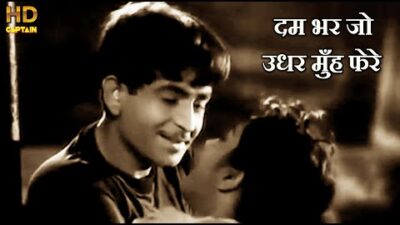
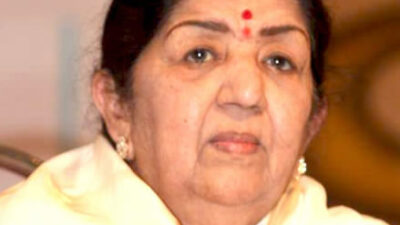
"भोली सूरत दिल के खोटे" — 'अलबेला' (1951) का वह अमर हास्य-युगल जिसमें लता मंगेशकर और सी. रामचंद्र (चितलकर के नाम से) की आवाज़ें गीता बाली और भगवान दादा के किरदारों में जान फूँकती हैं। राजेंद्र कृष्ण की चतुर पंक्ति 'नाम बड़े दर्शन छोटे' इतनी सटीक और यादगार है कि यह हिंदी भाषा में एक मुहावरे की तरह प्रचलित हो गई। सी. रामचंद्र का हल्का-फुल्का, पश्चिम-प्रभावित संगीत और उनकी खुद की नाक-भौंह वाली हास्य-आवाज़ लता की परिष्कृत गायकी के साथ एक अद्भुत विपरीतता बनाती है। यह 1951 का एक बड़ा रेडियो हिट था।
अंग्रेज़ी में पढ़ें · Read in English
"Bholi Surat Dil Ke Khote" is the irresistibly catchy comic duet from Albela (1951), featuring the unique pairing of Lata Mangeshkar and C. Ramchandra (singing as Chitalkar) for the lead pair of Geeta Bali and Bhagwan Dada. Composed by C. Ramchandra with Rajendra Krishan's witty lyrics, this duet stands out for its wordplay: the famous line 'naam bare darshan chote' (great in name but small on sight) is so apt and memorable that it passed into common Hindi speech as a proverb. C. Ramchandra's musical arrangement is sprightly and Western-influenced, and his own singing voice — nasal, comic, perfectly calibrated — contrasts delightfully with Lata's polished delivery. The song was one of 1951's biggest radio hits and remains beloved for its wit and bounce.
संगीत The Music
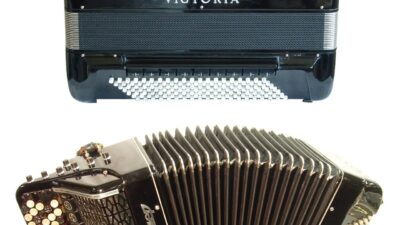
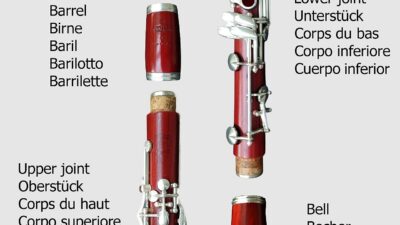
सी. रामचंद्र का इस युगल के लिए संयोजन हल्का और उछलता हुआ है — तेज़ ताल, क्लेरिनेट और अकॉर्डियन की हास्यपूर्ण टंकारें। चितलकर के रूप में उनका अपना गायन एक अलग ही आनंद है — नाक-भौंह, थोड़ा आत्म-ह्रास, बिल्कुल हास्य के लिए गढ़ा हुआ — जो लता की परिष्कृत, सटीक गायकी के साथ एक शानदार विपरीतता बनाता है। दोनों के बीच यह आरोप-प्रत्यारोप का ढाँचा एक सामान्य प्रारूप था जिसे सी. रामचंद्र ने संगीत-आविष्कार से एक कला में बदला।
अंग्रेज़ी में पढ़ें · Read in English
C. Ramchandra's arrangement for this duet is light and bouncy, driven by a fast-strummed rhythm section and punctuated by clarinet and accordion interjections that add a comic texture. His own vocal performance as Chitalkar is one of the delights of the song — nasal, slightly self-deprecating, perfectly calibrated for comedy — contrasting brilliantly with Lata's polished, precise delivery. The exchange structure of the duet (where the pair trade accusations that are simultaneously playful insults and declarations of attraction) was a standard format that C. Ramchandra elevated through sheer musical invention. The hook — both melodic and lyrical — is immediately memorable.
काव्य The Poetry
यह गीत एक हास्यपूर्ण दार्शनिक सिद्धांत पर चलता है: जो दिखता है वह होता नहीं। 'भोली सूरत' के पीछे 'दिल के खोटे' छिपे हैं; इसी तरह खुरदरे बाहर में सोने-सा दिल हो सकता है। राजेंद्र कृष्ण इस अवलोकन को एक पंक्ति में समेटते हैं और फिर पूरे गीत में इसके निहितार्थ बुनते हैं। 'नाम बड़े दर्शन छोटे' — यह पंक्ति पुरानी कहावत जैसी लगती है लेकिन है बिल्कुल नई — यही राजेंद्र कृष्ण की सबसे बड़ी खूबी है।
अंग्रेज़ी में पढ़ें · Read in English
The lyric operates on a comic philosophical principle: appearances are deceptive. 'Bholi surat' (innocent face) masks 'dil ke khote' (corrupt of heart); conversely, a rough exterior might hide a golden heart. Rajendra Krishan packs this observation into a single devastating couplet and then builds the song around its implications. The insertion of the proverbial-sounding 'naam bare darshan chote' demonstrates his gift for lines that sound like ancient wisdom while being perfectly new inventions.
कहानी The Story
सी. रामचंद्र का पुरुष भाग खुद गाने का निर्णय (चितलकर के नाम से) उनके रचनात्मक आत्म-समर्पण का एक विशिष्ट कार्य था। वे एक बहु-प्रतिभाशाली संगीतकार थे — बनाते थे, व्यवस्था करते थे, वाद्य बजाते थे, गाते थे — कभी-कभी एक ही फ़िल्म में सब कुछ। अलबेला के लिए लता मंगेशकर के साथ उनकी गहरी मित्रता का मतलब था कि रिकॉर्डिंग सत्र खेल-भाव से भरे थे, और दोनों के बीच की स्वाभाविक रसायन इस गीत की हास्य-छेड़छाड़ वाली गुणवत्ता में झलकती है।
अंग्रेज़ी में पढ़ें · Read in English
C. Ramchandra's decision to sing the male part himself (as 'Chitalkar') was a characteristic act of creative self-insertion. He was a multi-talented musician who composed, orchestrated, played instruments, and sang — sometimes all for the same film. For Albela, his close friendship with Lata Mangeshkar meant the recording sessions were reportedly relaxed and playful, with the natural chemistry between them helping to produce the comic teasing quality that makes the song so special. Bhagwan Dada's comic timing on screen matched perfectly with C. Ramchandra's vocal comic instinct.
विरासत The Legacy
'नाम बड़े दर्शन छोटे' वाक्यांश इतनी गहराई से भारतीय रोजमर्रा की बोली में घुल गया है कि अनेक लोग जो इसे इस्तेमाल करते हैं, उन्हें पता भी नहीं होगा कि यह इस गीत की पंक्ति है। एक गीतकार की सबसे बड़ी उपलब्धि यही है — जब रचना अपनी उत्पत्ति से परे हो जाए। गीत की अदम्य ऊर्जा इसे परिवारिक समारोहों और अंताक्षरी में सात दशक बाद भी उतना ही प्रिय बनाती है।
अंग्रेज़ी में पढ़ें · Read in English
The phrase 'naam bare darshan chote' has passed so thoroughly into Indian popular speech that many who use it may not know it originated in this song. This is the highest form of legacy a lyricist can achieve — when the creation transcends its origin. The song's irrepressible bounce has kept it popular at family gatherings and antakshari games for over seventy years.
वर्गीकरण
Classification- Tempo
- Medium-Fast
Genre
अन्य विवरण
More Details- Wikipedia: Albela (1951 film)
- Wikipedia: C. Ramchandra
- Hindi Film Geet Kosh Vol. 3 by Harmandir Singh Hamraaz
- Saregama official catalog
References
रोचक तथ्य
Margin Notesकहावत 'नाम बड़े दर्शन छोटे' हिंदी बोलचाल में इस क़दर रच-बस गई है कि यह सामान्य कहावतों के शब्दकोशों में भी दर्ज है, जबकि इसकी फ़िल्मी उत्पत्ति को शायद ही कभी स्वीकार किया जाता है।
अंग्रेज़ी में पढ़ें · Read in English
The proverb 'naam bare darshan chote' is so embedded in Hindi speech that it appears in dictionaries of common proverbs, with the filmic origin rarely acknowledged.
सी. रामचंद्र (1918–1982) ने अपने पूरे करियर में 'चितलकर' नाम से गायन किया — यह मंच-नाम उन्होंने अपने आरंभिक वर्षों में अपनाया था।
अंग्रेज़ी में पढ़ें · Read in English
C. Ramchandra (1918–1982) sang under the name 'Chitalkar' throughout his career, a stage name he had adopted during his early years.
लता मंगेशकर और सी. रामचंद्र की जोड़ी 1950 के दशक की सबसे रचनात्मक (और कभी-कभी तूफ़ानी) संगीतिक साझेदारियों में से एक थी — साथ में उनका सर्वश्रेष्ठ काम इसी दौर में हुआ।
अंग्रेज़ी में पढ़ें · Read in English
Lata Mangeshkar and C. Ramchandra had one of the most creative (and sometimes tempestuous) musical partnerships of the 1950s — their best work together came in this period.
भगवान दादा अपनी असाधारण कलाबाज़ी क्षमताओं के लिए जाने जाते थे, और फ़िल्म में इस गीत दृश्य की नृत्य-रचना ने उनकी शारीरिक प्रदर्शन-शैली को प्रदर्शित किया।
अंग्रेज़ी में पढ़ें · Read in English
Bhagwan Dada was known for his extraordinary acrobatic abilities, and the choreography of this song sequence in the film showcased his physical performance style.
नमूना-पट्टी
The Specimen Table| शीर्षक | भोली सूरत दिल के खोटे · Bholi Surat Dil Ke Khote |
|---|---|
| वर्ष · युग | 1951 — Golden Era |
| गायक | Lata Mangeshkar, C. Ramchandra |
| गीतकार | Rajendra Krishan |
| संगीतकार | C. Ramchandra |
| स्वरूप | युगल |
| गति | Medium-Fast |
| अवधि | 3:40 |
| भाषा | Hindi · Urdu |
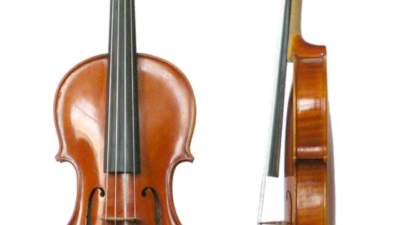
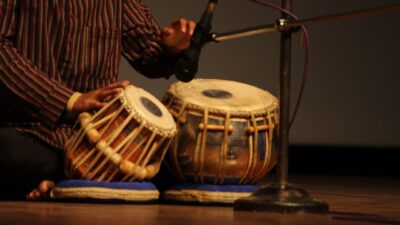
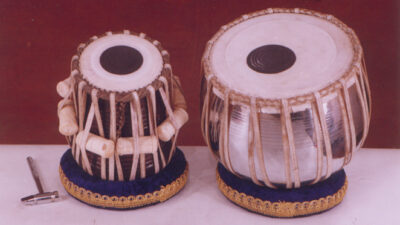
| वाद्य | violin · tabla · accordion · clarinet |
| भाव | मीठा-कड़वा · Humorous · चुलबुला |
| लोकप्रियता | Legendary |
| बोल-स्थिति | केवल झलक |
जुड़े हुए पन्ने
Connected Plates · The Graph Made Visibleअटलस में कोई पन्ना अकेला नहीं — इस गीत से जुड़े गीत, कलाकार, फ़िल्म, राग-ताल-विधा, सब यहाँ से खुलते हैं।
मिलते-जुलते गीत · Related Songs
कलाकार · The Artists
युग · The Era
साझा कीजिए · Share this Plate
यह पन्ना आगे बढ़ाइए
राजेंद्र कृष्ण ने एक पंक्ति में जीवन का पूरा दर्शन भर दिया — और भारत तब से उसे दोहरा रहा है।
Rajendra Krishan put a whole philosophy of life into one line — and India's been quoting it ever since.
— Music historian on 'naam bare darshan chote'
सवाल-जवाब
Questions & Answers'नाम बड़े दर्शन छोटे' कहाँ से आया? · Where does 'naam bare darshan chote' come from?
यह वाक्यांश 1951 की फ़िल्म अलबेला के गीत 'भोली सूरत दिल के खोटे' से आया है, जो गीतकार राजेंद्र कृष्ण ने लिखा था। तब से यह एक आम हिंदी मुहावरा बन गया है।
The phrase originated in the song 'Bholi Surat Dil Ke Khote' from the 1951 film Albela, written by lyricist Rajendra Krishan. It has since become a common Hindi proverb meaning 'great in name but small in person.'