गीत विंग · गीत-पट्टिका · Song Plate
माता तेरे चरणों में
Mata Tere Charnon Mein
वह भजन जो पंद्रह बरस की लता मंगेशकर ने मास्टर विनायक की पहली हिंदी फ़िल्म में गाया — उस आवाज़ के पहचानी जाने से तीन साल पहले जो आगे चलकर पूरे उद्योग को अपने में समेट लेने वाली थी।
भावभक्ति · शांत · आध्यात्मिक
भाषाhindi गतिमध्यम स्वरूपयुगल
श्रेय
The Creditsसूत्र-वाक्य · The Hook
सूत्र-वाक्य
वह भजन जो पंद्रह बरस की लता मंगेशकर ने मास्टर विनायक की पहली हिंदी फ़िल्म में गाया — उस आवाज़ के पहचानी जाने से तीन साल पहले जो आगे चलकर पूरे उद्योग को अपने में समेट लेने वाली थी।
In EnglishThe bhajan a fifteen-year-old Lata Mangeshkar sang in Master Vinayak's Prafulla Pictures production — three years before the voice that would swallow the industry became unmistakable.
पट्टिका-लेख
The Monographपरिचय Overview
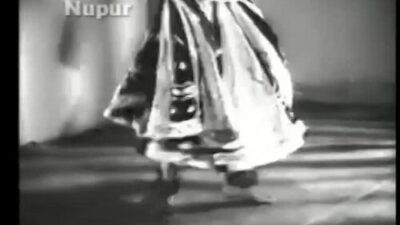
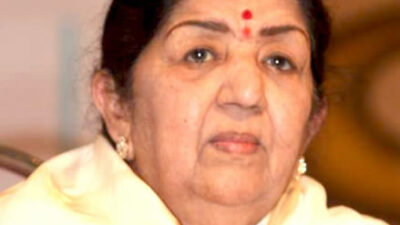
'माता तेरे चरणों में' वह भजन है जो लता मंगेशकर 'बड़ी माँ' (1945) में गाती हैं — मास्टर विनायक के प्रफुल्ल पिक्चर्स बैनर की पहली हिंदी फ़िल्म। विकिपीडिया इसका श्रेय लता मंगेशकर के साथ फ़िल्म के नायक ईश्वरलाल को भी देता है; हिंदीगीतमाला केवल लता का नाम देती है और इसे भक्ति गीतों में रखती है। बोल ज़िया सरहदी के हैं, संगीत के. दत्त का। यह फ़िल्म का सबसे अच्छा गीत नहीं है और न ही फ़िल्म की स्टार का गाया हुआ — और फिर भी इतिहास ने इसी को संभाल रखा है, क्योंकि यह उस आवाज़ की सबसे शुरुआती बची हुई हिंदी फ़िल्मी रिकॉर्डिंगों में से एक है जो आगे आधी सदी तक इस माध्यम पर छाई रहने वाली थी।
अंग्रेज़ी में पढ़ें · Read in English
'Mata Tere Charnon Mein' is the bhajan Lata Mangeshkar sings in Badi Maa (1945), made by Master Vinayak under his Prafulla Pictures banner. Wikipedia credits it to Lata Mangeshkar with Ishwarlal, the film's leading man; hindigeetmala lists Lata alone and files it under devotional songs. Zia Sarhadi wrote the words, K. Datta the music. It is not the best song in the film and it is not sung by the film's star — and it is the one that history has kept, because it is one of the earliest surviving Hindi film recordings of a voice that would go on to dominate the medium for half a century.
संगीत The Music
के. दत्त सावंतवाड़ी में भक्ति-संगीत के बीच बड़े हुए — उनकी माँ प्रतिष्ठित भजन-गायिका थीं और फ़िल्म के लिए लिखने से बहुत पहले वे गणेशोत्सव की सभाओं में गाते थे — इसलिए इस संगीत में भजन ही वह स्वर है जिसमें वे सबसे सहज थे। 1945 में फ़िल्मी भजन एक काफ़ी तय हो चुका रूप था: सरल, अधिकतर क्रमिक चाल वाली धुन जो सुविधाजनक स्वर-सीमा में रहे, एक सादा ताल-चक्र, और ऐसा टेक जिसमें श्रोता साथ गा सकें। यह रूप उस पंद्रह बरस की गायिका के लिए भी उपयुक्त था जिसने अपने पिता मास्टर दीनानाथ से तालीम पाई थी और जिसे उस समय आवाज़ जितना ही परदे पर मौजूदगी के लिए भी लिया जा रहा था।
अंग्रेज़ी में पढ़ें · Read in English
K. Datta was raised on devotional music in Sawantwadi — his mother was a respected bhajan singer and he sang at Ganesh-festival gatherings before he ever wrote for film — so the bhajan is the register of this score he was most at home in. In 1945 a film bhajan was a fairly settled form: a simple, mostly stepwise melody kept inside a comfortable range, a plain rhythmic cycle, and a refrain designed so that an audience could join it. That form also suited a fifteen-year-old singer who had trained under her father Master Dinanath and was, at this point in her career, still being cast as much for her presence on screen as for her voice.
काव्य The Poetry
गीत माता को संबोधित करता है और उनके चरणों में कुछ रख देता है — भारतीय भक्ति-काव्य का सबसे पुराना संकेत, जहाँ 'चरणों में' का अर्थ है अपने सही होने के दावे का पूरा समर्पण। इस फ़िल्म में इस वाक्यांश की एक दूसरी धार भी है: 'बड़ी माँ' की माँ केवल देवी नहीं है — शीर्षक की 'बड़ी माँ' भारत है, और कथा उसे आक्रमण से बचाने की है। 1945 की युद्ध-प्रयास वाली फ़िल्म में माँ के चरणों में रखी गई प्रार्थना एक साथ भक्ति और देशभक्ति — दोनों का काम कर रही है, और ज़िया सरहदी, जो पटकथा-लेखक भी थे, बख़ूबी जानते होंगे कि ये दोनों पाठ किस तरह एक-दूसरे में मुड़ने चाहिए।
अंग्रेज़ी में पढ़ें · Read in English
The lyric addresses a mother and lays something at her feet — the oldest gesture in Indian devotional verse, where 'charnon mein' (at your feet) marks the complete surrender of the claim to be right. What gives the phrase a second edge in this film is that Badi Maa's mother is not only the goddess: the title's 'elder mother' is India, and the plot is about defending her from invasion. A prayer placed at a mother's feet inside a 1945 war-effort picture is doing devotional and patriotic work at the same time, and Zia Sarhadi — who wrote the screenplay as well — would have known exactly how the two readings were meant to fold together.
कहानी The Story
मास्टर विनायक मंगेशकर परिवार के घनिष्ठ मित्र थे। 1942 में मास्टर दीनानाथ मंगेशकर के निधन के बाद जब परिवार की आमदनी ख़त्म हो गई, तो विनायक ने उनकी ज़िम्मेदारी उठाई; वे तेरह बरस की लता को मराठी 'पहिली मंगळागौर' (1942) में ले चुके थे और अपनी फ़िल्मों में उन्हें काम देते रहे। 'बड़ी माँ' उनकी पहली हिंदी फ़िल्म थी, और इसमें लता और उनकी छोटी बहन आशा भोसले — दोनों छोटी भूमिकाओं में परदे पर हैं; लता इस भजन के साथ। 1945 में कंपनी ने अपना मुख्यालय कोल्हापुर से बंबई हटाया और मंगेशकर परिवार भी साथ आया — यही वह क़दम था जिसने लता को उन बंबइया संगीतकारों की पहुँच में ला दिया जो जल्द ही उनका करियर बनाने वाले थे।
अंग्रेज़ी में पढ़ें · Read in English
Master Vinayak was a close friend of the Mangeshkar family. When Master Dinanath Mangeshkar died in 1942 and left the family without income, Vinayak took charge of them; he had already cast the thirteen-year-old Lata in the Marathi Pahili Mangalagaur (1942) and kept giving her work in his productions. Badi Maa was made under his Prafulla Pictures banner, and both Lata and her younger sister Asha Bhosle appear in it in minor on-screen roles — Lata with this bhajan. In 1945 the company moved its headquarters from Kolhapur to Bombay and the Mangeshkars moved with it, which is the shift that put Lata within reach of the Bombay music directors who would soon make her career.
विरासत The Legacy
लता मंगेशकर का पहला हिंदी गीत मराठी फ़िल्म 'गजाभाऊ' (1943) का 'माता एक सपूत की दुनिया बदल दे तू' था; 'माता तेरे चरणों में' वह गीत है जो उन्होंने एक हिंदी फ़िल्म में गाया, और उनके शुरुआती वर्षों के हर विवरण में 'बड़ी माँ' की पहली प्रविष्टि यही होती है। उनकी असली सफलता तब भी तीन साल दूर थी — ग़ुलाम हैदर उन्हें 'शहीद' (1948) के लिए निर्माता शशधर मुखर्जी के पास ले गए, जवाब मिला कि आवाज़ 'बहुत पतली' है, और हैदर ने कहा कि एक दिन निर्माता इनसे गाने की मिन्नत करेंगे; फिर उन्होंने 'मजबूर' (1948) में 'दिल मेरा तोड़ा' दिया। 'बड़ी माँ' उस आवाज़ को उस समय के रूप में सुरक्षित रखती है जब उस पर किसी को यक़ीन नहीं था। और यह उन्हें एक ही साउंडट्रैक पर नूर जहाँ के साथ भी रखती है — उसी गायिका के साथ, जिसकी जगह विभाजन के बाद लता को मिलनी थी।
अंग्रेज़ी में पढ़ें · Read in English
Lata Mangeshkar's first Hindi song was 'Mata Ek Sapoot Ki Duniya Badal De Tu' for the Marathi film Gajaabhaau (1943); 'Mata Tere Charnon Mein' is the song she sang in a Hindi film, and it is routinely the first Badi Maa entry in any account of her early years. Her breakthrough was still three years away — Ghulam Haider took her to producer Sashadhar Mukherjee for Shaheed (1948), was told her voice was 'too thin', and answered that producers would one day beg her to sing; then gave her 'Dil Mera Toda' in Majboor (1948). Badi Maa preserves what that voice sounded like before anyone was certain. It also puts her, on a single soundtrack, alongside Noor Jehan — the singer whose position in Hindi film music she would inherit after Partition took Noor Jehan to Pakistan.
वर्गीकरण
Classification- Tempo
- Medium
Genre
अन्य विवरण
More Details- https://en.wikipedia.org/wiki/Badi_Maa
- https://en.wikipedia.org/wiki/Lata_Mangeshkar
- https://en.wikipedia.org/wiki/Master_Vinayak
- https://www.hindigeetmala.net/song/mata_tere_charno_me.htm
- https://www.hindigeetmala.net/movie/badi_maa_1945.htm
References
रोचक तथ्य
Margin Notes'बड़ी माँ' वही फ़िल्म है जिसमें लता मंगेशकर और उनकी छोटी बहन आशा भोसले — दोनों अपने करियर के बिलकुल आरंभ में परदे पर दिखती हैं; लता गाती हैं, आशा की छोटी भूमिका है।
अंग्रेज़ी में पढ़ें · Read in English
Badi Maa is the film in which both Lata Mangeshkar and her younger sister Asha Bhosle appear on screen at the very start of their careers; Lata sings, Asha has a minor role.
लता मंगेशकर को अभिनय पसंद नहीं था। उन्होंने कहा है कि सेट की रोशनियाँ और हुक्म चलाए जाना उन्हें असहज करता था — लेकिन 1940 के दशक के मध्य में उद्योग में ऐसी गायिका के लिए जगह नहीं बनी थी जो सिर्फ़ गाती हो।
अंग्रेज़ी में पढ़ें · Read in English
Lata Mangeshkar disliked acting. She has said the lights and being ordered about on set made her uncomfortable, but in the mid-1940s the industry had not yet made room for a singer who only sang.
विकिपीडिया इस गीत का श्रेय लता मंगेशकर के साथ ईश्वरलाल को देता है, जो फ़िल्म में दिनेश की भूमिका में हैं; हिंदीगीतमाला केवल लता का नाम देती है। दोनों स्रोत-रूप यहाँ दर्ज हैं, और ईश्वरलाल का नाम सत्यापन के लिए चिह्नित है।
अंग्रेज़ी में पढ़ें · Read in English
Wikipedia credits the song to Lata Mangeshkar with Ishwarlal, who plays Dinesh in the film; hindigeetmala lists Lata alone. Both source forms are recorded here, with Ishwarlal flagged for verification.
मास्टर विनायक, जिन्होंने लता को इस फ़िल्म में रखा, 19 अगस्त 1947 को बंबई में चल बसे — स्वतंत्रता के चार दिन बाद।
अंग्रेज़ी में पढ़ें · Read in English
Master Vinayak, who put Lata in this film, died in Bombay on 19 August 1947 — four days after Independence.
नमूना-पट्टी
The Specimen Table| शीर्षक | माता तेरे चरणों में · Mata Tere Charnon Mein |
|---|---|
| फ़िल्म | बड़ी माँ · 1945 |
| वर्ष · युग | 1945 — Pre-Independence (1931-1947) |
| गायक | Lata Mangeshkar, Ishwarlal |
| गीतकार | Zia Sarhadi |
| संगीतकार | के. दत्त (दत्ता कोरगांवकर) |
| स्वरूप | युगल |
| गति | मध्यम |
| भाषा | hindi |
| भाव | भक्ति · शांत · आध्यात्मिक |
| लोकप्रियता | Known |
| बोल-स्थिति | केवल झलक |
जुड़े हुए पन्ने
Connected Plates · The Graph Made Visibleअटलस में कोई पन्ना अकेला नहीं — इस गीत से जुड़े गीत, कलाकार, फ़िल्म, राग-ताल-विधा, सब यहाँ से खुलते हैं।
मिलते-जुलते गीत · Related Songs
कलाकार · The Artists
फ़िल्म · The Film
साझा कीजिए · Share this Plate