कलाकार विंग · कलाकार-पट्टिका · Artist Plate
दत्ता कोरगांवकर
Datta Korgaonkar
जन्म1908 — Sawantwadi, Konkan (present-day Maharashtra), India
निधन1978
जीवन-पट्टी
The Life Specimen| नाम | दत्ता कोरगांवकर · Datta Korgaonkar |
|---|---|
| जन्म | 1908 — Sawantwadi, Konkan (present-day Maharashtra), India |
| निधन | 1978 |
| भूमिकाएँ | संगीतकार |
पट्टिका-लेख
The Monographजीवनी Biography
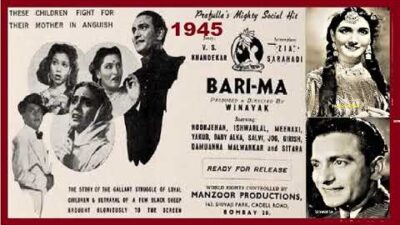
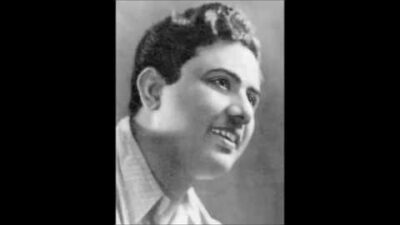
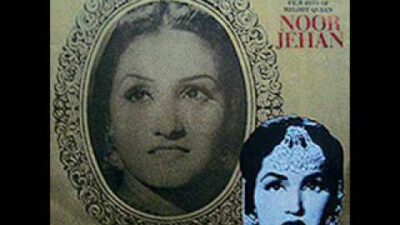
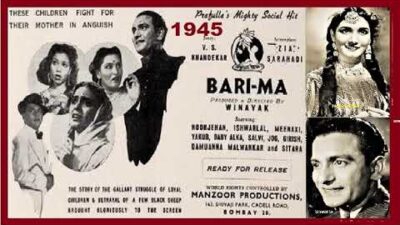
दत्ता कोरगांवकर, जिन्हें हिंदी फ़िल्मों में के. दत्ता के नाम से श्रेय दिया जाता था, का जन्म 4 जून 1908 को कोंकण क्षेत्र के सावंतवाड़ी में हुआ। वे भक्ति-संगीत के माहौल में पले-बढ़े — उनकी माँ एक सम्मानित भजन गायिका थीं — और युवावस्था में गणेशोत्सव समारोहों तथा स्थानीय मेलों में प्रस्तुतियाँ दीं, इसके बाद उन्होंने गायक सदाशिव नेवरेकर के साथ मिलकर संगीत विद्यालय गायन कला मंदिर की स्थापना की। उन्होंने मराठी सिनेमा में संगीत निर्देशक के रूप में फ़िल्म-करियर शुरू किया, अपनी शुरुआत चंद्रराव मोरे (1938) से की, और अगले वर्ष मेरा हक़ (1939) के साथ हिंदी फ़िल्मों में कदम रखा। के. दत्ता के नाम से स्वतंत्र रूप से काम करते हुए, उन्होंने 1930 के दशक के अंत से 1965 तक लगभग 17 हिंदी फ़िल्मों में संगीत दिया, जिनमें अलख निरंजन (1940), गीता (1940), याद (1942), महारथी कर्ण (1944), बड़ी माँ (1945), शाहकार (1947), रंगमहल (1948), दामन (1951), रिश्ता (1954) और अजनबी (1966) शामिल हैं, साथ ही एक दर्जन मराठी फ़िल्में भी। कोरगांवकर गायिका नूरजहाँ की आवाज़ के प्रशंसक के रूप में जाने जाते थे, और उन्होंने नादान (1943) तथा बड़ी माँ (1945) जैसी फ़िल्मों में उनके लिए लगभग ग्यारह गीत रचे; उन्हें युवा लता मंगेशकर और आशा भोंसले को कोरस-गायिका के रूप में शुरुआती अवसर देने का श्रेय भी दिया जाता है। उन्होंने 1965 के बाद फ़िल्म-संगीत से संन्यास लेकर स्वयं को भजन, पूजा-पाठ और ज्योतिष के लिए समर्पित कर दिया, और 23 दिसंबर 1978 को हृदयाघात से बंबई में उनका निधन हुआ।
अंग्रेज़ी में पढ़ें · Read in English
Datta Korgaonkar, credited on Hindi films as K. Datta, was born on 4 June 1908 in Sawantwadi in the Konkan region. He grew up steeped in devotional music, influenced by his mother, a respected bhajan singer, and performed at Ganesh festival gatherings and local fairs in his youth before co-founding the music school Gayan Kala Mandir together with singer Sadashiv Nevrekar.
He entered the film industry as a music director in Marathi cinema, making his debut with Chandrarao Morey (1938), and crossed into Hindi films the following year with Mera Haq (1939). Working independently as K. Datta, he went on to score roughly 17 Hindi films between the late 1930s and 1965, including Alakh Niranjan (1940), Geeta (1940), Yaad (1942), Maharathi Karna (1944), Badi Maa (1945), Shaahkaar (1947), Rangmahal (1948), Daman (1951), Rishta (1954), and Ajanabi (1966), alongside a dozen Marathi-language films.
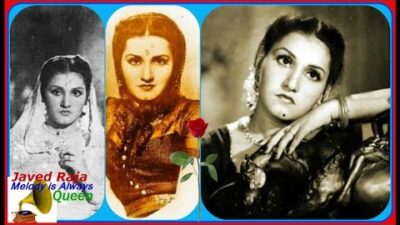
Korgaonkar was noted for his admiration of singer Noor Jehan's voice, composing around eleven songs for her in films including Nadan (1943) and Badi Maa (1945), and he is credited with giving the young Lata Mangeshkar and Asha Bhosle some of their earliest opportunities as chorus singers. He retired from film composing after 1965 to devote himself to bhajan singing, worship, and astrology, and died in Bombay on 23 December 1978 following a heart attack.
अन्य विवरण
More Details- Birth Year
- 1908
- Death Year
- 1978
अभिलेख-सार
Discography Summary| संग्रह में गीत | 24 — नीचे जुड़े हुए पन्नों में सूचीबद्ध |
|---|
जुड़े हुए पन्ने
Connected Plates · The Graph Made Visibleअटलस में कोई पन्ना अकेला नहीं — दत्ता कोरगांवकर से उनके गीत, फ़िल्में, घराना, समकालीन और युग, सब यहाँ से खुलते हैं।
हस्ताक्षर-गीत · Signature Songs
फ़िल्में · The Films
साझा कीजिए · Share this Plate