किसी तरह से मुहब्बत में चैन पा ना सके
Kisi Tarah Se Mohabbat Mein Chain Paa Na Sakey
गीत विंग · गीत-पट्टिका · Song Plate
Aa Intezar Hai Tera Dil Beqarar Hai Mera
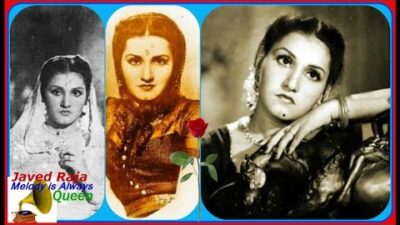
'बड़ी माँ' से नूर जहाँ का सबसे जाना-पहचाना एकल गीत — एक ही साँस में न्योता भी और इक़बाल भी: आ जा, क्योंकि मुझसे ठहरा नहीं जाता।
भावउदास · पुरानी यादें · रोमांटिक
भाषाUrdu · Hindi गतिधीमी स्वरूपएकल महिला
सूत्र-वाक्य · The Hook
'बड़ी माँ' से नूर जहाँ का सबसे जाना-पहचाना एकल गीत — एक ही साँस में न्योता भी और इक़बाल भी: आ जा, क्योंकि मुझसे ठहरा नहीं जाता।
In EnglishNoor Jehan's best-known solo from Badi Maa — an invitation and a confession in the same breath: come, because I cannot be still.
'आ इंतज़ार है तेरा दिल बेक़रार है मेरा' मास्टर विनायक के अपने बैनर प्रफुल्ल पिक्चर्स की पहली हिंदी फ़िल्म 'बड़ी माँ' (1945) में नूर जहाँ के चार एकल गीतों में सबसे ज़्यादा प्रचलित है। बोल ज़िया सरहदी के — वही सरहदी जो फ़िल्म के पटकथा-लेखक भी थे — और संगीत के. दत्त का। शीर्षक में ही गीत की दोनों गतियाँ हैं: बाहर की ओर कहा गया आदेश 'आ', और भीतर की ओर मुड़ी हुई बेक़रारी की स्वीकारोक्ति। 1945 में नूर जहाँ बंबई की सबसे बिकाऊ गायिका-अभिनेत्री थीं — उस विभाजन से दो साल पहले जो उनका भारतीय करियर ख़त्म कर देने वाला था।
'Aa Intezar Hai Tera Dil Beqarar Hai Mera' is the most circulated of the four Noor Jehan solos in Badi Maa (1945), made by Master Vinayak for his own Prafulla Pictures banner. Zia Sarhadi — who also wrote the film's screenplay — wrote the words; K. Datta composed. The title carries both halves of the song's move: the imperative 'aa' (come) addressed outward, and the admission of a restless heart turned inward. In 1945 Noor Jehan was the most bankable singing star in Bombay, two years from the Partition that would end her Indian career.
के. दत्त का 'बड़ी माँ' का संगीत वाद्य-महत्वाकांक्षा से नहीं, आवाज़ों के बँटवारे से तय होता है: नूर जहाँ को चार वयस्क विरह-गीत, बाल-गायिका बेबी अलका को तीन हल्के, लता मंगेशकर को भक्ति और देशभक्ति का स्वर, मीनाक्षी को एक। 1945 का बंबइया फ़िल्मी गीत शेलैक तवे के एक ही पार्श्व में काटा जाता था और गायिका तथा वाद्यवृंद एक ही कमरे में एक ही बार में रिकॉर्ड होते थे — इसलिए इस जैसे धीमे गीत का लगभग पूरा भार गायिका पर आता था। नूर जहाँ, अपने भारतीय करियर के शिखर पर, उन गिनी-चुनी आवाज़ों में थीं जो लंबी, बिना जल्दी वाली स्वर-रेखा बिना दिखते प्रयास के थाम सकती थीं। इस रिकॉर्डिंग की विशिष्ट साज-सज्जा उपलब्ध स्रोतों में दर्ज नहीं है और यहाँ उसका वर्णन नहीं किया गया।
K. Datta's Badi Maa score is organised by voice rather than by orchestral ambition: four adult heartbreak numbers to Noor Jehan, three light ones to the child singer Baby Alka, the devotional and patriotic register to Lata Mangeshkar, one to Meenaxi. A 1945 Bombay film song was cut to a single side of a shellac disc and recorded in one pass with singer and orchestra in the same room, so the weight of a slow number like this rested almost entirely on the vocalist. Noor Jehan, at the height of her Indian career, was among the very few who could carry a long, unhurried line without visible effort. The specific arrangement of this recording is not documented in the sources consulted and is not described here.
'बेक़रार' उर्दू प्रेम-कविता के भार उठाने वाले शब्दों में है: यह उदासी नहीं, ठहर न पाने की हालत बताता है — उस व्यक्ति की स्थिति जो अपने ही शरीर में स्थिर नहीं बैठ सकता। ज़िया सरहदी इसे 'इंतज़ार' के सामने रखते हैं, और यह जोड़ी जान-बूझकर असंतुलित है। इंतज़ार धैर्य और अवधि माँगता है; बेक़रारी दोनों से इनकार है। यानी पंक्ति किसी ऐसे व्यक्ति का वर्णन करती है जो धैर्य वाला काम बेसब्री से कर रहा है — और किसी की राह देखना असल में ऐसा ही होता है। सरहदी मूलतः पटकथा-लेखक थे, बाद में 'हम लोग' (1951) और 'फ़ुटपाथ' (1953) के निर्देशक, और उनके गीत सजावटी बिंब से ज़्यादा सटीक मनोवैज्ञानिक वर्णन की ओर जाते हैं।
'Beqarar' is one of the load-bearing words of Urdu love poetry: it names not sadness but the inability to settle, the state of a person who cannot sit still in their own body. Zia Sarhadi sets it against 'intezar' — waiting — and the pairing is deliberately unbalanced. Waiting implies patience and duration; restlessness is the refusal of both. So the line describes someone doing a patient thing impatiently, which is a precise account of what it is actually like to wait for someone. Sarhadi was primarily a screenwriter, later the director of Hum Log (1951) and Footpath (1953), and his lyrics tend to reach for the exact psychological description rather than the decorative image.
'बड़ी माँ' द्वितीय विश्वयुद्ध के गृह-मोर्चे का नाटक है। नूर जहाँ हेमा हैं — साहूकार घनश्याम की बेटी और राजिंदर की बहन, जो चुपके से जापानियों की जासूसी कर रहा है; वे दिनेश से प्रेम करती हैं, जो ब्लिट्ज़ के दौरान लंदन में फँसा है जबकि उन्हीं के परिवार की कर्ज़-वसूली उसके पिता को तबाह कर रही है। फ़िल्म के साथ एक असामान्य टिप्पणी भी जुड़ी है: उसी साउंडट्रैक पर पंद्रह बरस की लता मंगेशकर एक भजन गाती हैं और परदे पर भी दिखती हैं, और उनकी छोटी बहन आशा भोसले भी। मास्टर विनायक मंगेशकर परिवार के घनिष्ठ मित्र थे और 1942 में मास्टर दीनानाथ मंगेशकर के निधन के बाद उन्होंने परिवार की ज़िम्मेदारी उठाई थी। 'फ़िल्मइंडिया' ने सितंबर 1945 में इसे 'प्रचार-सामाजिक' और 'साल का सबसे सड़ा तमाशा' कहकर ख़ारिज किया; फिर भी यह साल की तीसरी सबसे अधिक कमाई करने वाली भारतीय रिलीज़ रही।
Badi Maa is a Second World War home-front drama. Noor Jehan plays Hema, daughter of the moneylender Ghanshyam and sister of Rajinder, who is secretly spying for the Japanese; she is in love with Dinesh, stranded in London through the Blitz while her family's debt-collecting ruins his father. The film also carries an unusual footnote: a fifteen-year-old Lata Mangeshkar sings a bhajan on the same soundtrack and appears on screen, as does her younger sister Asha Bhosle. Master Vinayak, a close friend of the Mangeshkar family, had taken charge of them after Master Dinanath Mangeshkar's death in 1942. Filmindia panned the film in September 1945 as a 'propaganda social' and 'the year's most rotten show'; it finished as the third highest-grossing Indian release of the year.
नूर जहाँ 1947 के विभाजन पर पाकिस्तान चली गईं और फिर कभी किसी हिंदी फ़िल्म के लिए नहीं गाईं — इसलिए 1945–46 में बंबई में उन्होंने जो कुछ रिकॉर्ड किया वह एक बंद होती खिड़की का है; यही वजह है कि उनके भारतीय दौर को खोजने वाले श्रोता 'बड़ी माँ' के एकल गीतों पर बार-बार लौटते हैं, और यही गीत, चारों में सबसे प्रचलित, ऑनलाइन बना रहा है। फ़िल्म का एक दूसरा, अजीबतर दावा भी है: उसी साउंडट्रैक के दूसरे छोर पर लता मंगेशकर की सबसे शुरुआती बची हुई हिंदी फ़िल्मी रिकॉर्डिंगों में से एक है। 'बड़ी माँ' उन बहुत कम फ़िल्मों में है जो विभाजन से पहले हिंदी फ़िल्मी गीत को परिभाषित करने वाली आवाज़ और उसके बाद उसे नए सिरे से परिभाषित करने वाली आवाज़ — दोनों को एक ही रिकॉर्ड पर रखती हैं।
Noor Jehan migrated to Pakistan at Partition in 1947 and never sang for a Hindi film again, so everything she recorded in Bombay in 1945–46 belongs to a closing window — which is why listeners tracing her Indian period return to the Badi Maa solos so persistently, and why this one, the most circulated of the four, has stayed in circulation online. The film has a second, stranger claim on posterity: on the other side of the same soundtrack is one of the earliest surviving Hindi film recordings of Lata Mangeshkar. Badi Maa is one of very few films that place the voice which defined Hindi film song before Partition and the voice that redefined it afterwards on the same record.
'बड़ी माँ' 1945 की तीसरी सबसे अधिक कमाई करने वाली भारतीय फ़िल्म थी — इसके बावजूद कि 'फ़िल्मइंडिया' ने सितंबर 1945 में उसे एक सितारा देकर 'साल का सबसे सड़ा तमाशा' कहा था।
Badi Maa was the third highest-grossing Indian film of 1945 despite Filmindia awarding it one star in September 1945 and calling it 'the year's most rotten show'.
उस समय पंद्रह बरस की लता मंगेशकर इस फ़िल्म में एक छोटी भूमिका में परदे पर आईं और 'माता तेरे चरणों में' भजन गाया — उनकी बची हुई सबसे शुरुआती हिंदी फ़िल्मी रिकॉर्डिंगों में से एक।
A then fifteen-year-old Lata Mangeshkar appeared in this film in a minor on-screen role and sang the bhajan 'Mata Tere Charnon Mein' — among the earliest of her Hindi film recordings to survive.
आशा भोसले की भी 'बड़ी माँ' में एक छोटी भूमिका थी, जिससे यह उन बहुत कम फ़िल्मों में शामिल हो जाती है जिनमें दोनों मंगेशकर बहनें अपने करियर के आरंभ में दिखती हैं।
Asha Bhosle also had a minor role in Badi Maa, making it one of the very few films in which both Mangeshkar sisters appear at the beginning of their careers.
निर्देशक मास्टर विनायक — कोल्हापुर में विनायक दामोदर कर्नाटकी के रूप में जन्मे — अभिनेत्री नंदा के पिता, बाबूराव और भालजी पेंढारकर के सौतेले भाई, और वी. शांताराम के ममेरे भाई थे। 19 अगस्त 1947 को, स्वतंत्रता के चार दिन बाद, बंबई में उनका निधन हुआ।
Director Master Vinayak — born Vinayak Damodar Karnataki in Kolhapur — was the father of the actress Nanda, a half-brother of Baburao and Bhalji Pendharkar, and a maternal cousin of V. Shantaram. He died in Bombay on 19 August 1947, four days after Independence.
के. दत्त — 1908 में सावंतवाड़ी में दत्ता कोरगांवकर के रूप में जन्मे — ने 1930 के दशक के आख़िर से 1960 के दशक के मध्य तक लगभग सत्रह हिंदी और क़रीब बारह मराठी फ़िल्मों का संगीत रचा। 'बड़ी माँ' उनके ऐतिहासिक रूप से सबसे परिणामी कामों में है।
K. Datta — born Datta Korgaonkar in Sawantwadi in 1908 — scored roughly seventeen Hindi films between the late 1930s and the mid-1960s, alongside about a dozen Marathi ones. Badi Maa is among his most historically consequential assignments.
नूर जहाँ 1947 में भारत छोड़कर पाकिस्तान में बस गईं, जहाँ उन्होंने रिकॉर्डिंग जारी रखी और आज भी 'मलिका-ए-तरन्नुम' के रूप में सम्मानित हैं।
Noor Jehan left India in 1947 to settle in Pakistan, where she continued to record and is still honoured as 'Malika-e-Tarannum', the Queen of Melody.
| शीर्षक | आ इंतज़ार है तेरा दिल बेक़रार है मेरा · Aa Intezar Hai Tera Dil Beqarar Hai Mera |
|---|---|
| फ़िल्म | बड़ी माँ · 1945 |
| वर्ष · युग | 1945 — Pre-Independence (1931-1947) |
| गायक | Noor Jehan |
| गीतकार | Zia Sarhadi |
| संगीतकार | के. दत्त (दत्ता कोरगांवकर) |
| स्वरूप | एकल महिला |
| गति | धीमी |
| भाषा | Urdu · Hindi |
| भाव | उदास · पुरानी यादें · रोमांटिक |
| लोकप्रियता | Known |
| बोल-स्थिति | केवल झलक |
अटलस में कोई पन्ना अकेला नहीं — इस गीत से जुड़े गीत, कलाकार, फ़िल्म, राग-ताल-विधा, सब यहाँ से खुलते हैं।
साझा कीजिए · Share this Plate
यह गीत 1945 की हिंदी फ़िल्म 'बड़ी माँ' के लिए नूर जहाँ ने गाया। निर्देशक मास्टर विनायक, संगीत के. दत्त (दत्ता कोरगांवकर) का, बोल ज़िया सरहदी के।
Noor Jehan sang it for the 1945 Hindi film Badi Maa, directed by Master Vinayak, with music by K. Datta (Datta Korgaonkar) and lyrics by Zia Sarhadi.
हाँ। तब लगभग पंद्रह बरस की लता मंगेशकर की 'बड़ी माँ' में एक छोटी भूमिका थी और उन्होंने 'माता तेरे चरणों में' भजन गाया। उनकी छोटी बहन आशा भोसले की भी फ़िल्म में एक छोटी भूमिका थी।
Yes. Lata Mangeshkar, then about fifteen, had a minor on-screen role in Badi Maa and sang the bhajan 'Mata Tere Charnon Mein'. Her younger sister Asha Bhosle also had a minor role in the film.
1947 के विभाजन के बाद वे पाकिस्तान चली गईं। वहाँ वे पाकिस्तानी फ़िल्म संगीत में उतनी ही बड़ी हस्ती बनीं और 'मलिका-ए-तरन्नुम' के नाम से याद की जाती हैं।
She migrated to Pakistan after the 1947 Partition. She became equally legendary in Pakistani film music and is remembered there as Malika-e-Tarannum, the Queen of Melody.
Kisi Tarah Se Mohabbat Mein Chain Paa Na Sakey