गीत विंग · गीत-पट्टिका · Song Plate
छनननन छुम छनननन
Chhananan Chhum Chhananan
एक शीर्षक जो पूरा का पूरा घुंघरुओं की आवाज़ से बना है — 'बड़ी माँ' का इकलौता गीत उस मराठी कवि का, जिन्होंने आगे चलकर महाराष्ट्र का राज्यगीत लिखा।
भावउत्सव · चुलबुला
भाषाhindi गतितेज़ स्वरूपएकल महिला
श्रेय
The Creditsसूत्र-वाक्य · The Hook
सूत्र-वाक्य
एक शीर्षक जो पूरा का पूरा घुंघरुओं की आवाज़ से बना है — 'बड़ी माँ' का इकलौता गीत उस मराठी कवि का, जिन्होंने आगे चलकर महाराष्ट्र का राज्यगीत लिखा।
In EnglishA title made entirely of the sound of ankle-bells — the only Badi Maa song written by the Marathi poet who would later write Maharashtra's state anthem.
पट्टिका-लेख
The Monographपरिचय Overview
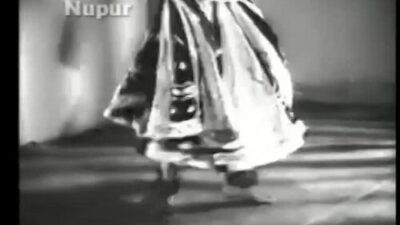
'बड़ी माँ' (1945) का इकलौता गीत जो राजा बढ़े ने लिखा, और फ़िल्म के उन तीन गीतों में से एक जो बाल-कलाकार बेबी अलका ने गाए। शीर्षक शुद्ध ध्वनि-अनुकरण है — छनननन, छुम — घुंघरुओं की आवाज़। उपलब्ध अभिलेख में उस दृश्य का ब्यौरा नहीं मिलता जिसके साथ यह गीत आता है, पर घुंघरुओं की आवाज़ से बना शीर्षक, बाल-गायिका को सौंपा गया, उस फ़िल्म में जिसमें कथक की सितारा देवी भी हैं — यह निस्संदेह फ़िल्म की हल्की, गति-प्रधान सामग्री का हिस्सा है, उसकी युद्ध-कथा का नहीं।
अंग्रेज़ी में पढ़ें · Read in English
The one song in Badi Maa (1945) written by Raja Badhe, and one of three in the film sung by the child performer Baby Alka. The title is pure onomatopoeia — chhananan, chhum — the sound of ghungroos, the ankle-bells worn by a dancer. Nothing in the accessible record documents the scene it accompanies, but a title assembled from bell-sounds and given to a child singer in a film that also features the Kathak dancer Sitara Devi belongs unambiguously to the film's light, movement-driven material rather than to its war plot.
संगीत The Music
के. दत्त ने 'बड़ी माँ' के दस में से तीन गीत बेबी अलका को दिए — किसी बाल-आवाज़ को सौंपने के लिहाज़ से यह साउंडट्रैक का बड़ा हिस्सा है, और आक्रमण तथा विश्वासघात पर टिकी फ़िल्म में जान-बूझकर हल्कापन लाने की रणनीति का संकेत देता है। घुंघरू-अक्षरों से बना शीर्षक हिंदी फ़िल्म की उस 'बोल-आधारित' नृत्य-गीत परंपरा में बैठता है जहाँ स्वर-पंक्ति तबले के बोलों और नर्तक की पदचाप को उधार लेकर उन्हें ही गीत बना देती है। इस रिकॉर्डिंग की विशिष्ट साज-सज्जा उपलब्ध स्रोतों में दर्ज नहीं है और यहाँ उसका वर्णन नहीं किया गया।
अंग्रेज़ी में पढ़ें · Read in English
K. Datta gave three of Badi Maa's ten songs to Baby Alka, which is a lot of a soundtrack to hand to a child voice and suggests a deliberate lightening strategy in a film otherwise built on invasion and betrayal. A song titled in bell-syllables sits in the Hindi film tradition of the bol-based dance number, where the vocal line borrows the rhythmic syllables of the tabla and the dancer's footwork and treats them as lyric. The specific arrangement of this recording is not documented in the accessible sources and is not described here.
काव्य The Poetry
राजा बढ़े नागपुर के कवि थे, फ़िल्मों के लिए लिखने से पहले आकाशवाणी में काम कर चुके थे, और मराठी में उनकी स्थायी ख्याति 'जय जय महाराष्ट्र माझा' से है, जो आज महाराष्ट्र का राज्यगीत है। यहाँ वे अपनी सीमा के बिलकुल दूसरे छोर पर काम कर रहे हैं: ऐसा गीत जिसके शीर्षक में कोई शब्दार्थ ही नहीं, सिर्फ़ लय है। 'छनननन' और 'छुम' जैसे बोल भारतीय गीत में वैध काव्य-सामग्री हैं — वे किसी शब्द के आने से पहले ही ध्वनि में एक नृत्य-बंदिश दर्ज कर देते हैं — और उर्दू-प्रधान साउंडट्रैक में यह काम एक मराठी कवि को सौंपना बताता है कि प्रफुल्ल पिक्चर्स की कार्यशाला कितनी मिली-जुली थी।
अंग्रेज़ी में पढ़ें · Read in English
Raja Badhe was a Nagpur poet who worked at All India Radio before he wrote for films, and his lasting fame in Marathi is 'Jai Jai Maharashtra Majha', now the state song of Maharashtra. Here he is doing something at the opposite end of his range: a lyric whose title carries no lexical meaning at all, only rhythm. Bol-syllables like chhananan and chhum are a legitimate poetic resource in Indian song — they encode a dance pattern in sound before any word arrives — and giving that assignment to a Marathi poet inside an Urdu-dominated soundtrack is a small sign of how mixed the Prafulla Pictures workshop was.
कहानी The Story
'बड़ी माँ' मास्टर विनायक के अपने बैनर की पहली हिंदी फ़िल्म थी, जो द्वितीय विश्वयुद्ध के आख़िरी साल में कोल्हापुर और बंबई में बनी, और इसकी पूरी कास्ट मराठी तथा हिंदी सिनेमा के बीच आती-जाती है — ख़ुद विनायक, मीनाक्षी शिरोडकर, दामुअण्णा मालवणकर, मंगेशकर बहनें, और साथ में नूर जहाँ, याक़ूब और सितारा देवी जैसे बंबइया नाम। राजा बढ़े का इकलौता गीत उसी आवाजाही का हिस्सा है। इस गीत के फ़िल्मांकन के बारे में उपलब्ध स्रोतों में इससे आगे कुछ नहीं मिलता; इसे तय करने का रास्ता फ़िल्म का बचा हुआ प्रिंट ही है।
अंग्रेज़ी में पढ़ें · Read in English
Badi Maa was made by Master Vinayak under his own Prafulla Pictures banner, made in Kolhapur and Bombay in the last year of the Second World War, and its cast crosses Marathi and Hindi cinema throughout — Vinayak himself, Meenakshi Shirodkar, Damuanna Malvankar, the Mangeshkar sisters, alongside Bombay names like Noor Jehan, Yakub and Sitara Devi. Raja Badhe's single lyric is part of that crossing. Nothing further about the picturisation of this song appears in the sources consulted, and the film's surviving print would be the way to establish it.
वर्गीकरण
Classification- Tempo
- Fast
Genre
अन्य विवरण
More Details- https://en.wikipedia.org/wiki/Badi_Maa
- https://www.hindigeetmala.net/song/chanananan_chum_chanananan.htm
- https://www.hindigeetmala.net/movie/badi_maa_1945.htm
- https://en.wikipedia.org/wiki/Raja_Badhe
References
रोचक तथ्य
Margin Notesराजा बढ़े (1 फ़रवरी 1912 – 1977) नागपुर के मराठी कवि थे, जिन्होंने आकाशवाणी में काम किया और 'जय जय महाराष्ट्र माझा' लिखा, जिसे 2023 में औपचारिक रूप से महाराष्ट्र का राज्यगीत घोषित किया गया।
अंग्रेज़ी में पढ़ें · Read in English
Raja Badhe (1 February 1912 – 1977) was a Marathi poet from Nagpur who worked for All India Radio and wrote 'Jai Jai Maharashtra Majha', formally adopted as the state song of Maharashtra in 2023.
'बड़ी माँ' के दस में से तीन गीत बेबी अलका गाती हैं — लता मंगेशकर या मीनाक्षी से ज़्यादा, और केवल नूर जहाँ के चार गीतों से कम।
अंग्रेज़ी में पढ़ें · Read in English
Baby Alka sings three of Badi Maa's ten songs — more than Lata Mangeshkar or Meenaxi, and second only to Noor Jehan's four.
नमूना-पट्टी
The Specimen Table| शीर्षक | छनननन छुम छनननन · Chhananan Chhum Chhananan |
|---|---|
| फ़िल्म | बड़ी माँ · 1945 |
| वर्ष · युग | 1945 — Pre-Independence (1931-1947) |
| गायक | बेबी अलका |
| गीतकार | राजा बढ़े |
| संगीतकार | के. दत्त (दत्ता कोरगांवकर) |
| स्वरूप | एकल महिला |
| गति | तेज़ |
| भाषा | hindi |
| भाव | उत्सव · चुलबुला |
| लोकप्रियता | Obscure |
| बोल-स्थिति | केवल झलक |
जुड़े हुए पन्ने
Connected Plates · The Graph Made Visibleअटलस में कोई पन्ना अकेला नहीं — इस गीत से जुड़े गीत, कलाकार, फ़िल्म, राग-ताल-विधा, सब यहाँ से खुलते हैं।
मिलते-जुलते गीत · Related Songs
फ़िल्म · The Film
साझा कीजिए · Share this Plate