गीत विंग · गीत-पट्टिका · Song Plate
भूल गए क्यों दे के सहारा
Bhool Gaye Kyon De Ke Sahara
जब मुकेश और लता पहली बार साथ गाए — एक गिला जो एक परंपरा बन गई।
भावAccusatory · उदास · Yearning
भाषाUrdu · Hindi गतिधीमी स्वरूपयुगल
श्रेय
The Creditsबोल · The Lyrics
बोल — झलक · Lyrics Preview
मुझे तरसाते हो बार-बार
याद तुम्हारी आती है
दिल को न चैन कोई
Mujhe tarasaate ho baar-baar
Yaad tumhari aati hai
Dil ko na chain koi
कॉपीराइट के कारण केवल झलक — पूरे बोल आधिकारिक मंचों पर।
शब्दकोश
Word Meaningsसूत्र-वाक्य · The Hook
सूत्र-वाक्य
जब मुकेश और लता पहली बार साथ गाए — एक गिला जो एक परंपरा बन गई।
In EnglishThe first time Mukesh and Lata sang together — a reproach that went on to become a tradition.
पट्टिका-लेख
The Monographपरिचय Overview
'अनोखी अदा' (१९४८) — नौशाद के संगीत वाली एक फ़िल्म जिसमें मुकेश, शमशाद बेगम, सुरेंद्र और उमा देवी के गीत थे — का 'भूल गए क्यों दे के सहारा' मुकेश और लता मंगेशकर के संयुक्त गायन के सबसे शुरुआती प्रमाणित उदाहरणों में से एक है। नौशाद की शास्त्रीय गहराई और डी.एन. माधोक के बोल — जो उस दशक के प्रमुख गीतकारों में रहे थे — एक ऐसे संवाद में मिलते हैं जहाँ एक साथी दूसरे से पूछ रहा है: तुमने सहारा देकर भूल क्यों गए?
अंग्रेज़ी में पढ़ें · Read in English
From Anokhi Ada (1948) — a film with music by Naushad that also featured songs by Mukesh, Shamshad Begum, Surendra, and Uma Devi — 'Bhool Gaye Kyon De Ke Sahara' is one of the earliest documented duets pairing Mukesh with Lata Mangeshkar. Composed by Naushad in his characteristic slow, classically-grounded style, and written by D.N. Madhok — who had been one of the most prominent lyricists of the previous decade — the song is a dialogue of reproach and longing between two people whose bond has been broken by neglect. The Naushad–Mukesh pairing was less celebrated than his later association with Mohammed Rafi, but Mukesh's quality of voiced pain worked beautifully in this type of slow, introspective song.
संगीत The Music
नौशाद ने इस युगल के लिए एक ऐसी धुन बनाई जो दोनों आवाज़ों को एक कोमल वार्तालाप में रखती है — मुकेश की थोड़ी नाक-भरी, दर्द-भरी आवाज़ बनाम लता की स्वच्छ, शुद्ध सुरीली आवाज़। यह विपरीत भाव प्रभावशाली है: उनकी आवाज़ गिले का भार सुझाती है, उनकी आवाज़ शिकायत की स्पष्टता। हारमोनियम और सारंगी का करुण रंग।
अंग्रेज़ी में पढ़ें · Read in English
Naushad's composition for this duet places the two voices in a gently competitive dialogue — Mukesh's characteristic slightly nasal, pain-filled timbre against Lata's clear, pure soprano. The contrast is effective: his voice suggests the weight of the reproach, hers the clarity of the grievance. The harmonium and sarangi in Naushad's standard arrangement provide the melancholic colouring. The taal (keherwa) moves at a walking pace — deliberate, as if the song is reluctant to hurry.
काव्य The Poetry
डी.एन. माधोक १९३५-१९५० के सबसे उर्वर गीतकारों में से थे। 'भूल गए क्यों दे के सहारा' — प्रश्न सरल लेकिन मनोवैज्ञानिक रूप से सटीक है। यह एक विशेष किस्म के धोखे को पकड़ता है: सीधा अस्वीकार नहीं, बल्कि आशा देने के बाद धीरे-धीरे भूल जाना।
अंग्रेज़ी में पढ़ें · Read in English
D.N. Madhok was one of the most prolific lyricists of 1935-1950, often credited with helping to establish the conventions of Urdu film poetry. The question 'bhool gaye kyon de ke sahara' (why did you forget after giving me support?) is simple but psychologically precise — it identifies a very specific kind of emotional betrayal: not outright rejection but gradual neglect after giving hope.
कहानी The Story
'अनोखी अदा' (१९४८) में एकल फ़िल्म के लिए गायकों की असाधारण विविधता थी — मुकेश, शमशाद बेगम, सुरेंद्र, उमा देवी और उभरती लता मंगेशकर। यह नौशाद की उस स्थिति को दर्शाता है जहाँ वे सर्वश्रेष्ठ उपलब्ध प्रतिभाओं को अपनी ओर खींच सकते थे। डी.एन. माधोक १९३० के दशक के प्रमुख गीतकार थे; १९४८ तक शकील बदायूनी और क़मर जलालाबादी जैसे युवा कवियों से धीरे-धीरे उनकी जगह ली जा रही थी, लेकिन उनकी कारीगरी अभी भी उत्कृष्ट थी।
अंग्रेज़ी में पढ़ें · Read in English
Anokhi Ada (1948) featured an unusually diverse roster of singers for a single film — Mukesh, Shamshad Begum, Surendra, Uma Devi, and the emerging Lata Mangeshkar. This reflects Naushad's position in 1948 as a composer who could attract the best talent available and his tendency to use multiple voices to create varied textures within a single score. D.N. Madhok had been the dominant lyricist of the 1930s-40s; by 1948 he was being gradually displaced by younger poets like Shakeel Badayuni and Qamar Jalalabadi, but his craft remained formidable.
विरासत The Legacy
मुकेश-लता का वह युगल-गायन परंपरा, जो १९५०-६० के दशकों में कई प्रिय गीत देगी, इस तरह के १९४८ के गीतों में अपनी जड़ें रखती है। मुकेश की आवाज़ — ईमानदार, नायक-रहित पीड़ा का स्वर — लता की संयत, शास्त्रीय आवाज़ के सामने विशेष रूप से प्रभावशाली था। उनकी यह भिन्नता एक जोड़े के संवाद की भावनात्मक जटिलता का प्रतीक बन गई।
अंग्रेज़ी में पढ़ें · Read in English
The Mukesh-Lata duet tradition, which would produce many beloved songs through the 1950s and 1960s, has roots in songs like this one from 1948. Mukesh's voice — characterized by a quality of sincere, unheroic suffering — worked particularly well against Lata's more composed, classical tone. Their contrast became a kind of shorthand for the emotional complexity of a couple's dialogue.
वर्गीकरण
Classification- Tempo
- Slow
Genre
अन्य विवरण
More Details- MySwar — Anokhi Ada (1948)
- Hindigeetmala — Anokhi Ada songs
- Wikipedia — Naushad
- Wikipedia — Mukesh (singer)
- Wikipedia — D.N. Madhok
- Songs of Yore — Best songs of 1948
References
रोचक तथ्य
Margin Notesअनोखी अदा (1948) में नौशाद संगीत निर्देशक थे — जिससे 1948 वह वर्ष बना जिसमें नौशाद ने कम से कम दो प्रमुख फिल्मों (मेला और अनोखी अदा) के लिए संगीत रचा।
अंग्रेज़ी में पढ़ें · Read in English
Anokhi Ada (1948) had Naushad as music director — making 1948 a year in which Naushad composed for at least two major films (Mela and Anokhi Ada).
फिल्म में गायकों की एक असामान्य रूप से बड़ी सूची थी: मुकेश, लता मंगेशकर, शमशाद बेगम, सुरेंद्र, और उमा देवी।
अंग्रेज़ी में पढ़ें · Read in English
The film featured an unusually large roster of singers: Mukesh, Lata Mangeshkar, Shamshad Begum, Surendra, and Uma Devi.
डी.एन. मधोक ने हिंदी सिनेमा की कुछ शुरुआती महत्वपूर्ण फिल्मों के लिए गीत लिखे, जिनमें अछूत कन्या (1936) और किस्मत (1943) शामिल हैं।
अंग्रेज़ी में पढ़ें · Read in English
D.N. Madhok wrote lyrics for some of Hindi cinema's earliest important films, including Achhut Kanya (1936) and Kismet (1943).
मुकेश और लता मंगेशकर आगे चलकर साथ में सैकड़ों युगलगीत रिकॉर्ड करने वाले थे; यह 1948 का गीत उनकी आवाज़ों की सबसे शुरुआती जोड़ियों में से एक है।
अंग्रेज़ी में पढ़ें · Read in English
Mukesh and Lata Mangeshkar would go on to record hundreds of duets together; this 1948 song is among the earliest pairings of their voices.
1948 में मेला और अनोखी अदा दोनों के लिए संगीत रचना नौशाद की उस असाधारण उत्पादकता को दर्शाती है जिसने उन्हें स्वर्ण युग का प्रमुख संगीतकार बनाया।
अंग्रेज़ी में पढ़ें · Read in English
Naushad composing for both Mela and Anokhi Ada in 1948 shows the extraordinary prolificacy that made him the dominant composer of the Golden Era.
नमूना-पट्टी
The Specimen Table| शीर्षक | भूल गए क्यों दे के सहारा · Bhool Gaye Kyon De Ke Sahara |
|---|---|
| वर्ष · युग | 1948 — Golden Era |
| गायक | Mukesh, Lata Mangeshkar |
| गीतकार | D. N. Madhok |
| संगीतकार | Naushad |
| स्वरूप | युगल |
| गति | धीमी |
| अवधि | circa 3:30 |
| भाषा | Urdu · Hindi |
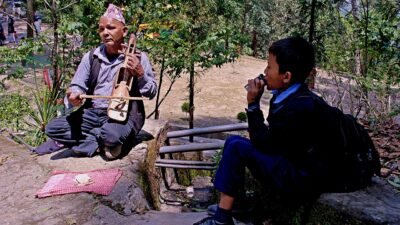
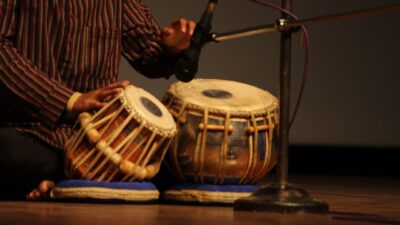
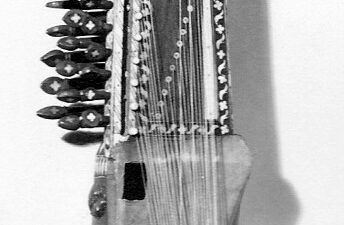
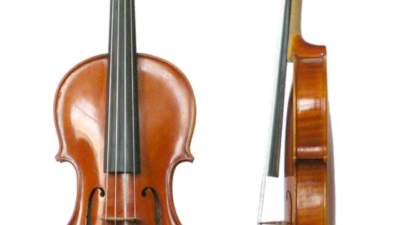
| वाद्य | harmonium · tabla · sarangi · violin |
| भाव | Accusatory · उदास · Yearning |
| लोकप्रियता | Known |
| बोल-स्थिति | केवल झलक |
जुड़े हुए पन्ने
Connected Plates · The Graph Made Visibleअटलस में कोई पन्ना अकेला नहीं — इस गीत से जुड़े गीत, कलाकार, फ़िल्म, राग-ताल-विधा, सब यहाँ से खुलते हैं।
मिलते-जुलते गीत · Related Songs
कलाकार · The Artists
युग · The Era
साझा कीजिए · Share this Plate
यह पन्ना आगे बढ़ाइए
दो आवाज़ें — एक ही घाव के दोनों किनारों से एक ही सवाल पूछती हैं।
Two voices asking the same question from opposite sides of the same wound.
— editorial reflection on the Mukesh-Lata duet format
सवाल-जवाब
Questions & Answersडी.एन. माधोक कौन थे? · Who was D.N. Madhok?
डी.एन. माधोक (१९०२-१९८३) १९३०-४० के दशकों के सबसे प्रमुख हिंदी फ़िल्म गीतकारों में से एक थे — 'अछूत कन्या' (१९३६) और 'किस्मत' (१९४३) जैसी फ़िल्मों के लिए उर्दू-हिंदी फ़िल्मी कविता को एक कलारूप के रूप में स्थापित करने में उनका बड़ा योगदान था।
D.N. Madhok (1902–1983) was one of the most prominent Hindi film lyricists of the 1930s and 1940s, writing songs for films like Achhut Kanya (1936) and Kismet (1943). He was among the pioneers who established Urdu-Hindi film poetry as an art form.