गीत विंग · गीत-पट्टिका · Song Plate
फिर आह दिल से निकली टपका लहू जिगर से
Phir Aah Dil Se Nikali Tapka Lahu Jigar Se
दो साल बाद चली जाने वाली एक आवाज़ ने एक उम्र भर का दर्द समेटकर हमें दे दिया।
भावअविस्मरणीय · उदास · Sorrowful
भाषाUrdu · Persian-influenced गतिधीमी स्वरूपएकल महिला
श्रेय
The Creditsबोल · The Lyrics
बोल — झलक · Lyrics Preview
टपका लहू जिगर से
पिया तुझे पुकारा
मैं रोई उम्र भर से
Tapka lahu jigar se
Piya tujhe pukaara
Main roi umr bhar se
कॉपीराइट के कारण केवल झलक — पूरे बोल आधिकारिक मंचों पर।
शब्दकोश
Word Meaningsसूत्र-वाक्य · The Hook
सूत्र-वाक्य
दो साल बाद चली जाने वाली एक आवाज़ ने एक उम्र भर का दर्द समेटकर हमें दे दिया।
In EnglishA woman who would die in two years gave us a voice drenched in a lifetime of grief.
पट्टिका-लेख
The Monographपरिचय Overview
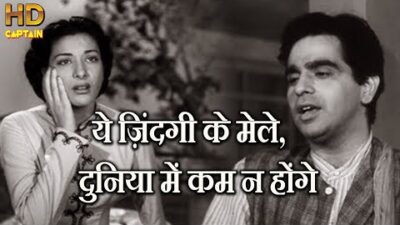
१९४८ की फ़िल्म 'मेला' — नौशाद के सबसे मशहूर साउंडट्रैक में से एक — का यह गीत ज़ोहराबाई अम्बालेवाली ने गाया था, जो अपने युग की सबसे असाधारण आवाज़ों में से एक थीं और जो मात्र बत्तीस वर्ष की आयु में १९५० में चल बसेंगी। नौशाद की शास्त्रीय गंभीरता और शकील बदायूनी की क्लासिकी उर्दू — दोनों अपने अत्यंत सघन रूप में। यह गीत उत्तर भारत की कोठा-परंपरा में भीगा हुआ है जो हिंदी फ़िल्म संगीत से पहले से चली आ रही थी। यह ज़ोहराबाई की सबसे मार्मिक रिकॉर्डिंग्स में से एक है।
अंग्रेज़ी में पढ़ें · Read in English
From the 1948 film Mela — one of Naushad's most celebrated soundtracks — 'Phir Aah Dil Se Nikali Tapka Lahu Jigar Se' was sung by Zohrabai Ambalewali, one of the most extraordinary voices of the pre-Lata era who would die in 1950 at barely thirty-two. Composed by Naushad with the classical gravity he reserved for his most emotionally concentrated compositions, and written by Shakeel Badayuni in classically influenced Urdu, the song is drenched in the tradition of North Indian courtesan music — the kotha tradition that predated Hindi film music and whose greatest practitioners were women like Zohrabai. This song stands as one of her most haunting recordings.
संगीत The Music
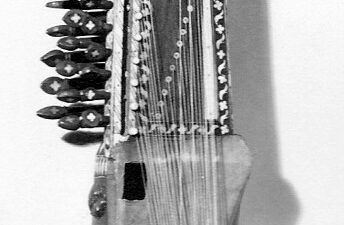
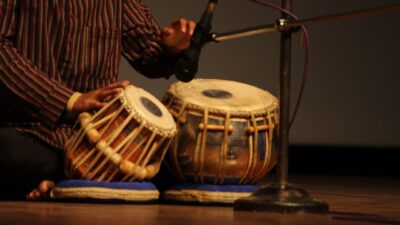
नौशाद ने इस गीत को राग भैरवी की छाया में बुना प्रतीत होता है — वह सुबह का राग जो भारतीय शास्त्रीय संगीत में विदाई, विरह और शोक से जुड़ा है। सारंगी यहाँ मुख्य वाद्य है; उसकी रोती-सी, मानवीय-सी आवाज़ इस विषय के लिए अनुकूल है। तबला लगभग अनसुना है — वह समय मापने के लिए है, गीत को धकेलने के लिए नहीं। ज़ोहराबाई की आवाज़ में एक ऐसी 'फटन' है — तकनीकी खुरदरापन नहीं, बल्कि जिए हुए जीवन का निशान — जो सिर्फ़ प्रशिक्षित गायिकाओं में नहीं होती।
अंग्रेज़ी में पढ़ें · Read in English
Naushad constructed this song around what sounds like Raag Bhairavi — the morning raag associated with bidaai (farewell), viraha (separation), and grief in Indian classical music. The sarangi is the primary melodic instrument; its weeping, human-sounding timbre is perfect for this material. The tabla is almost inaudible — the percussion is there to measure time, not to drive the song. Zohrabai's voice has a quality that later generations of listeners describe as 'torn' or 'frayed' — not technically rough, but marked by a kind of lived experience that purely trained singers often lack. Naushad himself said that Zohrabai had a voice that could break your heart without trying.
काव्य The Poetry
शकील बदायूनी की छवि शास्त्रीय उर्दू शैली में है: 'टपका लहू जिगर से' — जिगर (कलेजा/यकृत) उर्दू काव्य में भावना और साहस का शास्त्रीय स्थान है, और यह रूपक उर्दू फ़िल्मी कविता से सैकड़ों साल पुराना है। विरह की यह देहत्व — जो वास्तविक ख़ून बहाती है — उर्दू काव्य-परंपरा का यह कहने का तरीका है कि भावनात्मक कष्ट उतना ही वास्तविक है जितना शारीरिक।
अंग्रेज़ी में पढ़ें · Read in English
Shakeel Badayuni's imagery in this song is classically Urdu: 'tapka lahu jigar se' (blood dripped from the liver) uses jigar (liver) as the classical Urdu seat of emotion and daring — a metaphor that predates Urdu film poetry by centuries. The physicality of grief — pain that draws actual blood — is the Urdu poetic tradition's way of insisting that emotional suffering is as real and as damaging as physical injury.
कहानी The Story
ज़ोहराबाई अम्बालेवाली उत्तर भारत की कोठा-परंपरा से आती थीं — वह शास्त्रीय और अर्ध-शास्त्रीय गायन परंपरा जो पीढ़ियों से तवायफ़ों का सांस्कृतिक दायित्व थी। जब हिंदी फ़िल्म उद्योग ने पार्श्व गायन का दौर शुरू किया, तो इन महिलाओं को — जो भारत की लोक-शास्त्रीय विरासत की संरक्षिका थीं — रिकॉर्डिंग और सिनेमा के ज़रिए एक विशाल दर्शक-समूह मिला। ज़ोहराबाई की आवाज़ उसकी कच्ची भावनात्मक शक्ति और शास्त्रीय प्रामाणिकता के लिए मूल्यवान थी। वे १९५० में मात्र बत्तीस वर्ष की आयु में चल बसीं।
अंग्रेज़ी में पढ़ें · Read in English
Zohrabai Ambalewali came from the kotha (courtesan house) tradition of North India — she was trained in the classical and semi-classical singing traditions that had been the domain of tawaifs (courtesans) for generations. When the Hindi film industry began its playback-singing era in the late 1930s, these women — who had been the custodians of India's light classical musical heritage — found a new and vastly wider audience through recordings and cinema. Zohrabai's voice was prized for its raw emotional power and classical authenticity. She died in 1950, barely thirty-two years old, before she could see the impact of the transformation she had helped to create.
विरासत The Legacy
ज़ोहराबाई १९५० में चल बसीं — उसी साल जब 'आएगा आने वाला' (महल, १९४९) — संभवतः उनकी सबसे बड़ी रिकॉर्डिंग — पूरे भारत में बज रही थी। उनकी असमय मृत्यु ने एक ऐसे करियर को रोक दिया जो अपने रचनात्मक शिखर पर था। 'फिर आह दिल से निकली' उन रिकॉर्डिंग्स में से एक है जो कोठा-प्रशिक्षित स्त्री-आवाज़ को उसके सबसे अभिव्यक्तिपूर्ण रूप में संरक्षित करती है।
अंग्रेज़ी में पढ़ें · Read in English
Zohrabai Ambalewali died in 1950, the same year that 'Aayega Aanewala' (Mahal, 1949) — arguably her greatest recording — was still being played across India. Her early death cut short a career that was at its creative zenith. 'Phir Aah Dil Se Nikali' is one of the recordings that preserves the sound of the kotha-trained female voice at its most expressive — a tradition that would be gradually replaced by the more refined, classically restrained sound of Lata Mangeshkar as the 1950s progressed.
वर्गीकरण
Classification- Tempo
- Slow
Genre
अन्य विवरण
More Details- Songs of Yore — 'Best songs of 1948' (mentions Zohrabai in Mela)
- Wikipedia — Zohrabai Ambalewali
- Wikipedia — Mela (1948 film)
- Wikipedia — Naushad
- Wikipedia — Shakeel Badayuni
References
रोचक तथ्य
Margin Notesज़ोहराबाई अंबालेवाली महल (1949) के 'आएगा आनेवाला' के लिए सबसे अधिक जानी जाती हैं, जिसे उन्होंने इस गीत के ठीक एक वर्ष बाद रिकॉर्ड किया।
अंग्रेज़ी में पढ़ें · Read in English
Zohrabai Ambalewali is best known for 'Aayega Aanewala' from Mahal (1949), which she would record just one year after this song.
उनका निधन 1950 में, लगभग 32 वर्ष की आयु में हुआ, हिंदी सिनेमा के स्वर्ण युग के पूर्णतः स्थापित होने से पहले।
अंग्रेज़ी में पढ़ें · Read in English
She died in 1950, aged approximately 32, before Hindi cinema's Golden Era was fully established.
मेला (1948) में बारह गीत थे — उस वर्ष के सबसे बड़े साउंडट्रैकों में से एक — जिसमें इस जैसे गहरे विषादपूर्ण गीत और मोहम्मद रफ़ी के आनंदमय लोकगीत दोनों शामिल थे।
अंग्रेज़ी में पढ़ें · Read in English
Mela (1948) had twelve songs — one of the largest soundtracks of its year — and included both deeply melancholic songs like this and joyful folk songs by Mohammed Rafi.
नौशाद ने बाद के साक्षात्कारों में कहा कि ज़ोहराबाई की आवाज़ में एक ऐसा सच्चा शोक का गुण था जो अपूरणीय था।
अंग्रेज़ी में पढ़ें · Read in English
Naushad said in later interviews that Zohrabai had a quality of authentic grief in her voice that was irreplaceable.
कोठा परंपरा, जहाँ से ज़ोहराबाई आई थीं, सदियों तक उत्तर भारतीय सुगम-शास्त्रीय संगीत की प्रमुख संरक्षक रही थी; 1940-50 के दशक में फिल्म उद्योग द्वारा इसका क्रमिक विस्थापन एक साथ मुक्ति और हानि दोनों था।
अंग्रेज़ी में पढ़ें · Read in English
The kotha tradition from which Zohrabai came had been the primary custodian of light-classical North Indian music for centuries; its gradual displacement by the film industry in the 1940s–50s was both a liberation and a loss.
नमूना-पट्टी
The Specimen Table| शीर्षक | फिर आह दिल से निकली टपका लहू जिगर से · Phir Aah Dil Se Nikali Tapka Lahu Jigar Se |
|---|---|
| फ़िल्म | मेला · 1948 |
| वर्ष · युग | 1948 — Golden Era |
| गायक | Zohrabai Ambalewali |
| गीतकार | Shakeel Badayuni |
| संगीतकार | Naushad |
| स्वरूप | एकल महिला |
| गति | धीमी |
| अवधि | circa 4:00 |
| भाषा | Urdu · Persian-influenced |
| वाद्य | sarangi · harmonium · tabla |
| भाव | अविस्मरणीय · उदास · Sorrowful |
| लोकप्रियता | Known |
| बोल-स्थिति | केवल झलक |
जुड़े हुए पन्ने
Connected Plates · The Graph Made Visibleअटलस में कोई पन्ना अकेला नहीं — इस गीत से जुड़े गीत, कलाकार, फ़िल्म, राग-ताल-विधा, सब यहाँ से खुलते हैं।
मिलते-जुलते गीत · Related Songs
कलाकार · The Artists
फ़िल्म · The Film
युग · The Era
साझा कीजिए · Share this Plate
यह पन्ना आगे बढ़ाइए
उनकी आवाज़ में कुछ ऐसा था जो सिखाया नहीं जा सकता था — एक पूरी उम्र जीने का स्वर।
Her voice had something that couldn't be taught — the sound of a life fully lived in grief and joy.
— paraphrase of Naushad's remarks about Zohrabai Ambalewali
सवाल-जवाब
Questions & Answersज़ोहराबाई अम्बालेवाली कौन थीं? · Who was Zohrabai Ambalewali?
ज़ोहराबाई अम्बालेवाली (लगभग १९१८-१९५०) लता मंगेशकर के युग से पहले की सबसे प्रसिद्ध पार्श्व गायिकाओं में से एक थीं। वे 'महल' (१९४९) के 'आएगा आने वाला' के लिए सबसे ज़्यादा याद की जाती हैं। वे १९५० में लगभग ३२ वर्ष की आयु में अपने करियर के शिखर पर चल बसीं।
Zohrabai Ambalewali (c. 1918–1950) was one of the most celebrated playback singers of the pre-Lata era. She is best known for 'Aayega Aanewala' from Mahal (1949). She died in 1950, aged approximately 32, at the height of her career.
ज़ोहराबाई के संदर्भ में जो कोठा-परंपरा का उल्लेख है, वह क्या है? · What is the kotha tradition mentioned in connection with Zohrabai?
कोठा उत्तर भारत में एक संगीत-परंपरा थी जहाँ तवायफ़ें (गणिकाएँ) शास्त्रीय और अर्ध-शास्त्रीय संगीत की संरक्षक और प्रस्तोता थीं। ये महिलाएँ अक्सर उच्च प्रशिक्षित संगीतकार होती थीं — ठुमरी, ग़ज़ल, और अन्य शास्त्रीय रूपों में। जब हिंदी फ़िल्म उद्योग आया, तो इनमें से कई — ज़ोहराबाई सहित — पार्श्व गायन में आ गईं।
The kotha was a musical household in North India where tawaifs (courtesans) preserved and performed classical and semi-classical music. These women were often highly trained musicians whose art included thumri, ghazal, and other classical forms. When the Hindi film industry emerged, many of these singers — including Zohrabai — transitioned to playback singing.