गीत विंग · गीत-पट्टिका · Song Plate
रतियाँ गुज़ारूँ कैसे हाय राम
Ratiyan Guzaroon Kaise Haay Ram
इन रातों को कैसे काटूँ — विरह की रतजगा-पुकार, और 'रत्नावली' का वही एक गीत जिसके गायकों को सूचियाँ अस्सी साल से ग़लत दर्ज करती आई हैं।
भावअविस्मरणीय · उदास · Yearning
भाषाhindi गतिधीमी स्वरूपयुगल
श्रेय
The Creditsसूत्र-वाक्य · The Hook
सूत्र-वाक्य
इन रातों को कैसे काटूँ — विरह की रतजगा-पुकार, और 'रत्नावली' का वही एक गीत जिसके गायकों को सूचियाँ अस्सी साल से ग़लत दर्ज करती आई हैं।
In EnglishHow am I to pass these nights — the sleepless complaint of separation, and the one song of Ratnavali whose singers the record books have got wrong for eighty years.
पट्टिका-लेख
The Monographपरिचय Overview
'रत्नावली' (1945) की गीत-कोश सूची का पहला गीत, बोल रममूर्ति चतुर्वेदी, संगीत पंडित गोबिंद राम। यह विरह की रात का गीत है: रातें कटती नहीं, नींद आती नहीं। हिंदी फ़िल्म गीत कोश से निकली हर छपी सूची गायकों में शमशाद बेगम और ज़ोहराबाई अम्बालेवाली लिखती है, पर बचे हुए ऑडियो में एक पुरुष स्वर है, और जिन शोधकर्ताओं ने तवा सुना है वे जोड़ी को ज़ोहराबाई अम्बालेवाली और सुरेंद्र बताते हैं — यहाँ वही पाठ अपनाया गया है।
अंग्रेज़ी में पढ़ें · Read in English
The opening song in the Geet Kosh listing for Ratnavali (1945), words by Rammurti Chaturvedi and music by Pt. Gobind Ram. It is a night-of-separation number: the nights will not pass, sleep will not come. Every printed catalogue derived from the Hindi Film Geet Kosh gives the singers as Shamshad Begum and Zohrabai Ambalewali, but the surviving audio has a male voice in it, and the researchers who have listened to the disc identify the pair as Zohrabai Ambalewali and Surendra — the reading followed here.
संगीत The Music
इस गीत का केवल ऑडियो प्रचलन में है और उसकी वादन-व्यवस्था का कोई विवरण दर्ज नहीं, इसलिए यहाँ संयोजन के बारे में कुछ दावा नहीं किया गया। श्रेय-पंक्ति जो तय करती है वह है इसका ढाँचा: एक स्त्री-पुरुष युगल, जो एक ऐसे संगीत के सिरे पर रखा गया है जो बाक़ी पूरा स्त्री-एकलों पर टिका है — और सामने हैं सुरेंद्र, वह अभिनेता जो जीवन भर अपने गीत ख़ुद गाते रहे, तथा गोबिंद राम की नियमित आवाज़ों में सबसे अधिक शास्त्रीय-आधारित स्वर। पंडित गोबिंद राम के नाम लगभग तीस हिंदी फ़िल्में हैं और उन्हें मुख्यतः उन गायकों के लिए याद किया जाता है जिन्हें उन्होंने आगे बढ़ाया: उन्होंने उन्नीस फ़िल्मों में शमशाद बेगम के साथ छियासी गीत रिकॉर्ड किए, ज़ोहराबाई अम्बालेवाली को स्थापित करने में किसी से कम काम नहीं किया, ज़ीनत बेगम को फ़िल्मों में लाए और मोहम्मद रफ़ी को शुरुआती प्रोत्साहन दिया। इन वर्षों का उनका मुहावरा सुगम संगीत, ग़ज़ल और ठुमरी को लोक-सामग्री तथा एक स्पष्ट पंजाबी रंगत के साथ मिलाता है।
अंग्रेज़ी में पढ़ें · Read in English
Only the audio of this number circulates and no description of its scoring is on record, so nothing is claimed here about the arrangement. What the credit does establish is the shape: a male-female duet placed at the head of a score otherwise built on female solos, with Surendra — an actor who sang for himself throughout his career — opposite the most classically grounded of Gobind Ram's regular voices. Pt. Gobind Ram is credited with about thirty Hindi films and is remembered chiefly for the singers he advanced: he recorded eighty-six songs with Shamshad Begum across nineteen films, did as much as anyone to establish Zohrabai Ambalewali, brought Zeenat Begum into films and gave early encouragement to Mohammed Rafi. His idiom of these years mixes light music, ghazal and thumri with folk material and a distinct Punjabi tinge.
काव्य The Poetry
शीर्षक पूरी तरह ब्रज-रंगी हिंदी में चलता है, उर्दू में नहीं: रातों के लिए 'रतियाँ', बेबसी की पुकार 'हाय राम', और नींद के लिए स्नेह-रूप 'निंदिया'। 1945 की फ़िल्म में यह भाषिक चुनाव तटस्थ नहीं है — यह वक्ता को ग़ज़ल के दरबारी उर्दू विलाप में नहीं, बल्कि विरह के लोक-भक्ति मुहावरे में बिठाता है, उन गीतों में जहाँ स्त्री रातें गिनती है। संस्कृत दरबारी नाटक से ली गई कथा के लिए यह जानबूझकर चुनी हुई घरेलू आवाज़ है, और इसी मुहावरे में रममूर्ति चतुर्वेदी इस फ़िल्म के अपने चार में से तीन गीत लिखते हैं।
अंग्रेज़ी में पढ़ें · Read in English
The title works entirely in the Braj-inflected Hindi register rather than in Urdu: ratiyan for nights, the helpless exclamation haay Ram, and the diminutive nindiya for sleep. That choice of register is not neutral in a 1945 film — it locates the speaker in the folk-devotional idiom of viraha, the songs of a woman counting nights, rather than in the courtly Urdu lament of the ghazal. For a story drawn from a Sanskrit court drama it is a deliberately homely voice, and it is the register Rammurti Chaturvedi returns to in three of his four songs for this film.
कहानी The Story
'रत्नावली' अमर पिक्चर्स, बंबई — चिमनलाल देसाई के अपने बैनर — ने बनाई और निर्देशन उनके पुत्र सुरेंद्र देसाई का था, जिन्हें फ़िल्म के नायक, गायक-अभिनेता सुरेंद्र से भ्रमित नहीं करना चाहिए — जो इसी युगल में गा रहे हैं। कथा सम्राट हर्ष की मानी जाने वाली संस्कृत नाटिका से ली गई है: लंका की एक राजकुमारी जिसके विवाह से एक भविष्यवाणी जुड़ी है, कौशांबी का एक राजा जो उस पर मोहित होता है, और एक पटरानी जो अंतिम रील तक इस मेल को रोके रखती है। 'फ़िल्मइंडिया' में बाबूराव पटेल ने फ़िल्म की कड़ी समीक्षा की और असफलता की भविष्यवाणी की; इसके उलट उसने लागत निकाली और मुनाफ़ा भी कमाया।
अंग्रेज़ी में पढ़ें · Read in English
Ratnavali was made by Amar Pictures, Bombay — Chimanlal Desai's own banner — and directed by his son Surendra Desai, not to be confused with the film's leading man, the singer-actor Surendra, who appears in this duet. The story is taken from the Sanskrit play attributed to the emperor Harsha: a princess of Lanka with a prophecy attached to her hand in marriage, a king of Kaushambi who falls in love, and a first queen who blocks the match until the last reel. Filmindia's Baburao Patel reviewed the picture harshly and predicted a flop; it recovered its cost and made a profit instead.
विरासत The Legacy
यही गीत सबसे अच्छी तरह दिखाता है कि 1945 का अभिलेख कितना नाज़ुक है। हिंदी फ़िल्म गीत कोश और माईस्वर, दोनों इसका श्रेय ज़ोहराबाई अम्बालेवाली और सुरेंद्र को देते हैं, जबकि हिंदी गीतमाला शमशाद बेगम और ज़ोहराबाई अम्बालेवाली के नाम दर्ज करता है और किसी पुरुष स्वर का उल्लेख नहीं करता — अस्सी साल पुराने तवे पर कौन सुनाई देता है, इस पर सूचियों का सीधा मतभेद। यहाँ गीत कोश का पाठ अपनाया गया है। यह 'रत्नावली' के आठ गीतों में पहला था जो ऑनलाइन दर्ज हुआ, मई 2013 में; बाक़ी सात को आने में बारह साल और लगे।
अंग्रेज़ी में पढ़ें · Read in English
This is the song that best shows how fragile the record of 1945 is. The Hindi Film Geet Kosh and MySwar both credit it to Zohrabai Ambalewali with Surendra, while hindigeetmala lists Shamshad Begum with Zohrabai Ambalewali and no male singer at all — a straightforward disagreement between catalogues over who is audible on a shellac disc eighty years old. The Geet Kosh reading is followed here. It was also the first of Ratnavali's eight songs to be written up online, in May 2013; the remaining seven took another twelve years to follow.
वर्गीकरण
Classification- Tempo
- Slow
Genre
अन्य विवरण
More Details- https://www.hindigeetmala.net/movie/ratnavali.htm
- https://myswar.co/album/ratnavali-1945
- https://en.wikipedia.org/wiki/List_of_Hindi_films_of_1945
- https://indiancine.ma/EFW/info
- https://atulsongaday.me/2013/05/03/ratiyaan-guzaaroon-kaise/
References
रोचक तथ्य
Margin Notesइस गीत पर सूचियाँ एकमत नहीं हैं। हिंदी फ़िल्म गीत कोश और माईस्वर ज़ोहराबाई अम्बालेवाली और सुरेंद्र को श्रेय देते हैं; हिंदी गीतमाला शमशाद बेगम और ज़ोहराबाई अम्बालेवाली को। यहाँ गीत कोश का पाठ अपनाया गया है।
अंग्रेज़ी में पढ़ें · Read in English
The catalogues disagree on this song. The Hindi Film Geet Kosh and MySwar credit Zohrabai Ambalewali with Surendra; hindigeetmala credits Shamshad Begum with Zohrabai Ambalewali. The Geet Kosh reading is adopted here.
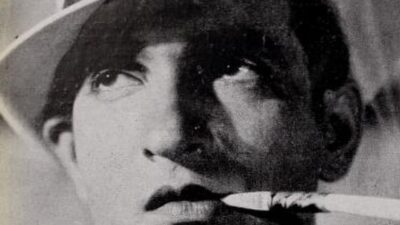
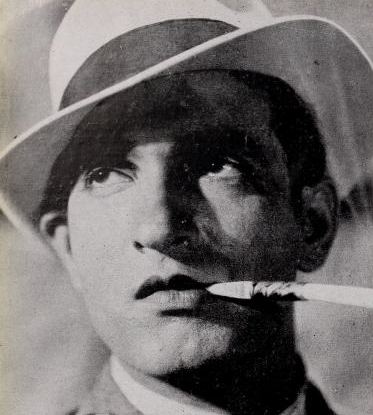
सुरेंद्र (जन्म सुरेंद्र नाथ शर्मा, 1910-1987) गायक-अभिनेता थे और अपने गीत स्वयं गाते थे; महबूब ख़ान ने उन्हें कलकत्ता के गायक-अभिनेता के. एल. सहगल के बंबइया विकल्प के रूप में आगे बढ़ाया। फ़िल्म के निर्देशक सुरेंद्र देसाई बिलकुल अलग व्यक्ति थे — अमर पिक्चर्स के मालिक चिमनलाल देसाई के पुत्र।
अंग्रेज़ी में पढ़ें · Read in English
Surendra (born Surendra Nath Sharma, 1910-1987) was a singer-actor who sang his own songs; Mehboob Khan brought him forward as a Bombay alternative to the Calcutta-based singer-actor K. L. Saigal. The film's director, Surendra Desai, was a different man altogether - a son of Amar Pictures' owner Chimanlal Desai.
नमूना-पट्टी
The Specimen Table| शीर्षक | रतियाँ गुज़ारूँ कैसे हाय राम · Ratiyan Guzaroon Kaise Haay Ram |
|---|---|
| फ़िल्म | रत्नावली · 1945 |
| वर्ष · युग | 1945 |
| गायक | Zohrabai Ambalewali, Surendra |
| गीतकार | Rammurti Chaturvedi |
| संगीतकार | Gobind Ram |
| स्वरूप | युगल |
| गति | धीमी |
| भाषा | hindi |
| भाव | अविस्मरणीय · उदास · Yearning |
| लोकप्रियता | Obscure |
| बोल-स्थिति | केवल झलक |
जुड़े हुए पन्ने
Connected Plates · The Graph Made Visibleअटलस में कोई पन्ना अकेला नहीं — इस गीत से जुड़े गीत, कलाकार, फ़िल्म, राग-ताल-विधा, सब यहाँ से खुलते हैं।
मिलते-जुलते गीत · Related Songs
कलाकार · The Artists
फ़िल्म · The Film
साझा कीजिए · Share this Plate