गीत विंग · गीत-पट्टिका · Song Plate
चंदा रे जा रे जा रे
Chanda Re Ja Re Ja Re
वह ख़ुद नहीं जा सकती थी — तो उसने चाँद को दूत बनाकर भेज दिया।
भावउदास · रोमांटिक · Yearning
भाषाHindi · Braj गतिधीमी स्वरूपएकल महिला
श्रेय
The Creditsबोल · The Lyrics
बोल — झलक · Lyrics Preview
मेरे पिया के देस
कह देना इनसे नाम लेके मेरा
तुझे उनका संदेस
Mere piya ke des
Kah dena inse naam leke mera
Tujhe unka sandes
कॉपीराइट के कारण केवल झलक — पूरे बोल आधिकारिक मंचों पर।
शब्दकोश
Word Meaningsसूत्र-वाक्य · The Hook
सूत्र-वाक्य
वह ख़ुद नहीं जा सकती थी — तो उसने चाँद को दूत बनाकर भेज दिया।
In EnglishShe couldn't reach her beloved — so she sent the moon in her place.
पट्टिका-लेख
The Monographपरिचय Overview
१९४८ की रोमांटिक फ़िल्म 'ज़िद्दी' (निर्देशक: शाहिद लतीफ़; अभिनेता: देव आनंद, कमिनी कौशल) का यह गीत लता मंगेशकर को हिंदी प्लेबैक की अद्वितीय आवाज़ के रूप में स्थापित करने वाले कुछ गीतों में से एक था। संगीत खेमचंद प्रकाश का था — जो अगले ही साल 'महल' (१९४९) के लिए 'आएगा आने वाला' रचेंगे — और बोल प्रेम धवन के थे। चाँद को संदेशवाहक बनाने की परंपरा हिंदी-संस्कृत काव्य में सदियों पुरानी है; लता की बीस वर्षीय आवाज़ की शुद्धता और पारदर्शी विषाद ने इस परंपरा को एक नई ऊँचाई दी।
अंग्रेज़ी में पढ़ें · Read in English
From the 1948 romantic drama Ziddi (directed by Shahid Latif, starring Dev Anand and Kamini Kaushal), 'Chanda Re Ja Re Ja Re' established Lata Mangeshkar as a singular voice in Hindi playback singing. Composed by Khemchand Prakash — who the following year would compose the legendary 'Aayega Aanewala' from Mahal — and written by Prem Dhawan, the song belongs to the ancient virahini tradition: a woman separated from her beloved sends her message through the moon. On HMV, Lata's twenty-year-old voice here exhibits the qualities — purity, a kind of transparent sorrow, and absolute intonation — that would make her the defining female voice of the next five decades.
संगीत The Music
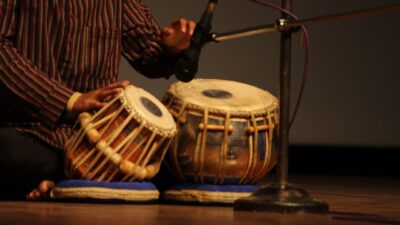
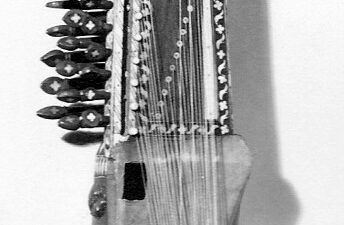
खेमचंद प्रकाश ने 'चंदा रे जा रे' को संगीत की सबसे सरल बुनियाद पर खड़ा किया — और उसी सरलता में एक विह्वल विरह को क़ैद कर लिया। हारमोनियम और सारंगी धुन को थामे हैं, तबला कहरवे में एक लोरी-सी लय देता है। अलंकरण न के बराबर है — गीत पूरी तरह गायक की सच्चाई पर निर्भर है। बीस साल की लता का सुर अद्भुत रूप से सटीक है — जैसे चाँदनी हो: शीतल, स्थिर, असंभव रूप से निर्मल।
अंग्रेज़ी में पढ़ें · Read in English
Khemchand Prakash constructed 'Chanda Re Ja Re' around one of the simplest melodic frameworks in Indian film music — yet within that simplicity he achieved a quality of contained yearning that is rarely equalled. The harmonium and sarangi carry the melody, while the tabla in keherwa provides a lullaby-like pulse. There is almost no ornamental flourish; the song relies entirely on the sincerity of the singer. Lata's intonation is remarkably precise for a twenty-year-old — the notes sit exactly in the centre, without the slight sharpness that characterised many playback singers of the era. The result is a song that sounds like moonlight itself: cool, constant, impossibly pure.
काव्य The Poetry
प्रेम धवन के बोल हिंदी-ब्रज काव्य की विरह-परंपरा से जुड़ते हैं, जहाँ चाँद सदा से विरहिणी का दूत और हमराज़ रहा है। 'चंदा रे' का लोक-संबोधन सीधा और आत्मीय है — जैसे वह सचमुच खिड़की से बाहर चाँद से बात कर रही हो। प्रेम धवन बाद में सामाजिक प्रतिबद्धता के गीत लिखेंगे; यहाँ वे एक भिन्न रूप में हैं — शुद्ध गीतात्मक, प्राचीन काव्य-परंपरा में रँगे।
अंग्रेज़ी में पढ़ें · Read in English
Prem Dhawan's lyric draws on the viraha (separation) tradition of Hindi-Braj poetry, where the moon is the classic confidant and messenger of the lovelorn woman. The address 'Chanda re' is in the folk vocative — tender, immediate, as if she is genuinely speaking to the moon outside her window. Dhawan was a young lyricist in 1948 who would later write socially committed songs; here he shows a very different register — purely lyrical, rooted in ancient poetic convention, personal in its intimacy.
कहानी The Story
शाहिद लतीफ़ (जो लेखिका इस्मत चुग़ताई के पति थे) निर्देशित 'ज़िद्दी' (१९४८) देव आनंद की शुरुआती सफल फ़िल्मों में से एक थी। खेमचंद प्रकाश उस वक़्त अपने रचनात्मक शिखर पर थे — 'महल' (१९४९) से ठीक एक साल पहले। यह गीत जब रिकॉर्ड हुआ, तो स्पष्ट हो गया कि लता मंगेशकर महज़ एक और प्रतिभाशाली गायिका नहीं बल्कि एक असाधारण घटना हैं।
अंग्रेज़ी में पढ़ें · Read in English
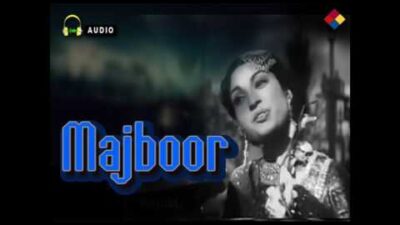
Ziddi (1948), directed by Shahid Latif (husband of the writer Ismat Chughtai), was one of Dev Anand's early successful films. Khemchand Prakash was at the height of his creative powers in 1948 — a year before his landmark Mahal (1949) — and this song shows why. The story goes that Ghulam Haider, who had already championed Lata Mangeshkar, was one of several composers who recognised something extraordinary in her voice; when 'Chanda Re Ja Re' was recorded, it became clear that this was not just another promising playback singer but a genuine phenomenon. The song helped open doors that Majboor (1948) had begun to push.
विरासत The Legacy
'चंदा रे जा रे' लता मंगेशकर के शुरुआती उन गीतों में गिना जाता है जिन्होंने उनकी असाधारण प्रतिभा का ऐलान किया। उनके करियर की समीक्षाओं में यह गीत अक्सर उस मोड़ के रूप में उद्धृत होता है जब बंबई के संगीत उद्योग ने उनकी आवाज़ को पहचाना। खेमचंद प्रकाश १९५० में लगभग ४८ वर्ष की आयु में चल बसे — उनकी छोटी लेकिन अद्भुत विरासत में यह गीत और 'आएगा आने वाला' सबसे ऊपर हैं।
अंग्रेज़ी में पढ़ें · Read in English
'Chanda Re Ja Re Ja Re' is regarded as one of Lata Mangeshkar's earliest recordings that showed her extraordinary promise. It is frequently cited in retrospectives of her career as the song that announced her voice to Bombay's film industry. Khemchand Prakash would die in 1950 at the age of approximately 48, leaving behind a small but remarkable body of work; this song and 'Aayega Aanewala' are his most enduring contributions. The viraha-moon-messenger tradition the song employs continues to appear in Hindi film songs to this day.
वर्गीकरण
Classification- Tempo
- Slow
Genre
अन्य विवरण
More Details- Songs of Yore — 'Best songs of 1948'
- Mehfil Mein Meri — '1948 Lata Mangeshkar' (https://mehfilmeinmeri.wordpress.com/2022/03/02/1948-lata-mangeshkar/)
- Wikipedia — Ziddi (1948 film)
- Wikipedia — Khemchand Prakash
- Wikipedia — Lata Mangeshkar
References
रोचक तथ्य
Margin Notesखेमचंद प्रकाश ने महल (1949) के लिए 'आएगा आनेवाला' रचा — जो शायद प्रारंभिक हिंदी सिनेमा का सबसे प्रसिद्ध गीत है — 'चंदा रे जा रे' के ठीक एक वर्ष बाद।
अंग्रेज़ी में पढ़ें · Read in English
Khemchand Prakash composed 'Aayega Aanewala' for Mahal (1949) — arguably the most famous song in early Hindi cinema — just one year after 'Chanda Re Ja Re'.
प्रेम धवन एक कवि और सामाजिक कार्यकर्ता भी थे; उन्होंने बाद में जागृति (1954) के लिए 'आओ बच्चों तुम्हें दिखाएँ' लिखा, जो एक बाल देशभक्ति गीत बन गया।
अंग्रेज़ी में पढ़ें · Read in English
Prem Dhawan was also a poet and a social activist; he later wrote 'Aao Bachon Tumhe Dikhayen' for Jagriti (1954), which became a children's patriotic anthem.
फिल्म ज़िद्दी (1948) का निर्देशन शाहिद लतीफ़ ने किया था, जिनका विवाह लेखिका इस्मत चुग़ताई से हुआ था, जिससे यह आधुनिक उर्दू साहित्य को आकार देने वाले एक रचनात्मक परिवार का हिस्सा बन गई।
अंग्रेज़ी में पढ़ें · Read in English
The film Ziddi (1948) was directed by Shahid Latif, who was married to the writer Ismat Chughtai, making it part of a creative household that shaped modern Urdu literature.
लता मंगेशकर लगभग 18-19 वर्ष की थीं जब उन्होंने यह गीत रिकॉर्ड किया (जन्म 28 सितंबर 1929)।
अंग्रेज़ी में पढ़ें · Read in English
Lata Mangeshkar was approximately 18-19 years old when she recorded this song (born 28 September 1929).
देव आनंद, जिन्होंने ज़िद्दी (1948) में अभिनय किया, 25 वर्ष के थे और यह उनकी शुरुआती व्यावसायिक रूप से सफल फिल्मों में से एक थी।
अंग्रेज़ी में पढ़ें · Read in English
Dev Anand, who starred in Ziddi (1948), was 25 years old and this was among his first commercially successful films.
नमूना-पट्टी
The Specimen Table| शीर्षक | चंदा रे जा रे जा रे · Chanda Re Ja Re Ja Re |
|---|---|
| फ़िल्म | ज़िद्दी · 1948 |
| वर्ष · युग | 1948 — Golden Era |
| गायक | Lata Mangeshkar |
| गीतकार | Prem Dhawan |
| संगीतकार | Khemchand Prakash |
| स्वरूप | एकल महिला |
| गति | धीमी |
| अवधि | circa 3:20 |
| भाषा | Hindi · Braj |
| वाद्य | harmonium · tabla · sarangi |
| भाव | उदास · रोमांटिक · Yearning |
| लोकप्रियता | Very_popular |
| बोल-स्थिति | केवल झलक |
जुड़े हुए पन्ने
Connected Plates · The Graph Made Visibleअटलस में कोई पन्ना अकेला नहीं — इस गीत से जुड़े गीत, कलाकार, फ़िल्म, राग-ताल-विधा, सब यहाँ से खुलते हैं।
मिलते-जुलते गीत · Related Songs
कलाकार · The Artists
फ़िल्म · The Film
युग · The Era
साझा कीजिए · Share this Plate
यह पन्ना आगे बढ़ाइए
चाँद सदियों से विरहिणियों का संदेश ले जाता रहा है — लता ने उस परंपरा को सबसे शुद्ध आवाज़ दी।
The moon has been carrying messages for separated lovers since before cinema existed; Lata Mangeshkar gave that tradition its most perfect voice.
— editorial reflection
सवाल-जवाब
Questions & Answers'चंदा रे जा रे जा' किसने गाया था? · Who sang 'Chanda Re Ja Re Ja' from Ziddi (1948)?
यह गीत लता मंगेशकर ने १९४८ की फ़िल्म 'ज़िद्दी' के लिए गाया था। यह उनके शुरुआती महत्वपूर्ण गीतों में से एक है।
The song was sung by Lata Mangeshkar for the 1948 film Ziddi. It is one of her breakthrough early recordings.
'चंदा रे जा रे' का संगीत किसने बनाया? · Who composed the music for 'Chanda Re Ja Re'?
संगीत खेमचंद प्रकाश ने दिया था, जो अगले साल 'महल' (१९४९) के लिए 'आएगा आने वाला' रचेंगे — हिंदी सिनेमा के सबसे प्रसिद्ध गीतों में से एक।
Music was composed by Khemchand Prakash, who the following year would compose 'Aayega Aanewala' from Mahal (1949), one of the most famous songs in Hindi cinema.
जुड़ी हुई दुनिया
Explore ConnectionsRelated Songs · संबंधित गीत
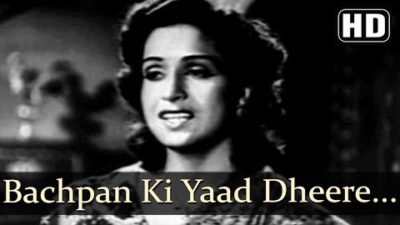
बचपन की याद धीरे-धीरे प्यार बन गई
Bachpan Ki Yaad Dheere Dheere Pyar Ban Gayi
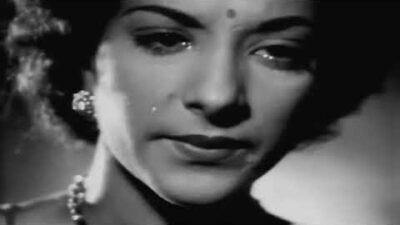
फिर आह दिल से निकली टपका लहू जिगर से
Phir Aah Dil Se Nikali Tapka Lahu Jigar Se