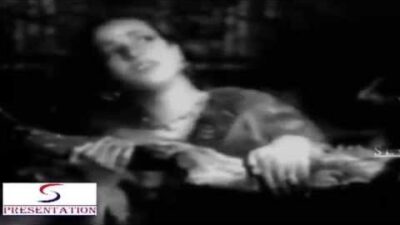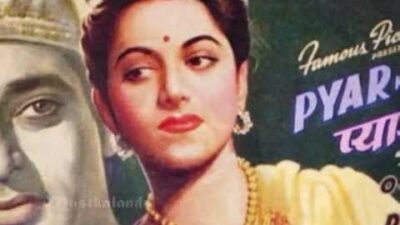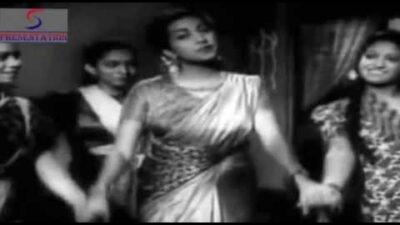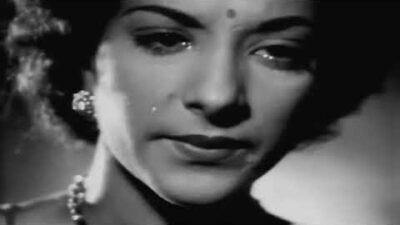
बचपन की याद धीरे-धीरे प्यार बन गई
Bachpan Ki Yaad Dheere Dheere Pyar Ban Gayi
गीत विंग · गीत-पट्टिका · Song Plate
Dil Mera Tora Mujhe Kahin Ka Na Chhoda
वह गीत जिसने एक किशोरी की आवाज़ को पूरी सभ्यता के दर्द की आवाज़ बना दिया।
भावउदास · Sorrowful
भाषाUrdu · Hindi गतिधीमी स्वरूपएकल महिला
बोल · The Lyrics
कॉपीराइट के कारण केवल झलक — पूरे बोल आधिकारिक मंचों पर।
सूत्र-वाक्य · The Hook
वह गीत जिसने एक किशोरी की आवाज़ को पूरी सभ्यता के दर्द की आवाज़ बना दिया।
In EnglishThe song that turned a teenage girl's voice into the sound of heartbreak for an entire civilization.
नज़ीम पानीपती की जीवनी में प्रमाणित — 'दिल मेरा तोड़ा मुझे कहीं का न छोड़ा' लता मंगेशकर के करियर का पहला लोकप्रिय हिंदी फ़िल्मी गीत था। फ़िल्म 'मजबूर' (१९४८, निर्देशक: एस.एम. यूसुफ़; अभिनेता: श्याम, नर्गिस) के लिए ग़ुलाम हैदर ने संगीत दिया — वही हैदर जिन्होंने सार्वजनिक रूप से कहा था कि लता हिंदी गायकी की रानी बनेंगी। बोल नज़ीम पानीपती के थे। उन्नीस वर्षीया लता ने इस गीत में एक ऐसा विषाद उँडेला जो सुनने वाले के दिल को छू जाता है। एच.एम.वी. पर रिलीज़ हुए इस गीत ने छह दशक तक चलने वाले करियर का आगाज़ किया।
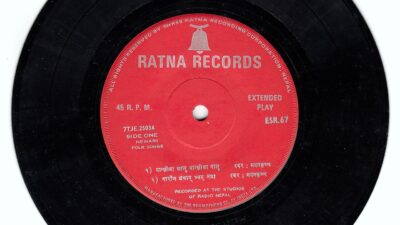
Documented by music historian Nazim Panipati's own biography as 'the first popular Hindi film song of Lata Mangeshkar's career', 'Dil Mera Tora Mujhe Kahin Ka Na Chhoda' from Majboor (1948) — directed by S.M. Yusuf, starring Shyam and Nargis — is a foundational moment in Indian music history. Composed by Ghulam Haider (the man who would famously declare Lata the future queen of playback singing) and written by Nazim Panipati, the song shows a nineteen-year-old Lata channelling raw heartbreak through a voice of crystalline purity. Released on HMV, it opened the floodgates of a career that would last six decades.
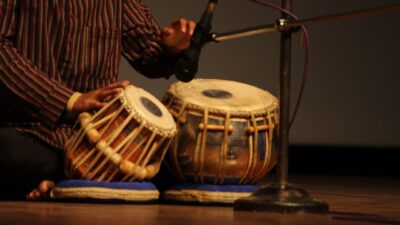
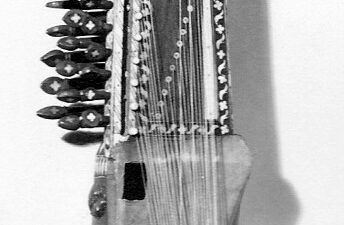
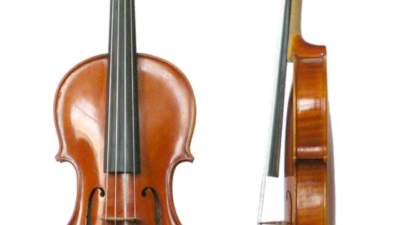
ग़ुलाम हैदर ने 'दिल मेरा तोड़ा' के मुखड़े में एक ऐसी धुन रची जो एक आह की तरह नीचे उतरती है — सुनते ही मन में बस जाती है। हारमोनियम के साथ सारंगी और वायलिन की करुण प्रतिध्वनि। पंजाबी लोक संगीत की उनकी जड़ों से ऊर्जा लेते हुए, हैदर ने यहाँ उसे गीत की आंतरिक ज़रूरत के अनुसार संयमित किया — परिणाम उनकी पिछली रचनाओं से अधिक आत्मनिरीक्षी है।
Ghulam Haider's composition for 'Dil Mera Tora' is built around a strong, memorable melodic hook in the mukhda that descends like a sigh. The harmonium anchors the harmony while sarangi and violin provide the expressive counterpoint. The tempo is deliberately measured — the song does not rush its grief. Haider, who came from the Punjabi folk music tradition, had a gift for melodic lines that are instantly memorable and emotionally direct. In this song he subordinated his characteristic folk energy to the needs of the lyric, resulting in something more introspective than his previous compositions.
नज़ीम पानीपती के शब्द सीधे, लगभग बोलचाल की भाषा में हैं — और यही उनकी ताक़त है। 'दिल मेरा तोड़ा मुझे कहीं का न छोड़ा' — कोई रूपक नहीं, कोई काव्यात्मक आडंबर नहीं। बस एक औरत अपने दगेबाज़ से सीधे मुखातिब है। 'कहीं का न छोड़ा' में दिल टूटने की वह ख़ास बेघरी क़ैद है — सिर्फ़ प्रिय का खोना नहीं, बल्कि अपनी ज़मीन से ही उखड़ जाना।
Nazim Panipati's words are direct, almost conversational, which is their power. 'Dil mera toda mujhe kahin ka na chhoda' — 'You broke my heart and left me nowhere' — does not reach for metaphor or classical allusion; it speaks in the plain language of a woman confronting her betrayer. The phrase 'kahin ka na chhoda' (left me nowhere) captures the specific desolation of heartbreak: not just the loss of the beloved, but the loss of one's own footing in the world.
'दिल मेरा तोड़ा' की कहानी ग़ुलाम हैदर के लता मंगेशकर पर विश्वास की कहानी है। जब लता बंबई आईं तो कई संगीतकारों ने उनकी आवाज़ को प्लेबैक के लिए बहुत पतली बताकर ख़ारिज कर दिया। हैदर उन्हें फ़िल्मिस्तान के एस. मुखर्जी के पास ले गए — वहाँ भी नकार मिला। हैदर ने कहा: 'आज आप इनसे मना कर रहे हैं — वह दिन आएगा जब यही संगीतकार इनसे गुज़ारिश करेंगे।' 'मजबूर' (१९४८) में 'दिल मेरा तोड़ा' ने साबित कर दिया कि वह सही थे।
The story of 'Dil Mera Tora' is inseparable from the story of Ghulam Haider's belief in Lata Mangeshkar. When Lata first arrived in Bombay in the mid-1940s, many established music directors found her voice too thin for playback singing. Haider famously took her to meet S. Mukherjee at Filmistan, who also rejected her. Haider is reported to have said: 'Today you are rejecting her — the day will come when these same music directors will beg her on their knees.' Majboor (1948) was his opportunity to prove his faith; 'Dil Mera Tora' was the song that proved his point.
नज़ीम पानीपती की जीवनी द्वारा प्रमाणित लता मंगेशकर के 'पहले लोकप्रिय हिंदी फ़िल्मी गीत' के रूप में, 'दिल मेरा तोड़ा' सिर्फ़ एक ख़ूबसूरत गीत नहीं — यह एक उद्गम-क्षण है। आने वाले दशकों में लता का वर्चस्व इतना पूर्ण हो जाएगा कि कल्पना करना मुश्किल हो जाएगा कि वे कभी अनजानी थीं — यह गीत उस क्षण को जीवित रखता है।
Confirmed by Nazim Panipati's biography as Lata Mangeshkar's 'first popular Hindi film song', 'Dil Mera Tora' occupies a unique historical position: it is not just a beautiful song but a moment of origination — the point where the sounds of Hindi cinema began their transformation. In the decades that followed, Lata's dominance became so total that it is difficult to imagine a time when she was unknown; this song preserves that moment.
नाज़िम पानीपती की जीवनी में स्पष्ट रूप से इसे लता मंगेशकर के करियर के पहले लोकप्रिय हिंदी फिल्मी गीत के रूप में नामित किया गया है।
Nazim Panipati's biography explicitly names this as the first popular Hindi film song of Lata Mangeshkar's career.
ग़ुलाम हैदर ने प्रसिद्ध रूप से भविष्यवाणी की थी कि लता को अस्वीकार करने वाले संगीत निर्देशक एक दिन उनसे गाने के लिए विनती करेंगे — यह भविष्यवाणी शानदार ढंग से सच साबित हुई।
Ghulam Haider famously predicted that the music directors who rejected Lata would one day beg her to sing for them — a prophecy that came spectacularly true.
लता मंगेशकर ने मजबूर (1948) में छह गीत गाए — तीन एकल और तीन युगलगीत, जिनमें हिंदी फिल्म इतिहास का पहला लता-गीता दत्त युगलगीत भी शामिल था।
Lata Mangeshkar sang six songs in Majboor (1948) — three solos and three duets, including the first Lata-Geeta Dutt duet in Hindi film history.
नाज़िम पानीपती (1920–1998) बाद में 1953 में पाकिस्तान चले गए; उन्हें हिंदी फिल्म उद्योग में हास्य अभिनेता जॉनी वॉकर और हेलेन को लाने का श्रेय भी दिया जाता है।
Nazim Panipati (1920–1998) later migrated to Pakistan in 1953; he is also credited with introducing comedian Johnny Walker and Helen to the Hindi film industry.
फिल्म मजबूर (1948) में नरगिस (जो आगे चलकर हिंदी सिनेमा की महानतम सितारों में से एक बनीं) और श्याम मुख्य भूमिकाओं में थे।
The film Majboor (1948) starred Nargis (who would become one of Hindi cinema's greatest stars) and Shyam.
| शीर्षक | दिल मेरा तोड़ा मुझे कहीं का न छोड़ा · Dil Mera Tora Mujhe Kahin Ka Na Chhoda |
|---|---|
| वर्ष · युग | 1948 — Golden Era |
| गायक | Lata Mangeshkar |
| गीतकार | Nazim Panipati |
| संगीतकार | Ghulam Haider |
| स्वरूप | एकल महिला |
| गति | धीमी |
| अवधि | circa 3:30 |
| भाषा | Urdu · Hindi |
| वाद्य | harmonium · tabla · sarangi · violin |
| भाव | उदास · Sorrowful |
| लोकप्रियता | Legendary |
| बोल-स्थिति | केवल झलक |
अटलस में कोई पन्ना अकेला नहीं — इस गीत से जुड़े गीत, कलाकार, फ़िल्म, राग-ताल-विधा, सब यहाँ से खुलते हैं।
साझा कीजिए · Share this Plate
आज आप इनकी आवाज़ से मना कर रहे हैं — वह दिन आएगा जब आप इनसे गुज़ारिश करेंगे।
Today you are rejecting her voice. The day will come when you will beg her to sing.
— Ghulam Haider, after Filmistan rejected Lata Mangeshkar (circa 1947–48)
गीतकार नज़ीम पानीपती की जीवनी के अनुसार — हाँ, यह उनके करियर का पहला लोकप्रिय हिंदी फ़िल्मी गीत था। उन्होंने इससे पहले भी गाया था, लेकिन यह पहला गीत था जिसने व्यापक पहचान दिलाई।
According to lyricist Nazim Panipati's biography, yes — it is documented as the first popular Hindi film song of her career. She had sung earlier songs, but this was the first to gain wide public recognition.
ग़ुलाम हैदर लाहौर के प्रसिद्ध संगीतकार थे जिन्हें लता मंगेशकर को खोजने का श्रेय दिया जाता है। जब बड़ी फ़िल्म कंपनियों ने उन्हें ठुकरा दिया, तब हैदर ने भविष्यवाणी की कि वे प्लेबैक की रानी बनेंगी, और 'मजबूर' (१९४८) उनका मंच बना।
Ghulam Haider was a legendary music director from Lahore who is credited with discovering Lata Mangeshkar. When she was rejected by major film companies, he famously predicted she would become the queen of playback singing and gave her Majboor (1948) as her platform.
Bachpan Ki Yaad Dheere Dheere Pyar Ban Gayi
Phir Aah Dil Se Nikali Tapka Lahu Jigar Se
Watan Ki Raah Mein Watan Ke Naujawaan Shaheed Ho