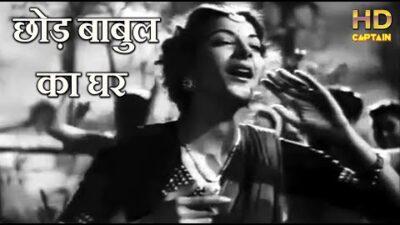
गीत विंग · गीत-पट्टिका · Song Plate
दिल मेरा तोड़ा मुझे कहीं का न छोड़ा
Dil Mera Toda Mujhe Kahin Ka Na Chhoda
एक टूटी हुई स्त्री हमें ठीक-ठीक बताती है कि यह कैसा लगता है — सुरैया की आवाज़ और बर्मन की धुन मिलकर दिल टूटने को सुनाई देने वाला बनाते हैं।
भावHeartbroken · तीव्र · उदास
भाषाUrdu · Hindi गतिधीमी स्वरूपएकल महिला
श्रेय
The Creditsबोल · The Lyrics
बोल — झलक · Lyrics Preview
तेरी दुनिया में जीना हमें नागवार हुआ
Teri duniya mein jeena hamein naagwaar hua
कॉपीराइट के कारण केवल झलक — पूरे बोल आधिकारिक मंचों पर।
शब्दकोश
Word Meaningsसूत्र-वाक्य · The Hook
सूत्र-वाक्य
एक टूटी हुई स्त्री हमें ठीक-ठीक बताती है कि यह कैसा लगता है — सुरैया की आवाज़ और बर्मन की धुन मिलकर दिल टूटने को सुनाई देने वाला बनाते हैं।
In EnglishA woman who has been broken tells us exactly what it feels like — Suraiya's voice and Burman's melody together making heartbreak audible.
पट्टिका-लेख
The Monographपरिचय Overview
चेतन आनंद की 1950 की फ़िल्म 'अफ़सर' — मनोवैज्ञानिक संवेदनशीलता से निर्देशित, एस.डी. बर्मन का संगीत, शैलेन्द्र के बोल, दिलीप कुमार मुख्य भूमिका में, और सुरैया अपने स्वयं के गाने गाती हुईं — का यह विरह-गीत असाधारण कच्चेपन का है। सुरैया — हिंदी सिनेमा की सबसे विशिष्ट गाने-अभिनय करने वाली स्टारों में से एक — यहाँ दूसरी अभिनेत्री के लिए प्लेबैक नहीं दे रहीं, अपना दर्द गा रही हैं। एस.डी. बर्मन ने शैलेन्द्र के बोलों को एक धीमी, दादरा-आधारित ढाँचे में रखा जहाँ धुन की संयमितता दर्द को कम नहीं, बढ़ाती है।
अंग्रेज़ी में पढ़ें · Read in English
From Chetan Anand's 1950 film Afsar — directed with characteristic psychological sensitivity, featuring music by S.D. Burman (Sachin Dev Burman) and lyrics by Shailendra, with Dilip Kumar in the lead and Suraiya singing her own songs — 'Dil Mera Toda Mujhe Kahin Ka Na Chhoda' is a heartbreak lament of extraordinary rawness. Suraiya, one of Hindi cinema's most distinctive singing-acting stars, gives the song an unmediated emotional directness that comes from singing her own heartbreak rather than providing playback for another actress. S.D. Burman, already developing the spare, aching compositional style that would make him one of the Golden Era's greatest composers, set Shailendra's words in a slow, dadra-based framework where the melody's restraint amplifies rather than mitigates the grief. The result is one of the year's most emotionally searching songs.
संगीत The Music
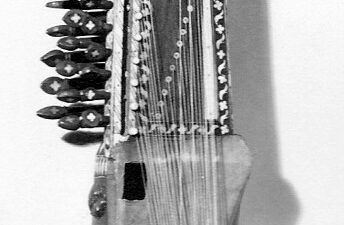
एस.डी. बर्मन की रचना में वे गुण पहले से दिखते हैं जो उनकी परिपक्व शैली को परिभाषित करेंगे: धुन की संयमितता, भावनात्मक गहराई, और गायकी में एक लगभग बातचीत जैसा गुण — जैसे दर्द इतना भारी है कि औपचारिक संगीत के लिए जगह नहीं, बस बोलने और गाने के बीच की कोई जगह बचती है। दादरा की धीमी ताल दुख में झूमते शरीर जैसी है। सारंगी — बर्मन के उदास गीतों की पहचान — आवाज़ के साथ रोती है।
अंग्रेज़ी में पढ़ें · Read in English
S.D. Burman's composition for 'Dil Mera Toda' already shows the qualities that would define his mature style: melodic restraint, emotional depth, and an almost conversational quality to the vocal line — as if grief is too overwhelming for formal musical performance and can only emerge in something close to speech-song. The dadra-based rhythm creates a slow rocking motion, reminiscent of a body swaying in grief. Sarangi provides the weeping countermelody that is so characteristic of S.D. Burman's sadder compositions — the instrument that seems to cry alongside rather than merely accompany the voice. Suraiya's voice is remarkable in its refusal to aestheticize pain: she sings as though the grief is real and present, not performed.
काव्य The Poetry
शैलेन्द्र का बोल यहाँ उनकी सबसे सीधी, सबसे कम सजी हुई रचना है — दर्द इतना असली है कि काव्य-सजावट के लिए जगह नहीं। 'दिल मेरा तोड़ा मुझे कहीं का न छोड़ा' एक ही वाक्य में तबाही बयान करता है: तुमने दिल तोड़ा और मुझे बेघर छोड़ दिया। दूसरी पंक्ति — 'तेरी दुनिया में जीना हमें नागवार हुआ' — व्यक्तिगत चोट से अस्तित्ववादी अस्वीकृति तक जाती है: जिस दुनिया में महबूब है, वहाँ जीना असह्य हो गया। शैलेन्द्र यहाँ रोमांटिक कविता के अँधेरे पहलू को दिखाते हैं जो उनकी अधिक प्रसिद्ध उल्लासमय रचनाओं की छाया में अक्सर अनदेखा रह जाता है।
अंग्रेज़ी में पढ़ें · Read in English
Shailendra's lyric is among his most direct and least ornamented — the pain too real for poetic decoration. 'Dil mera toda mujhe kahin ka na chhoda' states the damage in a single devastating line: you broke my heart and left me belonging nowhere. The second phrase, 'teri duniya mein jeena hamein naagwaar hua' (living in your world has become hateful to me), escalates from personal injury to existential rejection — the very world in which the beloved exists has become unlivable. Shailendra shows here a capacity for the dark side of romantic poetry that is usually overshadowed by his more joyful compositions.
कहानी The Story
'अफ़सर' (1950) चेतन आनंद ने निर्देशित की थी — हिंदी सिनेमा के सबसे कलात्मक रूप से गंभीर फ़िल्मकारों में से एक, जो 'नीचा नगर' (1946) जैसी ऐतिहासिक फ़िल्म बना चुके थे। दिलीप कुमार और सुरैया मुख्य भूमिका में थे। सुरैया का खुद अपने गाने गाना उन्हें हिंदी सिनेमा में एक विशेष दर्जा देता था। 1950 में देव आनंद (चेतन के भाई) से उनके वास्तविक प्रेम की कहानी सार्वजनिक चर्चा का विषय थी, जो उनके विरह-गीतों को एक अतिरिक्त आयाम देती थी।
अंग्रेज़ी में पढ़ें · Read in English
Afsar (1950) was directed by Chetan Anand — one of Hindi cinema's most artistically serious filmmakers, who had already made the landmark Neecha Nagar (1946). The film starred Dilip Kumar and Suraiya. Suraiya was unusual among Hindi film heroines in that she sang her own songs — a practice that gave her screen performances an integrated quality, the same voice that spoke the dialogue singing the songs. Her real-life romance with Dev Anand (Chetan's brother) was the subject of considerable public fascination in 1950, lending her heartbreak songs an additional dimension of apparent personal resonance that audiences could not ignore. S.D. Burman was developing the compositional vocabulary in Afsar that would reach its peak in later masterpieces.
विरासत The Legacy
'अफ़सर' (1950) में एस.डी. बर्मन उस किफायती, भावनात्मक रूप से सटीक शैली को विकसित कर रहे थे जो बाद में 'देवदास' (1955), 'प्यासा' (1957) और 'गाइड' (1965) जैसी उत्कृष्ट रचनाओं तक पहुँचेगी। सुरैया का यह गायन हिंदी सिनेमा में गाने-अभिनय करने वाली परंपरा के सर्वश्रेष्ठ उदाहरणों में से एक है।
अंग्रेज़ी में पढ़ें · Read in English
S.D. Burman's work in Afsar (1950) showed him developing the economical, emotionally precise style that would later produce masterpieces including Devdas (1955), Pyaasa (1957) and Guide (1965). This song is a stepping stone in that journey — and in Suraiya's performance, one of the finest examples of the singing-actress tradition in Hindi cinema. The film also represents Chetan Anand's significant contribution to a more psychologically realistic Hindi cinema that would finally gain recognition in Guru Dutt's later work.
वर्गीकरण
Classification- Tempo
- Slow
Genre
अन्य विवरण
More Details- Wikipedia: Afsar (1950 film) — https://en.wikipedia.org/wiki/Afsar_(1950_film)
- Wikipedia: Suraiya — https://en.wikipedia.org/wiki/Suraiya
- Wikipedia: S. D. Burman — https://en.wikipedia.org/wiki/S._D._Burman
- Wikipedia: Chetan Anand — https://en.wikipedia.org/wiki/Chetan_Anand_(director)
- Songs of Yore: S.D. Burman early career — https://www.songsofyore.com
References
रोचक तथ्य
Margin Notesसुरैया ने अपने पूरे करियर में अपने गीत स्वयं गाए — यह एक असामान्य अभ्यास था जिसने उनके पर्दे पर प्रदर्शन को संवाद और संगीत के बीच एक सहज एकता प्रदान की।
अंग्रेज़ी में पढ़ें · Read in English
Suraiya sang her own songs throughout her career — an unusual practice that gave her screen performances an organic unity between dialogue and music.
देव आनंद (चेतन आनंद के भाई) के साथ सुरैया के वास्तविक जीवन के प्रेम-प्रसंग की 1950 में व्यापक रूप से चर्चा हुई, जिसने उनके विरह गीतों को एक आत्मकथात्मक-सी अनुगूंज प्रदान की।
अंग्रेज़ी में पढ़ें · Read in English
Suraiya's real-life romance with Dev Anand (Chetan Anand's brother) was widely reported in 1950, lending her heartbreak songs a perceived autobiographical resonance.
चेतन आनंद ने नीचा नगर (1946) का निर्देशन किया था, जो कान फ़िल्म समारोह में पाल्मे द'ओर जीतने वाली एकमात्र भारतीय फ़िल्म है — अफ़सर सामाजिक रूप से सजग और मनोवैज्ञानिक यथार्थवादी सिनेमा की ओर वापसी का प्रतीक थी।
अंग्रेज़ी में पढ़ें · Read in English
Chetan Anand had directed Neecha Nagar (1946), the only Indian film to win the Palme d'Or at Cannes — Afsar represented a return to socially engaged, psychologically realistic cinema.
एस.डी. बर्मन का सारंगी को एक रुदन-सी प्रति-धुन (काउंटरमेलोडी) के रूप में इस्तेमाल करना अफ़सर (1950) में ही स्पष्ट दिखाई देता है — यह तकनीक आगे चलकर उनकी रचनाशैली की एक पहचान बन गई।
अंग्रेज़ी में पढ़ें · Read in English
S.D. Burman's use of the sarangi as a crying countermelody is already evident in Afsar (1950) — a technique that would become one of his compositional signatures.
दिलीप कुमार और सुरैया 1950 के दशक के आरंभ में कई फ़िल्मों में साथ नज़र आए, जिसने उन्हें उस दौर की सबसे लोकप्रिय ऑन-स्क्रीन जोड़ियों में से एक बना दिया।
अंग्रेज़ी में पढ़ें · Read in English
Dilip Kumar and Suraiya appeared together in multiple films in the early 1950s, making them one of the era's most popular on-screen pairings.
नमूना-पट्टी
The Specimen Table| शीर्षक | दिल मेरा तोड़ा मुझे कहीं का न छोड़ा · Dil Mera Toda Mujhe Kahin Ka Na Chhoda |
|---|---|
| वर्ष · युग | 1950 — Golden Era |
| गायक | Suraiya |
| गीतकार | Shailendra |
| संगीतकार | S.D. Burman |
| स्वरूप | एकल महिला |
| गति | धीमी |
| अवधि | 3:20 |
| भाषा | Urdu · Hindi |
| वाद्य | sarangi · harmonium · tabla · violin |
| भाव | Heartbroken · तीव्र · उदास |
| लोकप्रियता | Known |
| बोल-स्थिति | केवल झलक |
जुड़े हुए पन्ने
Connected Plates · The Graph Made Visibleअटलस में कोई पन्ना अकेला नहीं — इस गीत से जुड़े गीत, कलाकार, फ़िल्म, राग-ताल-विधा, सब यहाँ से खुलते हैं।
मिलते-जुलते गीत · Related Songs
कलाकार · The Artists
युग · The Era
साझा कीजिए · Share this Plate
यह पन्ना आगे बढ़ाइए
जब सुरैया ने अपना दर्द खुद गाया, तो अभिनेत्री और गीत के बीच की सरहद पूरी तरह मिट गई।
When Suraiya sang her own heartbreak, the distinction between actress and song disappeared entirely.
— Film critic Bikram Singh on Suraiya's unique singing-acting combination
सवाल-जवाब
Questions & Answersक्या सुरैया ने 'अफ़सर' (1950) में अपने गाने खुद गाए? · Did Suraiya sing her own songs in Afsar (1950)?
हाँ — सुरैया हिंदी सिनेमा की उन विरल गाने-अभिनय करने वाली स्टारों में से थीं जो अपने पूरे करियर में खुद ही प्लेबैक देती रहीं। इससे उनके अभिनय में एक जैविक एकता थी: बोलने वाली और गाने वाली आवाज़ एक ही थी।
Yes — Suraiya was one of Hindi cinema's rare singing-actress stars who sang her own playback throughout her career. This gave her performances an organic unity: the voice speaking and singing was the same voice, creating an immediacy and intimacy that pure playback could not always achieve.
एस.डी. बर्मन कौन थे और 'अफ़सर' उनके करियर में क्यों महत्त्वपूर्ण है? · Who is S.D. Burman and why is Afsar significant in his career?
एस.डी. बर्मन (सचिन देव बर्मन) स्वर्ण युग के सबसे महान संगीत निर्देशकों में से थे, जो अपनी किफायती और मनोवैज्ञानिक रूप से सटीक रचनाओं के लिए जाने जाते थे। 'अफ़सर' (1950) एक शुरुआती फ़िल्म थी जहाँ बर्मन उस शैली को विकसित कर रहे थे जो बाद में 'देवदास' (1955), 'प्यासा' (1957) और 'गाइड' (1965) तक पहुँची।
S.D. Burman (Sachin Dev Burman) was one of the greatest music directors of the Golden Era, known for his spare, emotionally precise compositions. Afsar (1950), directed by Chetan Anand, was an early film where Burman was developing the economical, psychologically rich musical style that would later produce masterpieces like Devdas (1955), Pyaasa (1957) and Guide (1965).