गीत विंग · गीत-पट्टिका · Song Plate
छोड़ बाबुल का घर
Chhod Babul Ka Ghar
हर भारतीय दुल्हन की विदाई पर बजने वाला गीत — जो पुराने दर्द को पवित्र कर देता है।
भावमीठा-कड़वा · उदास · पुरानी यादें
भाषाHindi · Urdu गतिधीमी स्वरूपएकल महिला
श्रेय
The Creditsबोल · The Lyrics
बोल — झलक · Lyrics Preview
चलना ही पड़ेगा, जाना ही पड़ेगा
Chalna hi paryega, jaana hi paryega
कॉपीराइट के कारण केवल झलक — पूरे बोल आधिकारिक मंचों पर।
शब्दकोश
Word Meaningsसूत्र-वाक्य · The Hook
सूत्र-वाक्य
हर भारतीय दुल्हन की विदाई पर बजने वाला गीत — जो पुराने दर्द को पवित्र कर देता है।
In EnglishThe song every Indian bride has heard at her farewell — a melody that turns the oldest grief into something almost sacred.
पट्टिका-लेख
The Monographपरिचय Overview
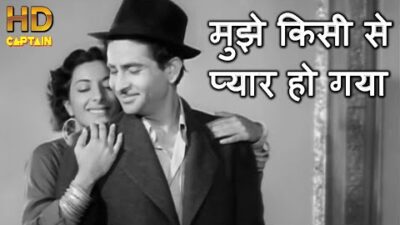
1950 में प्रदर्शित फ़िल्म 'बाबुल' — निर्देशक एस.यू. सन्नी, कलाकार दिलीप कुमार, नरगिस और मुनव्वर सुलताना — का यह गीत हिंदी सिनेमा के सर्वाधिक चिरस्थायी विदाई गीतों में अग्रणी है। नौशाद का संगीत, शकील बदायूँनी के बोल और शमशाद बेगम की भावप्रवण आवाज़ मिलकर उस दहलीज़ की दर्द-भरी तस्वीर खींचते हैं जिसे एक बेटी अपने बाबुल के घर से आखिरी बार पार करती है। एचएमवी पर प्रकाशित यह गीत आज भी भारत भर के विवाह समारोहों का अनिवार्य हिस्सा है।
अंग्रेज़ी में पढ़ें · Read in English
Released in the landmark 1950 film Babul — directed by S.U. Sunny and starring Dilip Kumar, Nargis, and Munawar Sultana — 'Chhod Babul Ka Ghar' stands as one of Hindi cinema's most enduring bidaai songs. Composed by Naushad with lyrics by Shakeel Badayuni and voiced by the incomparable Shamshad Begum, the song captures the gut-wrenching moment a daughter crosses the threshold of her father's home for the last time as a daughter. Naushad wove a folk-inflected melody in a slow dadra rhythm that mirrors the wedding procession, while Shamshad's robust, warm timbre makes the grief feel communal rather than private. Released on the HMV label and picturized on Munawar Sultana, the song became the defining emotional centerpiece of the film and remains a permanent fixture at Indian weddings more than seven decades on.
संगीत The Music
नौशाद ने इस गीत को दादरा की मंद लय में बाँधा — विवाह-बारात की धीमी, भारी-क़दम चाल का संगीतात्मक प्रतिबिम्ब। धुन लोक संगीत की पंचस्वरी शैली में है, जो इसे शास्त्रीय कठोरता से मुक्त रखती है। शमशाद ने यहाँ कोई तान-मुरकी नहीं ली — दर्द को सीधा, बिना आभूषण के गाया, जैसे रोना सीधा होता है। तलत और रफ़ी का पुरुष संस्करण तस्वीर का दूसरा पहलू दिखाता है।
अंग्रेज़ी में पढ़ें · Read in English
Naushad set 'Chhod Babul Ka Ghar' in a gently swaying dadra-like rhythm that evokes the slow procession of the wedding party moving away from the parental home. The melody is rooted in a folk idiom rather than formal classical raag, using a pentatonic scale that gives it a universal quality. Shamshad Begum's full-throated voice is deployed without ornamentation — no elaborate taans or gamaks — because the directness of grief requires directness of tone. Harmonium drones, sarangi lines and softly strummed strings keep the focus on the vocal. The song also exists in a male version by Talat Mahmood and Mohammed Rafi, giving voice to the family's own grief from the other shore of the farewell.
काव्य The Poetry
शकील बदायूँनी ने जीवन के इस सनातन मोड़ को चंद पंक्तियों में समेट दिया — जो रची नहीं, ढूँढी हुई लगती हैं। 'बाबुल' शब्द में ब्रज का वात्सल्य है जो उर्दू के 'वालिद' में नहीं। 'चलना ही पड़ेगा' में नियति की स्वीकृति है — कोई विद्रोह नहीं, कोई नाटक नहीं, बस शाश्वत सच्चाई की स्वीकृति।
अंग्रेज़ी में पढ़ें · Read in English
Shakeel Badayuni distills one of life's most archetypal transitions into lines that feel less composed than discovered. The word 'babul' is a Braj/Hindi term for father carrying tenderness that the Urdu 'waalid' would not. The compulsion in 'chalna hi paryega' (one must walk) acknowledges the farewell is not chosen but fated — the ancient script of a woman's life. Shakeel avoids melodrama; the power is in the simple statement of inexorable fact and the vast unstated grief surrounding it.
कहानी The Story
'बाबुल' (1950) एस.यू. सन्नी की प्रस्तुति थी जिसने दिलीप कुमार और नौशाद की मशहूर जोड़ी को एकसाथ लाया। फ़िल्म एक डाकखाने के परिवार की कहानी है। नौशाद ने पंद्रह गीत रचे — उस ज़माने में बताता है कि फ़िल्मों में संगीत कितना केंद्रीय था। गीत मुनव्वर सुलताना पर फ़िल्माया गया। शकील ने ंबोल इस तरह लिखे जैसे यह कोई पुराना लोकगीत हो — नतीजतन गीत फ़िल्मी सीमाओं से बाहर निकल गया।
अंग्रेज़ी में पढ़ें · Read in English
Babul (1950) brought together Dilip Kumar and Naushad in what became a celebrated partnership in Golden Era cinema. The film's story revolves around a postmaster's family and the romantic complications when his daughter is torn between two suitors. Naushad composed fifteen songs for the film — a feat underscoring how music-centric Bollywood productions were. 'Chhod Babul Ka Ghar' was picturized on Munawar Sultana (playing bride Bela). Shakeel Badayuni crafted the lyrics to feel like a folk song that had always existed — something a village bride might have sung for generations — rather than a newly written film song, and the result immediately transcended its filmic origin.
विरासत The Legacy
'छोड़ बाबुल का घर' भारतीय बिदाई-संस्कृति का अभिन्न हिस्सा बन चुका है। उत्तर भारत में आज भी शादियों में दुल्हन की विदाई के वक्त यह गीत बजता है। 'गुड्डी' (1971) जैसी फ़िल्मों में इसे संदर्भित किया गया। यह नौशाद की उस महारत का प्रमाण है जिसमें वे फ़िल्मी गीतों को लोकगीत की तरह बनाते थे — ऐसी रचना जो परदे से निकलकर ज़िंदगी में उतर जाए।
अंग्रेज़ी में पढ़ें · Read in English
'Chhod Babul Ka Ghar' has become one of the defining songs of Indian bidaai culture, transcending its original film context. It is routinely played at North Indian weddings during the bride's departure — triggering genuine tears from guests who know the film only by reputation. Referenced in Guddi (1971), where the song becomes a touchstone for examining cinema's emotional power, it represents Naushad's mastery of creating film songs that slip out of the film and into daily life, becoming cultural inheritance across generations.
वर्गीकरण
Classification- Tempo
- Slow
Genre
अन्य विवरण
More Details- Wikipedia: Babul (1950 film) — https://en.wikipedia.org/wiki/Babul_(1950_film)
- Songs of Yore: Best songs of 1950 — https://www.songsofyore.com/best-songs-of-1950/
- Discogs: Naushad Babul Songs From Film — https://www.discogs.com/release/3742959-Naushad-Babul-Songs-From-Film
- MySwar: Babul (1950) — https://myswar.co/album/babul-1950
References
रोचक तथ्य
Margin Notesबाबुल (1950) में नौशाद द्वारा रचित पंद्रह गीत हैं — यह उस दौर के लिए भी असाधारण रूप से भरपूर है जब फ़िल्मों में आमतौर पर 8-12 गीत हुआ करते थे।
अंग्रेज़ी में पढ़ें · Read in English
Babul (1950) has fifteen songs composed by Naushad — unusually prolific even for an era when films routinely carried 8-12 songs.
इसी गीत का पुरुष संस्करण, तलत महमूद और मोहम्मद रफ़ी द्वारा गाया गया, विदाई के दूसरे पक्ष से परिवार के दुख को स्वर देता है।
अंग्रेज़ी में पढ़ें · Read in English
The male version of the same song, sung by Talat Mahmood and Mohammed Rafi, gives voice to the family's grief from the other side of the farewell.
'बाबुल' शब्द पिता के लिए ब्रजभाषा का एक स्नेहसूचक शब्द है, जिसमें वह लोक-आत्मीयता है जो औपचारिक उर्दू शब्द 'वालिद' में नहीं मिलती।
अंग्रेज़ी में पढ़ें · Read in English
The word 'babul' is a Braj Bhasha term of endearment for father, carrying folk warmth that the formal Urdu 'waalid' would not convey.
बाबुल में शक़ील बदायूनी और नौशाद के सहयोग ने उनकी उस साझेदारी को मज़बूत किया जिसने आगे चलकर स्वर्ण युग के कुछ सबसे महान साउंडट्रैक रचे।
अंग्रेज़ी में पढ़ें · Read in English
Shakeel Badayuni and Naushad's collaboration on Babul cemented their partnership that would produce some of the Golden Era's greatest soundtracks.
यह गीत सांस्कृतिक रूप से इतना रच-बस गया है कि कई श्रोताओं को यह भी नहीं पता कि इसकी उत्पत्ति 1950 की एक फ़िल्म से हुई थी — यह एक लोकगीत परंपरा के रूप में स्वतंत्र रूप से प्रचलित है।
अंग्रेज़ी में पढ़ें · Read in English
The song is so culturally embedded that many listeners do not know it originated in a 1950 film — it circulates independently as a folk tradition.
नमूना-पट्टी
The Specimen Table| शीर्षक | छोड़ बाबुल का घर · Chhod Babul Ka Ghar |
|---|---|
| फ़िल्म | बाबुल · 1950 |
| वर्ष · युग | 1950 — Golden Era |
| गायक | Shamshad Begum |
| गीतकार | Shakeel Badayuni |
| संगीतकार | Naushad |
| स्वरूप | एकल महिला |
| गति | धीमी |
| अवधि | 3:17 |
| भाषा | Hindi · Urdu |
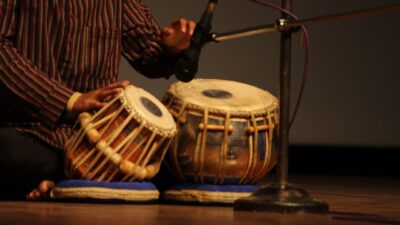
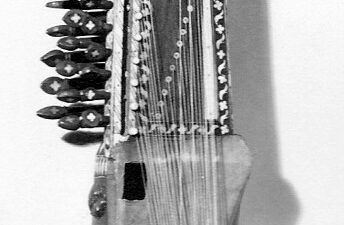
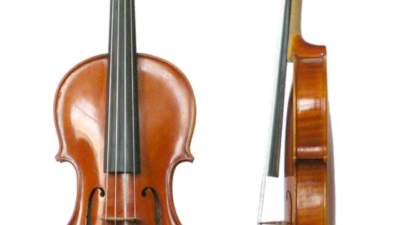
| वाद्य | harmonium · tabla · sarangi · violin |
| भाव | मीठा-कड़वा · उदास · पुरानी यादें |
| लोकप्रियता | Legendary |
| बोल-स्थिति | केवल झलक |
जुड़े हुए पन्ने
Connected Plates · The Graph Made Visibleअटलस में कोई पन्ना अकेला नहीं — इस गीत से जुड़े गीत, कलाकार, फ़िल्म, राग-ताल-विधा, सब यहाँ से खुलते हैं।
मिलते-जुलते गीत · Related Songs
कलाकार · The Artists
फ़िल्म · The Film
युग · The Era
साझा कीजिए · Share this Plate
यह पन्ना आगे बढ़ाइए
नौशाद फ़िल्म के गाने को ऐसा बना देते थे जैसे वह सदियों से हर भारतीय दहलीज़ पर गाया जाता रहा हो।
Naushad could make a film song feel like it had been sung at every Indian doorstep for centuries.
— Music critic S.D. Desai on Naushad's folk-rooted compositions
सवाल-जवाब
Questions & Answers'छोड़ बाबुल का घर' किस बारे में है? · What is 'Chhod Babul Ka Ghar' about?
यह एक विदाई गीत है जो एक बेटी की नज़र से गाया गया है। वह शादी के बाद अपने बाबुल का घर छोड़ रही है और स्वीकार कर रही है कि पिया की नगर जाना ही पड़ेगा।
It is a bidaai (bridal farewell) song from a daughter's perspective as she leaves her father's home after marriage. The title means 'Leaving Father's House' — the daughter accepts she must journey to her husband's home, bidding farewell to the world she has always known.
'छोड़ बाबुल का घर' किसने गाया था? · Who sang 'Chhod Babul Ka Ghar'?
महिला संस्करण शमशाद बेगम ने गाया। पुरुष संस्करण तलत महमूद और मोहम्मद रफ़ी ने गाया। संगीत नौशाद का और बोल शकील बदायूँनी के हैं।
The female version was sung by Shamshad Begum. A male version was also recorded by Talat Mahmood and Mohammed Rafi. Music was composed by Naushad with lyrics by Shakeel Badayuni for the 1950 film Babul.
क्या 'छोड़ बाबुल का घर' आज भी भारतीय शादियों में बजाया जाता है? · Is 'Chhod Babul Ka Ghar' still played at Indian weddings?
हाँ — 75 साल बाद भी यह गीत उत्तर भारतीय हिंदू शादियों की बिदाई रस्म में बजता है। यह उन विरले फ़िल्मी गीतों में से एक है जो असली लोक-परंपरा बन गए हैं।
Yes — more than 75 years after its release it remains a staple at North Indian Hindu weddings during the bidaai ceremony. It is one of a handful of film songs that have become genuine folk traditions.