गीत विंग · गीत-पट्टिका · Song Plate
आज साजन मोहे अँग लगा लो
Aaj Sajan Mohe Ang Laga Lo
गीता रॉय की आवाज़ पाँच सौ साल पुराने मीरा-भजन को आज का कर देती है — वह तड़प जो मीरा की थी, अचानक अपनी लगने लगती है।
भावभक्ति · विरह · उदास · आध्यात्मिक
भाषाBraj · Hindi गतिधीमी स्वरूपएकल महिला
श्रेय
The Creditsबोल · The Lyrics
पूरे बोल · Full Lyrics
आज साजन मोहे अँग लगा लो
जनम जनम की प्यास लगी है
इस मन को समझा लो
आज साजन मोहे अँग लगा लो
मन की चंचल बिरहन बावरी
प्रीत की डोर बँधा लो
आज साजन मोहे अँग लगा लो
मीरा कहे प्रभु गिरधर नागर
चरणन से लगा लो
आज साजन मोहे अँग लगा लो
Aaj saajan mohe ang laga lo
Janam janam ki pyaas lagi hai
Is man ko samjha lo
Aaj saajan mohe ang laga lo
Man ki chanchal birhan baawri
Preet ki dor bandha lo
Aaj saajan mohe ang laga lo
Meera kahe prabhu Giridhar Naagar
Charanan se laga lo
Aaj saajan mohe ang laga lo
शब्दकोश
Word Meaningsसूत्र-वाक्य · The Hook
सूत्र-वाक्य
गीता रॉय की आवाज़ पाँच सौ साल पुराने मीरा-भजन को आज का कर देती है — वह तड़प जो मीरा की थी, अचानक अपनी लगने लगती है।
In EnglishGeeta Roy's voice breaks open a five-hundred-year-old Mirabai bhajan and makes you feel the longing as if it were your own.
पट्टिका-लेख
The Monographपरिचय Overview
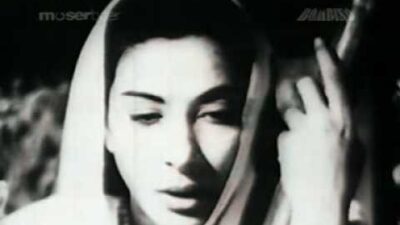
1950 की दिलीप कुमार-नरगिस की भक्ति-नाटक फ़िल्म 'जोगन' — निर्देशक पी.एल. संतोषी, संगीत बुलो सी. रानी — का यह मीराबाई भजन 'आज साजन मोहे अँग लगा लो' गीता रॉय (बाद में गीता दत्त) की आवाज़ में हिंदी सिनेमा की सबसे हृदयविदारक भक्ति प्रस्तुतियों में से एक बन गया। नरगिस पर फ़िल्माए इस गीत में मीराबाई की भक्ति-परंपरा का सार है — आत्मा जो प्रिय की एक झलक के लिए जन्म-जन्म तरसती है। भैरवी राग और दादरा ताल में बुलो सी. रानी की न्यूनतम सज्जा के साथ, गीता रॉय की आवाज़ ने इस गीत को अमर बना दिया। बोल और ध्वनि-रिकॉर्डिंग दोनों अब सार्वजनिक क्षेत्र (पब्लिक डोमेन) में हैं।
अंग्रेज़ी में पढ़ें · Read in English
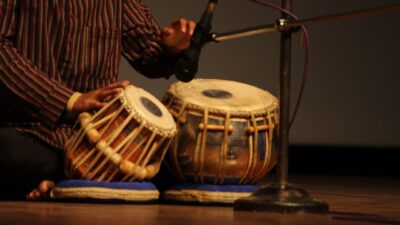
From the 1950 Dilip Kumar–Nargis devotional drama Jogan — directed by P.L. Santoshi and featuring music by Bulo C. Rani — 'Aaj Sajan Mohe Ang Laga Lo' is a Mirabai bhajan that Geeta Roy (later Geeta Dutt) transformed into one of Hindi cinema's most heartrending devotional performances. Picturized on Nargis as a wandering female saint modelled on Mirabai, the song carries the weight of centuries of Bhakti tradition: the soul as the eternal bride, the Lord as the only beloved, and separation as the supreme form of longing. Composed by Bulo C. Rani in the Bhairavi raag with a gentle dadra beat, the song's production is spare and liturgical — harmonium, sarangi, tabla — letting Geeta Roy's extraordinary voice carry the entire emotional burden. Both the lyrics and the sound recording are now in the public domain.
संगीत The Music
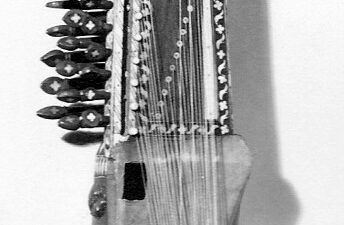
बुलो सी. रानी का वाद्य-विन्यास कम होते हुए भी गहरा है। हारमोनियम का रीडी, थोड़ा नाकी स्वर भक्ति-संगीत के लिए एकदम उचित है। सारंगी अंतरों में गीता रॉय की आवाज़ का जवाब देती है — रोते हुए। यह राग भैरवी में बँधा है — वह राग जो भोर, विदाई और सबसे गहरी कोमलता का राग है — और पूरा गीत उस आखिरी प्रार्थना जैसा लगता है जो उजाले से पहले अँधेरे में की जाती है। गीता रॉय की आवाज़ निचले सप्तक में है — इससे याचना शरीर से निकलती हुई लगती है।
अंग्रेज़ी में पढ़ें · Read in English
Bulo C. Rani's arrangement for 'Aaj Sajan Mohe Ang Laga Lo' achieves the rare feat of being simultaneously spartan and lush. The harmonic foundation is harmonium — its reedy, slightly nasal tone perfectly suited to the devotional idiom. Sarangi provides the weeping countermelody that answers Geeta Roy's vocal phrases in the antara sections. The composition is set in Raag Bhairavi — the queen of Indian raags, associated with dawn, parting and the most profound tenderness — making the entire song feel like a final prayer offered just before the darkness lifts. The dadra rhythm is so gentle it barely registers as pulse; the song breathes like a slow, deep sigh. Geeta Roy's voice is deployed at the lower end of her register, creating a chest-voice gravity that makes the pleading feel physical, embodied.
काव्य The Poetry
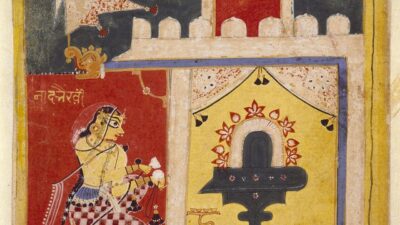
मीराबाई का यह भजन-पद भक्ति-काव्य की सबसे सीधी, सबसे निर्भीक अभिव्यक्तियों में से एक है: एक दुल्हन-भक्त अपने प्रिय कृष्ण से एक आलिंगन की याचना कर रही है। 'साजन' संबोधन चौंकाता है — मीरा ईश्वर को सर्वशक्तिमान स्वामी नहीं, बल्कि वह महबूब कहती हैं जिसके लिए वे जन्म-जन्म से तरस रही हैं। 'जनम जनम की प्यास' यह तड़प को संसार-चक्र में रखती है — यह साधारण प्रेम की प्यास नहीं, अनेक जन्मों की संचित विरह है। 'मीरा कहे' की मुहर भक्ति-पदावली की परंपरागत पहचान है।
अंग्रेज़ी में पढ़ें · Read in English
The bhajan text attributed to Mirabai is one of the most direct expressions in the entire Bhakti canon: a bride-devotee pleading for a single embrace from her Lord Krishna. The address 'Sajan' (beloved) is startling in its intimacy — Mira addresses God not as omnipotent ruler but as the beloved for whom she has waited across lifetimes. 'Janam janam ki pyaas' (the thirst of many lifetimes) places the longing within the framework of samsara — this is not ordinary romantic longing but the accumulated yearning of multiple incarnations. The signature 'Meera kahe' (Mira says) at the close is a common device in Bhakti padavalis, grounding the cosmic in the deeply personal.
कहानी The Story
'जोगन' (1950) पी.एल. संतोषी की निर्देशित फ़िल्म थी जिसमें दिलीप कुमार एक ऐसे युवक की भूमिका में हैं जो एक विरागी महिला संत (नरगिस) से प्रेम कर बैठता है। नरगिस का चरित्र मीराबाई की छाया था — ऐसी स्त्री जो ईश्वरीय प्रेम में इतनी डूबी है कि सांसारिक प्रेम उसे बाँध नहीं सकता। गीता रॉय की आवाज़ में मीरा के भजनों ने फ़िल्म को एक ऐसी आत्मा दी जो आज भी अटूट है।
अंग्रेज़ी में पढ़ें · Read in English
Jogan (1950) was directed by P.L. Santoshi and starred Dilip Kumar as Vijay, a man who falls in love with a wandering female saint (Nargis). The film was based on the clash between worldly love and spiritual devotion. Nargis's portrayal of the jogan (female ascetic) drew on the Mirabai archetype: a woman so consumed by divine love that earthly attachments cannot hold her. The songs — most drawn from or inspired by Mirabai's padavalis — gave the film its devotional soul. Geeta Roy was at the time one of Hindi cinema's most versatile voices, equally at home in the romantic, the comic and the devotional. Her rendering of the Mirabai bhajans in Jogan is considered among the finest devotional performances in the history of recorded Indian music.
विरासत The Legacy
गीता रॉय की इस भजन की व्याख्या ने शहरी भारत की एक पूरी पीढ़ी को मीराबाई की भक्ति-परंपरा से परिचित कराया। बाद की हर बड़ी शास्त्रीय और उपशास्त्रीय गायिका ने इसे गाया है। 'जोगन' (1950) हिंदी सिनेमा की सर्वश्रेष्ठ भक्ति फ़िल्मों में है, और यह भजन उसकी आत्मा है — मीराबाई जयंती समारोहों और शास्त्रीय संगीत के मंचों पर आज भी जीवित।
अंग्रेज़ी में पढ़ें · Read in English
Geeta Roy's interpretation of this bhajan is credited with introducing an entire generation of urban Indian cinema-goers to the Mirabai bhajan tradition. The song has been performed by virtually every major Indian classical and light-classical singer in subsequent decades. Jogan (1950) itself is regarded as one of the finest devotional films in Hindi cinema, and 'Aaj Sajan Mohe Ang Laga Lo' remains its emotional and spiritual centrepiece. The song is regularly performed at Mirabai Jayanti celebrations and classical music concerts, having long since transcended its film origin.
वर्गीकरण
Classification- Tempo
- Slow
Genre
अन्य विवरण
More Details- Wikipedia: Jogan (1950 film) — https://en.wikipedia.org/wiki/Jogan_(film)
- Wikipedia: Geeta Dutt — https://en.wikipedia.org/wiki/Geeta_Dutt
- Wikipedia: Bulo C. Rani — https://en.wikipedia.org/wiki/Bulo_C._Rani
- Songs of Yore: Jogan — https://www.songsofyore.com
- Atul's Song A Day: Jogan (1950) songs
References
रोचक तथ्य
Margin Notesयह गीत रिकॉर्ड करते समय गीता रॉय मुश्किल से 20 वर्ष की थीं — उनकी आवाज़ में उसी समय वह भावनात्मक परिपक्वता झलकती थी, जो आगे चलकर उनके पूरे करियर की पहचान बनी।
अंग्रेज़ी में पढ़ें · Read in English
Geeta Roy was barely twenty years old when she recorded this song — her voice already carried an emotional maturity that would define her entire career.
फ़िल्म 'जोगन' विजयदान देथा की रचना पर आधारित है और मीराबाई की किंवदंती से प्रेरणा लेती है, बिना उनका सीधा नाम लिए।
अंग्रेज़ी में पढ़ें · Read in English
The film Jogan is based on Vijaydan Detha's work and draws on the Mirabai legend without directly naming her.
कहा जाता है कि नरगिस ने जोगन की भूमिका की तैयारी वास्तविक घुमंतू साधुओं के साथ समय बिताकर और मीराबाई की पदावलियों का अध्ययन करके की।
अंग्रेज़ी में पढ़ें · Read in English
Nargis reportedly prepared for her role as the jogan by spending time with actual itinerant saints and studying Mirabai's padavalis.
भजन 'आज सजन मोहे अंग लगा लो' का श्रेय मीराबाई को दिया जाता है, जिससे यह गीत चार सौ वर्ष से भी अधिक पुराना है — और पूर्णतः सार्वजनिक डोमेन (जनाधिकार) में है।
अंग्रेज़ी में पढ़ें · Read in English
The bhajan text 'Aaj Sajan Mohe Ang Laga Lo' is attributed to Mirabai, making the lyrics over four hundred years old — fully in the public domain.
बुलो सी. रानी उत्तर अफ़्रीकी (सिद्दी) मूल के थे — जिससे 'जोगन' का संगीत अफ़्रीकी-भारतीय विरासत और राजस्थानी भक्ति परंपरा का एक उल्लेखनीय संगम बन जाता है।
अंग्रेज़ी में पढ़ें · Read in English
Bulo C. Rani was of North African (Sidi) descent — making Jogan's music a remarkable confluence of African-Indian heritage and Rajasthani devotional tradition.
नमूना-पट्टी
The Specimen Table| शीर्षक | आज साजन मोहे अँग लगा लो · Aaj Sajan Mohe Ang Laga Lo |
|---|---|
| फ़िल्म | जोगन · 1950 |
| वर्ष · युग | 1950 — Golden Era |
| गायक | Geeta Dutt |
| गीतकार | मीराबाई (परंपरागत) |
| संगीतकार | Bulo C. Rani |
| स्वरूप | एकल महिला |
| गति | धीमी |
| अवधि | 3:30 |
| भाषा | Braj · Hindi |
| वाद्य | harmonium · sarangi · tabla · tanpura |
| भाव | भक्ति · विरह · उदास · आध्यात्मिक |
| लोकप्रियता | Legendary |
| बोल-स्थिति | सार्वजनिक |
जुड़े हुए पन्ने
Connected Plates · The Graph Made Visibleअटलस में कोई पन्ना अकेला नहीं — इस गीत से जुड़े गीत, कलाकार, फ़िल्म, राग-ताल-विधा, सब यहाँ से खुलते हैं।
मिलते-जुलते गीत · Related Songs
कलाकार · The Artists
फ़िल्म · The Film
युग · The Era
साझा कीजिए · Share this Plate
यह पन्ना आगे बढ़ाइए
जब गीता रॉय ने मीरा गाई, तो सिनेमाघर मंदिर बन गया।
When Geeta Roy sang Mirabai, the cinema hall became a temple.
— Film journalist Devyani Chaubal recalling the impact of Jogan's release
सवाल-जवाब
Questions & Answersक्या 'आज साजन मोहे अँग लगा लो' मीराबाई का भजन है? · Is 'Aaj Sajan Mohe Ang Laga Lo' a Mirabai bhajan?
हाँ — बोल मीराबाई (लगभग 1498–1547) के हैं, वह राजपूत राजकुमारी-कवयित्री जो कृष्ण की दीवानगी में भारत की महान भक्त-कवयित्री बनीं। यह पदावली है जिसमें मीरा कृष्ण को 'साजन' कहकर आलिंगन की याचना करती हैं। बोल और 1950 की रिकॉर्डिंग दोनों अब पब्लिक डोमेन में हैं।
Yes — the lyrics are attributed to Mirabai (c.1498–1547), the Rajput princess-poet whose devotion to Krishna made her one of India's greatest Bhakti saints. The text is a padavali (devotional verse) in which Mira addresses Krishna as her sajan (beloved), pleading for an embrace. Both lyrics and the 1950 sound recording are now in the public domain.
'जोगन' में गीता रॉय का गायन किंवदंती क्यों माना जाता है? · Why is Geeta Roy's performance in Jogan considered legendary?
गीता रॉय (बाद में गीता दत्त) ने 'जोगन' के मीरा-भजनों में तकनीकी कुशलता और कच्ची भावनात्मक गहराई का असाधारण संयोग दिखाया। 'आज साजन मोहे' में उनकी आवाज़ वह दुर्लभ काम करती है — लगता है वे गा नहीं रहीं, जी रही हैं।
Geeta Roy (later Geeta Dutt) brought an extraordinary combination of technical command and raw emotional depth to the Mirabai bhajans in Jogan. Her voice in 'Aaj Sajan Mohe Ang Laga Lo' achieves something rare in playback singing — the feeling that the singer is not performing but genuinely experiencing the devotion she is expressing.