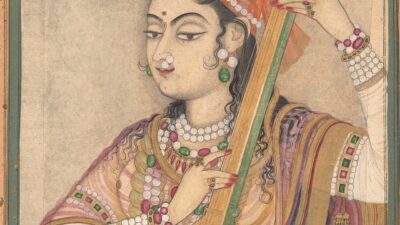
शास्त्र विंग · वाद्य-पट्टिका · Instrument Plate
तानपुरा
Tanpura
भारतीय संगीत का आत्मा, ड्रोन वाद्य यंत्र · The soul of Indian music, the drone instrument
अन्य नामतम्बूरा · तनबूरा · सितार का बाप · Tambura
एक पंक्तितानपुरा एक चार या पाँच तारों वाला वाद्य यंत्र है जो भारतीय संगीत में नींव का काम करता है, सुरों की एक सतत पृष्ठभूमि प्रदान करता है।
परिचय
Overviewतानपुरा भारतीय संगीत का आत्मा है। यद्यपि इसे एकल वाद्य यंत्र के रूप में कभी नहीं सुना जाता है, फिर भी इसकी उपस्थिति प्रत्येक शास्त्रीय संगीत प्रदर्शन में महसूस की जाती है। तानपुरे की ड्रोन एक 'टोनल बेड' बनाता है जिस पर पूरा संगीत विकसित होता है। यदि तानपुरा न होता, तो भारतीय संगीत का एक पूरा आयाम खो जाता। तानपुरे की ध्वनि सार्वभौमिक है। जब कोई व्यक्ति तानपुरे की मिचिकारी (shimmering drone) को सुनता है, तो वह एक अलग ही संसार में प्रवेश करता है। यह ध्वनि मन को शांत करती है, आध्यात्मिक अनुभूति प्रदान करती है। हजारों साल से, भारतीय संगीतकार इसी ड्रोन के साथ संगीत बना रहे हैं। यह एक सार्वकालिक तत्व है जो भारतीय संगीत की संस्कृति के गहरे में निहित है। तानपुरा का महत्व यह है कि यह 'अदृश्य' है लेकिन आवश्यक है। यह एक विनम्र वाद्य यंत्र है जो कभी अपने बारे में बात नहीं करता, लेकिन बिना इसके, शास्त्रीय संगीत अधूरा है। यह एक सच्चे सहायक का प्रतीक है—हमेशा पीछे की ओर, हमेशा समर्थन करता हुआ, लेकिन कभी अपनी चमक दिखाने की कोशिश नहीं करता।
अंग्रेज़ी में पढ़ें · Read in English
The tanpura is the soul of Indian music. Though never performed solo, its presence is felt in every classical music performance. The tanpura's drone creates a 'tonal bed' upon which the entire music unfolds. Without it, Indian music would lose an essential dimension.
The tanpura's sound is universal. When listeners hear the tanpura's 'michikari' (shimmering drone), they enter a different realm. This sound quiets the mind, offering spiritual experience. For millennia, Indian musicians have created music over this drone—a timeless element embedded in Indian musical culture.
The tanpura's genius is that it is 'invisible' yet essential. It is a humble instrument that never speaks of itself, yet classical music is incomplete without it. It symbolizes true accompaniment—always in the background, always supporting, never seeking attention.
काव्य-पंक्ति · The Verse
काव्य-पंक्ति
तानपुरा की ड्रोन, ब्रह्मांड की सुर, जीवन का पथ, अनंत का पहरेदार, न दिखता, न सुना जाता, पर सभी में बसा, तानपुरा है, सब का आधार।
— हिंदीगीत संग्रहालय The tanpura's drone, the universe's song, Guardian of life's path, eternal sentinel, Invisible yet present in all things, The tanpura is the foundation of everything.
वर्गीकरण
ClassificationNatya Shastra
तत
Tata (stringed instruments)
नाट्यशास्त्र में तानपुरा को तत वाद्य यंत्र के रूप में वर्गीकृत किया जाता है, जिसका अर्थ है कि इसमें तार होते हैं जो कंपन करते हैं।
In Natya Shastra classification, tanpura is a Tata (stringed) instrument, distinguished by vibrating strings that produce sound.
Western
String
Lute-type plucked stringed instruments
पश्चिमी संगीत वर्गीकरण में तानपुरा एक ल्यूट परिवार का वाद्य यंत्र है, जो ईरानी लूत और यूरोपीय ल्यूट के समान है।
In Western classification, the tanpura is a lute-family instrument, related to the Persian oud and European lute.
Hornbostel Sachs
321.321.2
Composite chordophones; two or more plucked strings over a soundboard
सिनेमा में
In Cinemaहिंदी फिल्मों में तानपुरे का उपयोग अक्सर पारंपरिक या भारतीय संगीत के संदर्भ में किया जाता है। जब कोई गायक या संगीतकार फिल्म में प्रदर्शन करता है, तो तानपुरे की ड्रोन सुनाई दे सकता है। हालांकि, तानपुरा इतना सूक्ष्म है कि अक्सर श्रोता इसे अलग से नहीं सुनते हैं—यह पृष्ठभूमि में केवल एक 'मधुर ड्रोन' होता है। भक्ति गीतों और पारंपरिक संगीत दृश्यों में तानपुरे का अधिक उपयोग होता है। कुछ संगीत निदेशकों ने आधुनिक फिल्मों में तानपुरे को 'क्लिच' के रूप में उपयोग किया है, जो 'भारतीयता' को व्यक्त करने के लिए।
अंग्रेज़ी में पढ़ें · Read in English
In Hindi cinema, the tanpura is often used in contexts of traditional or classical music. When a vocalist or musician performs on screen, the tanpura's drone may be audible. However, the tanpura is so subtle that audiences often don't consciously notice it—just a gentle drone in the background. Devotional songs and traditional music scenes feature the tanpura more prominently. Some music directors use the tanpura in modern films almost as a cultural signifier, evoking 'Indianness.'
वर्तमान स्थिति
Modern Statusविवरण
आज का तानपुरा परिदृश्य स्थिर है। तानपुरा अभी भी शास्त्रीय संगीत का एक अपरिहार्य अंग है। हालांकि, इलेक्ट्रॉनिक तानपुरे (synthesized drones) का बढ़ता उपयोग परंपरागत तानपुरे के उपयोग को कम कर रहा है। कुछ संगीतकार आजकल कंप्यूटर या ऐप्स से तानपुरे की ड्रोन का उपयोग करते हैं। हालांकि, परंपरागत तानपुरे की गुणवत्ता और संवेदनशीलता को इलेक्ट्रॉनिक विकल्प पूरी तरह से प्रतिस्थापित नहीं कर सकते। भारत में और विदेशों में, तानपुरा बनाने और बजाने की परंपरा अभी भी जीवंत है।
अंग्रेज़ी में पढ़ें · Read in English
Today's tanpura landscape is stable. The tanpura remains indispensable to classical music. However, electronic tanpura alternatives (synthesized drones) are gaining ground, reducing acoustic tanpura usage. Some musicians now use computer-generated or app-based drones. Yet electronic options cannot fully replicate the acoustic tanpura's warmth and responsiveness. Traditionally, tanpura crafting and playing remain vibrant both in India and internationally.
Estimated Players
2,000-5,000 professional tanpura accompanists globally
Revival Efforts
तानपुरा परंपरा को संरक्षित करने के प्रयास जारी हैं। विश्वविद्यालय, संगीत संस्थान, और सांस्कृतिक संगठन तानपुरा शिक्षा को प्रोत्साहित कर रहे हैं। परंपरागत तानपुरे के निर्माण को सांस्कृतिक धरोहर के रूप में मान्यता मिल रही है। हालांकि, इलेक्ट्रॉनिक विकल्पों के साथ प्रतिस्पर्धा चुनौतीपूर्ण है।
अंग्रेज़ी में पढ़ें · Read in English
Preservation efforts continue through university programs, music institutions, and cultural organizations promoting tanpura education. Traditional tanpura craftsmanship is increasingly recognized as cultural heritage. Competition from electronic alternatives remains a challenge.
बनावट
Physicalविवरण
तानपुरा एक अनूठा वाद्य यंत्र है जिसका मुख्य उद्देश्य ड्रोन (निरंतर सुर) प्रदान करना है। इसमें एक लकड़ी का शरीर (गॉर्ड के आकार का) होता है जिसके ऊपर एक लंबी गर्दन होती है। तानपुरा में आमतौर पर 4 या 5 तार होते हैं, जो स्टील, पीतल या पारंपरिक सामग्री से बने होते हैं। तानपुरा को बैठकर बजाया जाता है, और इसे शरीर के बाईं ओर झुकाया जाता है। तानपुरा की ऊंचाई लगभग 90-100 सेमी होती है और यह अपेक्षाकृत भारी होता है। तानपुरे की सबसे विशिष्ट विशेषता इसका 'जवारी' (Jawari) है, जो एक मिश्र धातु की पट्टी है जो तारों के नीचे रखी जाती है। जवारी के कारण, तानपुरे की ध्वनि एक विशेष 'कर्कश' (jangly) गुणवत्ता प्राप्त करती है जो ओवरटोन्स से समृद्ध होती है। इस ध्वनि को 'मिचिकारी' कहा जाता है, जो तानपुरे की सबसे विशिष्ट विशेषता है। जवारी की स्थिति बहुत सूक्ष्मता से समायोजित की जा सकती है। तानपुरे के भाग हैं: (1) शरीर या 'कम्बल' जो लकड़ी से बना एक खोखली संरचना है, (2) गर्दन या 'दंड' जो लंबी और सीधी होती है, (3) तार जो लकड़ी के खूंटे (tuning pegs) से जुड़े होते हैं, (4) जवारी जो ध्वनि की विशेषता को परिभाषित करता है, और (5) 'सिया' या मोती (तारों को तोड़ने के लिए)।
अंग्रेज़ी में पढ़ें · Read in English
The tanpura is a unique instrument whose primary purpose is to provide the drone (continuous fundamental note). It features a wooden gourd-shaped body with a long neck. The tanpura typically has 4 or 5 strings made of steel, brass, or traditional materials. Played while seated with the instrument angled to the left, a tanpura stands approximately 90-100 cm tall and is relatively heavy.
The tanpura's most distinctive feature is the 'jawari' (bridge), a brass strip positioned under the strings. The jawari produces the tanpura's characteristic 'jangly,' overtone-rich timbre called 'michikari'—the very essence of the tanpura sound. Jawari positioning requires delicate adjustment.
The tanpura comprises: (1) the body or 'kambal,' a hollow wooden resonator, (2) the neck or 'dand,' long and straight, (3) strings attached to wooden tuning pegs, (4) the jawari defining the tonal character, and (5) the plectrum or picks for playing.
Dimensions
85-100 सेमी (लंबाई)
25-30 सेमी (गॉर्ड व्यास)
1.5-2.5 किग्रा
Strings Or Keys
तानपुरे में 4 या 5 तार होते हैं। ये तार मुख्य रूप से ड्रोन प्रदान करने के लिए डिज़ाइन किए गए हैं। तारों को हल्के, निरंतर दबाव से बजाया जाता है, आमतौर पर उंगलियों से या प्लेक्ट्रम से।
The tanpura has 4 or 5 strings designed primarily to produce the drone. Strings are plucked with gentle, continuous pressure using fingers or a plectrum.
4-5 main drone strings
Steel, brass, or silk
Tuning
तानपुरे को आमतौर पर 'सा', 'पा', 'सा', 'सा' या समान पैटर्न में ट्यून किया जाता है। ये तार राग के अनुसार भिन्न हो सकते हैं, लेकिन मूल संरचना समान रहती है।
The tanpura is typically tuned to 'Sa' (the fundamental), 'Pa' (the fifth), and octaves. The exact tuning may vary depending on the raag being performed.
सा (1st string), पा (2nd string), सा (3rd string), सा (4th string)
2-3 octaves, covering the full range of typical vocal or instrumental performance
Construction
तानपुरे का शरीर लकड़ी से बना एक गॉर्ड के आकार का होता है। यह लकड़ी का निर्माण ध्वनि की गुणवत्ता को निर्धारित करता है। बड़े शरीर गहरी, अनुरणनात्मक ध्वनि देते हैं।
The tanpura's body is a gourd-shaped wooden resonator. The wood's quality directly affects the instrument's tonal warmth and resonance. Larger bodies produce deeper, more resonant tones.
गर्दन लंबी, सीधी और मजबूत होती है। यह तारों को समर्थन देती है और ट्यूनिंग के दौरान तनाव को सहन करती है।
The neck is long, straight, and sturdy, supporting the strings and withstanding tuning tension.
तानपुरे में आमतौर पर 4 या 5 तार होते हैं। आधुनिक तानपुरे में स्टील के तार का उपयोग होता है, जबकि पारंपरिक तानपुरों में पीतल या सिल्क के तार होते हैं। तारों को तीन सुरों में ट्यून किया जाता है: 'सा' और 'पा'।
The tanpura typically has 4 or 5 strings. Modern tanpuras use steel strings; traditional ones use brass or silk. Strings are tuned to the fundamental note 'Sa' and the fifth 'Pa.'
जवारी एक पीतल या अन्य धातु की पट्टी है जो तारों के नीचे रखी जाती है। यह तानपुरे की विशेष 'कर्कश' ध्वनि का कारण बनता है। जवारी की स्थिति बहुत महत्वपूर्ण है और इसे सूक्ष्मता से समायोजित किया जाता है।
The jawari is a brass or metal bridge positioned under the strings, creating the tanpura's characteristic 'jangly' timbre. Its precise positioning is critical and must be carefully adjusted.
लकड़ी के खूंटे जो तारों को पकड़ते हैं और ट्यूनिंग को नियंत्रित करते हैं। ये आमतौर पर गर्दन के ऊपर रखे जाते हैं।
Wooden pegs that hold the strings and control tuning, typically placed at the head of the neck.
ध्वनि-चरित्र
SoundTonal Character
तानपुरे की ध्वनि नरम, समृद्ध और अनुरणनात्मक होती है। यह एक निरंतर, 'जीवंत' ड्रोन प्रदान करता है जो कभी भी बिल्कुल स्थिर नहीं होता। तानपुरे की विशेष विशेषता यह है कि इसके ओवरटोन्स (harmonic overtones) बहुत समृद्ध होते हैं, जिससे कई 'छिपे हुए' सुर सुनाई देते हैं। यह 'मिचिकारी' (jangly, shimmering quality) तानपुरे की सबसे विशेष विशेषता है। इसकी ध्वनि गायक या सांगीतिकार को राग के स्वर में विसर्जित करने में मदद करती है।
अंग्रेज़ी में पढ़ें · Read in English
The tanpura's sound is soft, rich, and resonant. It provides a continuous, 'living' drone that is never completely static. The tanpura's distinctive feature is its abundant harmonic overtones, which create a shimmering, 'jangly' quality called 'michikari'—the very soul of the instrument. This sound bathes the performer in the raag's tonal universe.
Timbre
तानपुरे की ध्वनि अत्यंत विशिष्ट है। जवारी के कारण, इसमें एक 'कर्कश' (buzzing) गुणवत्ता है जो बहुत सुंदर और आकर्षक होती है। यह कोई तेज़ या कठोर ध्वनि नहीं है, बल्कि एक नरम, गर्म 'शिमर' है।
अंग्रेज़ी में पढ़ें · Read in English
The tanpura's timbre is utterly distinctive. The jawari creates a 'buzzing' quality that is beautiful and compelling—not harsh or sharp, but a soft, warm 'shimmer.'
Dynamic Range
तानपुरे की गतिशील सीमा सीमित है क्योंकि इसका उद्देश्य ड्रोन प्रदान करना है, न कि विविध गतिशीलता को व्यक्त करना। हालांकि, बजाने के दबाव और तकनीक को समायोजित करके, तानपुरे की ध्वनि को नरम या थोड़ा अधिक प्रमुख किया जा सकता है।
अंग्रेज़ी में पढ़ें · Read in English
The tanpura's dynamic range is limited by design—its purpose is to provide a stable drone, not express dynamic variation. However, subtle adjustments in plucking pressure can slightly alter prominence.
Comparison
तानपुरे की ध्वनि को एक विस्तारित हारमोनिक 'हम' के रूप में वर्णित किया जा सकता है, जो हल्के तारों की ध्वनि जैसे है लेकिन अधिक गहरा और अधिक अनुरणनात्मक। यह किसी मानव कंठ के पृष्ठभूमि में गुनगुनाने जैसा है, लेकिन अधिक मधुर और नियंत्रित।
अंग्रेज़ी में पढ़ें · Read in English
The tanpura's sound can be described as an extended harmonic 'hum' with the warmth of gentle strings but deeper and more resonant. It resembles a human voice humming in the background, but more melodic and controlled.
वादन-तकनीक
Playing Techniqueविवरण
तानपुरे को बजाना एक सरल लेकिन सूक्ष्म कला है। तानपुरे को बैठकर बजाया जाता है, और इसे शरीर के बाईं ओर झुकाया जाता है। एक हाथ (आमतौर पर दायां) तारों को बजाता है, जबकि दूसरा हाथ तारों को नियंत्रित करता है। तानपुरे को बजाने की मूल तकनीक एक निरंतर, समान गति से तारों को बजाना है। यह कोई जटिल तकनीक नहीं है, बल्कि एक अत्यंत सूक्ष्म संवेदनशीलता की आवश्यकता है। तानपुरे को बजाते समय, संगीतकार को गायक या सांगीतिकार के साथ सामंजस्य रखना चाहिए। तानपुरे को गायक के संगीत के साथ तालमेल करना चाहिए, न कि उसके साथ 'प्रतिस्पर्धा' करना चाहिए। तानपुरे का सबसे महत्वपूर्ण कार्य एक 'डोनिनेंट' प्रदान करना है, जो राग के केंद्रीय सुर को स्थापित करता है। तानपुरे को बजाने की प्रक्रिया बहुत धीमी और नियमित होती है। एक अनुभवी तानपुरे वादक को गायक या सांगीतिकार की नब्ज को समझना चाहिए और उसके अनुसार अपनी बजाने को समायोजित करना चाहिए। तानपुरे की ध्वनि को कभी भी गायक के मुखर के ऊपर नहीं जाना चाहिए।
अंग्रेज़ी में पढ़ें · Read in English
Playing the tanpura is a simple yet subtle art. The instrument is played while seated, positioned to the left side of the body. One hand (usually the right) plucks the strings while the other controls their resonance. The basic technique involves plucking strings in a continuous, even pattern—not a complex technique, but requiring extreme sensitivity and musicianship.
When accompanying, the tanpura player must stay in perfect alignment with the vocalist or instrumentalist. The tanpura should enhance, never compete with the primary performer. Its paramount role is to establish the 'drone,' the foundational pitch of the raag. An experienced tanpura accompanist understands the performer's inner rhythm and adjusts accordingly, keeping the drone soft and unobtrusive.
Posture
तानपुरे वादक आमतौर पर पालथी मारकर बैठता है। तानपुरा शरीर के बाईं ओर झुका होता है, जिससे दायां हाथ आसानी से तारों तक पहुंच सके। कंधे आरामदायक होते हैं और गर्दन सीधी होती है।
अंग्रेज़ी में पढ़ें · Read in English
The tanpura player typically sits cross-legged. The instrument leans to the left side of the body, allowing the right hand easy access to the strings. Shoulders remain relaxed and the neck stays aligned.
Techniques
तानपुरे को बजाने की सबसे मूलभूत तकनीक है 'बार्निंग', जहां संगीतकार एक निरंतर, समान गति से तारों को बजाता है। यह गति धीमी और नियमित होती है, आमतौर पर 40-60 बीट्स प्रति मिनट।
The most fundamental tanpura technique is 'barning,' where the player continuously plucks the strings in an even, steady rhythm at a slow tempo (typically 40–60 beats per minute).
तानपुरे को बजाते समय, जवारी की स्थिति को सूक्ष्मता से समायोजित किया जा सकता है ताकि 'मिचिकारी' को नियंत्रित किया जा सके। यह एक उन्नत तकनीक है जिसमें काफी संवेदनशीलता की आवश्यकता होती है।
Fine adjustment of the jawari position to control the shimmer and quality of the drone. This advanced technique requires considerable sensitivity and ear training.
एक कुशल तानपुरे वादक ड्रोन की गुणवत्ता को नियंत्रित करता है। यह गायक के साथ सामंजस्य रखने के लिए, ड्रोन को कभी-कभी थोड़ा समायोजित करना पड़ता है।
A skilled player controls the drone's quality, sometimes making subtle adjustments to perfectly support the vocalist or instrumentalist.
तानपुरे को गायक या सांगीतिकार की लय के साथ सामंजस्य रखना चाहिए। यह एक सूक्ष्म कला है जिसमें गहरी सुनवाई और संवेदनशीलता की आवश्यकता है।
Synchronizing the tanpura's plucking rhythm with the performer's phrasing and emotional expression—a subtle art requiring deep listening and sensitivity.
निर्माण-प्रक्रिया
Making Processविवरण
तानपुरे का निर्माण एक कुशल और समय-लेने वाली प्रक्रिया है। सबसे पहले, लकड़ी के शरीर को तैयार किया जाता है। एक लकड़ी का टुकड़ा (आमतौर पर नीम) को सावधानीपूर्वक काटा जाता है और गॉर्ड के आकार में तराशा जाता है। फिर, शरीर के अंदर को खोखला किया जाता है, एक सूक्ष्म संरचना छोड़ी जाती है जो ध्वनि को प्रभावित करेगी। गर्दन को अलग से तैयार किया जाता है और शरीर से जोड़ा जाता है। जवारी की स्थिति बहुत महत्वपूर्ण है और इसे सूक्ष्मता से समायोजित किया जाता है। तानपुरे के निर्माण के बाद, इसे बजाया जाता है, जवारी को समायोजित किया जाता है, और ध्वनि की गुणवत्ता को परीक्षण किया जाता है। पूरी प्रक्रिया में 8-12 सप्ताह लग सकते हैं।
अंग्रेज़ी में पढ़ें · Read in English
Tanpura crafting is a skilled, time-consuming process. The body is carefully shaped from a wood piece (typically neem) into a gourd form. The interior is then hollowed with precision, creating a soundboard whose thickness affects the tone. The neck is crafted separately and joined to the body. The jawari's position is crucial and requires delicate adjustment. After construction, the tanpura is tested, refined, and adjusted until the desired tone is achieved—a process taking 8–12 weeks.
Materials
नीम, शीशम, या अन्य हल्की लकड़ी का उपयोग किया जाता है। लकड़ी की गुणवत्ता ध्वनि की गुणवत्ता को सीधे प्रभावित करती है। बेहतर लकड़ी गहरी, अधिक अनुरणनात्मक ध्वनि देती है।
Neem, rosewood, or lightweight woods are preferred. Wood quality directly impacts tonal warmth and resonance. Premium woods produce superior acoustic properties.
पीतल, कांस्य, या अन्य मिश्र धातु जवारी के लिए उपयोग की जाती है। जवारी की सामग्री और आकार तानपुरे की विशेषता ध्वनि को परिभाषित करता है।
Brass, bronze, or other alloys form the jawari. The jawari's material and shape define the instrument's characteristic timbre.
आधुनिक तानपुरों में स्टील के तार का उपयोग होता है, जबकि पारंपरिक तानपुरों में पीतल या सिल्क के तार होते हैं। तार की गुणवत्ता ध्वनि की स्पष्टता को प्रभावित करती है।
Modern tanpuras use steel strings; traditional ones employ brass or silk. String quality affects tonal clarity and longevity.
Artisan Centers
मिराज महाराष्ट्र में तानपुरे का एक प्रसिद्ध निर्माण केंद्र है। यहां बनाए गए तानपुरे 'मिराज तानपुरे' के रूप में प्रसिद्ध हैं।
Miraj in Maharashtra is a renowned center for tanpura crafting. Instruments made here are celebrated as 'Miraj tanpuras.'
दक्षिण भारत में तंजावुर तानपुरे निर्माण का एक प्रमुख केंद्र है। तंजावुर तानपुरे अपनी विशिष्ट ध्वनि के लिए प्रसिद्ध हैं।
Tanjore in South India is a major tanpura crafting center. 'Tanjore tanpuras' are renowned for their distinctive tonal qualities.
बनारस में भी तानपुरे का निर्माण किया जाता है, जहां कुछ उत्कृष्ट निर्माता काम करते हैं।
Varanasi also has a tradition of tanpura making, with several master craftsmen practicing the art.
आगरा में तानपुरे का निर्माण एक पुरानी परंपरा है और यहां के तानपुरे अपनी गुणवत्ता के लिए प्रसिद्ध हैं।
Agra has a long tradition of tanpura making, producing instruments known for quality and distinctive acoustics.
Time To Craft
8-12 weeks (from wood selection to final tuning)
Price Range
₹20,000-100,000 (hand-crafted, varies by maker and materials)
संगीत-समूह में भूमिका
Role In EnsemblePrimary Role
तानपुरा का मुख्य भूमिका एक निरंतर, स्थिर ड्रोन प्रदान करना है। यह गायक या सांगीतिकार के लिए एक 'टोनल आधार' बनाता है। तानपुरा को कभी भी एकल वाद्य यंत्र के रूप में नहीं माना जाता, बल्कि हमेशा एक सहायक भूमिका में होता है।
अंग्रेज़ी में पढ़ें · Read in English
The tanpura's primary role is to provide a continuous, stable drone—establishing a 'tonal foundation' for the vocalist or instrumentalist. It is never a solo instrument but always a supportive one.
Solo Capability
तानपुरा एकल प्रदर्शन के लिए डिज़ाइन नहीं किया गया है। यह हमेशा किसी अन्य वाद्य यंत्र या गायन के साथ एक सहायक भूमिका निभाता है। इसकी संपूर्ण संरचना और ध्वनि ड्रोन प्रदान करने के लिए ही अनुकूलित है।
अंग्रेज़ी में पढ़ें · Read in English
The tanpura is not designed for solo performance. It exists entirely to support other instruments or voices, with its structure and sound optimized exclusively for drone production.
Accompaniment For
तानपुरा खयाल गायन का सबसे महत्वपूर्ण साथी है। गायक तानपुरे की ध्वनि को सुनते हुए अपने राग का विकास करते हैं।
The tanpura is the essential drone accompanist for khyal singing. The vocalist's entire performance is grounded in the tanpura's drone.
सितार प्रदर्शन में, तानपुरा सितार के पीछे की पृष्ठभूमि में सतत ड्रोन प्रदान करता है।
In sitar recitals, the tanpura provides an unobtrusive yet essential drone background.
बांसुरी के प्रदर्शन में, तानपुरा एक नरम ड्रोन पृष्ठभूमि प्रदान करता है जो बांसुरी की मधुर ध्वनि को बढ़ाता है।
With bansuri performance, the tanpura provides a gentle drone that enhances the flute's lyrical quality.
भारतीय शास्त्रीय नृत्य में, तानपुरा नर्तक और गायक के लिए एक स्थिर टोनल केंद्र बनाता है।
In classical dance, the tanpura establishes a stable tonal center for both dancer and vocalist.
तानपुरा किसी भी भारतीय शास्त्रीय संगीत वाद्य यंत्र के साथ एक ड्रोन पृष्ठभूमि प्रदान कर सकता है।
The tanpura can provide drone accompaniment for virtually any classical Indian instrument.
लोक संगीत में
In Folk Musicतानपुरा मुख्य रूप से शास्त्रीय संगीत से जुड़ा है, लेकिन कुछ लोक संगीत परंपराओं में भी इसका उपयोग होता है। विशेषकर उत्तर भारत के कुछ भक्ति संगीत और लोकगीतों में, तानपुरे जैसे एक सरल ड्रोन वाद्य यंत्र का उपयोग किया जाता है। दक्षिण भारत के कुछ क्षेत्रों में, 'तनबूरा' नामक एक समान वाद्य यंत्र का उपयोग किया जाता है। हालांकि, तानपुरा की परिष्कृत तकनीक मुख्य रूप से शास्त्रीय संगीत में ही पाई जाती है।
अंग्रेज़ी में पढ़ें · Read in English
While the tanpura is primarily associated with classical music, it appears in some folk traditions. In North India, certain devotional songs and folk melodies are accompanied by tanpura-like drone instruments. In South India, a similar instrument called 'tanbura' serves analogous purposes. However, the refined tanpura technique is primarily found in classical contexts.
क्षेत्रीय रूप
Regional Variantsमिराज तानपुरे अपनी गहरी, समृद्ध ध्वनि के लिए प्रसिद्ध हैं। ये तानपुरे पारंपरिक निर्माण विधि का उपयोग करते हैं और उत्कृष्ट जवारी विशेषताओं के लिए जाने जाते हैं।
Miraj tanpuras are renowned for their deep, rich tone. Built using traditional methods, they feature exceptional jawari characteristics.
तंजावुर तानपुरे दक्षिण भारतीय परंपरा से आते हैं। ये अक्सर थोड़ा अलग संरचना और ध्वनि विशेषताओं के साथ होते हैं।
Tanjore tanpuras come from South Indian tradition. They often feature slightly different construction and tonal qualities.
बनारस के तानपुरे अपनी विशिष्ट ध्वनि के लिए जाने जाते हैं, जिसमें एक विशेष 'कर्कशता' होती है।
Varanasi tanpuras are known for their distinctive sound with a particular 'buzz' quality.
आगरा के तानपुरे परंपरागत शैली में बनाए जाते हैं और उनकी 'मिचिकारी' (shimmering quality) के लिए प्रसिद्ध हैं।
Agra tanpuras are built in traditional style and renowned for their 'michikari' (shimmering quality).
प्रसिद्ध वादक
Famous Playersतानपुरा को एकल वाद्य यंत्र के रूप में प्रदर्शित नहीं किया जाता, इसलिए कोई विशेष 'प्रसिद्ध तानपुरा वादक' नहीं होते। हालांकि, विभिन्न महान गायकों और सांगीतिकारों के साथ काम करने वाले उत्कृष्ट तानपुरा समर्थक रहे हैं। प्रत्येक सितार वादक, खयाल गायक, और शास्त्रीय संगीतकार को अपनी विशिष्ट आवश्यकताओं के अनुसार एक तानपुरा समर्थक मिलता है। तानपुरे वादक की भूमिका गायक या सांगीतिकार के साथ अदृश्य रूप से काम करना है।
The tanpura is never a featured solo instrument, so there are no celebrity 'tanpura masters.' However, many skilled accompanists have worked with legendary singers and instrumentalists. Each classical musician develops relationships with tanpura players who understand their particular acoustic needs. The tanpura accompanist's role is to work invisibly in service of the primary performer.
राग-उपयुक्तता
Raag Suitabilityतानपुरा सभी राग के साथ उपयोग किया जा सकता है। इसका ड्रोन राग के मौलिक सुर 'सा' को स्थापित करता है, जिससे गायक या सांगीतिकार को एक स्पष्ट टोनल केंद्र मिलता है।
The tanpura can accompany any raag. Its drone establishes the fundamental 'Sa,' providing a clear tonal center for all performers.
तानपुरा विशेषकर खयाल गायन के लिए महत्वपूर्ण है, जहां गायक का आवाज़ तानपुरे की ड्रोन के विरुद्ध विकसित होता है।
The tanpura is particularly essential for khyal singing, where the vocalist's voice develops against the tanpura's drone foundation.
घराना-संबंध
Gharana Connectionsतानपुरा सभी घरान की परंपराओं के साथ काम करता है। यह एक सार्वभौमिक साथी वाद्य यंत्र है जो सभी शास्त्रीय संगीत परंपराओं में उपयोग होता है।
The tanpura works with all gharana traditions. It is a universal accompaniment instrument used across all classical music schools.
सीखने का मार्ग
Learning Pathविवरण
तानपुरा सीखना अपेक्षाकृत सरल है क्योंकि यह एकल प्रदर्शन वाद्य यंत्र नहीं है। तानपुरा सीखने वाले को मुख्य रूप से ड्रोन को सही तरीके से बनाए रखना, जवारी को समायोजित करना, और एक गायक या सांगीतिकार को सहायता प्रदान करना सीखना चाहिए। तानपुरा सीखने की बुनियादी शिक्षा में लगभग 1-2 साल लग सकते हैं, लेकिन वास्तविक कौशल और संवेदनशीलता विकसित करने में अधिक समय लग सकता है। एक अच्छा तानपुरा समर्थक वह होता है जो अदृश्य रूप से काम कर सके और गायक को पूरी सहायता प्रदान कर सके।
अंग्रेज़ी में पढ़ें · Read in English
Learning tanpura is relatively straightforward since it is not a solo performance instrument. Tanpura learners must master drone maintenance, jawari adjustment, and how to provide invisible support to singers or instrumentalists. Basic tanpura instruction takes 1–2 years, but developing genuine artistry and sensitivity requires much longer. A great tanpura accompanist works invisibly while providing complete musical support.
Beginner Steps
पहले चरण में, शिष्य तानपुरे के विभिन्न भागों, उनकी भूमिकाओं और रखरखाव के बारे में सीखता है।
Learning the tanpura's components, their roles, and basic maintenance.
दूसरे चरण में, शिष्य सरल, निरंतर प्लकिंग तकनीक सीखता है, जो तानपुरे की बुनियाद है।
Mastering the basic continuous plucking pattern that forms the tanpura's foundation.
तीसरे चरण में, शिष्य सीखता है कि ड्रोन को कैसे स्थिर और सुसंगत रखा जाए।
Learning to maintain a steady, consistent drone over extended periods.
चौथे चरण में, शिष्य जवारी को समायोजित करना और 'मिचिकारी' को नियंत्रित करना सीखता है।
Learning to adjust the jawari and control the tanpura's characteristic shimmer.
अंतिम चरण में, शिष्य गायकों या सांगीतिकारों के साथ काम करके, उनकी जरूरतों को समझते हुए, एक संवेदनशील तानपुरा साथी बनना सीखता है।
Developing musical sensitivity and the ability to support singers and instrumentalists with understanding and responsiveness.
सामान्य अवधि
1-2 years for basic competency, 5+ years for artistry and musical sensitivity
संस्थान
तानपुरा समर्थन की शिक्षा देने वाला एक प्रमुख संस्थान।
A leading institution offering tanpura accompaniment instruction.
तानपुरा शिक्षा के साथ-साथ खयाल गायन की शिक्षा भी देता है।
Offers tanpura instruction alongside khyal vocal training.
तानपुरा सहित भारतीय संगीत की व्यापक शिक्षा प्रदान करता है।
Offers comprehensive Indian music education including tanpura.
सांस्कृतिक महत्व
Cultural Significanceतानपुरा भारतीय संस्कृति का एक अभिन्न प्रतीक है। हजारों वर्षों से, तानपुरे की ध्वनि भारतीय आध्यात्मिकता और सांस्कृतिक पहचान से जुड़ी हुई है। तानपुरे की ड्रोन को 'ॐ' (Om) की ध्वनि से तुलना की जाती है, जो ब्रह्मांडीय चेतना का प्रतीक है। भारतीय समाज में, तानपुरा केवल एक वाद्य यंत्र नहीं है, बल्कि एक सांस्कृतिक संदेश वाहक है। यह भारतीय संगीत, दर्शन और आध्यात्मिकता का एक अभिन्न अंग है।
अंग्रेज़ी में पढ़ें · Read in English
The tanpura is an integral symbol of Indian culture. For millennia, its sound has been linked to Indian spirituality and cultural identity. The tanpura's drone is compared to the sound of 'Om,' symbolizing cosmic consciousness. In Indian society, the tanpura is not merely an instrument but a cultural messenger—inseparable from Indian music, philosophy, and spirituality.
सुनने का मार्गदर्शन
The Listening Guideतानपुरे को सुनने के लिए, एक शांत वातावरण में बैठें और तानपुरे की ड्रोन को ध्यान से सुनें। पहली बार में, आप सिर्फ एक सरल ध्वनि सुनेंगे। लेकिन जैसे-जैसे आप ध्यान से सुनते हैं, आप ध्वनि की परतों को समझने लगते हैं। तानपुरे की मिचिकारी (shimmer) में कई हरमोनिक्स छिपे हुए होते हैं। एक अच्छा तानपुरा सुनते हुए, आप देखेंगे कि ध्वनि जीवंत है, गतिशील है, लेकिन कभी जिद्दी नहीं होती।
अंग्रेज़ी में पढ़ें · Read in English
To appreciate the tanpura, sit in a quiet space and listen intently to its drone. Initially, you may hear only a simple sound. But as you listen carefully, you begin perceiving layers. The tanpura's shimmer contains numerous hidden harmonics. Listening to a fine tanpura, you realize the sound is alive, dynamic, yet never insistent.
श्रवण-कक्ष · The Listening Room
देखें-सुनें
Waves of Tanpura/Tambura for Daily Meditation - 20 Minute · 19:41
C# तानपुरा सर्वश्रेष्ठ स्केल पुरुष गायन के लिए · 37:09
परिचय
Identity- Year Of Origin
- 1500
वर्गीकरण
Classification- Code
- 321.321.2
- Description
- Composite chordophones; two or more plucked strings over a soundboard
- Category
- तत
- Category En
- Tata (stringed instruments)
- Description
- नाट्यशास्त्र में तानपुरा को तत वाद्य यंत्र के रूप में वर्गीकृत किया जाता है, जिसका अर्थ है कि इसमें तार होते हैं जो कंपन करते हैं।
- Description En
- In Natya Shastra classification, tanpura is a Tata (stringed) instrument, distinguished by vibrating strings that produce sound.
Hornbostel Sachs
Natya Shastra
अन्य विवरण
More Details- शरीर या कम्बल (Body/Soundboard) — तानपुरे का शरीर लकड़ी से बना एक गॉर्ड के आकार का होता है। यह लकड़ी का निर्माण ध्वनि की गुणवत्ता को निर्धारित करता है। बड़े शरीर गहरी, अनुरणनात्मक ध्वनि देते हैं। · Body or Kambal
- गर्दन या दंड (Neck) — गर्दन लंबी, सीधी और मजबूत होती है। यह तारों को समर्थन देती है और ट्यूनिंग के दौरान तनाव को सहन करती है। · Neck or Dand
- तार (Strings) — तानपुरे में आमतौर पर 4 या 5 तार होते हैं। आधुनिक तानपुरे में स्टील के तार का उपयोग होता है, जबकि पारंपरिक तानपुरों में पीतल या सिल्क के तार होते हैं। तारों को तीन सुरों में ट्यून किया जाता है: 'सा' और 'पा'। · Strings
- जवारी (Jawari/Bridge) — जवारी एक पीतल या अन्य धातु की पट्टी है जो तारों के नीचे रखी जाती है। यह तानपुरे की विशेष 'कर्कश' ध्वनि का कारण बनता है। जवारी की स्थिति बहुत महत्वपूर्ण है और इसे सूक्ष्मता से समायोजित किया जाता है। · Jawari (Bridge)
- ट्यूनिंग खूंटे (Tuning Pegs) — लकड़ी के खूंटे जो तारों को पकड़ते हैं और ट्यूनिंग को नियंत्रित करते हैं। ये आमतौर पर गर्दन के ऊपर रखे जाते हैं। · Tuning Pegs
- System
- तानपुरे को आमतौर पर 'सा', 'पा', 'सा', 'सा' या समान पैटर्न में ट्यून किया जाता है। ये तार राग के अनुसार भिन्न हो सकते हैं, लेकिन मूल संरचना समान रहती है।
- System En
- The tanpura is typically tuned to 'Sa' (the fundamental), 'Pa' (the fifth), and octaves. The exact tuning may vary depending on the raag being performed.
- Standard Tuning
- सा (1st string), पा (2nd string), सा (3rd string), सा (4th string)
- Range
- 2-3 octaves, covering the full range of typical vocal or instrumental performance
Construction
Tuning
Timbre
तानपुरे की ध्वनि अत्यंत विशिष्ट है। जवारी के कारण, इसमें एक 'कर्कश' (buzzing) गुणवत्ता है जो बहुत सुंदर और आकर्षक होती है। यह कोई तेज़ या कठोर ध्वनि नहीं है, बल्कि एक नरम, गर्म 'शिमर' है।
रोचक तथ्य
Margin Notesतानपुरे की जवारी को इतनी सूक्ष्मता से समायोजित किया जाता है कि कभी-कभी जवारी की स्थिति में कुछ मिलीमीटर का अंतर भी ध्वनि को पूरी तरह बदल सकता है।
The jawari of a tanpura is adjusted with such precision that even millimeter-level changes in position can dramatically alter the sound quality.
तानपुरे की मिचिकारी (shimmering quality) को कुछ लोगों ने 'ब्रह्मांडीय हम' (cosmic hum) से तुलना की है। यह ध्वनि मानसिक शांति और आध्यात्मिक अनुभूति प्रदान करती है।
Some have compared the tanpura's 'michikari' to a 'cosmic hum.' This sound is believed to induce mental peace and spiritual insight.
एक अच्छा तानपुरा समर्थक अक्सर 'अदृश्य कलाकार' कहलाता है क्योंकि वह पूरी प्रदर्शनी को समर्थन प्रदान करते हुए भी कभी ध्यान आकर्षित नहीं करता।
A skilled tanpura accompanist is often called an 'invisible artist'—providing complete support while never drawing attention to themselves.
तानपुरे के तार को आमतौर पर हर प्रदर्शन से पहले नए तार से बदल दिया जाता है क्योंकि समय के साथ तार की गुणवत्ता कम हो जाती है।
Tanpura strings are typically replaced before each performance to maintain optimal tonal quality.
भारतीय संगीत में माना जाता है कि तानपुरे की ड्रोन 'नाद ब्रह्म' (sound absolute) का प्रतिनिधित्व करता है—एक दार्शनिक अवधारणा जिसके अनुसार ब्रह्मांड ध्वनि से ही बना है।
In Indian philosophy, the tanpura's drone is believed to represent 'Nad Brahm' (sound absolute)—the concept that the universe is fundamentally composed of sound.
क्या आप जानते हैं?
Did You Knowक्या आप जानते हैं? तानपुरा को 'सितार का बाप' कहा जाता है क्योंकि यह सितार के विकास में एक महत्वपूर्ण भूमिका निभाया है।
Did you know? The tanpura is sometimes called the 'father of the sitar' due to its foundational influence on sitar development.
क्या आप जानते हैं? तानपुरे की ड्रोन के बिना, एक शास्त्रीय गायक 'राग' को सही तरीके से गा नहीं सकता। तानपुरे की ड्रोन गायक को राग के सुर का एक स्पष्ट बेंचमार्क प्रदान करता है।
Did you know? Without the tanpura's drone, a classical vocalist cannot properly perform a raag. The drone provides an essential tonal reference.
क्या आप जानते हैं? कुछ संगीत विज्ञानियों का मानना है कि तानपुरे की ड्रोन सुनने से मस्तिष्क की तरंगें 'अल्फा' स्थिति में आ जाती हैं, जो मानसिक शांति का संकेत है।
Did you know? Some music scientists believe listening to the tanpura's drone induces 'alpha' brainwave states associated with mental peace.
सूक्तियाँ
Words of the Masters“तानपुरा संगीत में वह है जो साँस शरीर में है—अदृश्य, लेकिन जीवन का आधार।”
— — भारतीय संगीत मुहावरा“The tanpura is to music what breath is to the body—invisible, yet the foundation of life.”
“तानपुरे के बिना संगीत, आकाश के बिना पक्षी की तरह है।”
“Music without the tanpura is like a bird without the sky.”
— — पंडित रवि शंकर
“तानपुरे की ड्रोन ईश्वर की आवाज़ है, जो हमें सही रास्ते पर ले जाती है।”
— — भारतीय संगीत परंपरा“The tanpura's drone is the voice of the divine, guiding us along the right path.”
सवाल-जवाब
Questions & Answersतानपुरा क्या है?
तानपुरा एक चार या पाँच तारों वाला वाद्य यंत्र है जो भारतीय शास्त्रीय संगीत में निरंतर ड्रोन (सुर) प्रदान करता है। यह एकल प्रदर्शन वाद्य यंत्र नहीं है, बल्कि हमेशा किसी गायक या सांगीतिकार के साथ एक सहायक भूमिका निभाता है।
तानपुरा और सितार में क्या अंतर है?
सितार एक सोलो वाद्य यंत्र है जो जटिल मेलोडी बजाता है, जबकि तानपुरा केवल एक सरल, निरंतर ड्रोन प्रदान करता है। सितार में कई तार होते हैं और सजीव बजाया जाता है, जबकि तानपुरा केवल 4-5 तार होते हैं और बहुत धीमी गति से बजाया जाता है।
तानपुरा को क्यों महत्वपूर्ण माना जाता है?
तानपुरा भारतीय शास्त्रीय संगीत की आधारशिला है। इसकी ड्रोन गायक या सांगीतिकार को एक स्पष्ट टोनल केंद्र प्रदान करता है। बिना तानपुरे के, शास्त्रीय संगीत अधूरा है।
क्या तानपुरा सीखना आसान है?
तानपुरा बजाना तकनीकी रूप से सरल है, लेकिन इसके लिए गहरी संवेदनशीलता और संगीतात्मक समझ की आवश्यकता है। बुनियादी कौशल 1-2 साल में सीखा जा सकता है, लेकिन वास्तविक कलात्मकता विकसित करने में अधिक समय लगता है।
तानपुरे की 'जवारी' क्या है?
जवारी एक पीतल की पट्टी है जो तानपुरे के तारों के नीचे रखी जाती है। यह तानपुरे की विशेष 'कर्कश' ध्वनि (मिचिकारी) का कारण बनता है। जवारी की स्थिति का समायोजन तानपुरे की ध्वनि को पूरी तरह बदल सकता है।
इतिहास
The Historyउत्पत्ति — 15वीं-16वीं शताब्दी Origin
तानपुरे की उत्पत्ति अस्पष्ट है, लेकिन माना जाता है कि यह पारंपरिक भारतीय और ईरानी वाद्य यंत्रों के प्रभाव से विकसित हुआ। 16वीं शताब्दी तक, तानपुरा मुगल दरबारों में उपयोग किया जा रहा था। यह एक निरंतर विकसित होने वाला वाद्य यंत्र है। शास्त्रीय संगीत की आवश्यकताओं को पूरा करने के लिए, तानपुरे को विभिन्न क्षेत्रों में विभिन्न रूपों में विकसित किया गया। आज का तानपुरा 16वीं शताब्दी की परंपरा को जारी रखते हुए भी आधुनिक संगीत की जरूरतों को पूरा करता है।
विकास-यात्रा · Evolution
- 15वीं-16वीं शताब्दी तानपुरे का प्रारंभिक विकास अस्पष्ट है, लेकिन यह विभिन्न पूर्वी वाद्य यंत्रों से प्रभावित था।
- 17वीं-18वीं शताब्दी इस अवधि में, तानपुरा ने अपना आधुनिक रूप ले लिया। मुगल दरबारों और शास्त्रीय संगीत के संदर्भ में, तानपुरे को एक विशेषीकृत ड्रोन वाद्य यंत्र के रूप में मान्यता दी गई।
- 19वीं-20वीं शताब्दी तानपुरे की निर्माण विधि को विभिन्न क्षेत्रों में विभिन्न शैलियों में विकसित किया गया। मिराज, तंजावुर, बनारस जैसे स्थानों में अलग-अलग तानपुरे बनाने की परंपराएं विकसित हुईं।
- 21वीं शताब्दी आज, तानपुरे का निर्माण परंपरागत विधियों को बनाए रखते हुए भी आधुनिक सामग्रियों का उपयोग करता है। इलेक्ट्रॉनिक विकल्पों के साथ प्रतिस्पर्धा के बाद भी, परंपरागत तानपुरे का महत्व अटल है।
प्रमुख पड़ाव · Key Milestones
- 1500 तानपुरे का संभावित विकास
- 1600 मुगल दरबारों में तानपुरे का उपयोग
- 1750 तानपुरे की आधुनिक संरचना स्थापित
- 1850 क्षेत्रीय तानपुरे निर्माण शैलियों का विकास
- 1920 तानपुरे की पहली रिकॉर्डिंग
- 2000 इलेक्ट्रॉनिक तानपुरे का आविष्कार
नमूना-पट्टी
The Specimen Table| नाम | तानपुरा · Tanpura |
|---|---|
| अन्य नाम | तम्बूरा · तनबूरा · सितार का बाप · Tambura · Tampura |
| उद्गम | 1500 |
| काल | 15वीं-16वीं शताब्दी |
| प्रकार | वाद्य · Instruments |
जुड़े हुए पन्ने
Connected Plates · The Graph Made Visibleअटलस में कोई पन्ना अकेला नहीं — इस वाद्य से जुड़े गीत, कलाकार, शास्त्र और कहानियाँ, सब यहाँ से खुलते हैं।
इस वाद्य के गीत
Songs of this Instruments



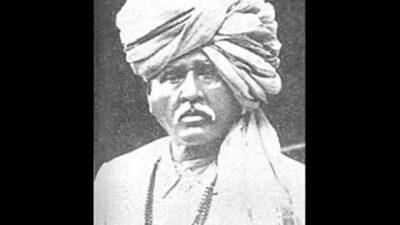

ख़याल और ठुमरी — हीराबाई बड़ोदेकर के तवे
Khayal and Thumri Sides — Hirabai Barodekar
ख़याल और नाट्य-गीत — हीराबाई बड़ोदेकर की ख्याति के वर्ष
Khayal and Natya-Geet Sides — Hirabai Barodekar’s Years of Fame
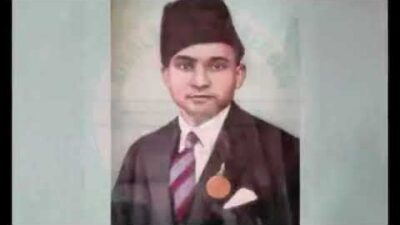
ख़याल-भजन — पहले तवे, हीराबाई बड़ोदेकर
Khayal and Bhajan — First Discs, Hirabai Barodekar
साझा कीजिए · Share this Plate
यह पन्ना आगे बढ़ाइए
जुड़ी हुई दुनिया
Explore ConnectionsHeard In · सुनिए इनमें (34)
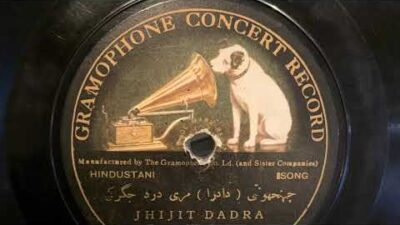
बालम आओ मोहे ऐसे तरसाओ ना — झिंझोटी दादरा
Baalam Aao Mohe Aise Tarsaao Na — Jhinjhoti Dadra
ख़याल-भजन — पहले तवे, हीराबाई बड़ोदेकर
Khayal and Bhajan — First Discs, Hirabai Barodekar