गीत विंग · गीत-पट्टिका · Song Plate
कौन गली गयो श्याम — भैरवी ठुमरी
Kaun Gali Gayo Shyam — Bhairavi Thumri
कौन गली गयो श्याम? — ठुमरी का सबसे बड़ा सवाल, उस आवाज़ में जो उस्तादों को रुला देती थी।
भावअविस्मरणीय · उदास · Yearning
भाषाBraj · Awadhi
श्रेय
The Creditsबोल · The Lyrics
पूरे बोल · Full Lyrics
बता दे सखी, कौन गली गयो श्याम
Bata de sakhi, kaun gali gayo Shyam
शब्दकोश
Word Meaningsसूत्र-वाक्य · The Hook
सूत्र-वाक्य
कौन गली गयो श्याम? — ठुमरी का सबसे बड़ा सवाल, उस आवाज़ में जो उस्तादों को रुला देती थी।
In EnglishDown which lane did Shyam vanish? Thumri's greatest question, asked by the voice that made ustads weep.
पट्टिका-लेख
The Monographपरिचय Overview
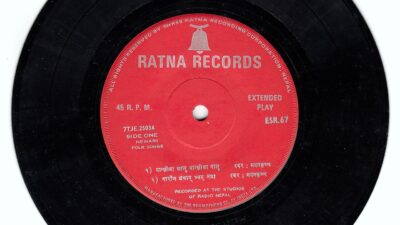
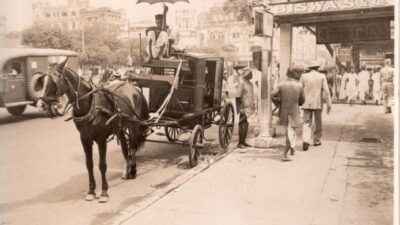
“कौन गली गयो श्याम” मौज़ुद्दीन ख़ान द्वारा कलकत्ता में ग्रामोफ़ोन कंपनी के लिए रिकॉर्ड की गई भैरवी ठुमरी है, जिसे यहाँ उनके ध्वनिक-युग करियर के अंतिम चरण — 1919 — पर रखा गया है। विरह की यह पारंपरिक ब्रज रचना बनारस के बोल-बनाव उस्ताद की पहचान-कृति है; हिज़ मास्टर्स वॉइस छाप के 78 आरपीएम तवे पर हारमोनियम-तबला संगत के साथ।
अंग्रेज़ी में पढ़ें · Read in English
“Kaun Gali Gayo Shyam” is a Bhairavi thumri recorded by Mauzuddin Khan for the Gramophone Company in Calcutta, entered here at 1919 near the close of his acoustic-era career. A traditional Braj text of viraha, it is the signature piece of the Banaras bol-banav master, with harmonium and tabla accompaniment on a 78 rpm side issued under the His Master's Voice imprint.
संगीत The Music
समर्पण के राग भैरवी में बसी यह ठुमरी मौज़ुद्दीन ख़ान की बोल-बनाव कला की कसौटी थी: मुखड़े के चार शब्द टूटते, नए आघात और नए रंग पाते — हर दोहराव परित्याग की अलग छाया। ध्वनिक तवे पर आवाज़ भोंपू के पास से गुज़रती है, हारमोनियम हर मोड़ की परछाईं बनता है — जो महफ़िल घंटे-भर सुनती थी, उसका तीन मिनट का अर्क़।
अंग्रेज़ी में पढ़ें · Read in English
Bhairavi, the raag of final surrender, is the natural home of this thumri, and Mauzuddin Khan's bol-banav was its definitive treatment: the mukhda's four words broken, re-stressed and re-coloured until each repetition becomes a different shade of abandonment. On the acoustic disc the voice rides close to the horn, harmonium shadowing each curve — three minutes distilled from what a mehfil heard for an hour.
काव्य The Poetry
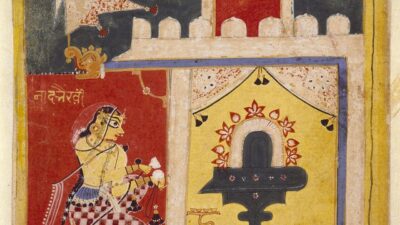
खोजने वाली ब्रज की गलियों से पूछती है कि कृष्ण किधर गए। उत्तर इस प्रश्न की बनावट में ही नहीं है: गली हर दिशा है, श्याम ईश्वर भी हैं और प्रियतम भी, और बार-बार पूछना ही — बदलता, लौटता, कभी न सुलझता — कविता का असली विषय है। यह एक प्रश्नवाचक में सिमटा विरह है।
अंग्रेज़ी में पढ़ें · Read in English
The seeker asks the lanes of Braj where Krishna has gone. The question is unanswerable by design: gali is every direction at once, Shyam is both god and lover, and the asking itself — repeated, varied, never resolved — is the poem's true subject. It is viraha compressed to a single interrogative.
कहानी The Story
मौज़ुद्दीन ख़ान (अनु. 1875–1926) बनारस के पूरब अंग के ठुमरी-सम्राट थे — कलकत्ता की महफ़िलों के सितारे, बगल में हारमोनियम के जादूगर भैया गणपत राव। समकालीन किंवदंती है कि उनकी 'कौन गली' कठोरतम उस्ताद को भी तोड़ देती थी। ग्रामोफ़ोन कंपनी ने उनकी कला को गिने-चुने तवों पर पकड़ा; उनमें सबसे चर्चित यही है।
अंग्रेज़ी में पढ़ें · Read in English
Mauzuddin Khan (c. 1875–1926) was the thumri emperor of the Banaras Purab ang, the star of Calcutta's salons with harmonium legend Bhaiya Ganpat Rao at his side. Contemporary lore insists that hearing his 'Kaun Gali' could undo the sternest ustad. The Gramophone Company caught his art on a small number of sides; this is the most storied of them.
विरासत The Legacy
ठुमरी गायकों की पीढ़ियों ने — रसूलन बाई, सिद्धेश्वरी देवी और आगे तक — 'कौन गली गयो श्याम' को पूरब प्रदर्शनी-सूची के केंद्र में रखा, और मौज़ुद्दीन की रिकॉर्ड की हुई बोल-बाँट कसौटी बनी रही। जहाँ भी भैरवी कोई अनुत्तरित प्रश्न पूछती है, इस ठुमरी की अनुगूँज वहाँ तक जाती है।
अंग्रेज़ी में पढ़ें · Read in English
Generations of thumri singers — through Rasoolan Bai, Siddheshwari Devi and beyond — kept 'Kaun Gali Gayo Shyam' at the centre of the Purab repertoire, and Mauzuddin's recorded phrasing remained the touchstone. The thumri's afterlife stretches into film and concert music wherever Bhairavi asks an unanswerable question.
वर्गीकरण
ClassificationGenre
अन्य विवरण
More Details- Moujuddin Khan — Wikipedia
- Michael Kinnear's early Indian discographies (Bajakhana)
- Archive of Indian Music
References
रोचक तथ्य
Margin Notesकिंवदंती है कि बड़े-बड़े उस्ताद इस ठुमरी की मौज़ुद्दीन ख़ानी अदायगी पर खुलकर रो पड़ते थे।
अंग्रेज़ी में पढ़ें · Read in English
Lore holds that great ustads wept openly at Mauzuddin Khan's rendering of this thumri.
यही बोल बाद में कई पूरब-अंग गायकों ने रिकॉर्ड किए — ठुमरी के सबसे यात्रा-प्रिय मुखड़ों में एक।
अंग्रेज़ी में पढ़ें · Read in English
The same text was later recorded by several Purab-ang singers, making it one of thumri's most travelled mukhdas.
नमूना-पट्टी
The Specimen Table| शीर्षक | कौन गली गयो श्याम — भैरवी ठुमरी · Kaun Gali Gayo Shyam — Bhairavi Thumri |
|---|---|
| वर्ष · युग | 1919 — Gramophone Era |
| गायक | Mauzuddin Khan |
| गीतकार | पारंपरिक ठुमरी रचना |
| संगीतकार | Mauzuddin Khan |
| अवधि | 03:15 |
| भाषा | Braj · Awadhi |
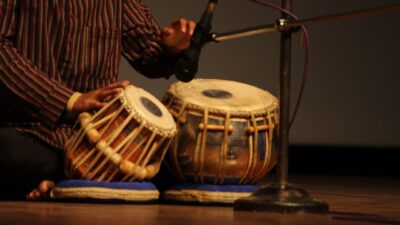
| वाद्य | Vocals · harmonium · tabla · tanpura |
| भाव | अविस्मरणीय · उदास · Yearning |
| बोल-स्थिति | सार्वजनिक |
जुड़े हुए पन्ने
Connected Plates · The Graph Made Visibleअटलस में कोई पन्ना अकेला नहीं — इस गीत से जुड़े गीत, कलाकार, फ़िल्म, राग-ताल-विधा, सब यहाँ से खुलते हैं।
मिलते-जुलते गीत · Related Songs
कलाकार · The Artists
युग · The Era
साझा कीजिए · Share this Plate