गीत विंग · गीत-पट्टिका · Song Plate
ख़याल-भजन — पहले तवे, हीराबाई बड़ोदेकर
Khayal and Bhajan — First Discs, Hirabai Barodekar
किराना उस्ताद की बेटी मराठी मंच-नाम के साथ भोंपू के सामने आई — और मध्यवर्गीय भारत ने मान लिया कि शास्त्रीय गायन बेटियों का भी पेशा हो सकता है।
भावभक्ति · शांत
भाषाHindi · Braj · Marathi
श्रेय
The Creditsसूत्र-वाक्य · The Hook
सूत्र-वाक्य
किराना उस्ताद की बेटी मराठी मंच-नाम के साथ भोंपू के सामने आई — और मध्यवर्गीय भारत ने मान लिया कि शास्त्रीय गायन बेटियों का भी पेशा हो सकता है।
In EnglishThe daughter of the Kirana master stepped to the horn under a Marathi stage name — and middle-class India decided classical music could be a daughter's profession after all.
पट्टिका-लेख
The Monographपरिचय Overview
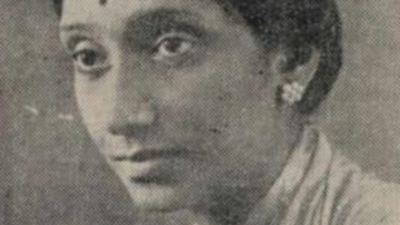
“ख़याल-भजन — पहले तवे” हीराबाई बड़ोदेकर के ग्रामोफ़ोन कंपनी के लिए रिकॉर्डिंग-पदार्पण (अनु. 1923–25) का प्रतिनिधि है — किराना घराने की दूसरी पीढ़ी शैलक पर, एक युवा स्त्री-स्वर में, जिसने शास्त्रीय जलसे को मध्यवर्ग की बेटियों के लिए सम्मानजनक बना दिया।
अंग्रेज़ी में पढ़ें · Read in English
“Khayal and Bhajan — First Discs” represents Hirabai Barodekar's recording debut for the Gramophone Company, c. 1923–25 — the Kirana gharana's second generation arriving on shellac in a young woman's voice that made the classical concert respectable for daughters of the middle class.
संगीत The Music
हीराबाई के पहले तवों में किराना की मुहर एक युवा आवाज़ में दर्ज है: अब्दुल वहीद ख़ान की तालीम का लंबा, प्रार्थना-सा ठहरा स्वर, नदी-घिसे पत्थर-सी माँजी हुई सुरीलापन, और वह मिठास जिसे ध्वनिक भोंपू — कितनी ही आवाज़ों के साथ निर्दयी — जाने कैसे साबुत रख गया। तीन मिनट में सिमटकर भी गायकी का विश्राम पहचान में आता है।
अंग्रेज़ी में पढ़ें · Read in English
Hirabai's first sides carry the Kirana signature in a young voice: the long, prayer-still swar of Abdul Wahid Khan's taleem, intonation polished like riverbed stone, and a sweetness that the acoustic horn — cruel to so many voices — somehow kept intact. Even compressed to three minutes, the gayaki's repose is unmistakable.
काव्य The Poetry
उनकी पदार्पण प्रदर्शनी-सूची किराना भंडार की ख़याल-बंदिशों से लेकर मराठी भजनों और नाट्य-गीत-सरीखी भक्ति-रचनाओं तक चलती थी — वही मिला-जुला कार्यक्रम जिससे वे शीघ्र ही टिकट वाले सभागार भरने वाली थीं। पदार्पण के ठीक पाठ अप्रलेखित हैं।
अंग्रेज़ी में पढ़ें · Read in English
Her debut repertoire ran from khayal bandishes of the Kirana stock to Marathi bhajans and natya-geet-adjacent devotional pieces — the mixed programme with which she would soon fill ticketed halls. The specific debut texts are undocumented.
कहानी The Story
1905 में अब्दुल करीम ख़ान और बड़ौदा दरबार-परिवार की ताराबाई माने के घर जन्मी हीराबाई ने परिवार-विभाजन के बाद चाचा अब्दुल वहीद ख़ान से तालीम पाई, और 1920 के दशक के आरंभ में वह बनकर उभरीं जो भारतीय संगीत ने तब तक देखा नहीं था: सम्भ्रांत समाज की बेटी, मंच और रिकॉर्ड दोनों पर पेशेवर शास्त्रीय गायन करती हुई, 'बड़ोदेकर' नाम से। उनके मध्य-दशक के तवे वहाँ पहुँचे जहाँ महफ़िलें नहीं पहुँच सकती थीं — घरों की बैठकों में — और उन्होंने हीराबाई को पहली ऐसी स्त्री बनाया जिसे संगीत-जनता ने महफ़िली मनोरंजक नहीं, घराने की मशालची माना।
अंग्रेज़ी में पढ़ें · Read in English
Born in 1905 to Abdul Karim Khan and Tarabai Mane of the Baroda court family, Hirabai trained under her uncle Abdul Wahid Khan after the family's split, and emerged in the early 1920s as something Indian music had not yet seen: a daughter of respectable society singing classical music professionally, on stage and on record, under the name Barodekar. Her mid-decade discs travelled where mehfils could not — into family parlours — and made her the first woman the concert public treated as a gharana torch-bearer rather than a salon entertainer.
विरासत The Legacy
हीराबाई के पहले तवे एक सामाजिक दहलीज़ हैं: उनके बाद स्त्री के शास्त्रीय मंच-करियर — केसरबाई, मोगूबाई और आगे की पीढ़ियों — के पास एक साँचा था। उनके अपने रिकॉर्ड तीन दशक बराबर बिकते रहे, और आगे वे स्वतंत्र भारत के लाल क़िले के समारोहों में भी गाईं।
अंग्रेज़ी में पढ़ें · Read in English
Hirabai's first discs mark a social threshold: after her, the female classical concert career — Kesarbai, Mogubai, and the generations beyond — had a template. Her own records sold steadily for three decades, and she would later sing at the Red Fort ceremonies of independent India.
वर्गीकरण
ClassificationGenre
अन्य विवरण
More Details- Hirabai Barodekar — Wikipedia
- Michael Kinnear, Indian discographies (Bajakhana)
References
रोचक तथ्य
Margin Notesहीराबाई ने पेशेवर नाम 'बड़ोदेकर' बड़ौदा से लिया, जो उनके ननिहाल की भूमि थी — माता-पिता थे अब्दुल करीम ख़ान और ताराबाई माने।
अंग्रेज़ी में पढ़ें · Read in English
Hirabai took the professional name 'Barodekar' from Baroda, seat of her mother's family — her parents were Abdul Karim Khan and Tarabai Mane.
उनकी मुख्य तालीम प्रसिद्ध पिता से नहीं, उनके चचेरे भाई — किराना घराने के अब्दुल वहीद ख़ान — से मिली।
अंग्रेज़ी में पढ़ें · Read in English
Her principal taleem came not from her famous father but from his cousin Abdul Wahid Khan of the Kirana gharana.
हिंदुस्तानी संगीत के टिकट वाले सार्वजनिक जलसे गाने वाली ग़ैर-पेशेवर पारिवारिक पृष्ठभूमि की पहली स्त्रियों में उनकी गिनती होती है।
अंग्रेज़ी में पढ़ें · Read in English
She is widely credited among the first women from non-hereditary performing backgrounds to sing ticketed public concerts of Hindustani music.
नमूना-पट्टी
The Specimen Table| शीर्षक | ख़याल-भजन — पहले तवे, हीराबाई बड़ोदेकर · Khayal and Bhajan — First Discs, Hirabai Barodekar |
|---|---|
| वर्ष · युग | 1924 — Gramophone Era |
| गायक | Hirabai Barodekar |
| गीतकार | पारंपरिक बंदिश एवं भजन रचनाएँ (शीर्षक अप्रलेखित) |
| संगीतकार | किराना घराना तालीम (अब्दुल वहीद ख़ान) |
| अवधि | 03:00 |
| भाषा | Hindi · Braj · Marathi |
| वाद्य | Vocals · harmonium · tabla · tanpura |
| भाव | भक्ति · शांत |
| बोल-स्थिति | सार्वजनिक |
जुड़े हुए पन्ने
Connected Plates · The Graph Made Visibleअटलस में कोई पन्ना अकेला नहीं — इस गीत से जुड़े गीत, कलाकार, फ़िल्म, राग-ताल-विधा, सब यहाँ से खुलते हैं।
मिलते-जुलते गीत · Related Songs
कलाकार · The Artists
युग · The Era
साझा कीजिए · Share this Plate