गीत विंग · गीत-पट्टिका · Song Plate
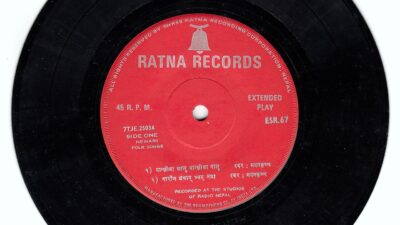
1930 के ख़याल तवे
Khayal Discs of 1930
अब्दुल करीम ख़ाँ की बेटी ने मंच के ख़याल के लिए ग्रामोफ़ोन को प्रतिष्ठित कर दिया।
भावSerene
भाषाhindi
श्रेय
The Creditsसूत्र-वाक्य · The Hook
सूत्र-वाक्य
अब्दुल करीम ख़ाँ की बेटी ने मंच के ख़याल के लिए ग्रामोफ़ोन को प्रतिष्ठित कर दिया।
In EnglishAbdul Karim Khan's daughter makes the gramophone respectable for the concert khayal.
पट्टिका-लेख
The Monographपरिचय Overview
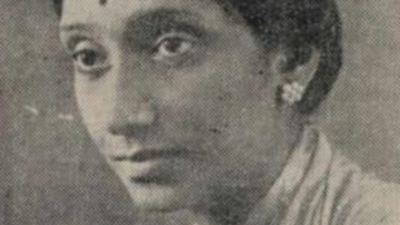
1920 के दशक के उत्तरार्ध से 1930 तक हीराबाई बड़ोदेकर — अब्दुल करीम ख़ाँ की पुत्री, पूरी शास्त्रीय साख के साथ सार्वजनिक मंच पर गाने वाली 'प्रतिष्ठित' पृष्ठभूमि की पहली स्त्री — ने ख़याल और नाट्य-गीत के तवे काटे, जिनके शांत किराना-सुर ने उन्हें पिता की पीढ़ी और कॉन्सर्ट-युग के बीच का पुल बनाया। 1930 के तवे दर्ज करते हैं: एक स्त्री, शास्त्रीय संगीत को महफ़िल नहीं, पेशा बनाकर शीर्ष पर।
अंग्रेज़ी में पढ़ें · Read in English
Through the late 1920s and 1930 Hirabai Barodekar — daughter of Abdul Karim Khan, first woman from a 'respectable' professional setting to sing publicly with full classical credentials — cut khayal and natya-geet sides whose serene Kirana intonation made her the bridge between her father's generation and the concert era. The 1930 discs document a woman headlining classical music as profession, not salon.
संगीत The Music
किराना का लंबा स्वर और निर्मल सुर — तवे की लंबाई में ढला, पर ठहराव खोए बिना।
अंग्रेज़ी में पढ़ें · Read in English
Kirana's long swara and clean intonation, scaled to disc length without losing repose.
काव्य The Poetry
पारंपरिक बंदिश-पाठ — भक्ति और शृंगार — किराना की रीति से, जहाँ शब्द पर स्वर की प्रधानता है।
अंग्रेज़ी में पढ़ें · Read in English
Traditional bandish texts — devotional and shringar themes — sung with the Kirana priority of swara over word.
कहानी The Story
1930 तक हीराबाई बड़ोदेकर ने भारतीय सार्वजनिक जीवन में कुछ नया स्थापित कर लिया था: एक शास्त्रीय संगीत परिवार की स्त्री, जो कॉन्सर्ट-मंच पर पुरुष उस्तादों के समकक्ष ख़याल प्रस्तुत करती, एक पेशेवर शीर्ष-कलाकार के रूप में। उनके 1930 के एचएमवी सत्र इस दोहरी हैसियत को दर्शाते थे — वे महफ़िल-कलाकार या दरबार-आश्रित के रूप में नहीं, बल्कि एक कॉन्सर्ट-संगीतकार के रूप में रिकॉर्ड कर रही थीं जिनके नाम का तवे के लेबल पर अपना प्रभाव था। उनके पिता अब्दुल करीम ख़ाँ अभी जीवित और प्रदर्शन-सक्रिय थे (1937 में उनकी मृत्यु होगी), और प्रलेखित पत्राचार से पता चलता है कि पिता-पुत्री कभी-कभी अपने एचएमवी सत्र समन्वित करते थे, हालाँकि अलग-अलग रिकॉर्ड करते थे। 1930 के तवे आल इंडिया रेडियो के पूर्वजों की बढ़ती भूमिका के साथ भी मेल खाते हैं — भारतीय राज्य प्रसारण सेवा 1930 में शुरू हुई, और हीराबाई जैसे शास्त्रीय कलाकार इसके आरंभिक विशेष कलाकारों में थे। ग्रामोफ़ोन रिकॉर्डिंग और रेडियो प्रसारण के बीच इस काल में परस्पर-पोषक प्रसार का जाल बना।
अंग्रेज़ी में पढ़ें · Read in English
By 1930 Hirabai Barodekar had established herself as something new in Indian public life: a woman from a classical music family performing khayal on the concert stage as a professional headliner, on equal terms with male ustads. Her 1930 HMV sessions reflected this dual status — she was recording not as a salon artist or a court dependent but as a concert musician whose name on a disc label carried its own authority. Her father Abdul Karim Khan was still alive and performing (he would die in 1937), and there is documented correspondence suggesting that father and daughter occasionally coordinated their HMV sessions, though they recorded separately. The 1930 discs also coincide with the growing role of the All India Radio precursors — the Indian State Broadcasting Service began in 1930, and classical artists like Hirabai were among its early featured performers. The crossover between gramophone recording and radio broadcasting in this period created a network of reinforcing exposure: a disc in circulation meant name recognition when radio played a similar performance, and vice versa. Her Kirana-style khayal, with its characteristic long sustained swara and minimal gamak, recorded well in the electrical era and gave her a disc sound that matched her live reputation.
विरासत The Legacy
उनके मंच और तवों ने स्त्री शास्त्रीय-व्यवसायी को सहज बना दिया; गंगूबाई और अगली पीढ़ी उसी खुले दरवाज़े से आई।
अंग्रेज़ी में पढ़ें · Read in English
Her concerts and records normalised the woman classical professional; Gangubai and the next generation walked through the door she opened.
वर्गीकरण
ClassificationGenre
अन्य विवरण
More Details- Wikipedia: Hirabai Barodekar
- Wikipedia: Abdul Karim Khan
- Wikipedia: All India Radio (history)
- Bor, Joep (ed.). The Raga Guide (1999)
- Subramanian, Lakshmi. From the Tanjore Court to the Madras Music Academy (2006)
References
रोचक तथ्य
Margin Notesअब्दुल करीम ख़ान (1872-1937) को किराना गायकी की उस विशिष्ट शैली को विकसित करने का श्रेय दिया जाता है जिसमें गमक (तीव्र स्वर कंपन) की क़ीमत पर स्वर पर लगभग निरंतर ध्यान दिया जाता है, जिससे एक ध्यानपूर्ण गुण उत्पन्न होता है — यही गुण उनकी पुत्री हीराबाई ने अपनी रिकॉर्डिंग्स में आगे बढ़ाया।
अंग्रेज़ी में पढ़ें · Read in English
Abdul Karim Khan (1872–1937) is credited with developing the Kirana gayaki's distinctive approach of near-constant attention to swara (pitch) at the expense of gamak (rapid note oscillation), creating a meditative quality that his daughter Hirabai carried into her recordings.
अखिल भारतीय रेडियो (ऑल इंडिया रेडियो) के पूर्ववर्ती इंडियन स्टेट ब्रॉडकास्टिंग सर्विस की शुरुआत 1930 में हुई, और हीराबाई बड़ोदेकर उन शुरुआती शास्त्रीय कलाकारों में शामिल थीं जिन्होंने इसके बंबई केंद्र से प्रसारण किया — डिस्क करियर और रेडियो करियर का यह प्रारंभिक मेल 1940 के दशक तक शास्त्रीय संगीतकारों के लिए एक मानक बन गया।
अंग्रेज़ी में पढ़ें · Read in English
The Indian State Broadcasting Service, precursor to All India Radio, launched in 1930 and Hirabai Barodekar was among the first classical artists to broadcast from its Bombay station — an early convergence of disc career and radio career that became standard for classical musicians through the 1940s.
राग भीमपलासी और भैरवी में हीराबाई की रिकॉर्डिंग्स को भारतीय संगीत इतिहास के विद्वान स्वतंत्रता-पूर्व युग से उपलब्ध किराना शैली की साधना के सबसे स्पष्ट रूप से दर्ज उदाहरणों में गिनते हैं।
अंग्रेज़ी में पढ़ें · Read in English
Hirabai's recordings in Raag Bhimpalasi and Bhairavi are cited by scholars of Indian music history as among the clearest documented examples of Kirana-style practice available from the pre-independence era.
बाद में वे विष्णु दिगंबर पलुस्कर संस्थान नेटवर्क में प्रोफ़ेसर बनीं और संस्थागत संगीत शिक्षा में ख़याल को एक विश्वसनीय पाठ्यक्रम विषय के रूप में स्थापित करने में सहायक रहीं — न कि केवल वंशानुगत संगीतकारों की संपत्ति के रूप में।
अंग्रेज़ी में पढ़ें · Read in English
She later became a professor at the Vishnu Digambar Paluskar institution network and was instrumental in establishing khayal as a credible curriculum subject in institutional music education — not just the property of hereditary musicians.
हीराबाई बड़ोदेकर को 1970 में भारत सरकार से पद्म भूषण प्राप्त हुआ — वे स्वतंत्रता-पूर्व रिकॉर्डिंग युग के उन गिने-चुने शास्त्रीय संगीतकारों में से थीं जिन्हें आगे चलकर यह सम्मान मिला।
अंग्रेज़ी में पढ़ें · Read in English
Hirabai Barodekar received the Padma Bhushan from the Government of India in 1970, one of the few classical musicians of the pre-independence recording era to receive the honour in later life.
नमूना-पट्टी
The Specimen Table| शीर्षक | 1930 के ख़याल तवे · Khayal Discs of 1930 |
|---|---|
| वर्ष · युग | 1930 |
| गायक | Hirabai Barodekar |
| गीतकार | पारंपरिक |
| भाषा | hindi |
| भाव | Serene |
| लोकप्रियता | Popular |
| बोल-स्थिति | सार्वजनिक |
जुड़े हुए पन्ने
Connected Plates · The Graph Made Visibleअटलस में कोई पन्ना अकेला नहीं — इस गीत से जुड़े गीत, कलाकार, फ़िल्म, राग-ताल-विधा, सब यहाँ से खुलते हैं।
मिलते-जुलते गीत · Related Songs
कलाकार · The Artists
साझा कीजिए · Share this Plate